Mom's Best Recipes
Recipe

Thai-Style Peanut Sauce

Creamy peanut butter, lime, garlic, and a cozy hit of ginger come together in a quick, adaptable sauce that works on noodles, bowls, roasted veggies, and everything you meal prep on Sundays.

Author By Matt Campbell
4.9
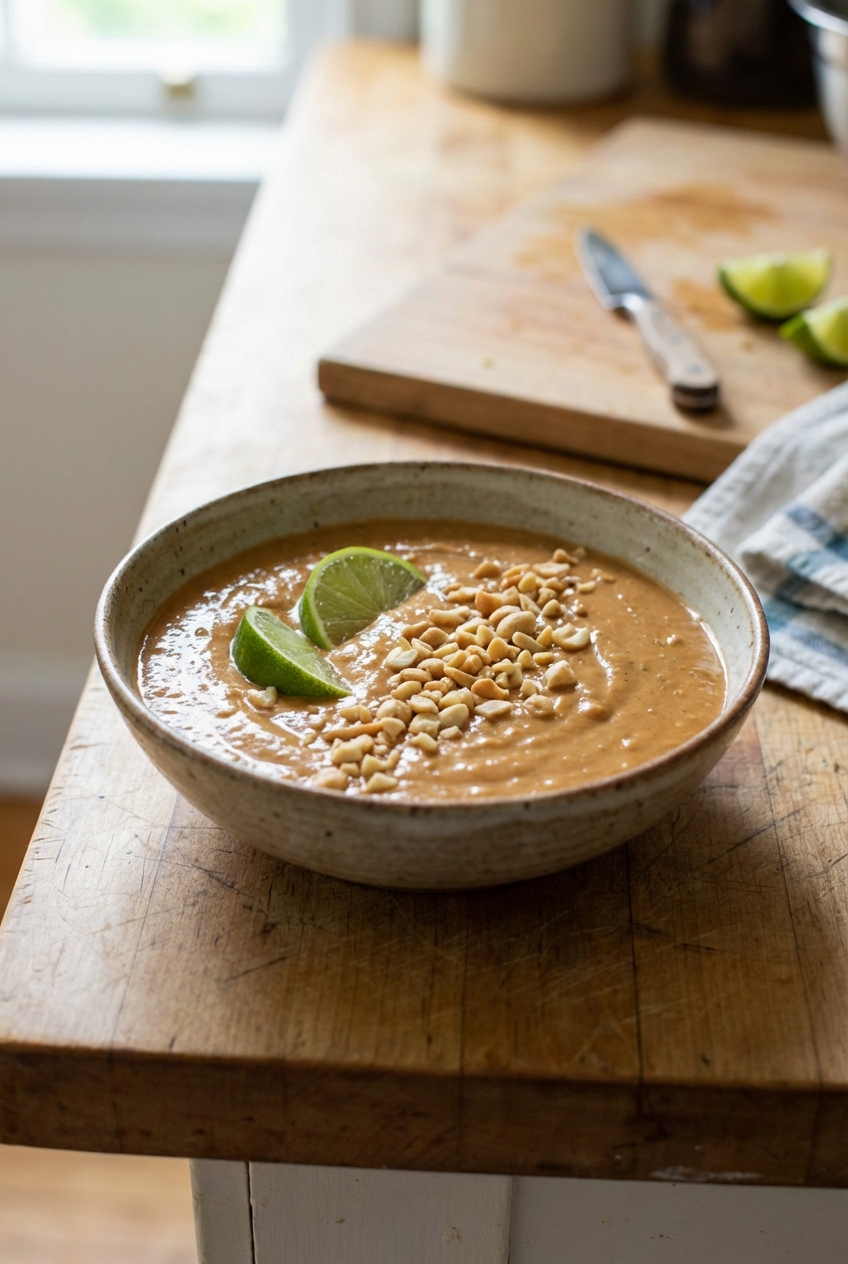
Bowl of creamy peanut sauce with lime wedges and chopped peanuts on a wooden countertop

Thai-style peanut sauce is one of those kitchen cheats I fully support. It tastes like you did a lot, but it is mostly just smart stirring. This version is rich, savory, and flexible, with a seasonal twist that lets you lean brighter in spring and summer, then warmer and toastier in fall and winter.

It is the sauce I reach for when dinner needs help fast. Drizzle it on roasted sweet potatoes, toss it with noodles, swipe it onto a sandwich, or use it as a dip for crunchy veg. And yes, you should taste as you go. That is not a suggestion, it is a lifestyle.

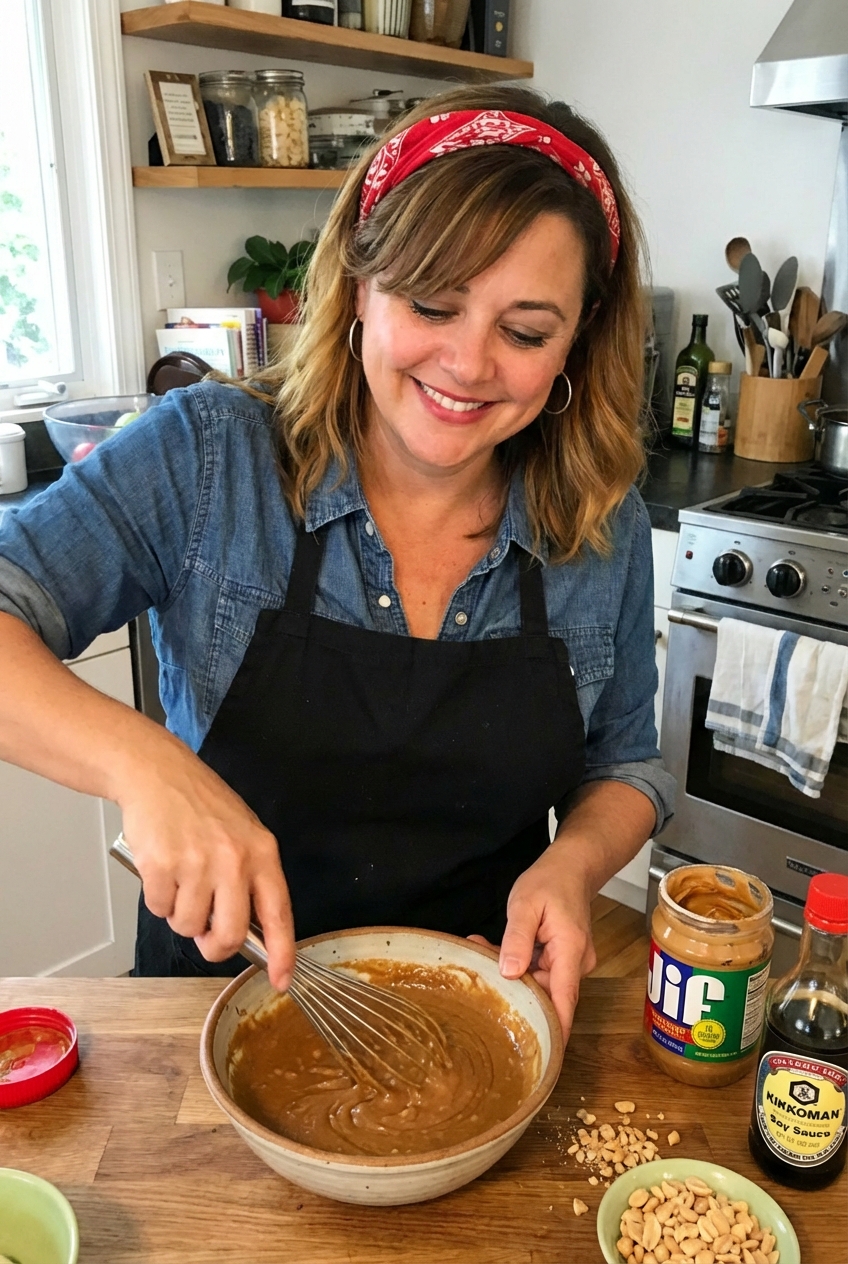
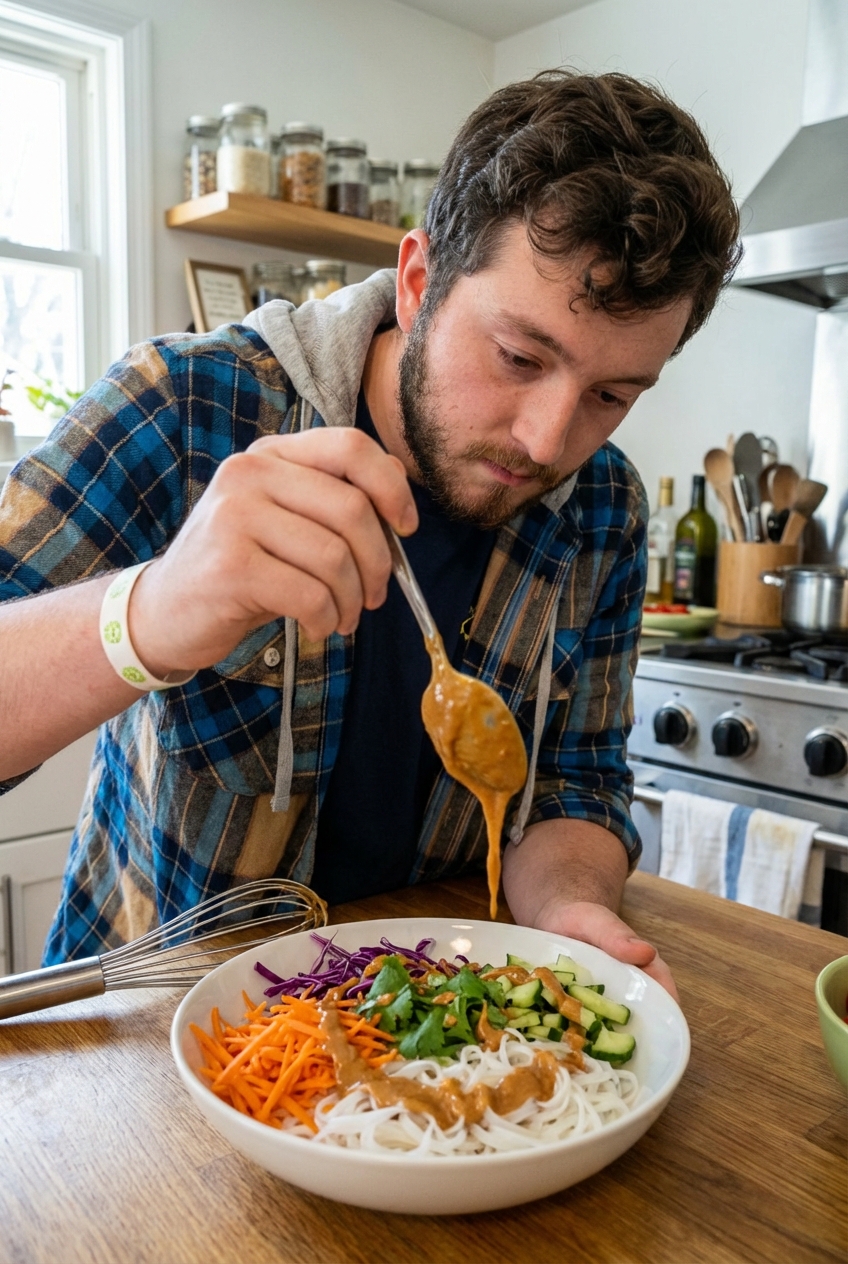
Peanut sauce being whisked in a bowl on a kitchen counter

Why It Works

  • Big flavor, low effort: Peanut butter plus lime plus soy equals instant depth, with ginger and garlic doing the heavy lifting.
  • Seasonal control knob: Make it brighter with extra lime and herbs in warm months, or cozier with toasted sesame and a touch more ginger in colder months.
  • Easy to adjust: Too thick? Add warm water. Too sharp? Add a little sweetener. Not salty enough? A dash more soy.
  • Meal prep hero: Keeps well and makes simple ingredients taste like a plan.

Pairs Well With

Storage Tips

Refrigerator: Store in an airtight jar for 5 to 7 days. The sauce will thicken as it sits. If anything smells off, looks odd, or shows mold, toss it and make a fresh batch.

To re-loosen: Stir in 1 to 2 teaspoons warm water at a time until it is pourable again. If you want extra gloss, add a tiny splash of sesame oil at the end.

Freezer: You can freeze it for up to 2 months. Thaw overnight in the fridge, then whisk well. If it separates a little, it is fine. Just re-emulsify with warm water and a good stir (or blitz in a small blender).

Food safety note: If you used fresh garlic and herbs, keep it cold and do not leave it sitting out for long dip sessions.

Common Questions

Is Thai peanut sauce the same as satay sauce?

They are close cousins. Satay sauce is often thicker and sometimes cooked. This version is a quick, whisked sauce that can be used as a dip, dressing, or noodle sauce. If you want a more classic satay vibe, add a little extra curry paste and keep it thicker.

My sauce is too thick. What do I do?

Warm water is your best friend. Add 1 tablespoon at a time and whisk until it turns silky. Peanut butter varies a lot by brand, so thickness is normal.

My sauce tastes too sharp or salty. Can I fix it?

Yep. If it is too sharp, add more honey or brown sugar. If it is too salty, add more lime juice and a splash of water to rebalance. A little more peanut butter also helps mellow things out.

Can I make it peanut-free?

Yes. Swap the peanut butter for sunflower seed butter or tahini. Sunflower butter is the closest in texture. Tahini is delicious but more bitter, so plan to add a touch more sweetener.

Is it spicy?

As written, it is mild to medium depending on your curry paste and sriracha. Curry paste brands vary a lot in heat and salt, so start small and taste. Make it kid-friendly by skipping the sriracha and using a mild curry paste.

Can I make it vegan or gluten-free?

Yes. For vegan, use maple syrup or agave instead of honey. For gluten-free, use tamari (or coconut aminos, then add salt to taste).

Allergen notes?

This sauce contains peanuts and often soy and sesame (if using soy sauce and sesame oil). If you are cooking for someone with allergies, double-check labels on curry paste too.

My natural peanut butter is separated. Does it matter?

It does. Stir it really well before measuring so your sauce is not oily one day and cement-thick the next. If the sauce looks split, whisk vigorously, or blend for a few seconds to bring it back together.

I started making peanut sauce when I was trying to cook smarter instead of harder. I would roast whatever vegetables were on sale, boil noodles, and then realize I needed something that made it taste like more than a collection of good intentions. Peanut sauce fixed that. It is the kind of recipe that forgives your chaos. Forgot to buy cilantro? Fine. Lime is tiny and dry? Add rice vinegar. Sauce too thick? Warm water. It shows up, does its job, and makes you feel like you have your life together for at least one meal.