Mom's Best Recipes
Recipe

Sesame Ahi Tuna (Tangy and Sweet)

Quick-seared ahi tuna with crisp edges, a tender center, and a punchy soy-citrus glaze that hits both tangy and sweet.

Author By Matt Campbell
4.8
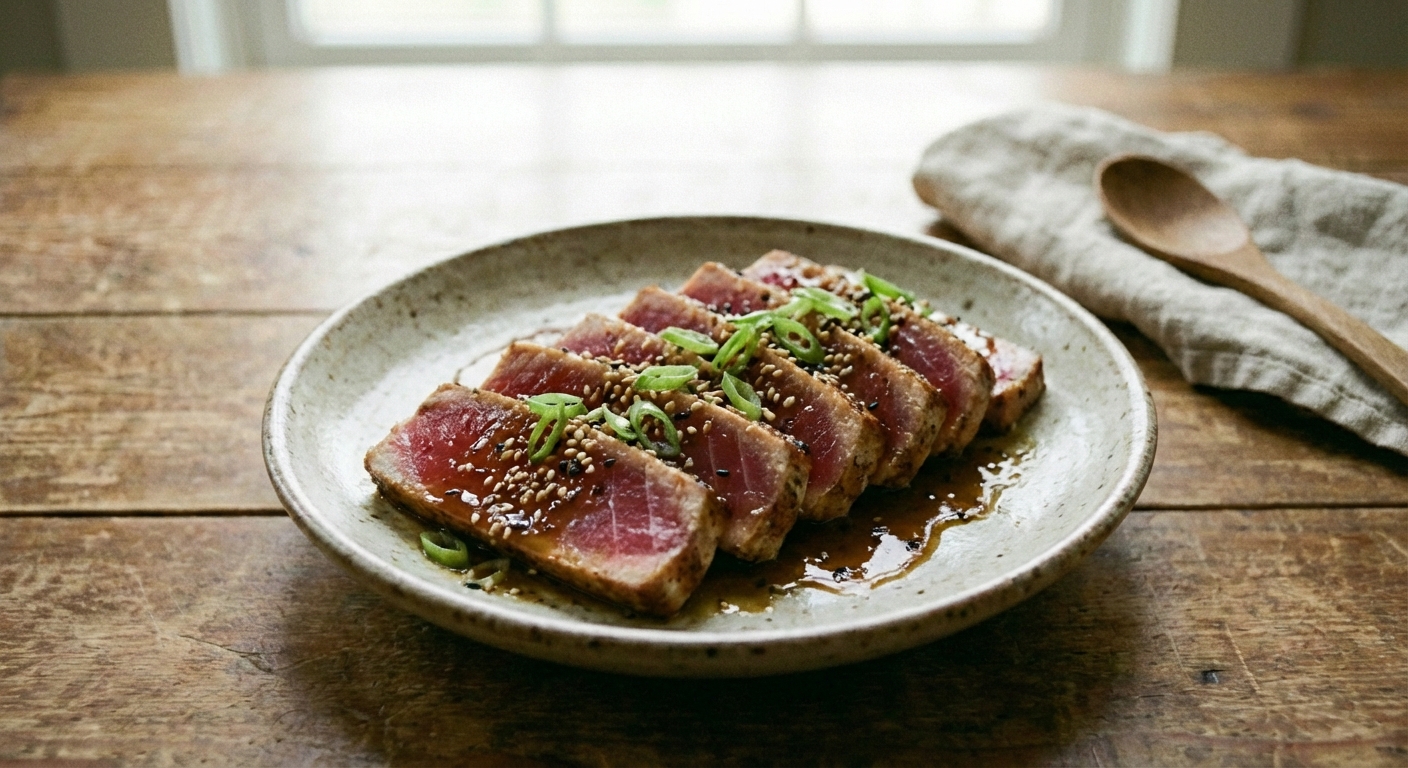
A real photograph of sliced seared ahi tuna fanned on a plate with a glossy soy citrus glaze, sesame seeds, and scallions

Ahi tuna is one of those restaurant staples that looks fancy, tastes even fancier, and secretly takes less time than boiling pasta. The trick is treating it like what it is: gorgeous, lean fish that wants high heat, short cook time, and a sauce that does the heavy lifting.

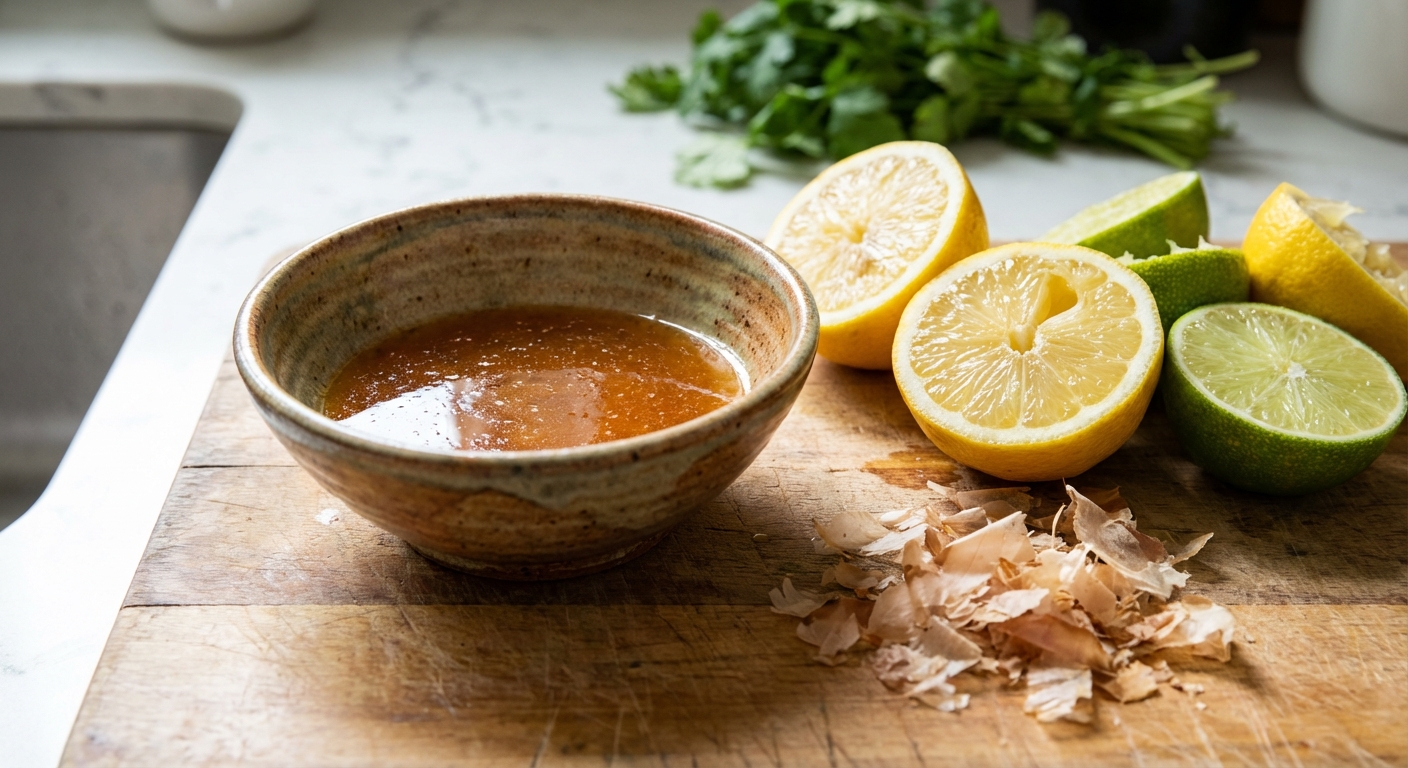
This sesame-crusted, Pacific-inspired ahi tuna leans into that classic flavor lane: soy, ginger, garlic, sesame, and a bright hit of citrus, plus just enough honey to make the tang pop. You get crisp, seasoned edges and a cool, silky center that makes you pause mid-bite and go, okay, wow.

Important note: This recipe is designed for tuna served rare to medium-rare. Use sushi-grade ahi from a trusted source, keep it cold, and sear it right before serving.
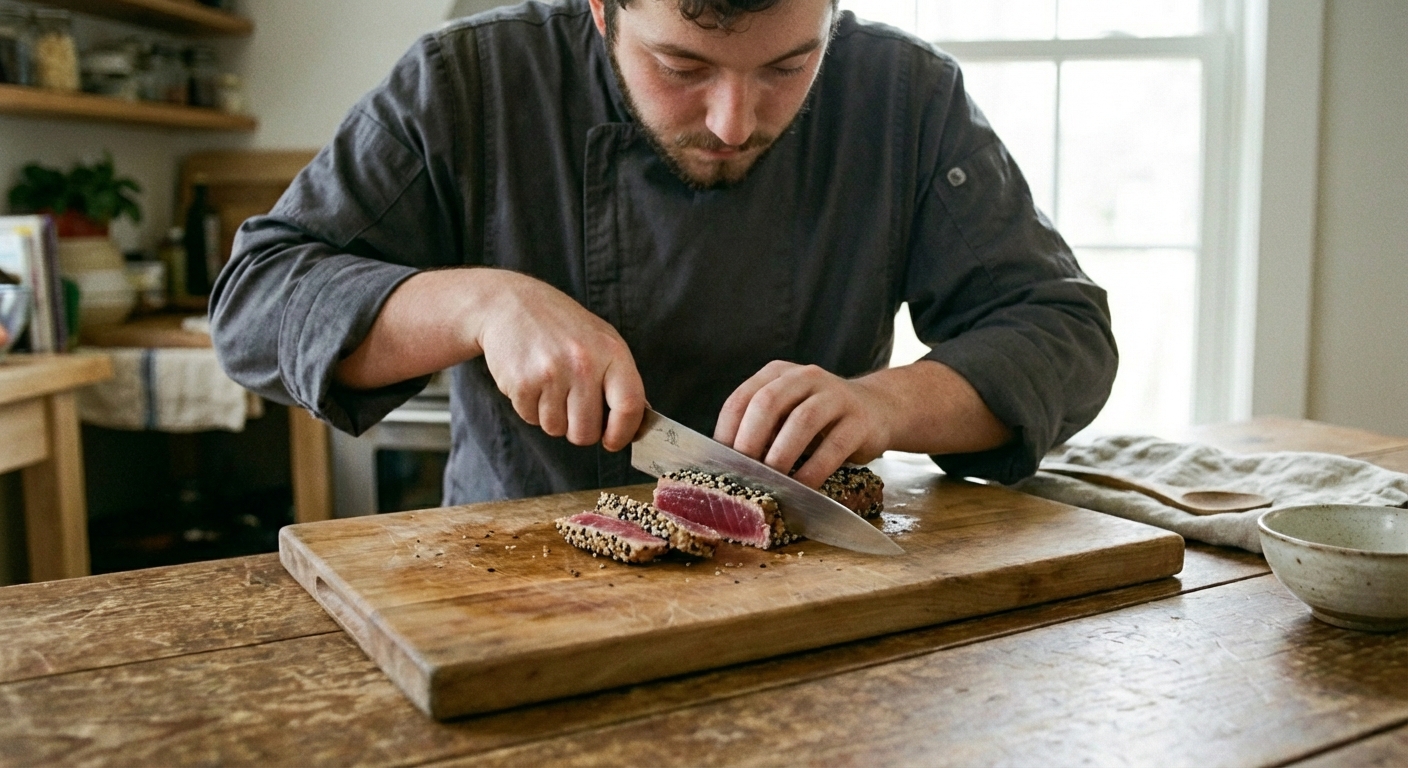
A real photograph of a chef slicing a seared ahi tuna steak on a cutting board with a sharp knife

Why It Works

  • Big flavor, minimal drama: A quick marinade doubles as a glossy finishing glaze.
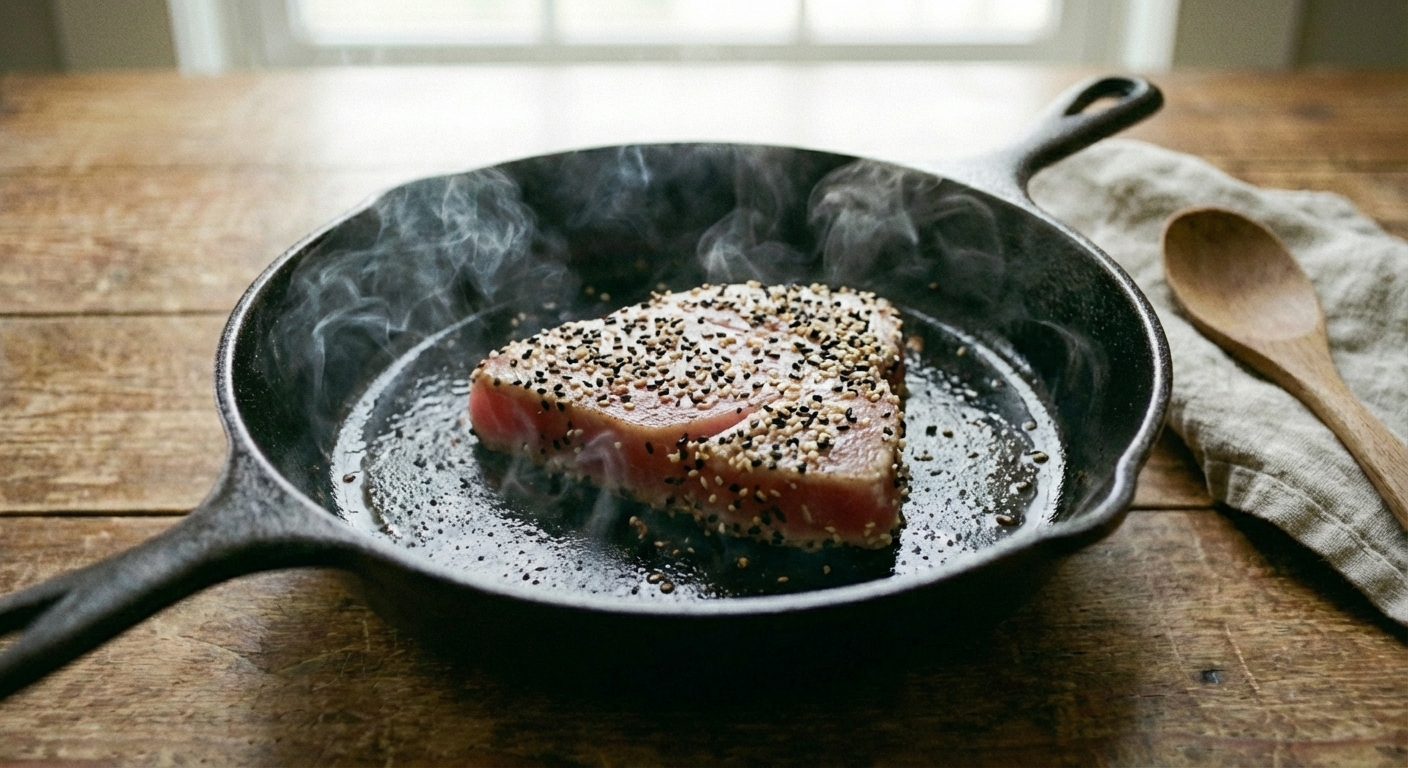
  • Perfect texture: Hot pan, quick sear equals crisp outside and buttery center.
  • Tangy and sweet balance: Citrus and rice vinegar brighten everything, honey rounds it out.
  • Weeknight-friendly: You can pull this off in about 15 minutes, including the sauce.

Pairs Well With

Storage Tips

This dish is best right after searing, but life happens. Here is how to keep leftovers as good as possible.

Refrigerate

  • Store: Place sliced or whole tuna in an airtight container. Keep sauce separate if you can.
  • Time: Because this tuna is served rare, I recommend eating within 24 hours for best quality and a more conservative safety window.

How to eat leftovers

  • Cold is your friend: Leftover ahi is great sliced thin over rice with cucumber and extra glaze.
  • If you reheat: Do it gently in a barely warm pan for 20 to 30 seconds per side. Tuna dries out fast.

Freezing

I do not recommend freezing after cooking. The texture goes from silky to kind of chalky. If you want to prep ahead, freeze the raw tuna (if it was previously frozen and safe to refreeze per your fishmonger) and make the sauce in advance.

Common Questions

What does sushi-grade tuna mean?

It is a market term, not a regulated grade. In practice, it usually means the fish has been handled and frozen in a way that makes it suitable for eating raw or rare. Buy from a reputable fish market and ask how it was sourced and handled.

Can I cook ahi tuna all the way through?

You can, but it will be much drier. If you prefer it more done, aim for medium (still slightly pink) and slice thicker pieces. Consider serving with extra glaze to keep it feeling juicy.

How do I keep tuna from sticking to the pan?

Use a very hot pan, pat the tuna dry, and add a high smoke point oil. Also, do not move it around. Let the crust form, then it will release more easily.

Is the marinade safe to use as a sauce?

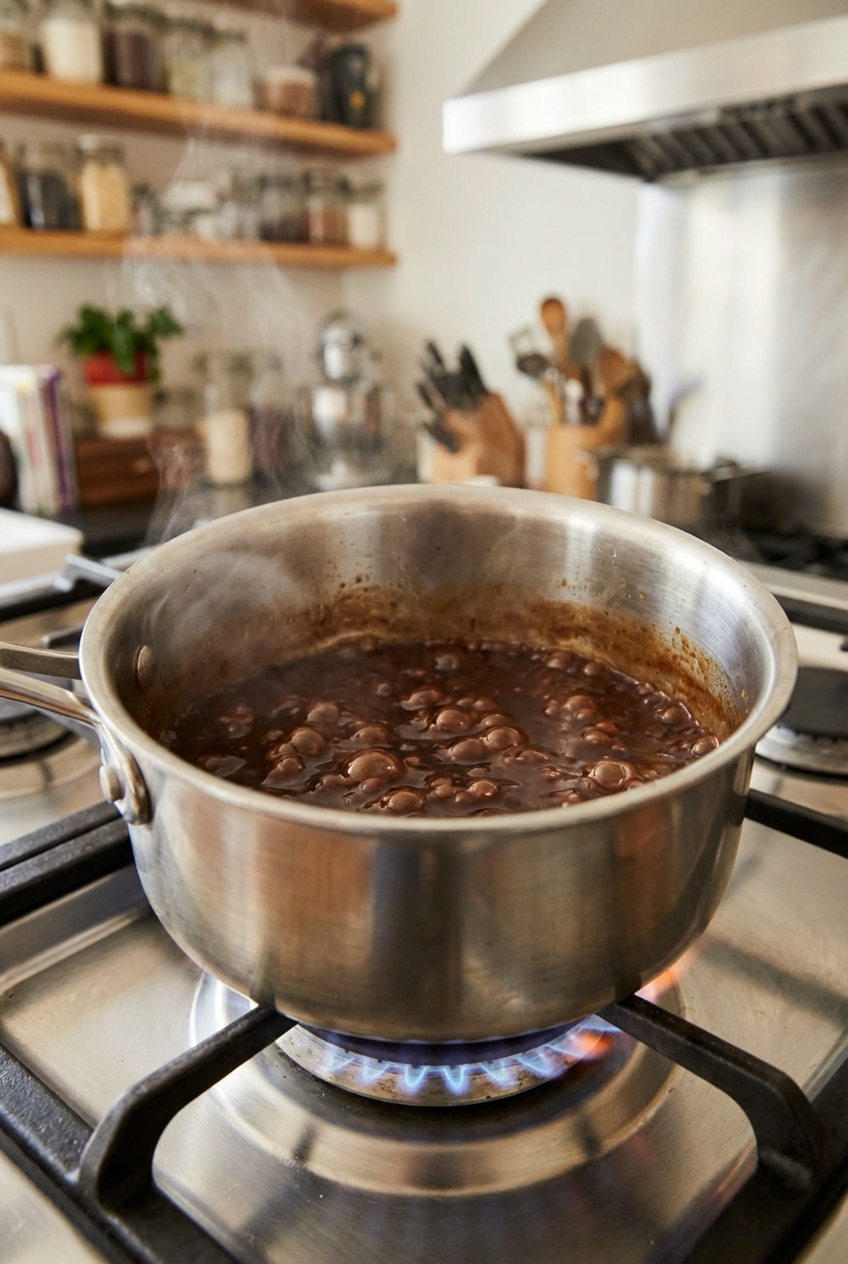
Yes, as long as you boil it. For the lowest-risk approach, reserve half the marinade in a separate bowl before it touches raw fish and use that for glazing. If you use the marinade that touched raw tuna, bring it to a rolling boil for at least 1 minute, then simmer to thicken.

What can I use instead of honey?

Maple syrup works. Brown sugar works in a pinch. Start with a little less, taste, then adjust so it stays tangy and not candy-sweet.

What temp should seared ahi be?

For a warm center that is still rare, aim for about 110 to 115 F. Medium-rare is closer to 120 to 125 F. Tuna firms up fast, so treat the thermometer as a guide, not a dare.

How long do leftovers keep?

Because this tuna is typically served rare, I recommend eating leftovers within 24 hours for best quality and a more conservative safety window.

The first time I tried to make ahi at home, I treated it like a regular fish fillet. Low heat, slow cook, lots of second guessing. It came out gray, dry, and honestly a little sad. Later, working alongside cooks who actually knew what they were doing, I learned the real move: crank the heat, keep the center rare, and let a bold sauce carry the personality. Now it is one of my favorite fast dinners because it feels like a restaurant plate, but it is basically a controlled two-minute panic in a hot pan. My kind of cooking.