How do I keep Alfredo sauce from breaking?
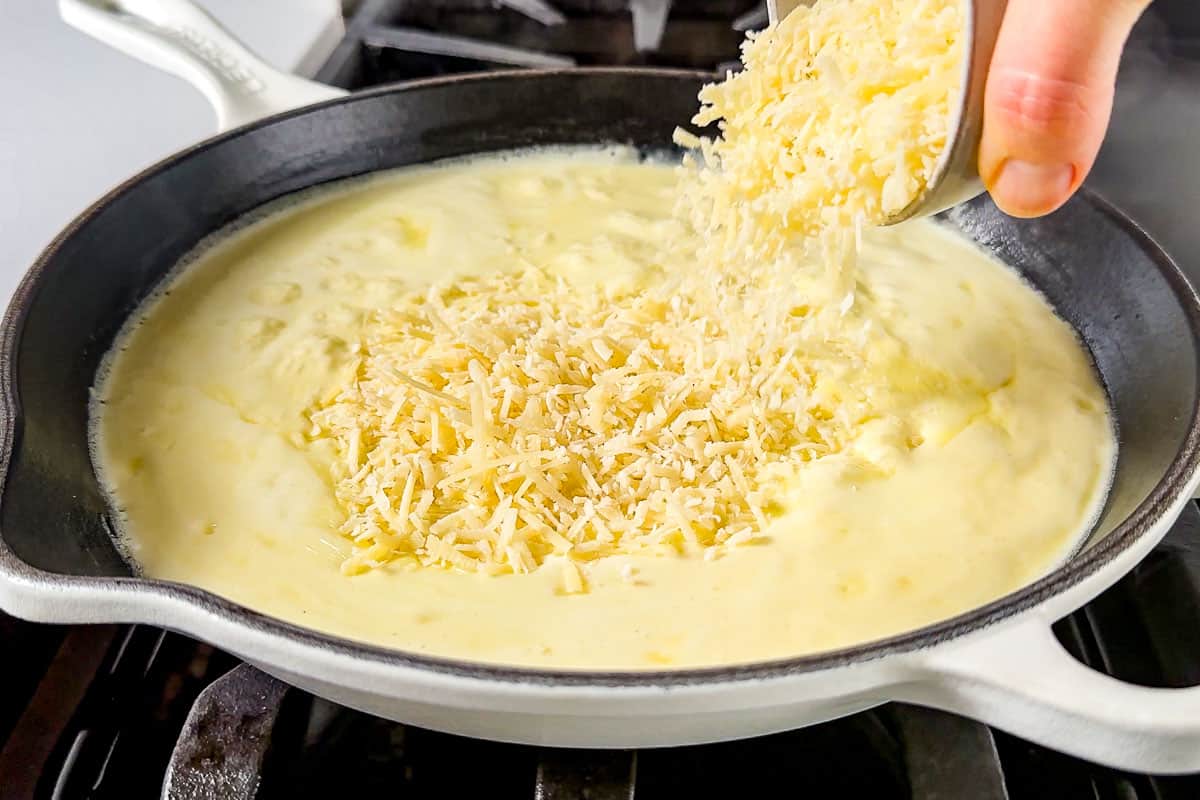
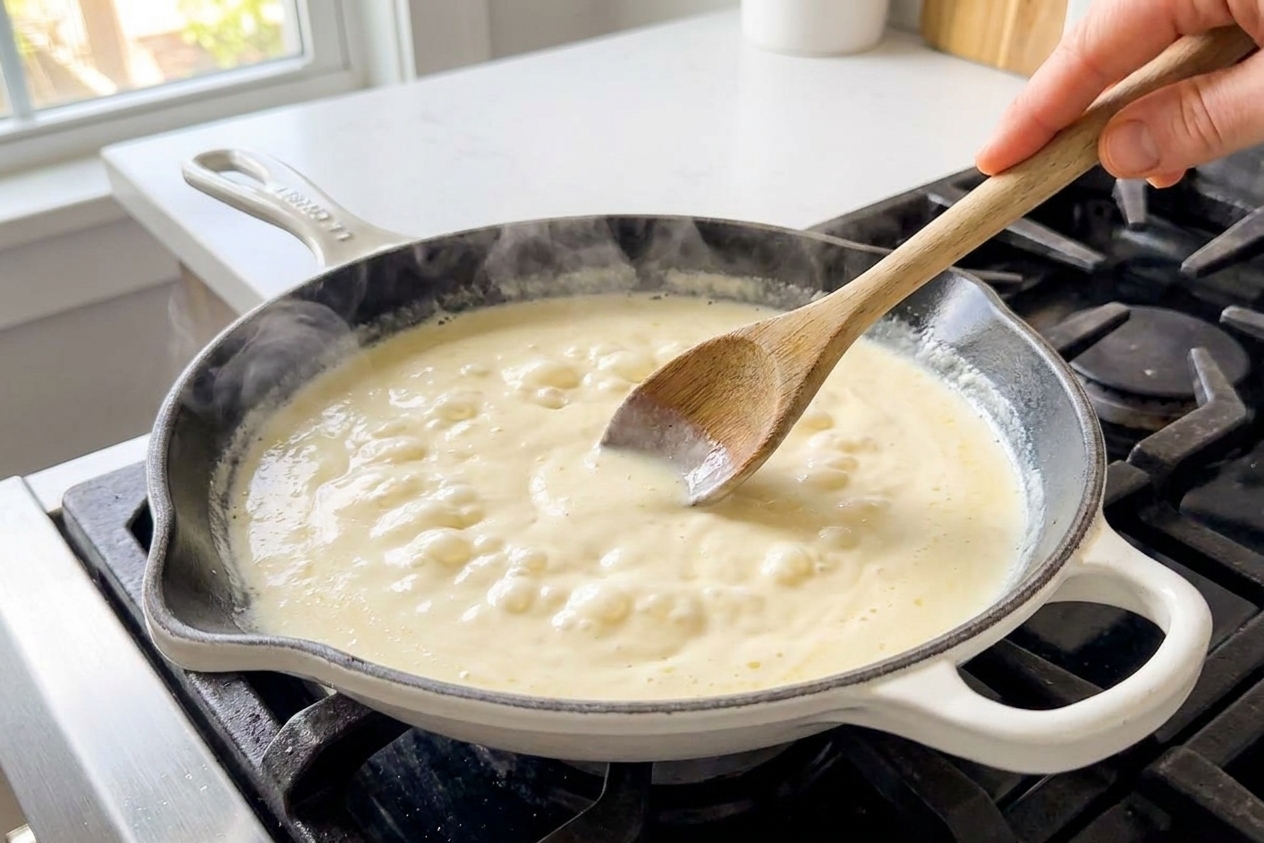
Low heat and real Parmesan are the two big rules. Simmer the cream gently, then turn the heat to low or even off before adding cheese. Use finely grated Parmesan (not pre-shredded) and stir until smooth. Pre-shredded cheese often contains anti-caking agents that can make sauces turn grainy. If it gets too hot, the fat can separate and the sauce can look oily.
What shrimp should I buy?
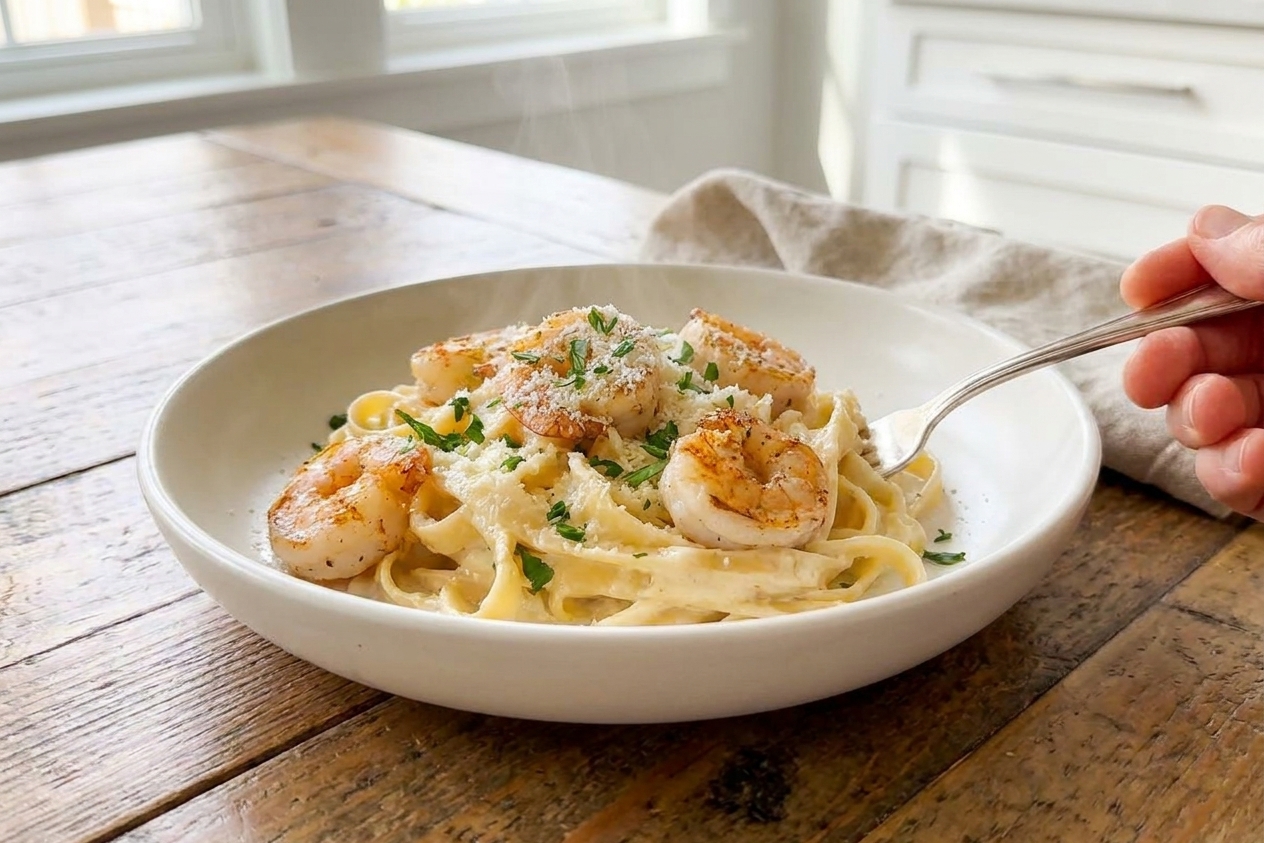
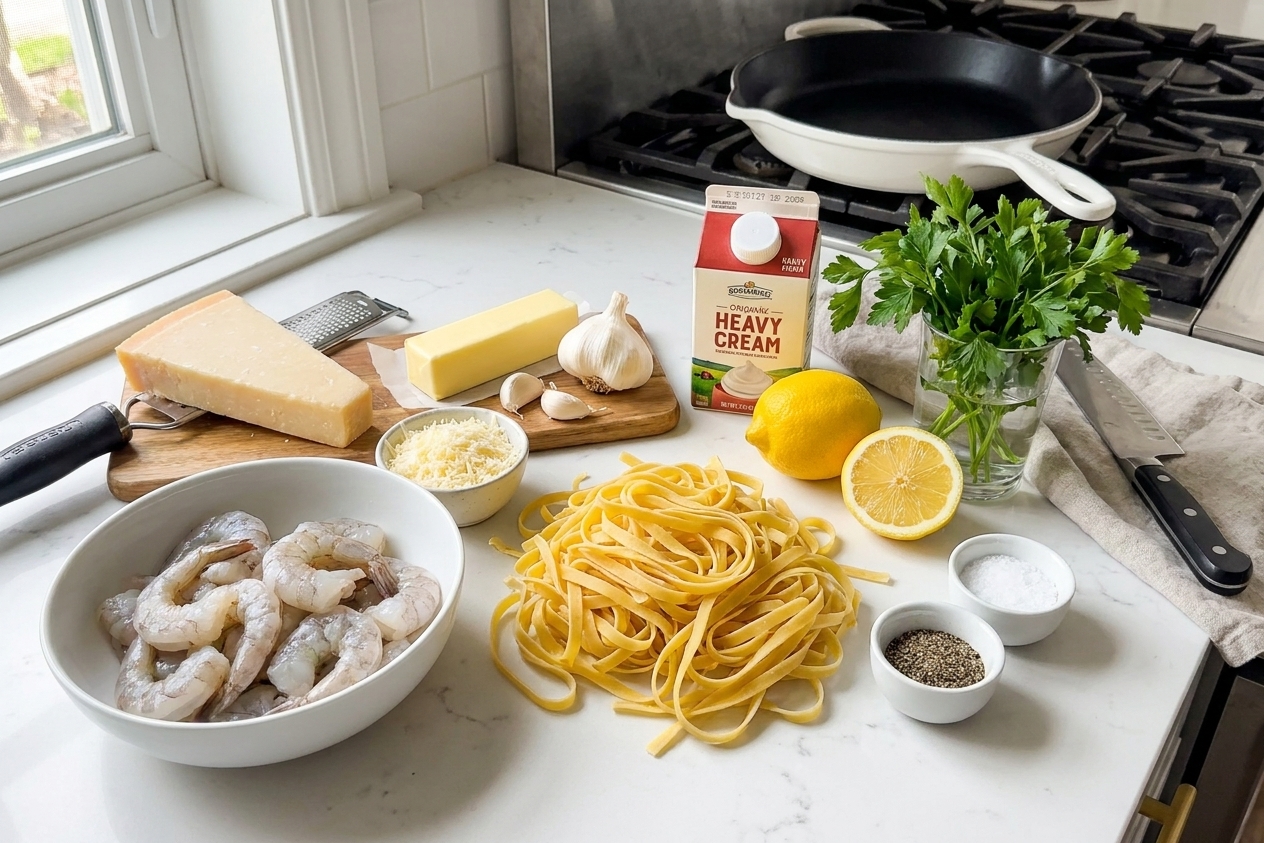
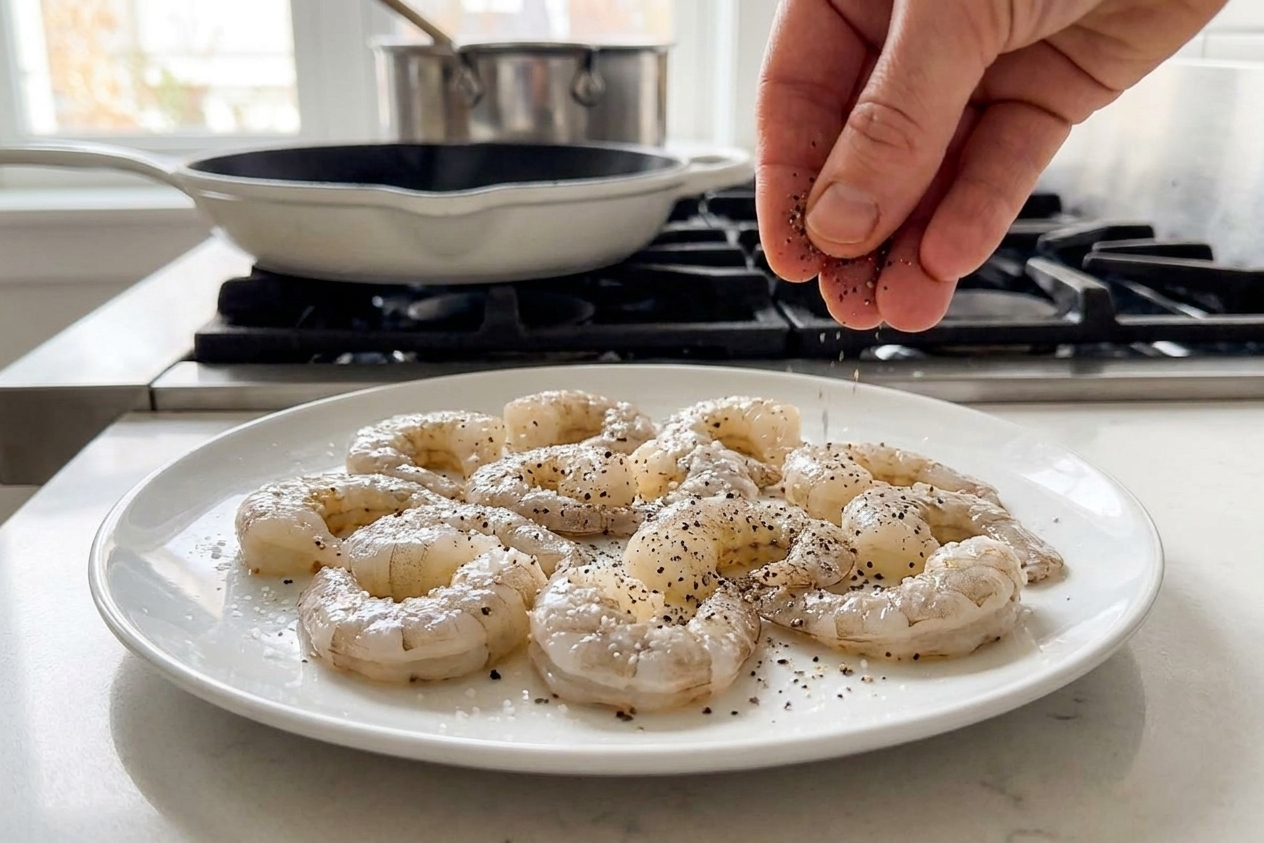
Look for large shrimp (like 21/25 or 16/20 per pound), peeled and deveined. Tail-on looks nice but tail-off is easier to eat in pasta. Fresh or frozen both work. If frozen, thaw in the fridge overnight or under cold running water.
Can I use milk instead of heavy cream?
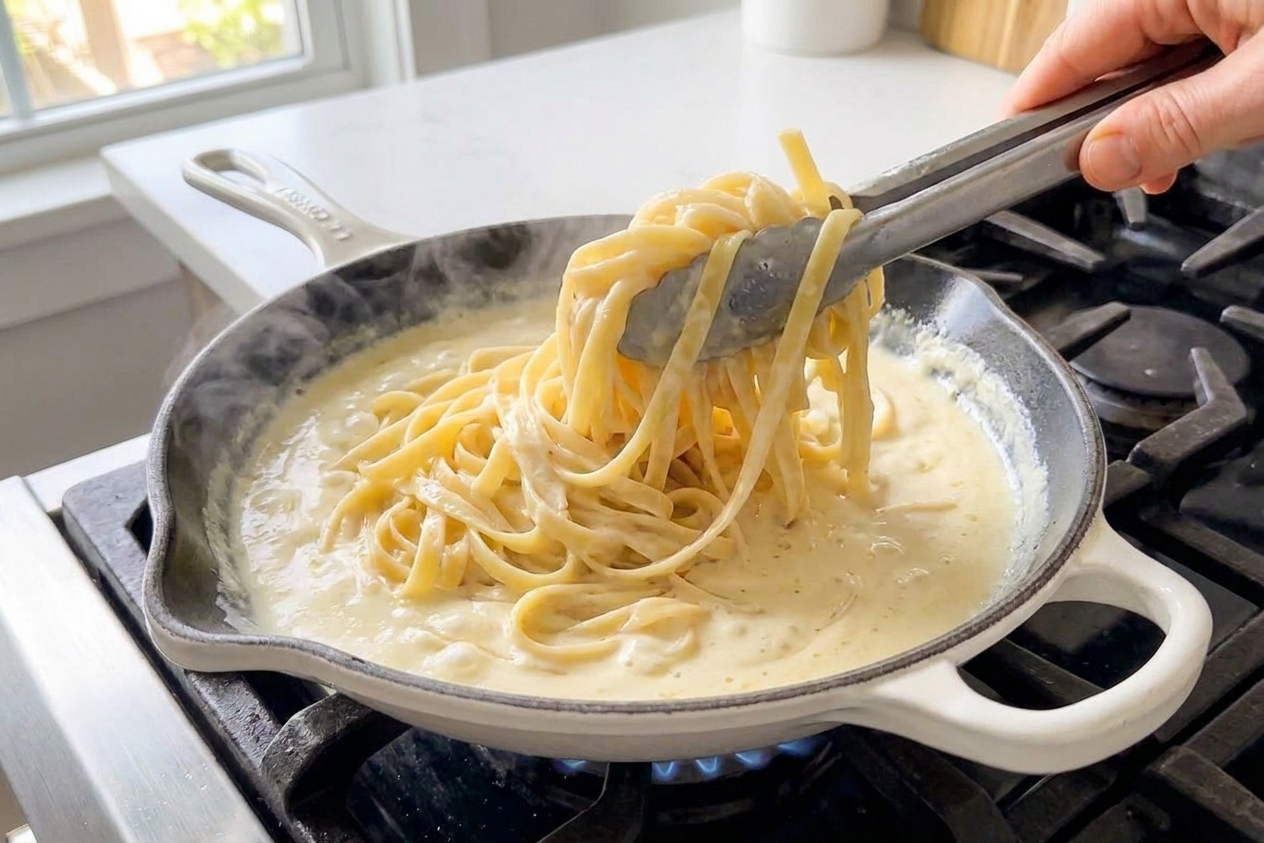
You can, but it will be less rich and more likely to thin out. If you only have milk, use whole milk and consider adding 1 to 2 ounces of cream cheese for stability. Keep the heat low and use pasta water to help the sauce cling.
Is there an egg in Alfredo sauce?
This recipe is the popular American-style Alfredo: butter, cream, and Parmesan, no egg needed. If you are thinking of the original Roman fettuccine Alfredo, it is traditionally butter, Parmigiano-Reggiano, and a splash of pasta water, no cream.
How do I know when shrimp are done?
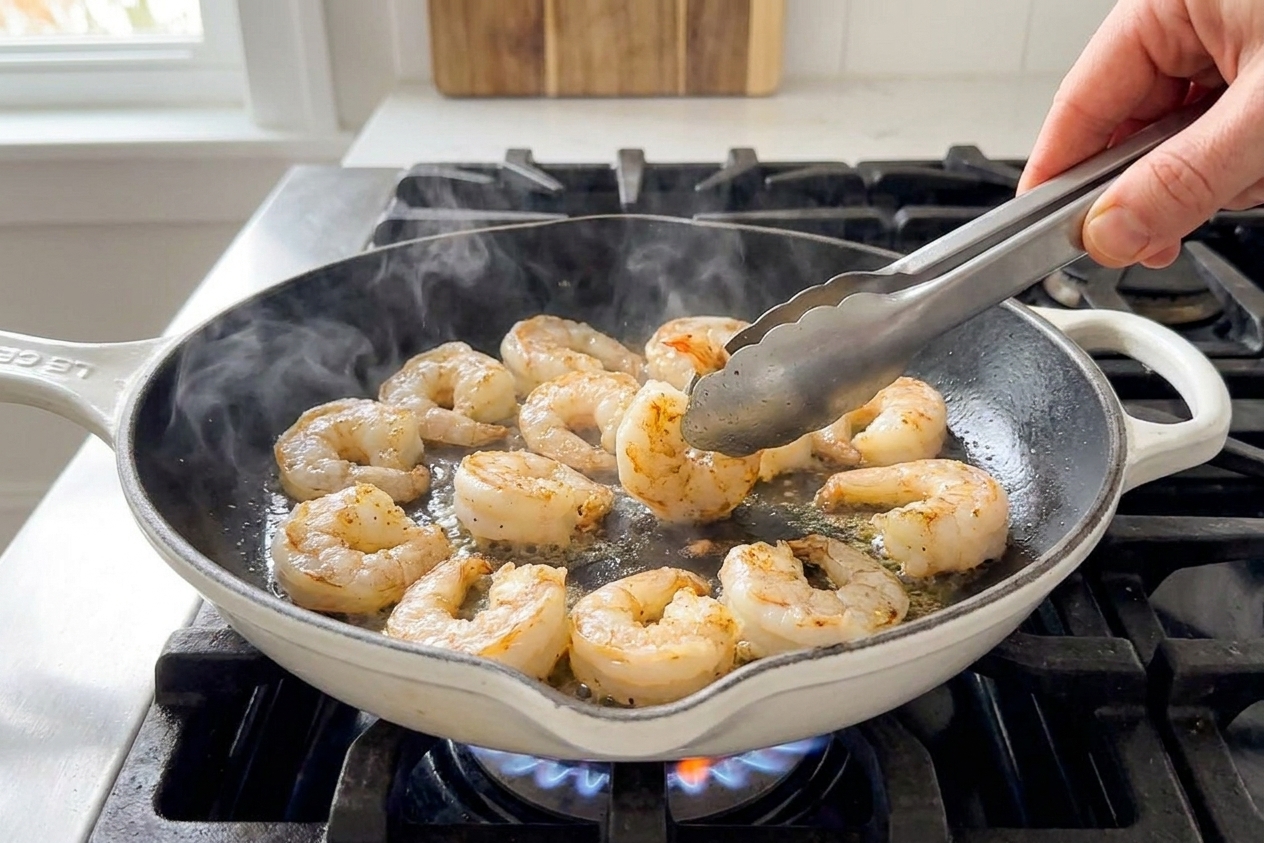
Shrimp are done when they turn pink and opaque and curl into a loose “C.” If they curl into a tight “O,” they are often overcooked. If you like numbers, shrimp are usually done around 120 to 130°F (49 to 54°C) and get firmer and less juicy as they climb toward 140°F (60°C) and beyond.
Can I add broccoli or spinach?
Absolutely. Add baby spinach at the end to wilt. For broccoli, blanch it in the pasta water for the last 2 to 3 minutes of boiling, then drain with the pasta.
Any other easy add-ins?
Yes. Sauté sliced mushrooms in the skillet right after you sear the shrimp (before the garlic), then proceed. Or stir in frozen peas at the very end to warm through. If you want a little heat, add a pinch of red pepper flakes with the garlic.