Mom's Best Recipes
Recipe

Shrimp Scampi

Garlic-butter shrimp with lemon and a glossy sauce that clings to pasta and begs for bread.

Author By Matt Campbell
4.8
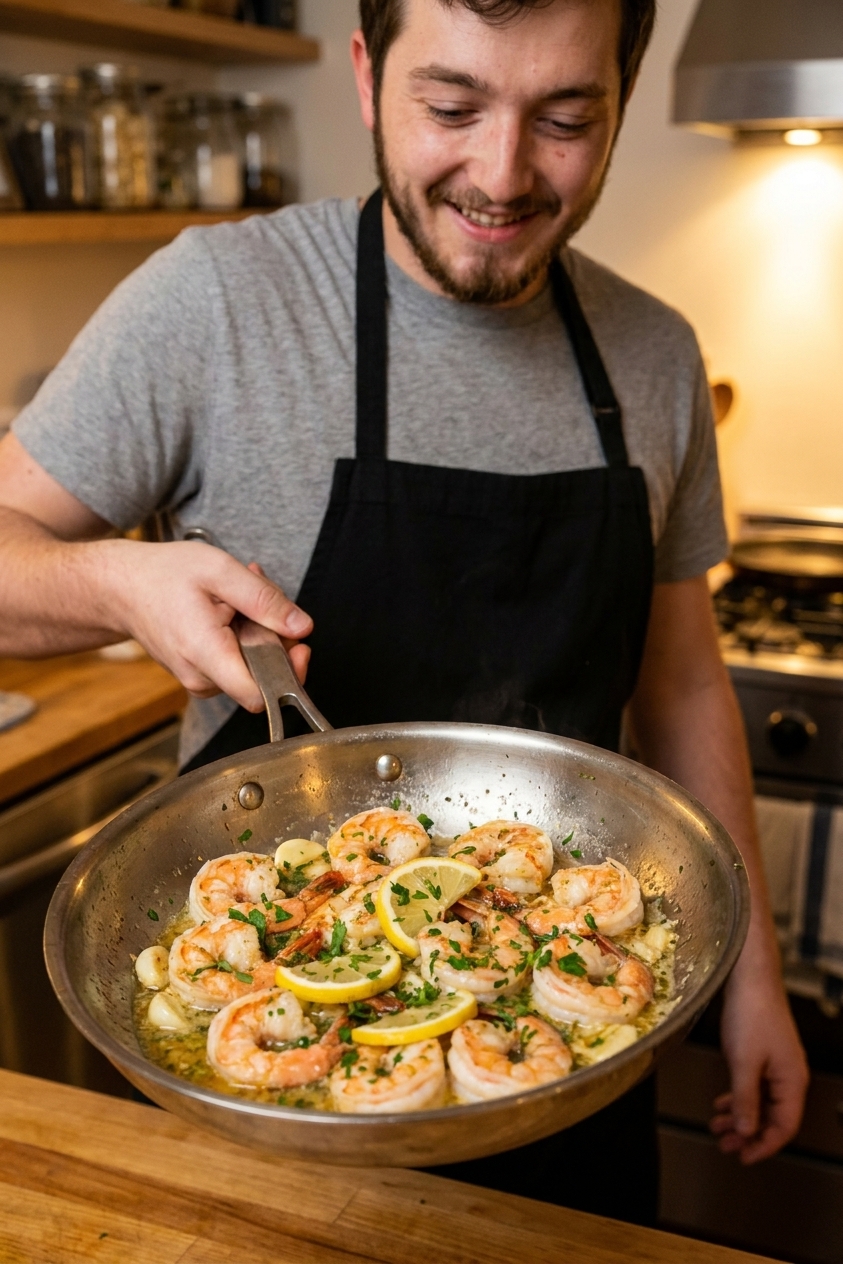
A real photograph of shrimp scampi in a stainless-steel skillet with garlic, lemon slices, chopped parsley, and a glossy butter sauce, warm kitchen lighting
Jump to Recipe

Shrimp scampi is one of those dinners that makes you feel like you absolutely have it together, even if the kitchen says otherwise. It is fast. It is fancy-ish. It smells like garlic and lemon in the best way. And it gives you that silky, buttery sauce that turns plain noodles into something you want to guard with your life.

This version keeps the ingredients easy to find and the steps low-drama. We quickly sear the shrimp, pull them out, then build the garlicky lemon-wine sauce in the same pan. The secret is not “more complicated.” The secret is not overcooking the shrimp and letting the sauce emulsify into a glossy situation you can mop up with bread.
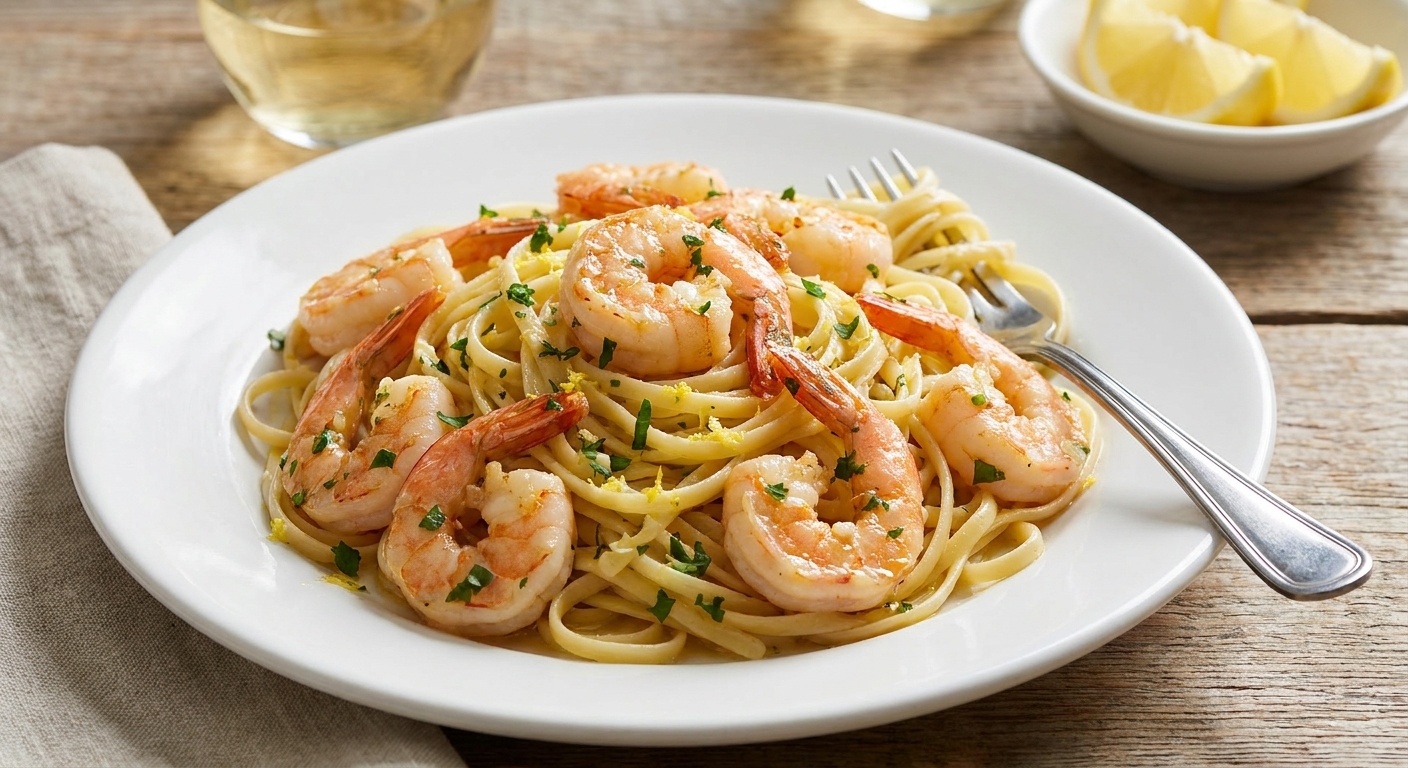
A real photograph of shrimp scampi served over linguine on a white plate with parsley and lemon zest, with a fork resting on the edge

Why It Works

  • Tender shrimp, not rubbery. We sear quickly, then finish them in the sauce so they stay juicy.
  • A sauce that actually clings. Butter plus olive oil plus starchy pasta water creates a smooth, glossy emulsion instead of a greasy puddle.
  • Big flavor with pantry basics. Garlic, lemon, and red pepper flakes do the heavy lifting.
  • Weeknight timing. Everything happens in one pan while the pasta boils, so dinner lands in about 20 minutes.

Pairs Well With

Storage Tips

How to Store Leftovers

  • Refrigerate: Store in an airtight container for up to 2 days. Shrimp is best sooner rather than later.
  • Reheat gently: Warm in a skillet over low heat with a splash of water or broth. Just until heated through. If you microwave it, use 50 percent power in short bursts so the shrimp stays tender.
  • Freeze: I do not love freezing scampi. The shrimp can turn bouncy and the butter sauce can separate. If you must, freeze up to 1 month and reheat slowly in a pan while whisking in a little water.

Leftover move: Chop the shrimp and toss with the leftover sauce into scrambled eggs or fold into rice with extra lemon. It is not traditional, but it is delicious.

Common Questions

Common Questions

What is “scampi” anyway?

In the US, shrimp scampi usually means shrimp cooked in garlic, butter, and white wine with lemon. Traditionally, “scampi” refers to a small lobster-like crustacean (langoustine). We borrowed the cooking style and happily applied it to shrimp.

Do I have to use white wine?

Nope. Swap in chicken broth or seafood stock plus an extra squeeze of lemon at the end. You will still get a great sauce.

How do I know when shrimp are done?

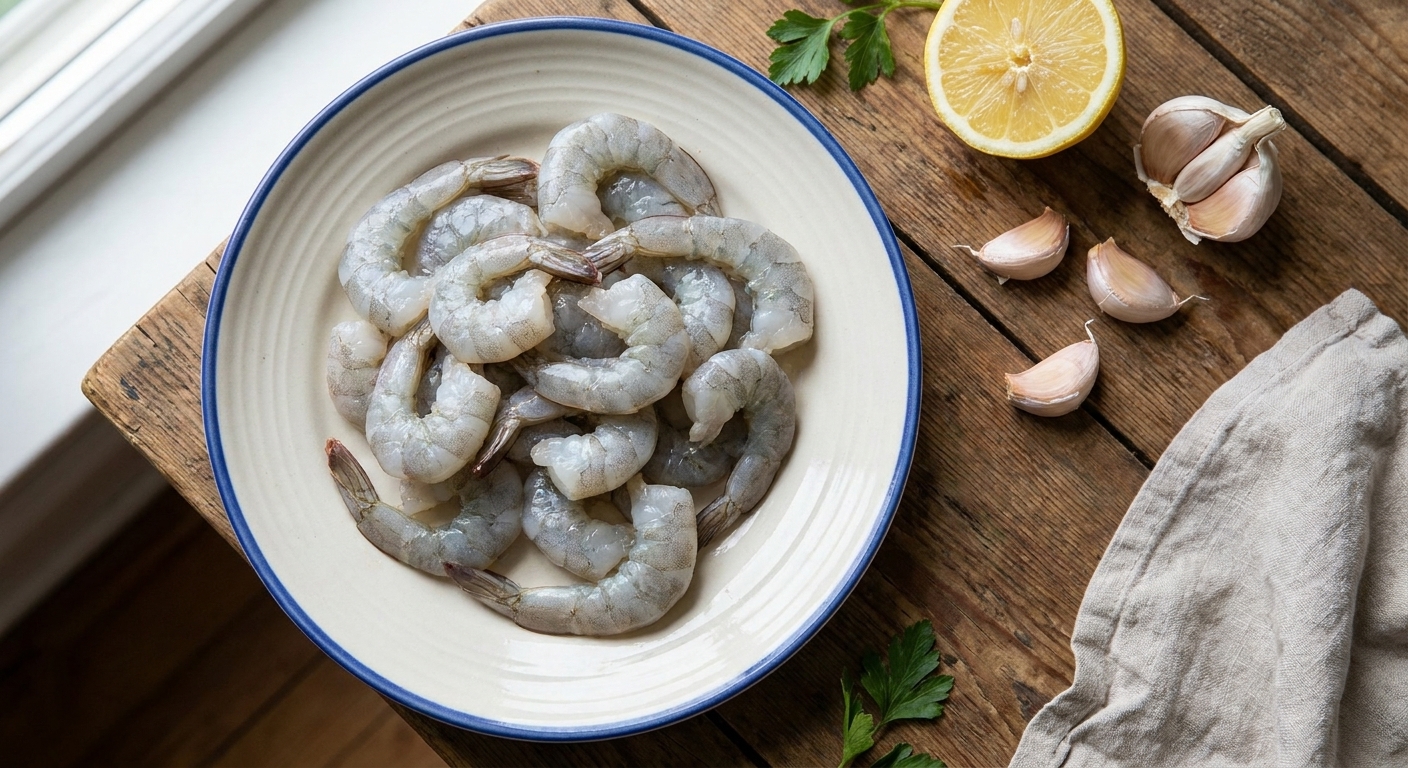
They go from gray and soft to pink and opaque, and they curl into a loose “C” shape. If they curl into a tight “O,” they are overcooked. Pull them early. They finish in the heat of the sauce.

Can I make this without pasta?

Absolutely. Serve over rice, mashed potatoes, polenta, zucchini noodles, or with a big salad and bread for dunking.

My sauce looks oily. How do I fix it?

Turn the heat to low and whisk in 1 to 3 tablespoons hot pasta water until it turns glossy and cohesive again. The starchy water is the fix.

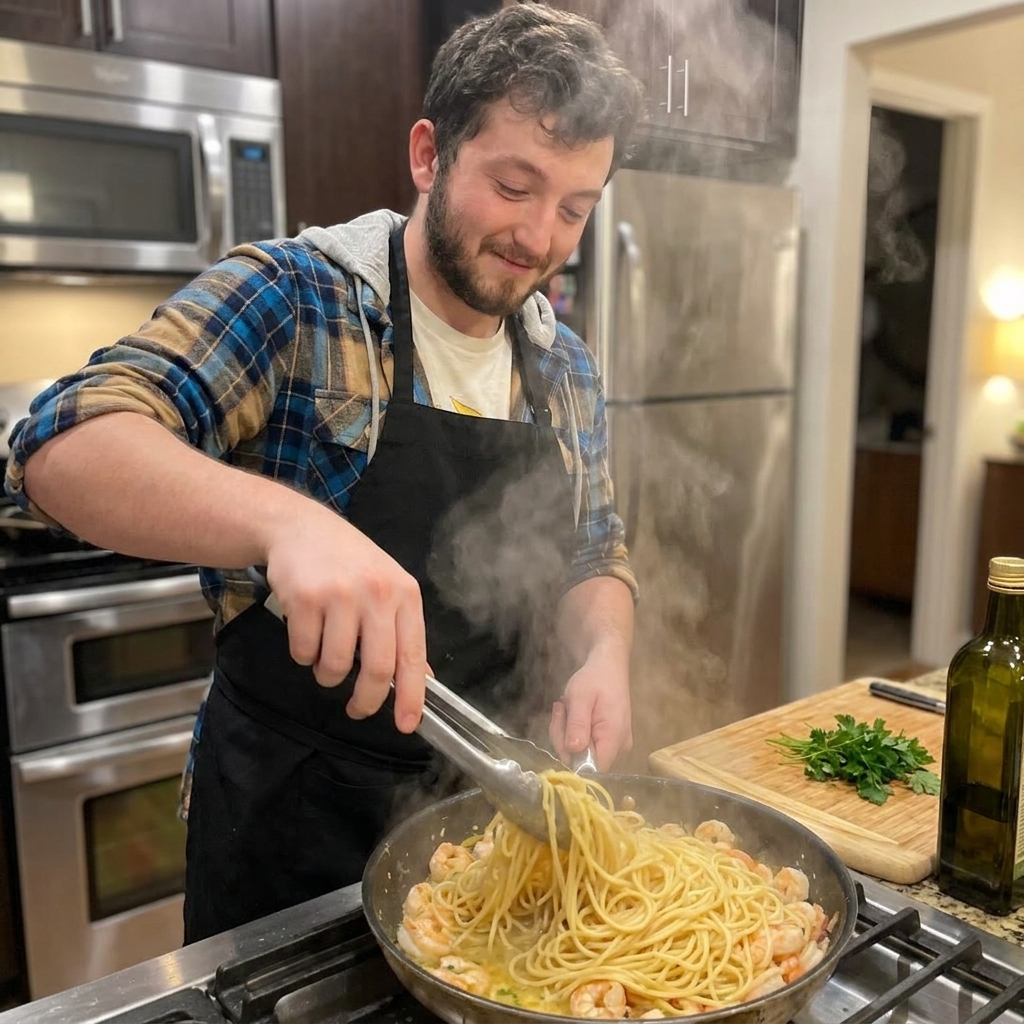
Shrimp scampi is my go-to when I want “restaurant energy” without restaurant effort. The first time I made it, I cooked the shrimp too long because I was busy trying to make the sauce perfect. Classic mistake. Now I treat shrimp like they are on a timer for their own protection: hot pan, quick sear, out. The sauce gets built right after, then the shrimp go back in just long enough to finish. And when it comes together, it is that exact moment where you taste, pause, and go, okay wow, we are doing great tonight.