
Mom's Best Recipes
Recipe

Sichuan Dan Dan Noodles

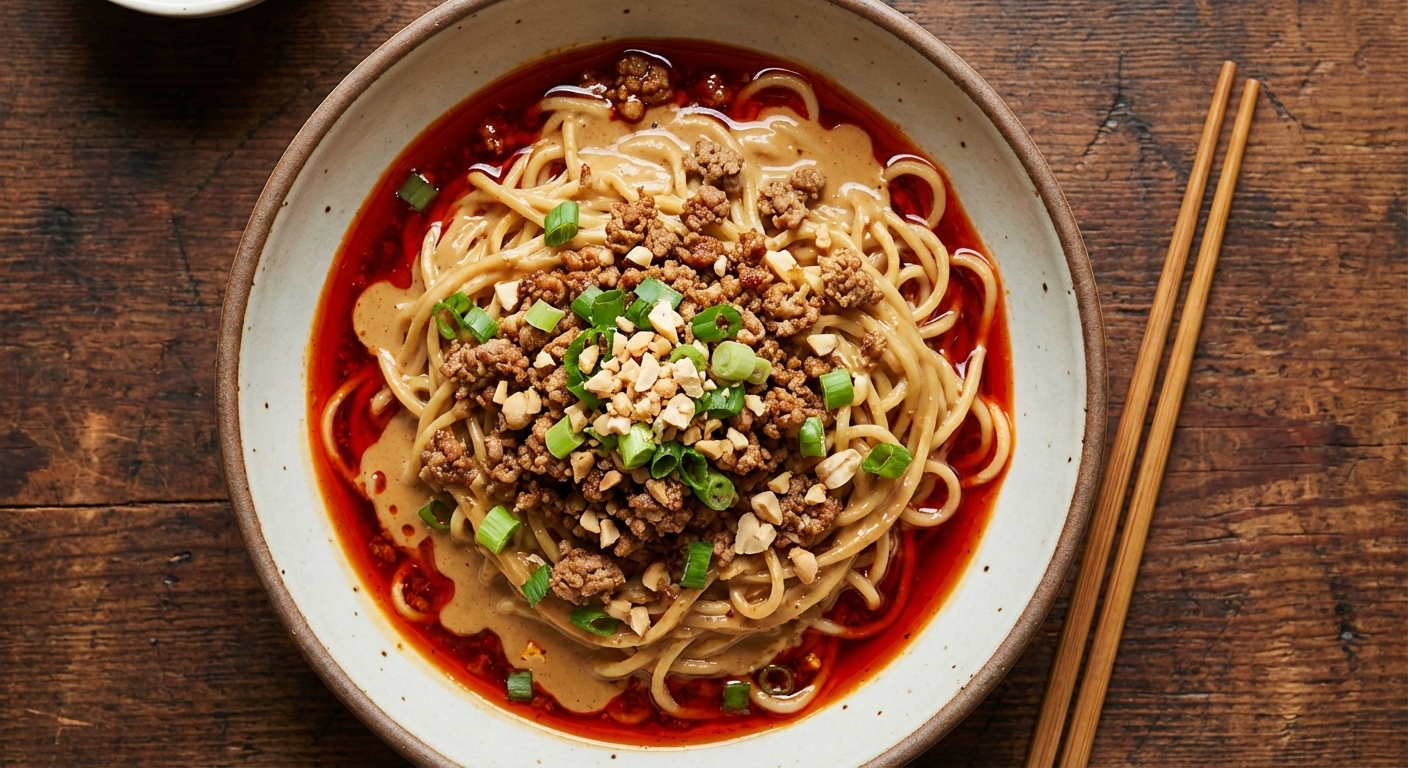
Chewy noodles coated in a fiery, savory sauce with sesame paste and Sichuan peppercorn, finished with crispy pork, scallions, peanuts, and (optionally but very traditionally) ya cai for that signature funk.

Author By Matt Campbell
4.8
A single bowl of Sichuan dan dan noodles with glossy red chili oil pooling around the edges, sesame-tan sauce clinging to the noodles, browned ground pork on top, sliced scallions and crushed peanuts, shot as a realistic overhead food photograph on a dark wooden table with chopsticks nearby

Dan dan noodles are one of those dishes that taste like someone turned the flavor dial past ten and then snapped it off. Spicy, nutty, savory, a little sweet, and that signature Sichuan buzz from peppercorns that makes your mouth feel awake. It is bold street food energy in a bowl, but it is also completely doable on a weeknight.

My favorite part is the sauce. It looks simple, but it has layers: chili oil heat, sesame richness, soy sauce depth, a touch of vinegar to keep everything bright, and just enough sugar to round the corners. Add a quick pork topping (bonus points for ya cai if you have it) and a shower of scallions and peanuts, and suddenly Tuesday dinner feels like you went out.
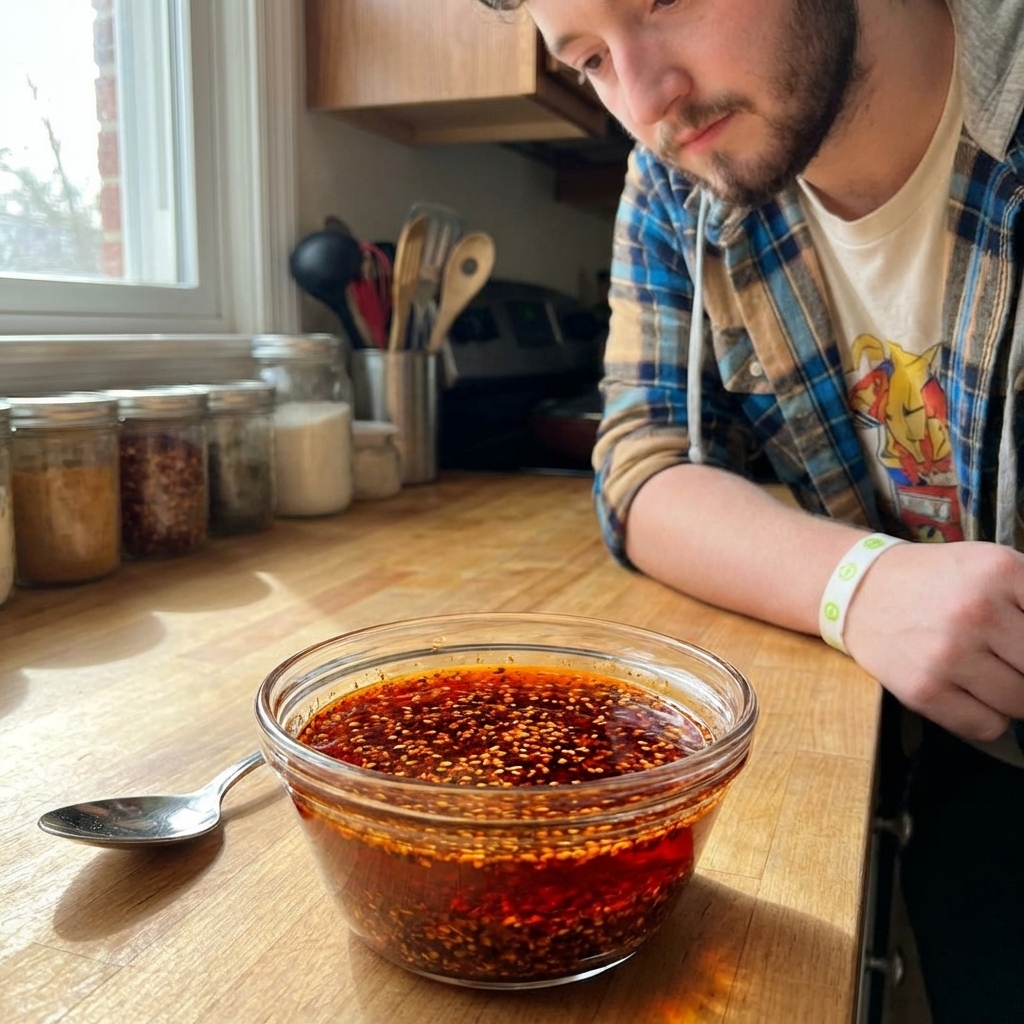
A small glass bowl of bright red Sichuan chili oil with visible chili flakes and sesame seeds, sitting on a kitchen counter next to a spoon, photographed in natural window light

Why It Works

  • Big, balanced sauce: Sesame paste and chili oil create that creamy, spicy cling that coats every noodle.
  • Sichuan energy, weeknight friendly: Sichuan peppercorn brings the citrusy tingle, and ya cai is there if you want to go more traditional.
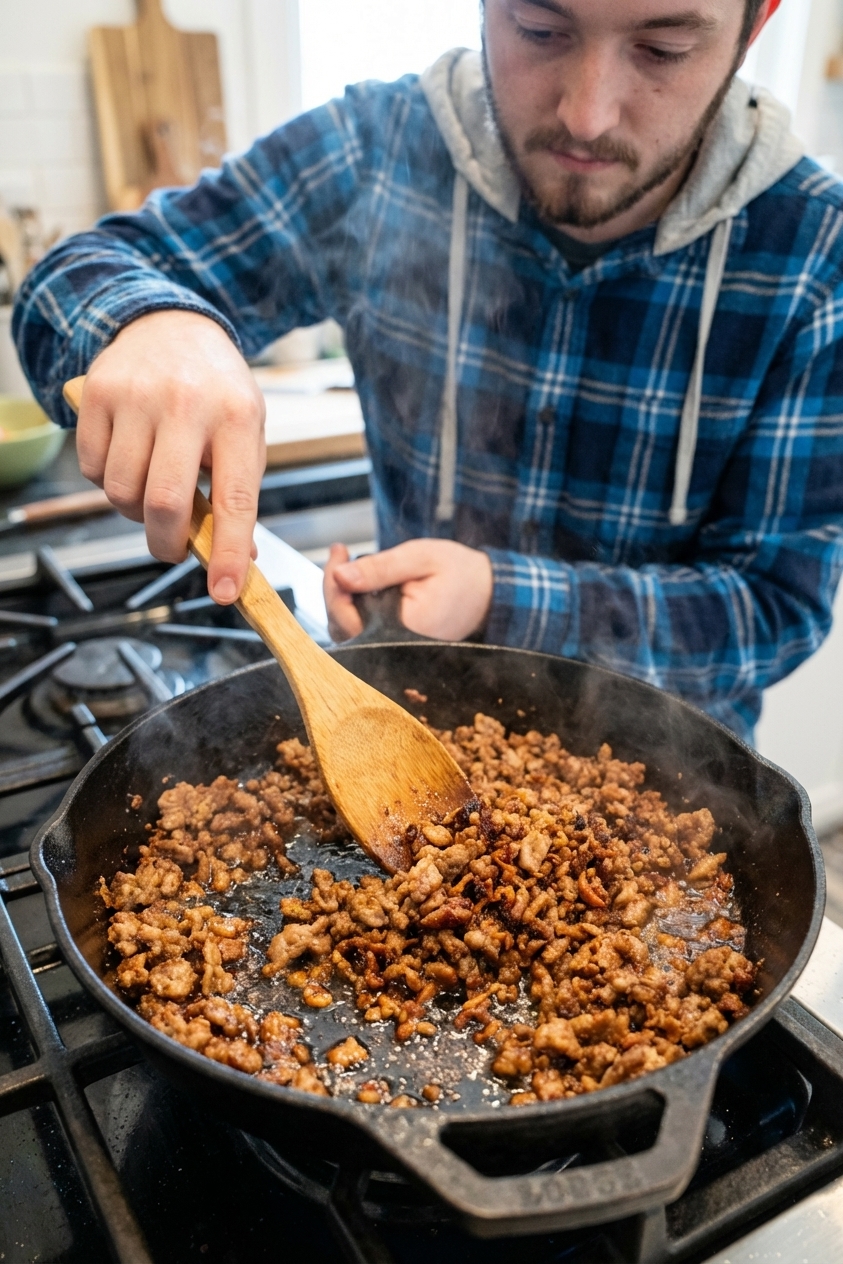
  • Fast, high reward: While the noodles boil, the pork cooks and the sauce gets whisked. Dinner lands fast.
  • Flexible heat: You control the chili oil, so it can be family-friendly spicy or full send.

Pairs Well With

Storage Tips

Dan dan noodles are best right after tossing, but leftovers can still be great if you store them smart.

How to store

  • Best move: Store the sauce, noodles, and pork topping in separate airtight containers if you can. They keep 3 to 4 days in the fridge.
  • If everything is already mixed, it will still keep 2 to 3 days, but the noodles will soak up sauce and soften.

How to reheat

  • Noodles: Microwave with a splash of water, covered, 30 to 60 seconds at a time. Or refresh quickly in hot water for 10 to 20 seconds, then drain well.
  • Pork: Warm in a skillet or microwave until just hot.
  • Fix the sauce: Stir in 1 to 2 teaspoons hot water, extra chili oil, or a little sesame paste to bring it back to glossy.

Freezing

  • Freeze the cooked pork topping up to 2 months.
  • Do not freeze cooked noodles. They get weird.

Common Questions

Is dan dan sauce supposed to be peanuty?

In many traditional Sichuan versions, it leans more sesame than peanut, but plenty of restaurant and home versions go peanuty. This recipe uses sesame paste, plus peanuts on top for crunch. If you want a stronger peanut vibe, swap half the sesame paste for smooth peanut butter.

What is the best substitute for Chinese sesame paste?

Tahini is the easiest swap. It is slightly more bitter and less toasted, so add an extra teaspoon of sugar or a small drizzle of toasted sesame oil to round it out.

Do I have to use Sichuan peppercorn?

You can skip it, but it is the thing that makes dan dan noodles taste like dan dan noodles. If you are unsure, start with 1/4 teaspoon ground and work up. It should tingle, not taste like soap.

What is ya cai, and do I need it?

Ya cai (often sold as sui mi ya cai) is Sichuan preserved mustard greens, and it is one of the defining flavors in classic dan dan pork. If you can find it, use it. If you cannot, this recipe uses fermented black beans as a weeknight-friendly stand in. Different vibe, still delicious.

How spicy is this?

Medium-hot as written. For mild, use 1 tablespoon chili oil and skip the extra chili crisp. For extra heat, add more chili oil and a spoonful of chili crisp right before serving.

What noodles should I use?

Chinese wheat noodles are classic. Lo mein noodles work great. In a pinch, spaghetti is totally acceptable. Just cook to a firm al dente so it holds up to the sauce.

The first time I made dan dan noodles at home, I expected good. I did not expect the pause mid-bite and stare at the bowl moment. It was the Sichuan peppercorn that got me. That weird, citrusy tingle makes the chili oil taste even louder, like the heat has surround sound.

Now it is my go-to when I want comfort food with a pulse. Cozy noodles, crisp pork bits, peanuts for crunch, and a sauce that forgives a little chaos. Taste as you go, adjust the heat, and make it yours. And if you can get your hands on ya cai, do it. It adds that salty, funky depth that makes the whole bowl feel extra legit.