Mom's Best Recipes
Recipe

Signature Beef Philly Cheesesteak

Fluffy rolls, moist shaved steak, melty provolone, and onions cooked just right. This is the weeknight cheesesteak that tastes like you meant it.

Author By Matt Campbell
4.8
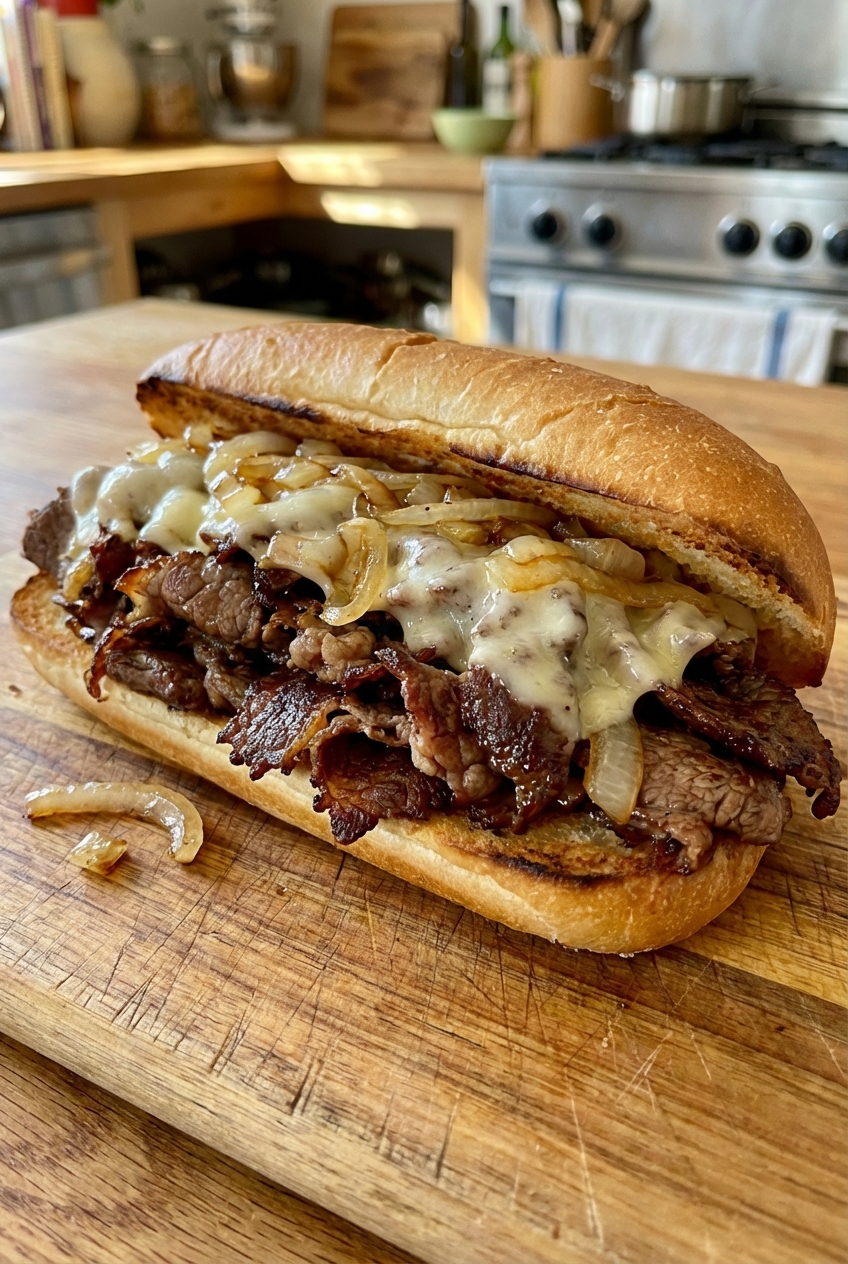
A real photo of a beef Philly cheesesteak on a toasted hoagie roll with melted provolone, sautéed onions, and crispy browned edges on the steak, sitting on a wooden cutting board

If a cheesesteak has ever let you down, it is usually for two reasons: the meat went dry, or the bread collapsed into a sad, soggy canoe. We are fixing both. This signature beef Philly cheesesteak is built around two simple goals: moist steak with browned edges, and a fluffy roll that stays tender while still holding the whole operation together.

My method is very “friend in your kitchen” energy: hot pan, quick cook, a simple steam trick for the bread, and cheese melted directly onto the meat so every bite feels glued together in the best way. No fancy gadgets, no twenty-ingredient detours, just a cheesesteak that hits hard on a Tuesday.
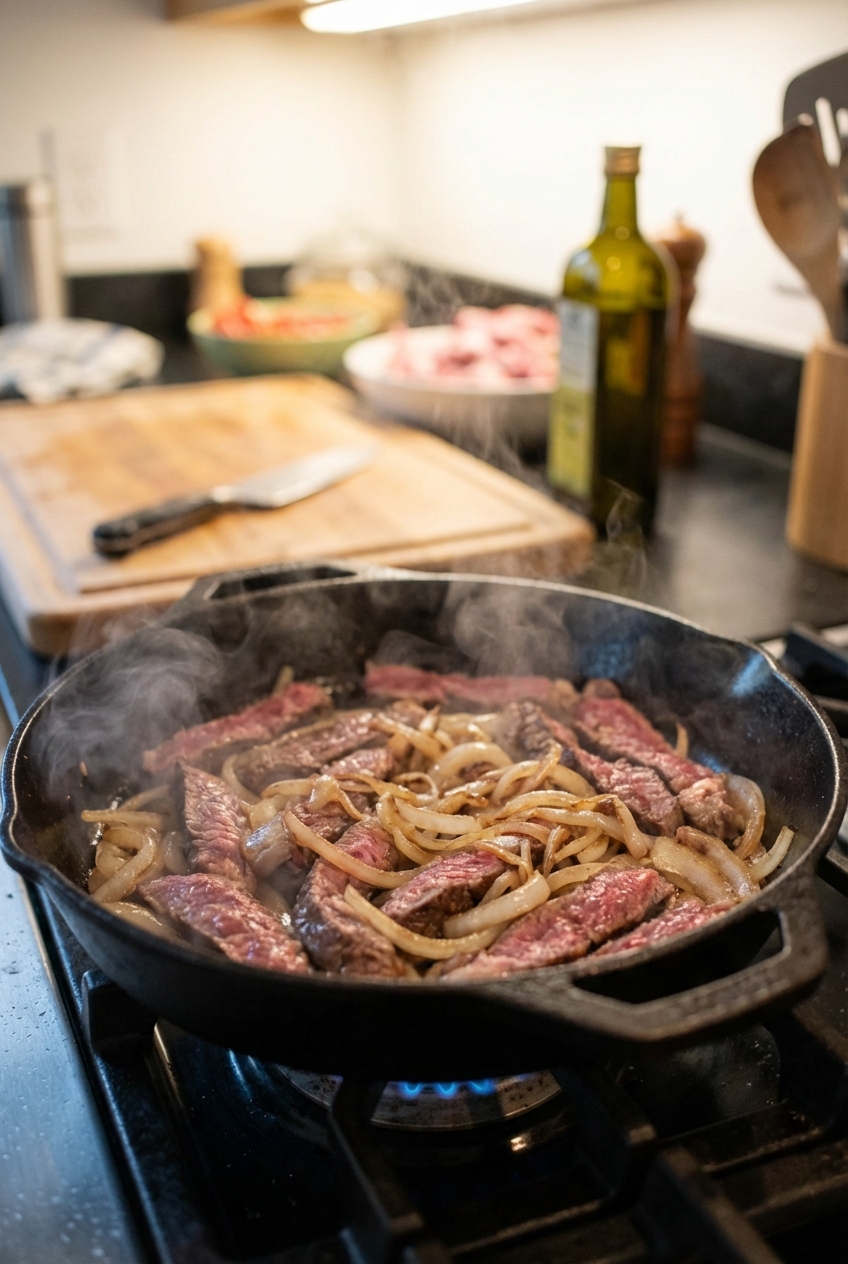
A real photo of thinly sliced ribeye cooking in a hot skillet with sautéed onions, showing steam rising

Why It Works

  • Moist, tender beef: Using shaved ribeye or very thin sliced sirloin and cooking fast over high heat keeps it juicy. A tiny splash of stock at the end gives you that steamy, succulent finish without turning the meat gray.
  • Crisp edges, not rubber: We let the beef sit untouched for short bursts so it actually browns instead of steaming in its own juices.
  • Fluffy, not soggy rolls: A quick toast plus a brief steam under a lid makes the inside soft while the cut sides stay sturdy.
  • Cheese that melts like it means it: Provolone goes on top of the beef, then gets a lid moment to melt into the nooks and crags.

Pairs Well With

Storage Tips

Keep It Good Tomorrow

Cheesesteaks are best hot and fresh, but leftovers can still be a win if you store smart.

How to store

  • Store meat and onions separately from the rolls if possible. Airtight containers, refrigerator, up to 3 days.
  • Wrap rolls in foil or a zip-top bag so they do not dry out.

How to reheat (best options)

  • Skillet method (best texture): Warm the beef and onions in a skillet over medium heat with a splash of water or beef stock. Cover for 30 to 60 seconds to re-steam, then uncover to bring back a little sizzle. Add cheese at the end.
  • Oven method (good for multiple sandwiches): Spread meat and onions on a sheet pan, cover with foil, bake at 350°F for 8 to 10 minutes. Add cheese for the last 1 to 2 minutes. Toast rolls separately.
  • Microwave (fastest): Use 50 to 70 percent power, cover, and add a teaspoon of liquid so the beef does not toughen.

Freezing

You can freeze the cooked beef and onions for up to 2 months. Thaw overnight in the fridge. I do not recommend freezing assembled sandwiches unless you enjoy bread that forgets how to be fluffy.

Common Questions

Common Questions

What cut of beef is best for a Philly cheesesteak?

Ribeye is the classic because it stays juicy and flavorful. If you want something leaner, use top sirloin but slice it very thin and avoid overcooking. The real secret is not the cut, it is thin slicing and fast, hot cooking.

How do I get the beef sliced super thin at home?

Freeze the steak for 30 to 45 minutes until it is firm but not rock solid, then slice across the grain with a sharp knife. If your store sells shaved steak, grab it and call it self-care.

Provolone, American, or Cheez Whiz?

All are legit depending on the vibe. This recipe uses provolone for a clean melt and a little tang. American gets you extra creamy melt. Cheez Whiz is pure nostalgia. You can swap without changing the method.

Can I add peppers or mushrooms?

Absolutely. Just cook them before the beef, remove from the pan, then bring them back at the end so the meat still browns properly.

Why did my cheesesteak turn out dry?

Usually one of these: the pan was not hot enough, the beef was sliced too thick, or it cooked too long. High heat, thin slices, and a quick finish with a small splash of liquid fixes most issues.

What makes the rolls fluffy but not soggy?

Toast the cut sides, then do a quick steam under a lid for 30 seconds. That softens the interior while the toasted surface stays sturdy. The easiest way is to steam the rolls right after the cheese melts, using the same lid you already have in your hand.

The first time I tried to make a cheesesteak at home, I did what a lot of us do. I cooked the beef too long because I was waiting for it to “look done,” and I built the sandwich on a roll that had the structural integrity of a paper towel. It tasted fine, but it did not have that hot, melty, juicy magic you get when someone behind a flat-top actually knows what they are doing.

After a few rounds of trial and error, I realized the fix was simple: cook in quick stages, let the beef brown, melt the cheese with a lid, and treat the bread like it matters. Now this is one of my favorite “I need comfort but I also need dinner in 20 minutes” meals. It is forgiving, a little messy, and extremely worth the napkin situation.