Mom's Best Recipes
Recipe

Signature Sponge Cake

Light, lofty, and boldly flavored with browned butter, vanilla, and bright citrus zest. This is the sponge cake that makes simple berries feel like a full event.

Author By Matt Campbell
4.8
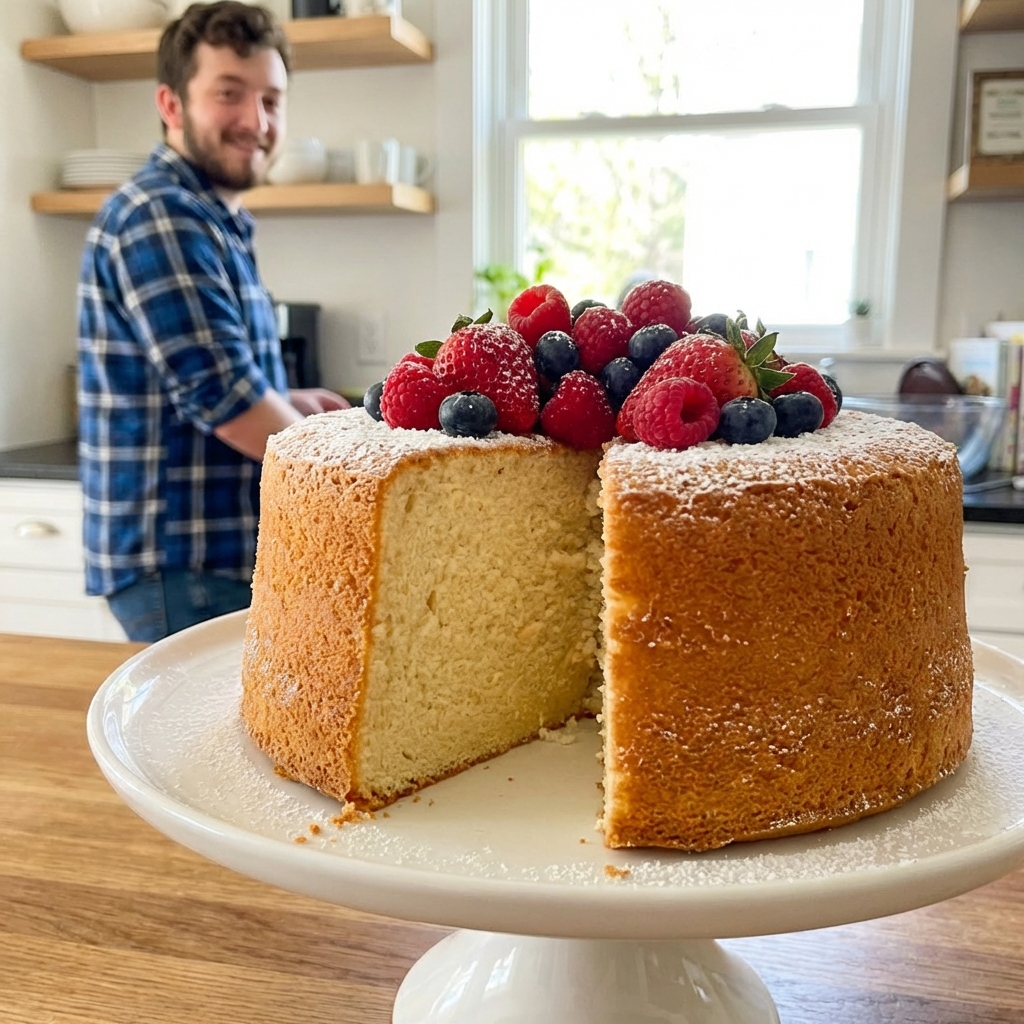
A tall golden sponge cake on a cake stand with a slice removed, showing a fluffy crumb, topped with powdered sugar and fresh berries

If you have ever had sponge cake that tastes like… air, I get it. Sponge cake has a reputation for being polite. This one is not. This is my signature sponge cake recipe for when you want that classic, cloud-soft crumb, but you also want flavor that shows up and says hello.

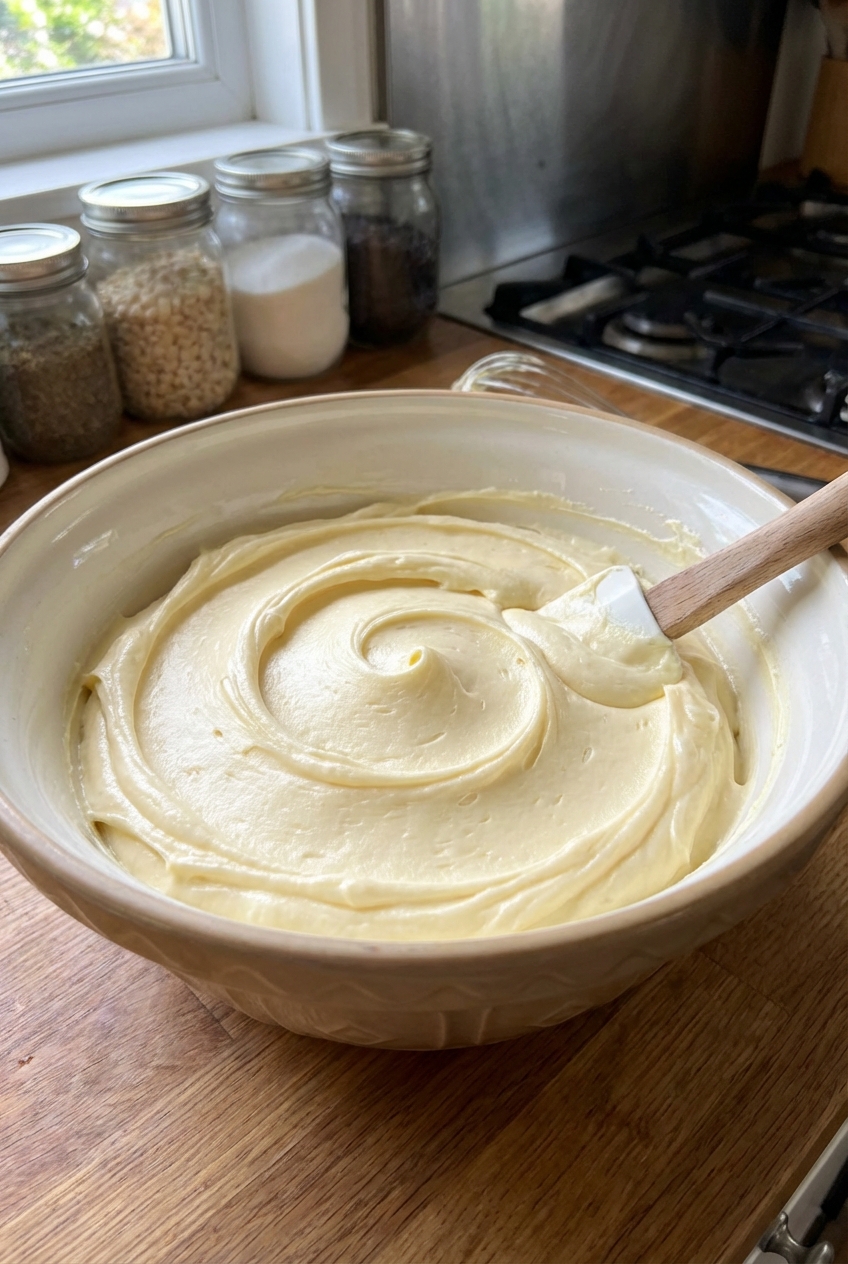
Here is the move: we build the batter like a traditional sponge with whipped eggs for lift, then we sneak in browned butter for a toasty, almost hazelnut vibe, plus vanilla and citrus zest for that bright, bakery-level aroma. The result is light enough for layered cakes, sturdy enough to soak up syrup, and tasty enough to eat plain over the sink. No judgment.

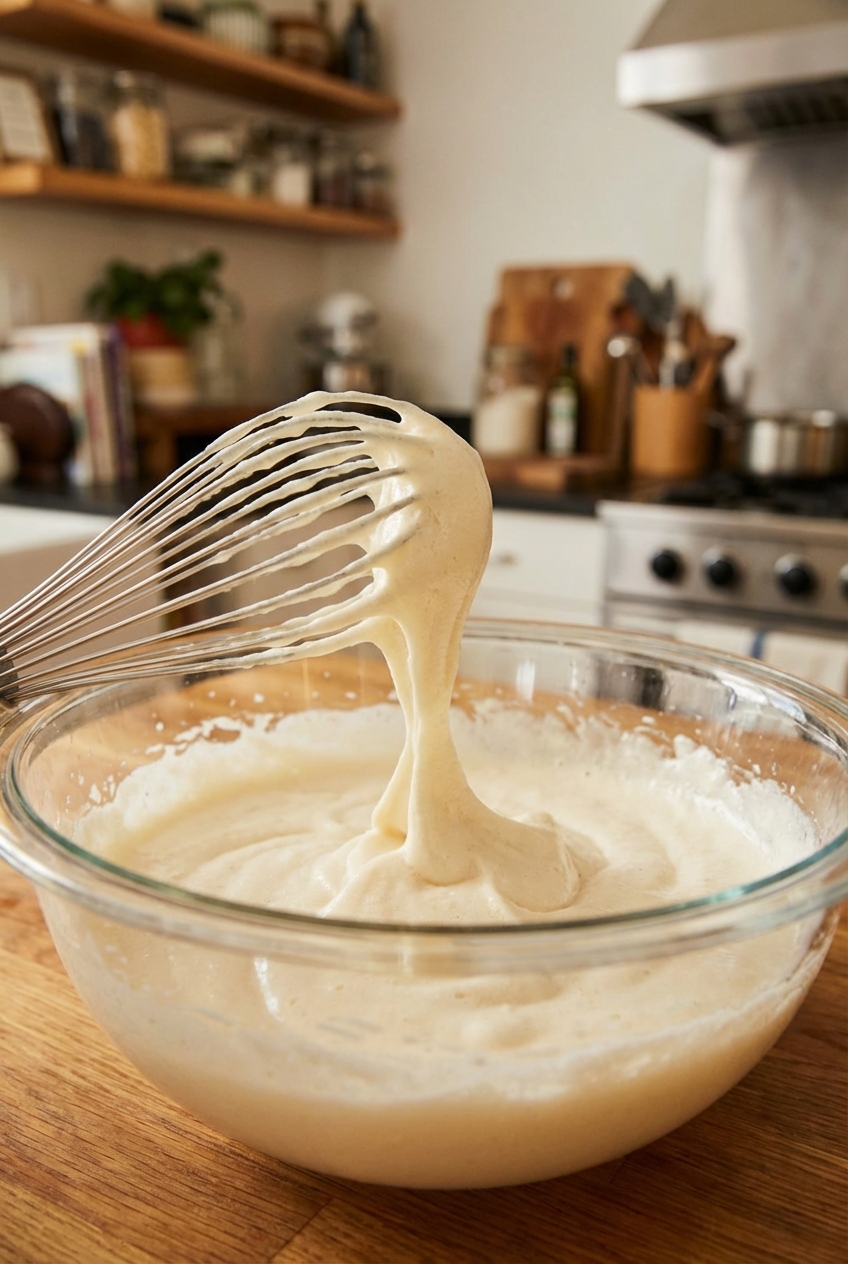
A mixing bowl with pale whipped eggs and sugar at ribbon stage, with a whisk resting on the side

Why It Works

  • Big lift, zero drama: Whipped whole eggs give you a tall, springy crumb without separating eggs.
  • Bold flavor in a classic format: Browned butter adds depth, while vanilla and lemon or orange zest keep it fresh.
  • Flexible for real life: Bake it as two 8-inch layers, one taller springform cake you can slice, or a sheet for trifles and snack cakes.
  • Stays tender: A touch of oil and the right folding technique help prevent the dry, spongy sponge situation.

Pairs Well With

Storage Tips

Keep It Fluffy

  • Room temperature: Wrap the cooled cake tightly in plastic wrap, then keep in an airtight container for up to 2 days.
  • Refrigerator: If filled or topped with dairy, refrigerate up to 4 days. Let slices sit at room temp 20 to 30 minutes before serving for the best texture.
  • Freezer: Wrap layers tightly in plastic wrap, then foil. Freeze up to 2 months. Thaw still wrapped at room temp to prevent condensation from making the surface sticky.
  • Pro tip: Sponge cake loves a simple soak. If it feels a little dry on day two, brush slices with a quick syrup (equal parts sugar and water, warmed until dissolved, plus citrus juice).

Common Questions

Common Questions

Is sponge cake the same as chiffon or angel food?

Not exactly. This sponge cake uses whipped whole eggs for lift, with a bit of fat for flavor and tenderness. Angel food has no yolks or fat, and chiffon usually includes more oil and chemical leavening for extra softness.

Why did my sponge cake sink?

Most common causes are under-whipping the eggs, over-folding (you knocked out too much air), or opening the oven early. Also make sure your oven is properly preheated and you bake until the top springs back. If you baked it in a deeper pan, give it the extra time it needs so the center sets.

My sponge is dense or a little rubbery. What happened?

Usually it is one of these: the eggs never reached ribbon stage, the flour got folded in too aggressively, or the butter mixture was too hot and deflated the batter. This cake is fragile in the mixing stage. Be gentle and do not rush the whip.

Can I make this as a layer cake?

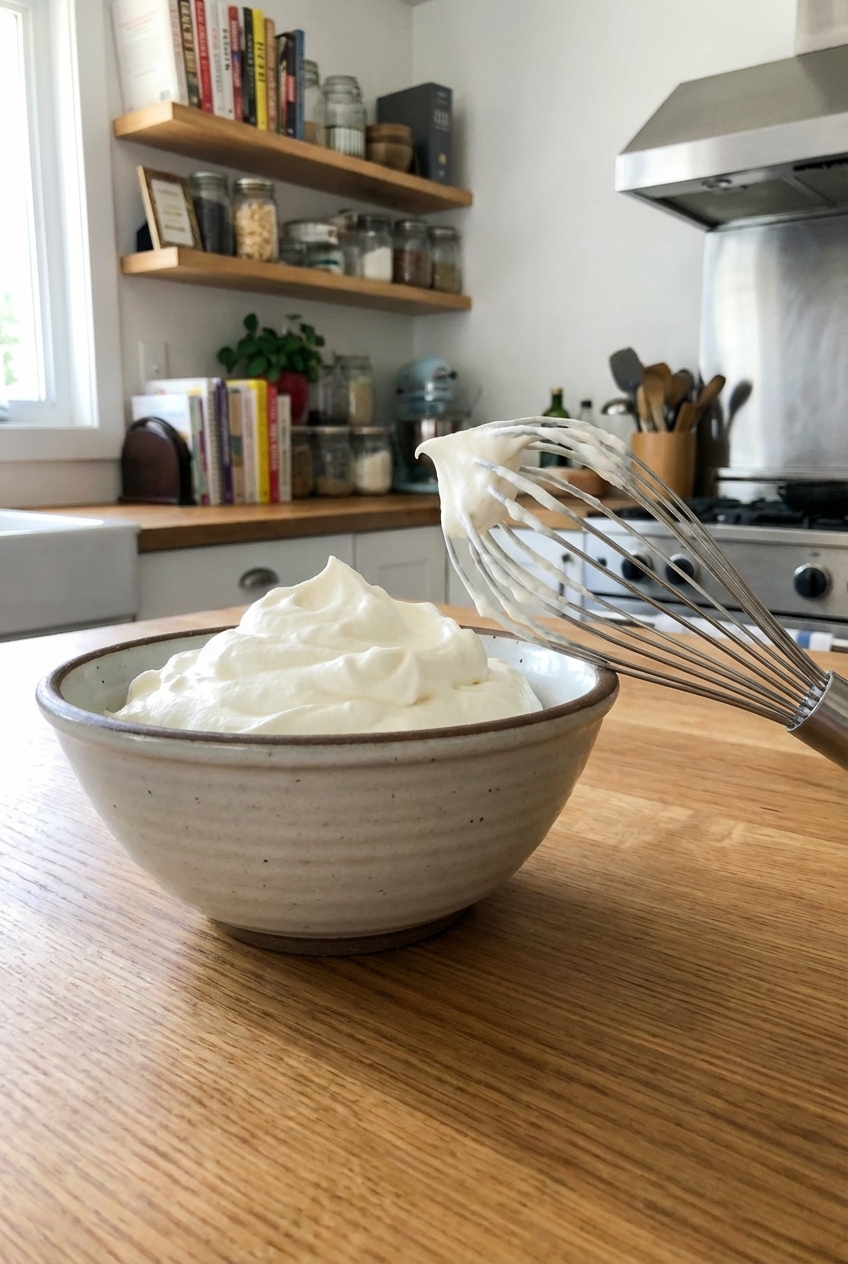
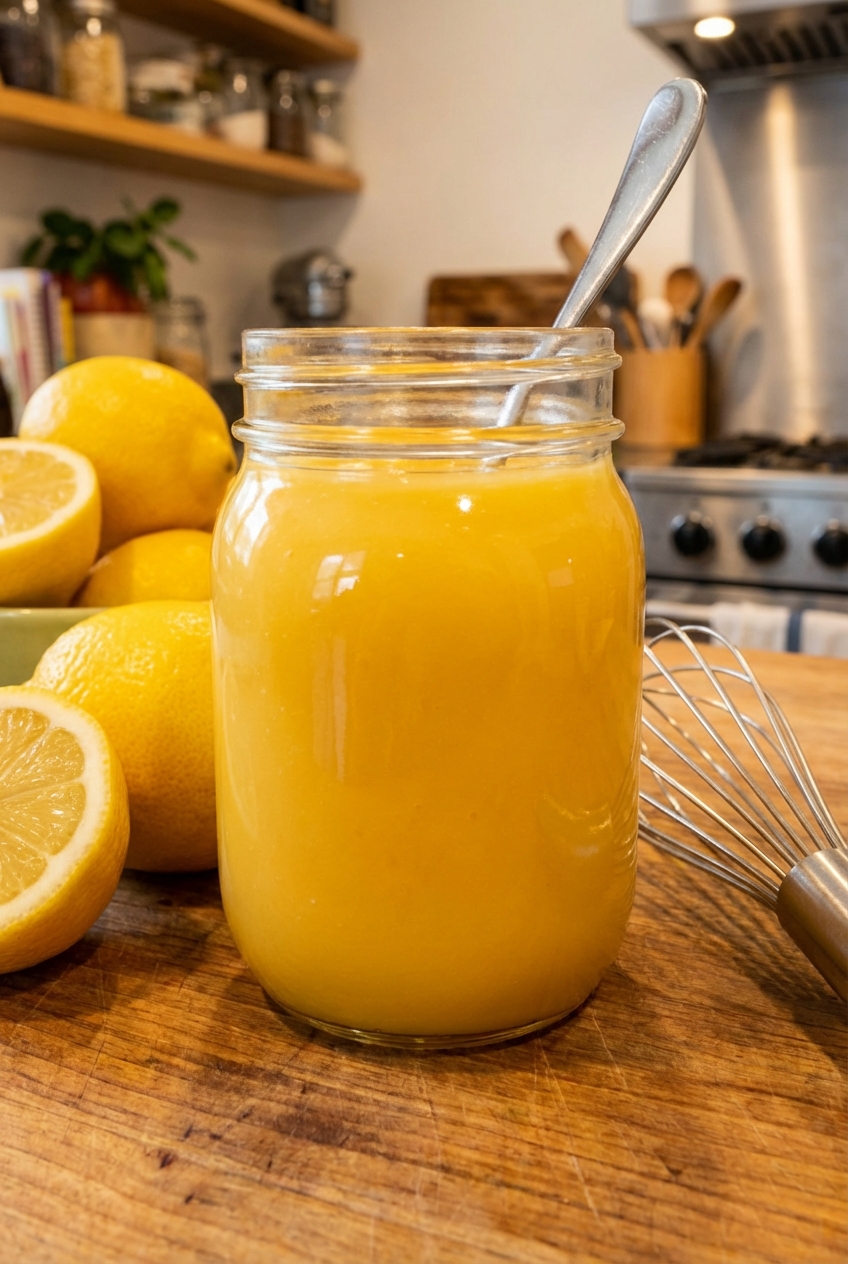
Yes. Bake it in two 8-inch pans for thinner layers, or bake one taller cake and slice it into layers once fully cool. It pairs beautifully with whipped cream, jam, curd, or a light buttercream.

Do I have to brown the butter?

No, but it is the signature move here. If you skip it, use melted unsalted butter and consider adding a tiny pinch more salt and zest to keep the flavor bold.

How do I know when the eggs are whipped enough?

You are looking for the ribbon stage. Lift the whisk and the batter should fall in thick ribbons that sit on the surface for a few seconds before dissolving back in.

Can I swap the citrus?

Absolutely. Lemon is bright and classic. Orange is warmer. You can also use lime zest for a punchier vibe, especially if you are serving with berries.

How do I know when it is baked through?

The top should be golden and spring back when lightly pressed. A toothpick should come out clean. For extra certainty, aim for an internal temp around 205 to 210°F (96 to 99°C) in the center.

This cake is what I bake when I want something that looks like I tried hard, even if I was kind of winging it. The first time I browned butter for a sponge, I did it because I was bored with “nice” cake. I wanted that warm, nutty aroma that makes people wander into the kitchen like cartoon characters floating toward a pie. Now it is my go-to for birthdays, potlucks, and those random Tuesdays when you just need a slice of something soft, golden, and unapologetically flavorful.