FAQ
How do I keep yogurt sauce from curdling?
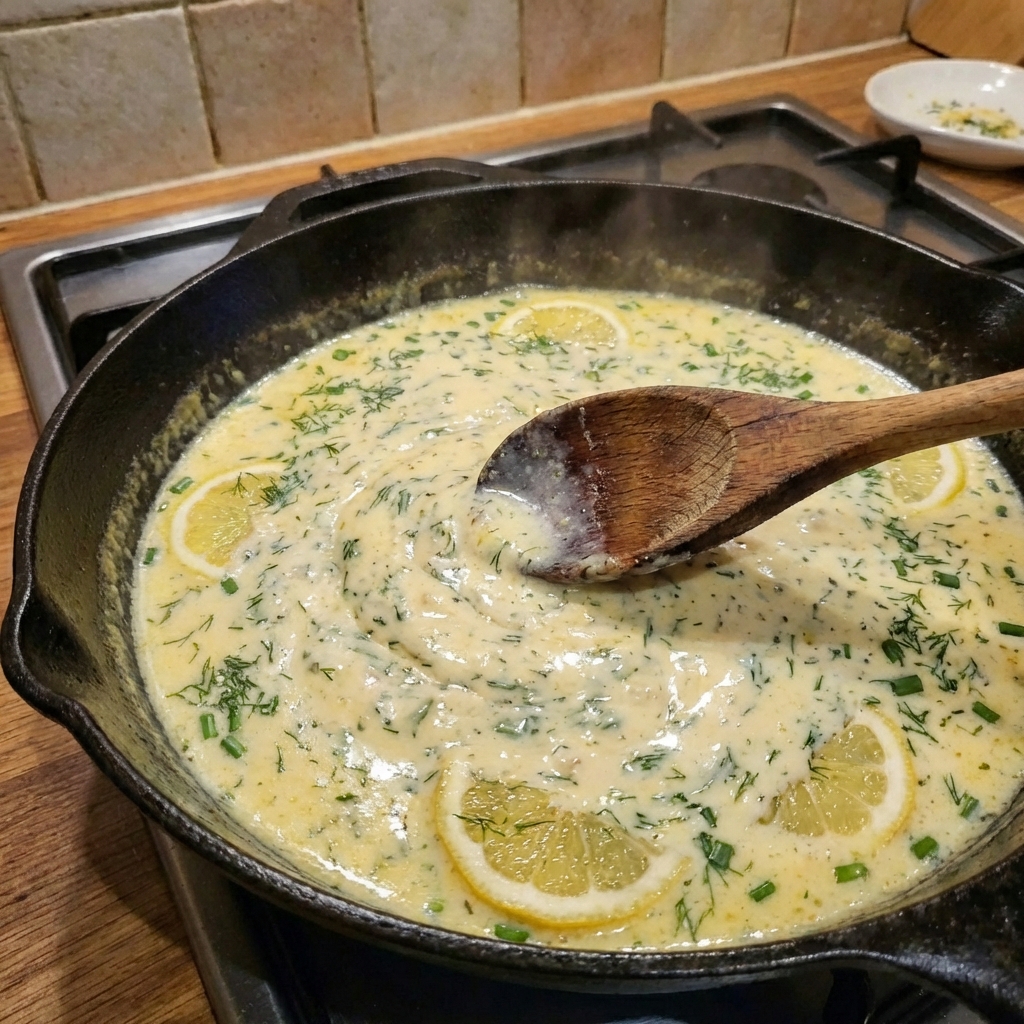
Two things: temper the yogurt (mix a little hot pan liquid into it first) and keep the skillet on low heat when the yogurt goes in. The goal is a warm, steamy sauce, not a boil. If it starts looking grainy, pull it off the heat and whisk in a tablespoon or two of warm water or broth. It may smooth out somewhat, but prevention is the real win here.
Can I use chicken thighs instead of breasts?
Yes. Boneless skinless thighs are great here. They usually take a few extra minutes to cook through. Aim for 165°F internal temp and use a thermometer when you can. (Thighs have more wiggle room, but 165°F keeps things simple.)
Is this recipe actually healthy?
It is a solid balance: lean protein, a high-protein sauce from Greek yogurt, and lots of flavor from herbs and citrus instead of a cream-based sauce. If you are watching sodium, use low-sodium broth and season to taste at the end.
What can I use instead of Greek yogurt?
Plain, unsweetened Greek yogurt is best for a thick, smooth sauce. Whole milk plain yogurt works, but the sauce will be thinner. Sour cream works too, but it is tangier and richer. If you can, avoid nonfat yogurt here since it is more prone to splitting.
My sauce looks thin. How do I thicken it?
With yogurt sauces, heavy simmering and reduction can raise the risk of splitting. Safer options: whisk in an extra spoonful of Greek yogurt off heat, or use a quick cornstarch slurry. For the slurry, mix 1 teaspoon cornstarch with 1 teaspoon water, whisk it into the sauce, then warm on low until it reaches a gentle simmer (just a couple of bubbles) so the starch activates. Note: starch can slightly mute the lemony brightness, so you may want an extra squeeze of lemon at the end.