Mom's Best Recipes
Recipe

Silky Savory Squash Puree

A smooth, cozy, savory squash puree with garlic, herbs, and a bright finish. Perfect as a side, a pasta sauce starter, or the base for bowls and braises.

Author By Matt Campbell
4.8

There is something deeply satisfying about turning a humble squash into a pot of velvet. This is my go-to savory squash situation when I want comfort without heaviness: roasted squash for sweetness, sautéed aromatics for depth, and just enough acid at the end to make the whole thing pop.

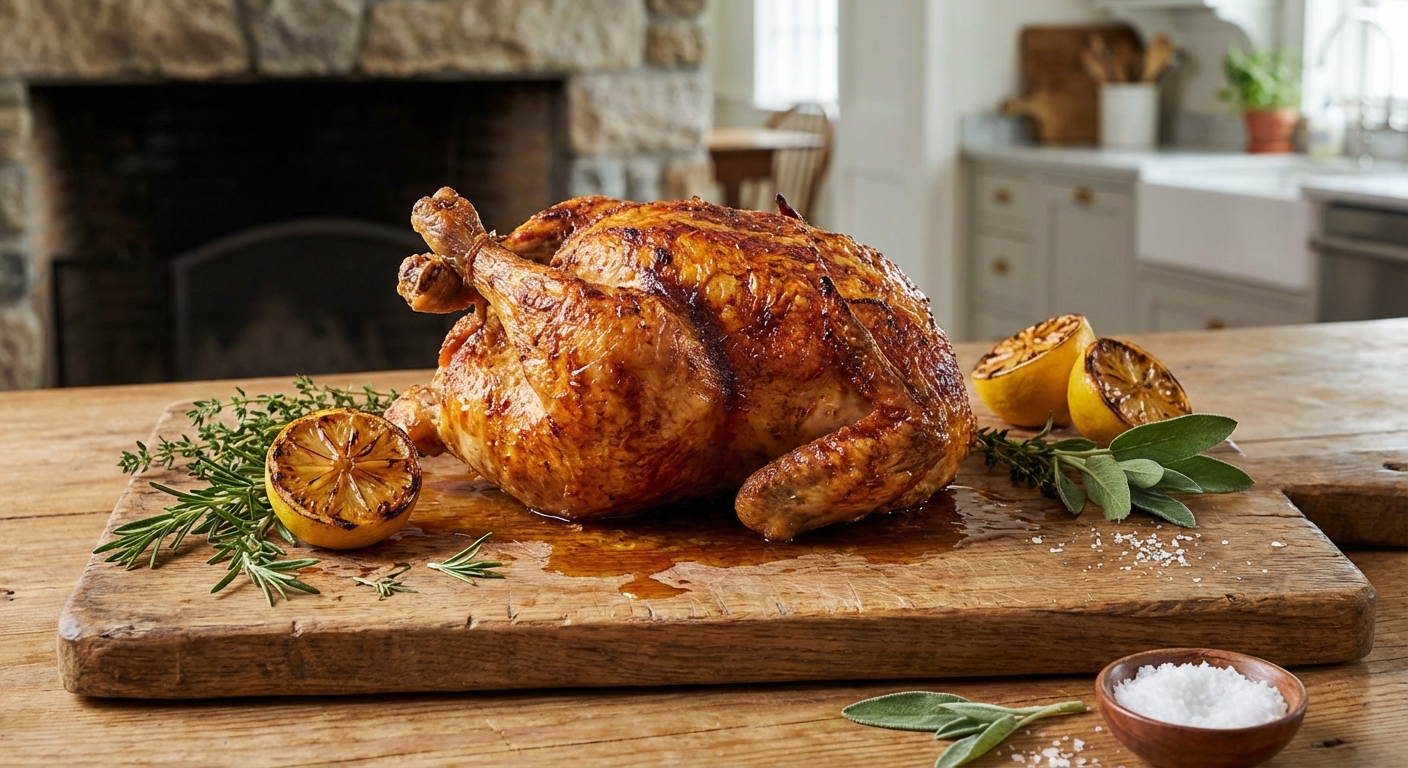
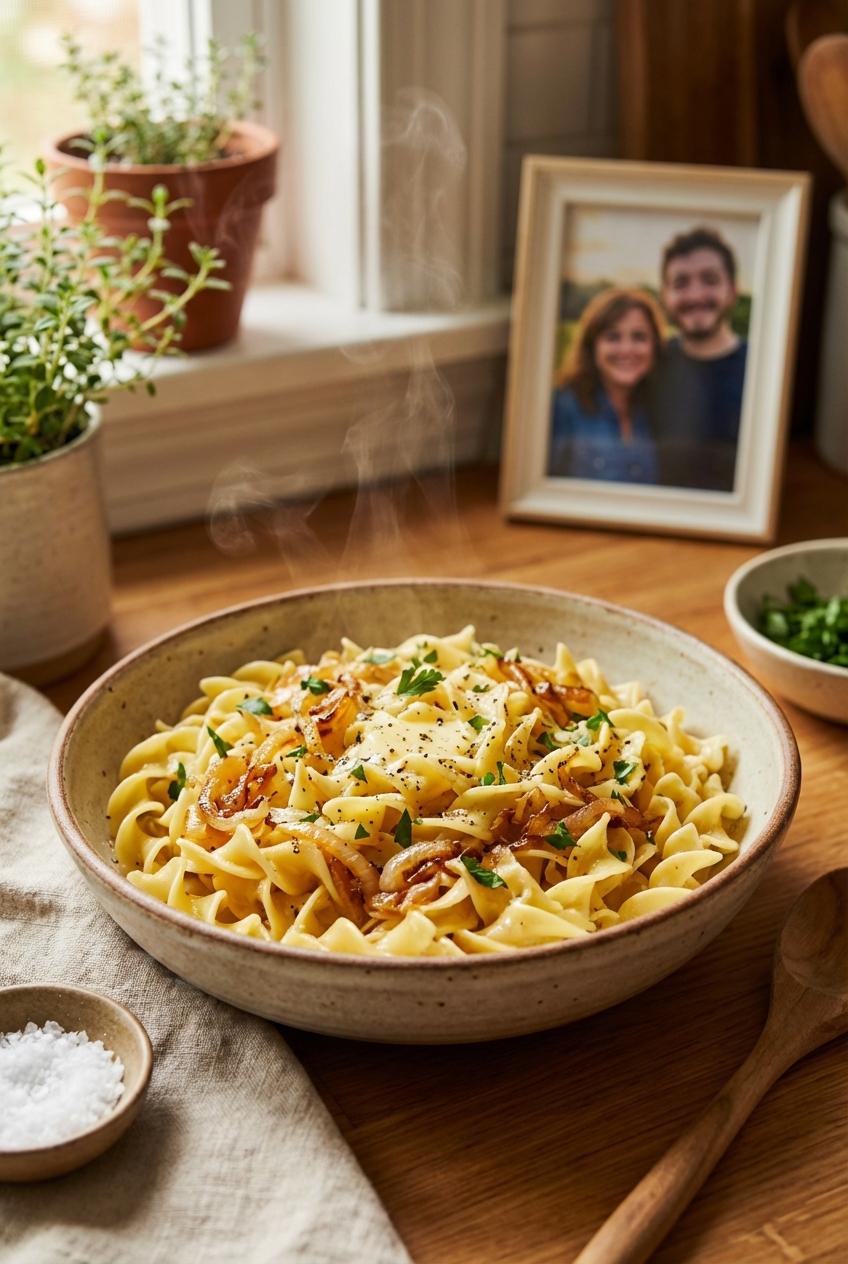
It eats like a side dish, but it behaves like a kitchen secret weapon. Spoon it under roasted chicken, swirl it into pasta, thin it into soup, or use it as the orange-gold base for a grain bowl. The vibe is relaxed. The results are quietly impressive.
Why It Works

  • Roasting concentrates flavor so you get natural sweetness and caramelized edges without adding sugar.
  • Sautéed onion and garlic build savory backbone, keeping the puree firmly in dinner territory.
  • Blending with warm stock makes it silky and lets you control thickness from spoonable to sauce-like.
  • A bright finish (lemon or vinegar) wakes up the squash so it tastes balanced, not flat.

Pairs Well With

Storage Tips

How to Store Leftovers

  • Refrigerate: Cool completely, then store in an airtight container for up to 4 days.
  • Freeze: Portion into freezer containers or zip-top bags (press flat for quick thawing). Freeze up to 3 months.
  • Reheat: Warm gently in a saucepan over low heat, stirring often. Add a splash of stock, water, or milk if it thickens.
  • Best texture tip: If it looks slightly grainy after thawing, hit it with an immersion blender for 10 to 15 seconds. Back to silky.

Common Questions

Common Questions

What kind of squash works best?

Butternut is the smoothest and most reliable. Kabocha is richer and a little nuttier. Acorn works too, but can be more fibrous, so blend a bit longer and add extra stock as needed.

Do I have to peel the squash?

Not for roasting. Roast halved squash cut-side down, then scoop out the flesh. It is faster and less dramatic than wrestling with a raw butternut.

How do I make it extra smooth?

Use a high-powered blender if you have one, and blend while the squash is still warm. Add warm stock gradually. Also, do not skip the fat (butter or olive oil) because it helps with that silky mouthfeel.

Can I make it dairy-free?

Yes. Use olive oil instead of butter. For richness, you can blend in a spoonful of tahini or a splash of full-fat coconut milk (it will add a gentle coconut note).

How do I turn this into soup?

Thin it with more stock until pourable, simmer 5 minutes, then taste and adjust salt and acid. Optional: add a pinch of chili flakes or curry powder for a different lane.

I started making versions of this when I realized I kept craving “something cozy” but did not want another heavy casserole situation. The first time I nailed it, it was honestly an accident. I roasted the squash a little too long, got those deep caramelized edges, and blended it with sautéed onion, garlic, and a splash of stock. I took one bite and did the classic kitchen thing: standing at the counter, spoon in hand, pretending I was just tasting for seasoning while actually eating dinner.

Now it is my reliable move for weeknights and holidays alike. It looks elegant, it tastes like you tried, and it is forgiving if you are the type to eyeball the garlic. Which I am.