Mom's Best Recipes
Recipe

Decadent Peach Cobbler

A silky, smooth peach cobbler with a buttery vanilla batter that bakes up golden at the edges and custardy underneath. Big cozy energy, minimal drama.

Author By Matt Campbell
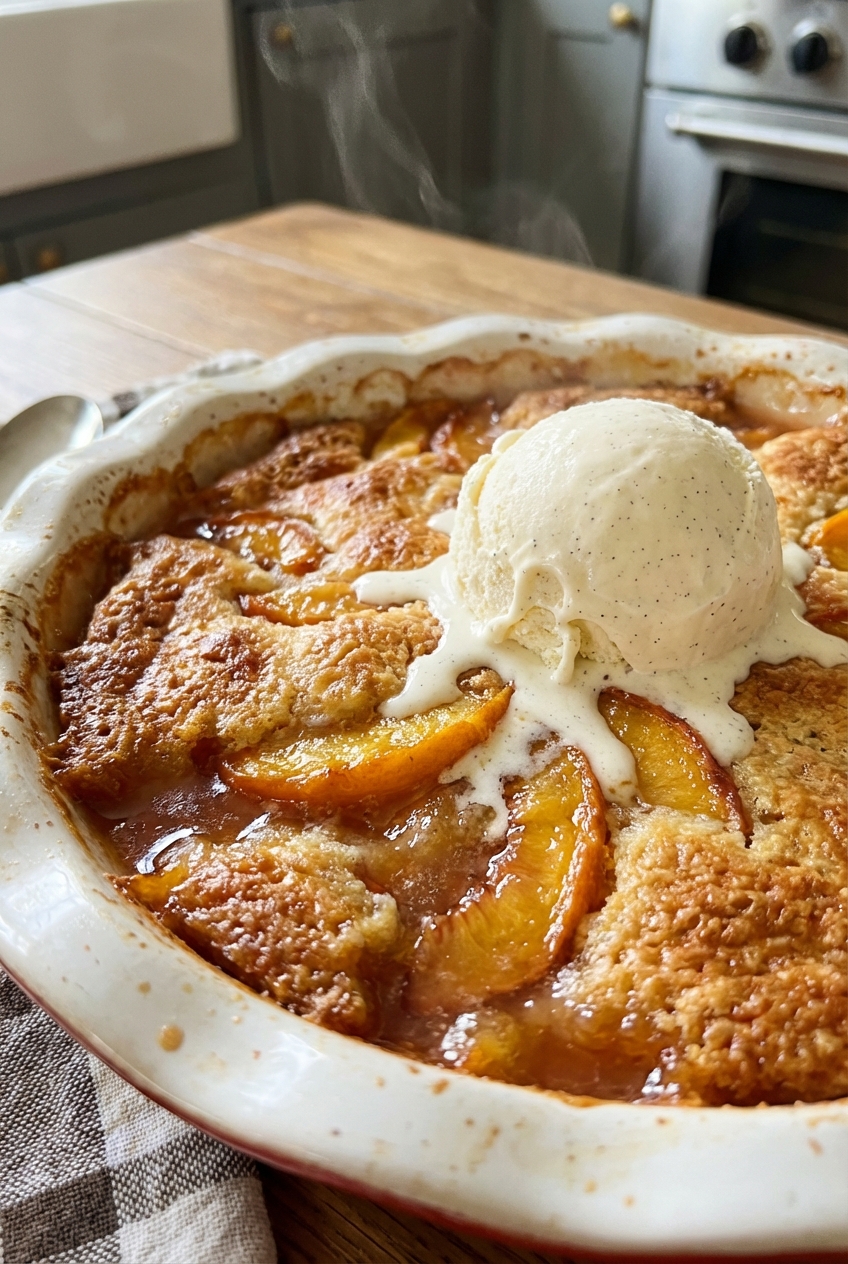
A close-up photograph of a golden peach cobbler in a white baking dish with bubbling fruit and a scoop of vanilla ice cream melting on top

This is the cobbler for when you want the whole house to smell like butter and vanilla, and you also want dessert to feel like a warm blanket. The goal here is silky and smooth, not dry and crumbly. We do that with a juicy peach filling that turns glossy and spoonable, plus a simple batter that bakes into a tender, almost custardy layer under those crisp golden edges.

It is approachable, pantry-friendly, and forgiving. Use fresh peaches when they are perfect, or frozen when life is loud. Either way, you are about to pull a bubbling dish from the oven that makes people hover in the kitchen like it is their job.
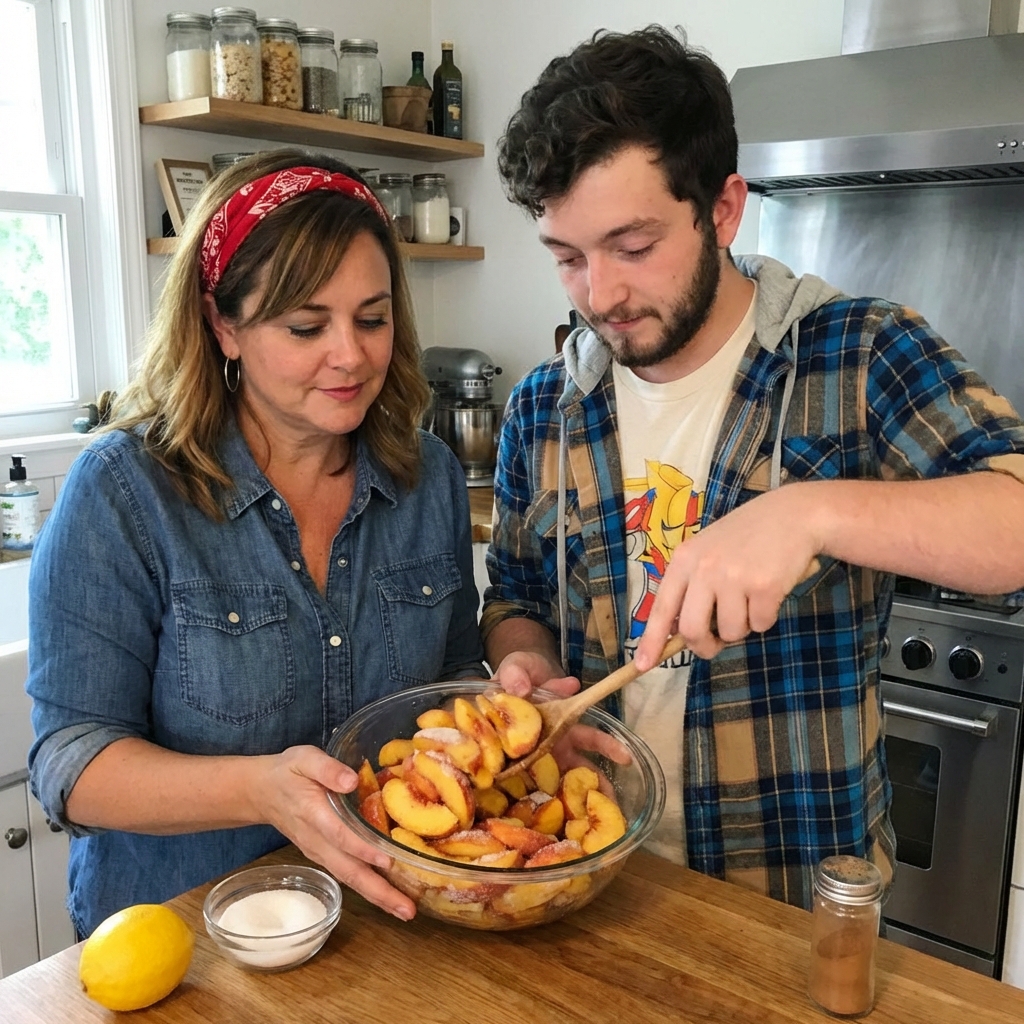
A photograph of sliced peaches tossed in a glass bowl with sugar, lemon juice, and cinnamon

Why It Works

  • Silky filling: A quick stovetop simmer thickens the juices so the fruit turns glossy instead of watery.
  • Smooth, tender cobbler: Melted butter plus hot baking dish gives you crisp edges while the center stays soft.
  • Bright flavor: Lemon and vanilla keep the sweetness from getting heavy.
  • Accessible ingredients: Nothing weird, no specialty flours, no fancy techniques.

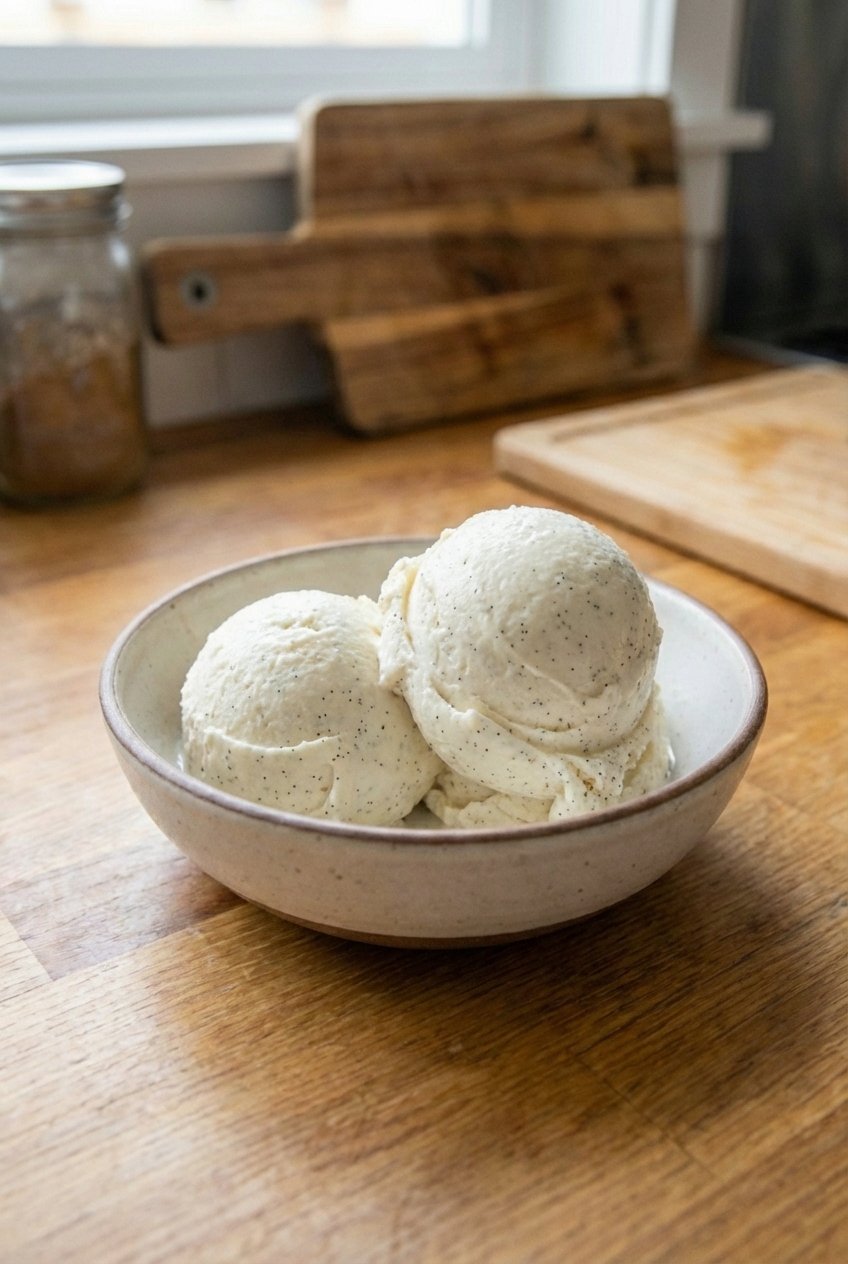
Pairs Well With

Storage Tips

Fridge: Cover the baking dish or transfer to an airtight container. Refrigerate up to 4 days.

Reheat: For the best texture, warm in a 350°F oven for 10 to 15 minutes until the edges crisp back up. Microwave works for speed, but the topping will stay softer.

Freeze: You can freeze cobbler, but the topping will soften after thawing. Freeze portions tightly wrapped up to 2 months. Thaw overnight in the fridge, then reheat in the oven.

Common Questions

Can I use canned peaches?

Yes. Drain them well, then reduce the added sugar in the filling by about 2 tablespoons. Canned fruit is already sweet and soft, so keep the stovetop simmer brief, just long enough to thicken.

Fresh vs frozen peaches, which is better?

Fresh peaches bring the best aroma when they are in season. Frozen peaches are the most consistent. If using frozen, do not thaw. Toss them straight into the saucepan and plan on 2 to 3 extra minutes to reach that glossy, lightly thickened finish.

Why do I need to cook the filling first?

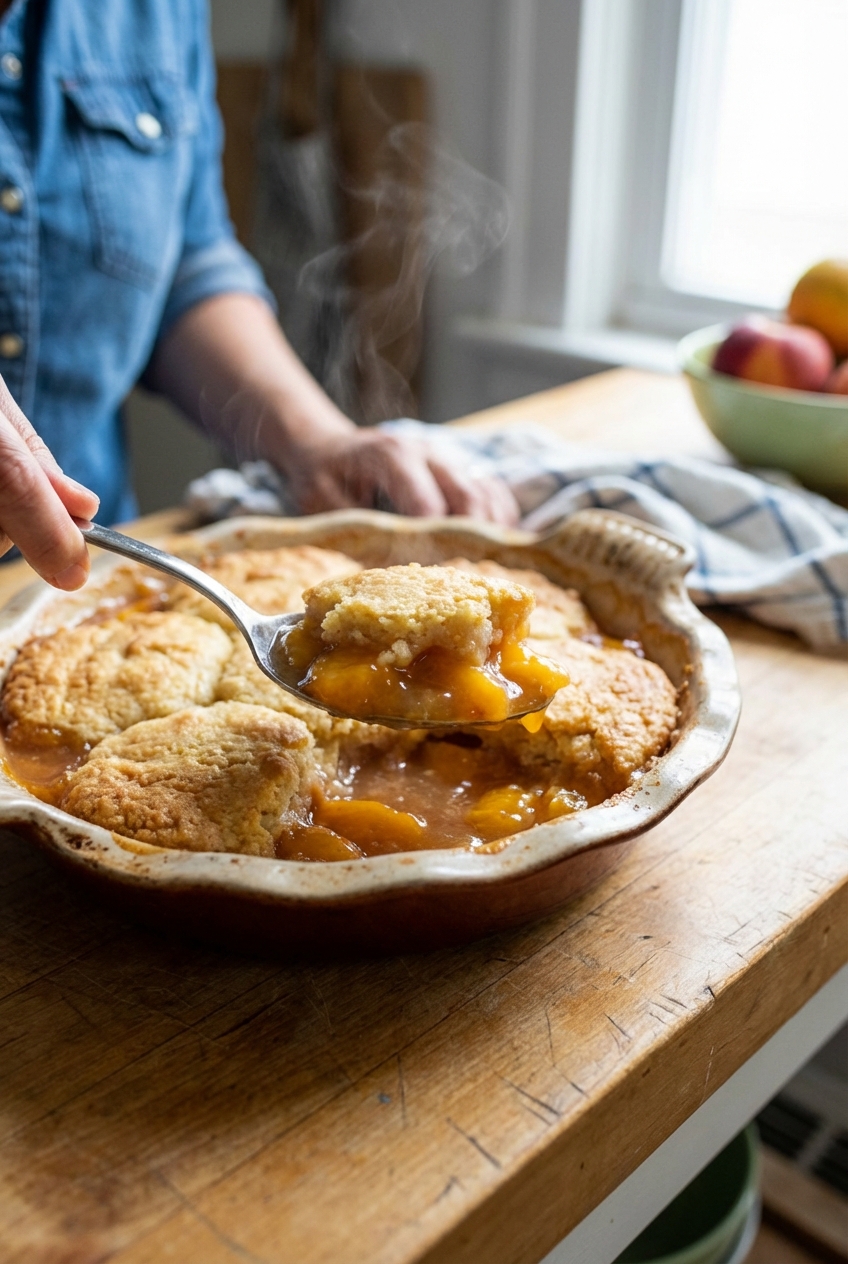
Because we are chasing silky. Cooking the fruit briefly dissolves the sugar and thickens the juices, so the cobbler sets up spoonable instead of watery. It also helps the topping bake up tender rather than getting weighed down by excess liquid.

My cobbler topping turned cakey. What happened?

Most often it is overbaking or too much flour. Pull it when the top is golden, the center looks set (not wet or jiggly), and a toothpick in the topping comes out with a few moist crumbs. Also, measure flour by spooning into the cup and leveling.

Can I add spices or swap the fruit?

Absolutely. Blueberries, blackberries, cherries, or a mix all work. Keep the total fruit amount the same. Add nutmeg, cardamom, or ginger if you want a little extra personality.

What if I do not have a 9x13-inch pan?

A similar 3-quart baking dish works. If your dish is smaller and deeper, it may take a little longer to bake through. If you use an 8x8 or 9x9 pan, consider halving the recipe to avoid overflow.

I love ambitious cooking, but cobbler is where I go when I want comfort with zero performance anxiety. The first time I tried to make a “quick” cobbler, I dumped raw fruit under batter and crossed my fingers. It tasted fine, but it was more like peach soup with a hat. So I started simmering the filling for a few minutes first, just enough to turn it glossy and controlled. That tiny step is the difference between good and wait, why is this so smooth? cobbler. This is the version I make when friends are hanging in the kitchen and I want dessert to do the heavy lifting.