Mom's Best Recipes
Recipe

Simple Plantain Recipe

Ripe plantains simmered until tender, then turned into a buttery, cinnamon-kissed puree that is cozy, glossy, and surprisingly versatile.

Author By Matt Campbell
4.8
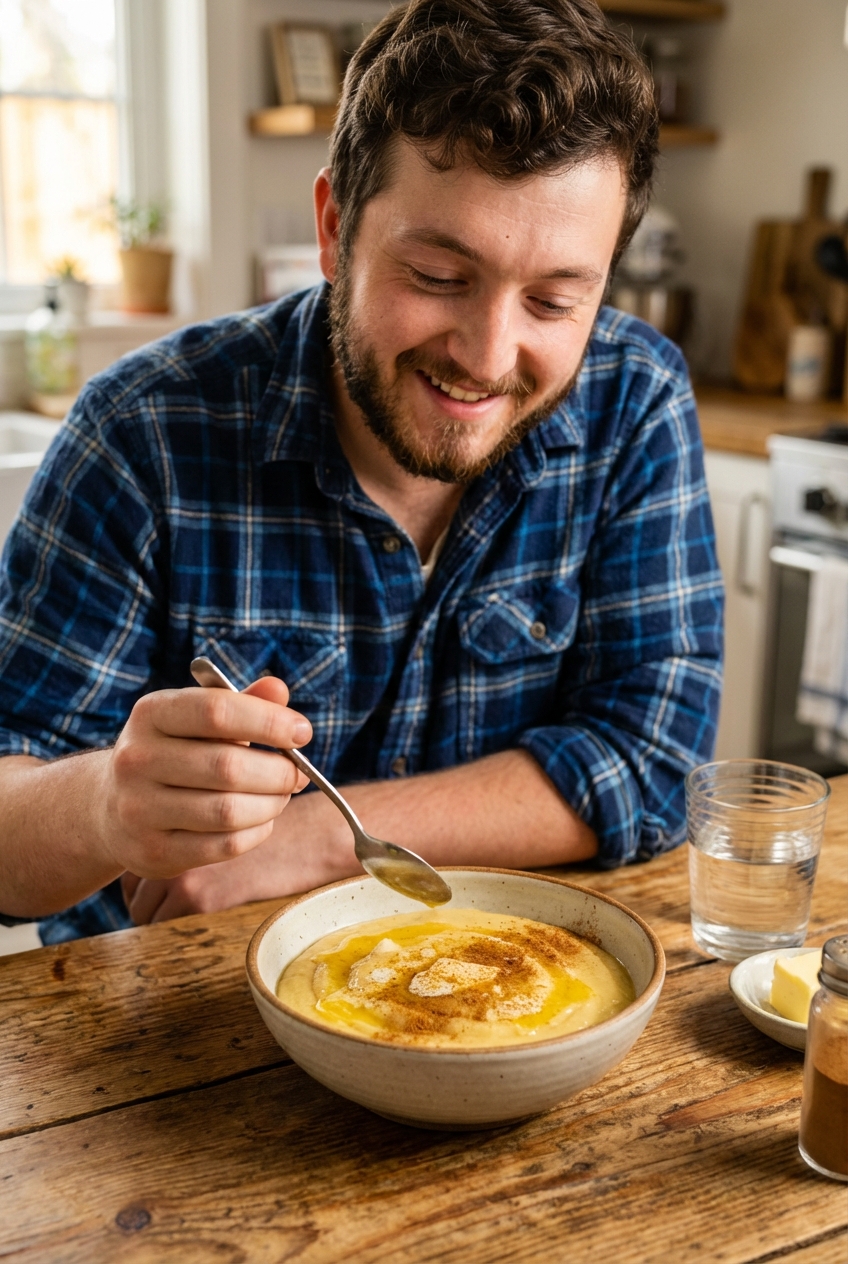
A bowl of silky smooth plantain puree with a drizzle of melted butter and a sprinkle of cinnamon on a wooden table

Plantains are the underrated best friend of busy kitchens. They are cheap, filling, naturally sweet when ripe, and they can swing either savory or dessert depending on how you treat them. This recipe is my favorite low-drama move: smooth, buttery plantains that eat like the coziest mash you have ever met, with a texture that feels a little fancy even though it is basically just ripe plantains and a pot.

Think of it as the love child of mashed sweet potatoes and banana bread vibes, minus the baking project. It is soft and spoonable, with crisp little flavor edges from butter and a pinch of salt. Make it once and you will start finding excuses to serve it with everything.
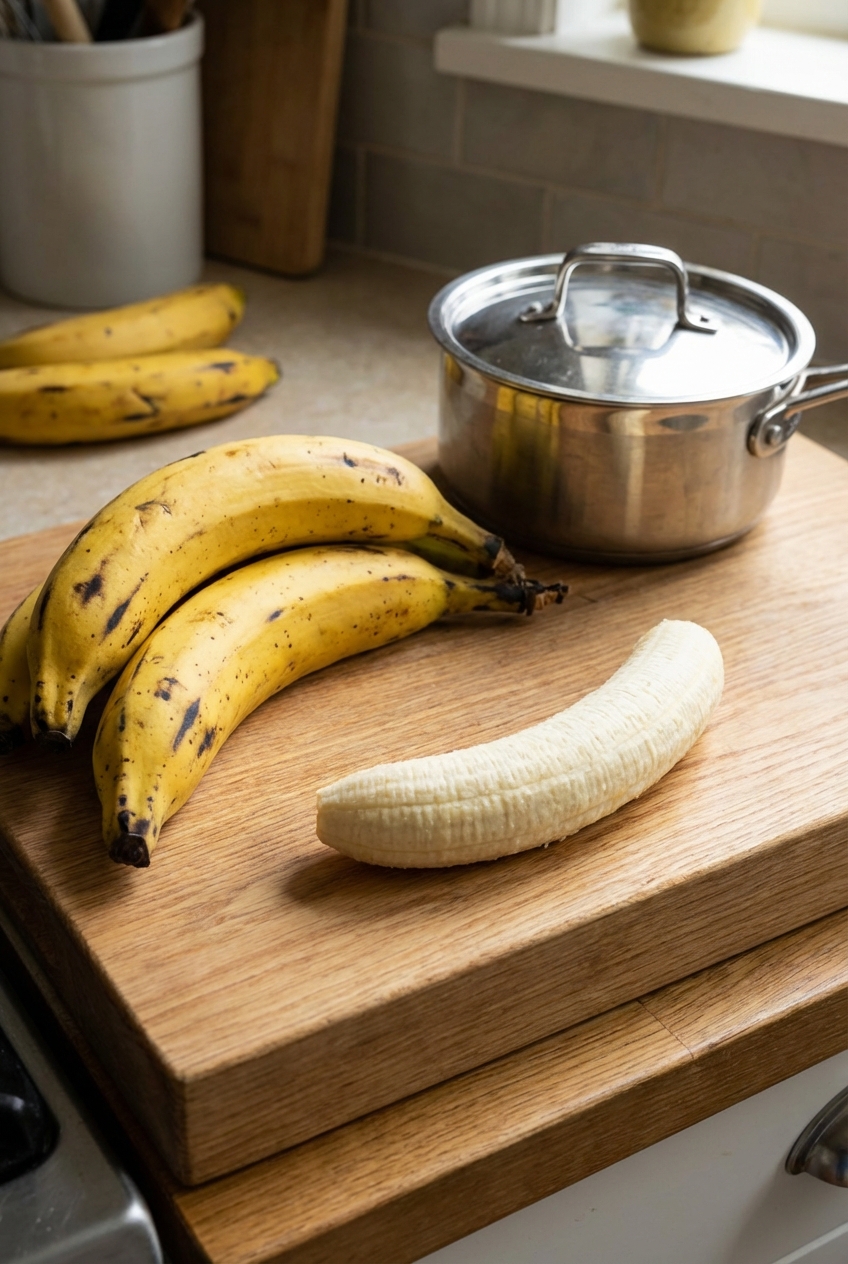
Ripe yellow plantains and a peeled plantain on a cutting board next to a saucepan

Why It Works

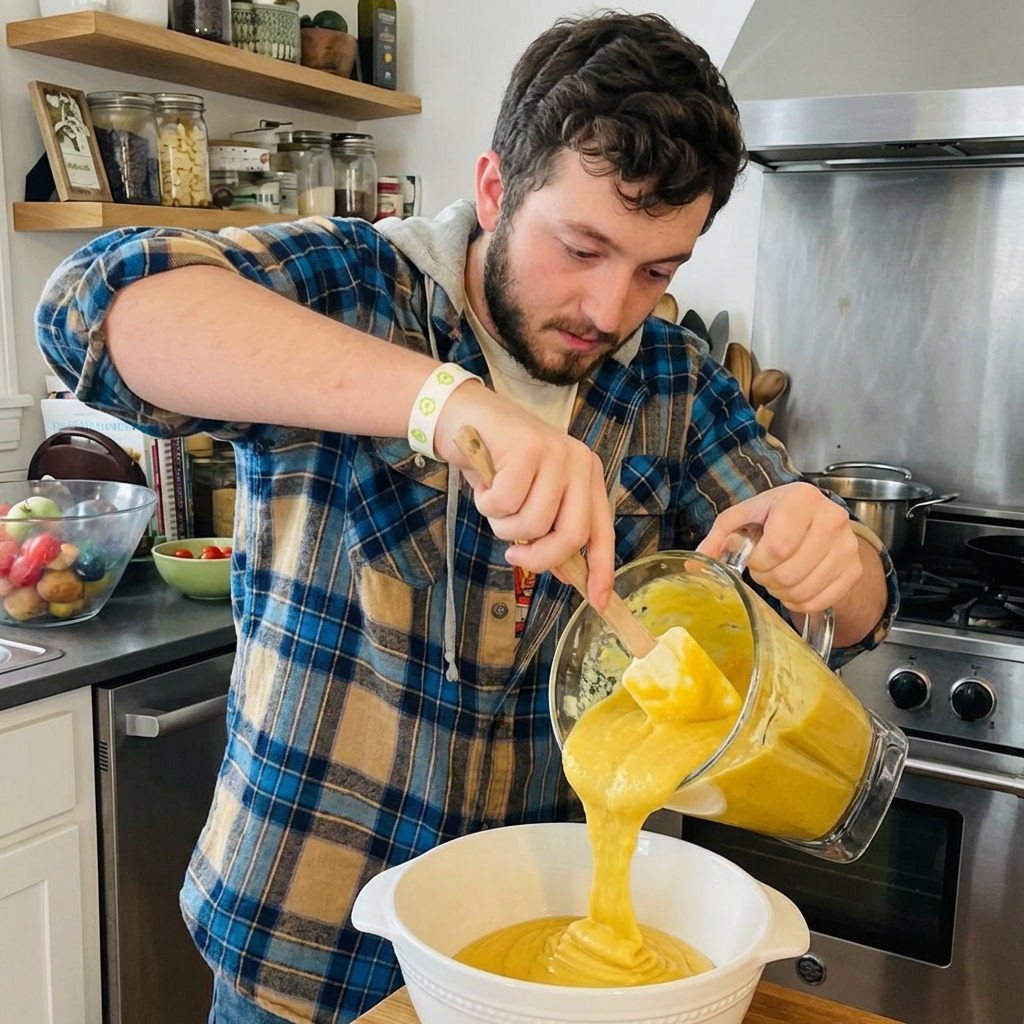
  • Silky texture, not chunky. We simmer the plantains until fully tender, then blend while warm for that smooth, velvety finish.
  • Balanced flavor. Ripe plantains bring natural sweetness, and a pinch of salt plus butter keeps it from tasting flat.
  • Flexible sweetness. You can keep it barely sweet for savory meals, or nudge it into dessert with cinnamon and a little brown sugar.
  • Works with what you have. A blender makes it truly silky. A potato masher gets you a rustic, smooth-ish version that still hits the comfort-food spot.

Pairs Well With

Storage Tips

This puree stores like a champ. The main thing is keeping it from drying out.

Refrigerator

  • Cool completely, then store in an airtight container for about 4 days.
  • Press plastic wrap directly on the surface for extra protection against a dry top layer.

Freezer

  • Portion into freezer-safe containers or a zip-top bag flattened into a thin layer.
  • Freeze for up to 2 months for best texture.
  • Thaw overnight in the fridge.

Reheating

  • Microwave: Splash in a teaspoon or two of reserved cooking liquid, milk, coconut milk, or water. Cover and heat in 30-second bursts, stirring until smooth.
  • Stovetop: Warm over low heat, stirring often. Add liquid as needed to get back to spoonable.

Little rescue trick: If it turns thick after chilling, stir vigorously with a splash of warm liquid, or blend again for the smoothest comeback.

Common Questions

What kind of plantains should I use?

For silky and smooth, use ripe yellow plantains with lots of black spots. They should smell sweet and give slightly when pressed. Green plantains are starchier and make a more savory, firmer mash.

Do I have to boil them?

Simmering is the easiest path to soft texture. You can also steam them, which keeps flavor a bit more concentrated. Roasting works too, but it gives a thicker puree and more caramel notes.

Can I make this dairy-free?

Yes. Use coconut oil or a good plant butter, and blend with coconut milk or oat milk. Coconut milk is especially good if you are leaning dessert.

Why is my puree lumpy?

Usually it is one of two things: the plantains were not cooked long enough, or they cooled too much before blending or mashing. Simmer until a fork slides in with almost no resistance, and blend or mash while warm with a splash of liquid.

Is this the same as Dominican mangú?

Similar technique, different vibe. Mangú is typically made with green plantains and served savory, often with sautéed onions. This recipe focuses on ripe plantains for a smoother, sweeter base, but you can absolutely take it savory if you want.

What should I serve this with?

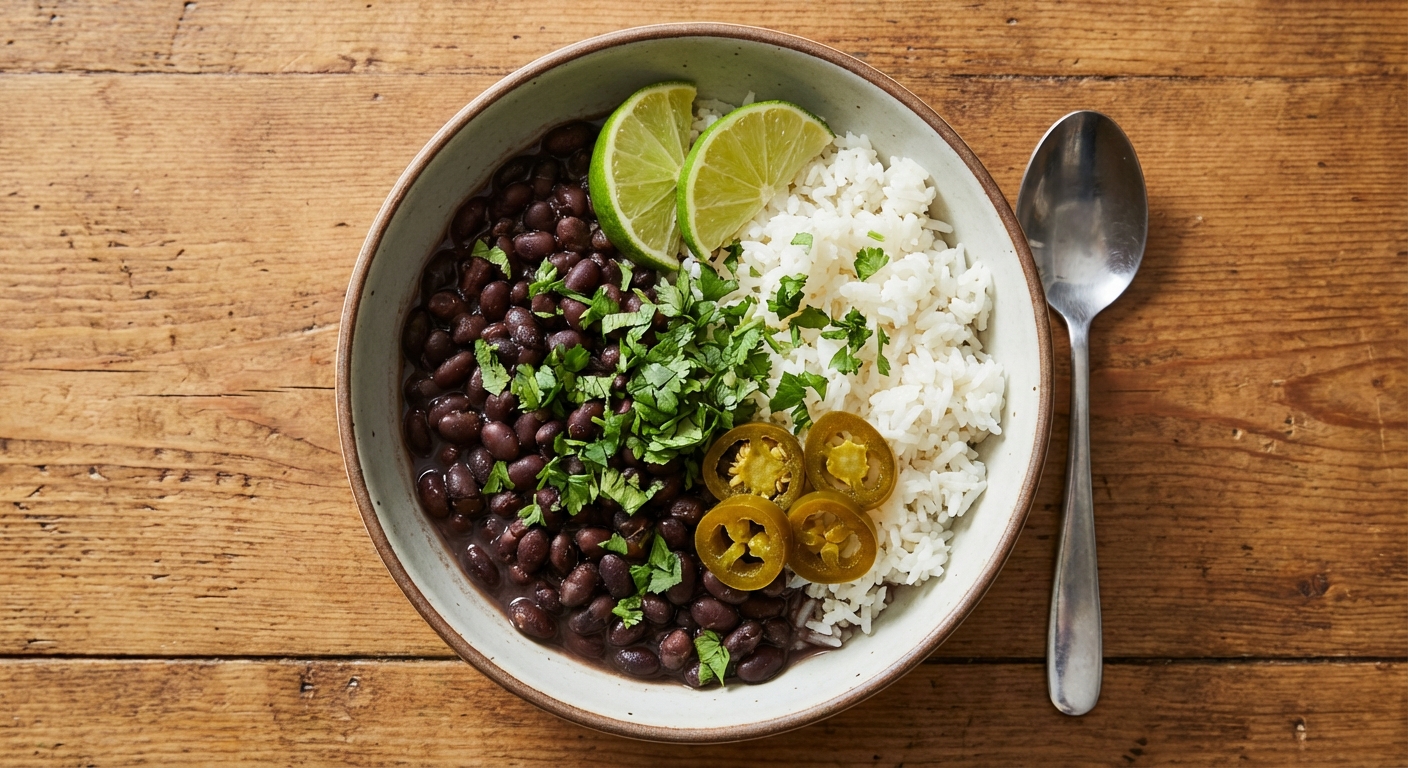
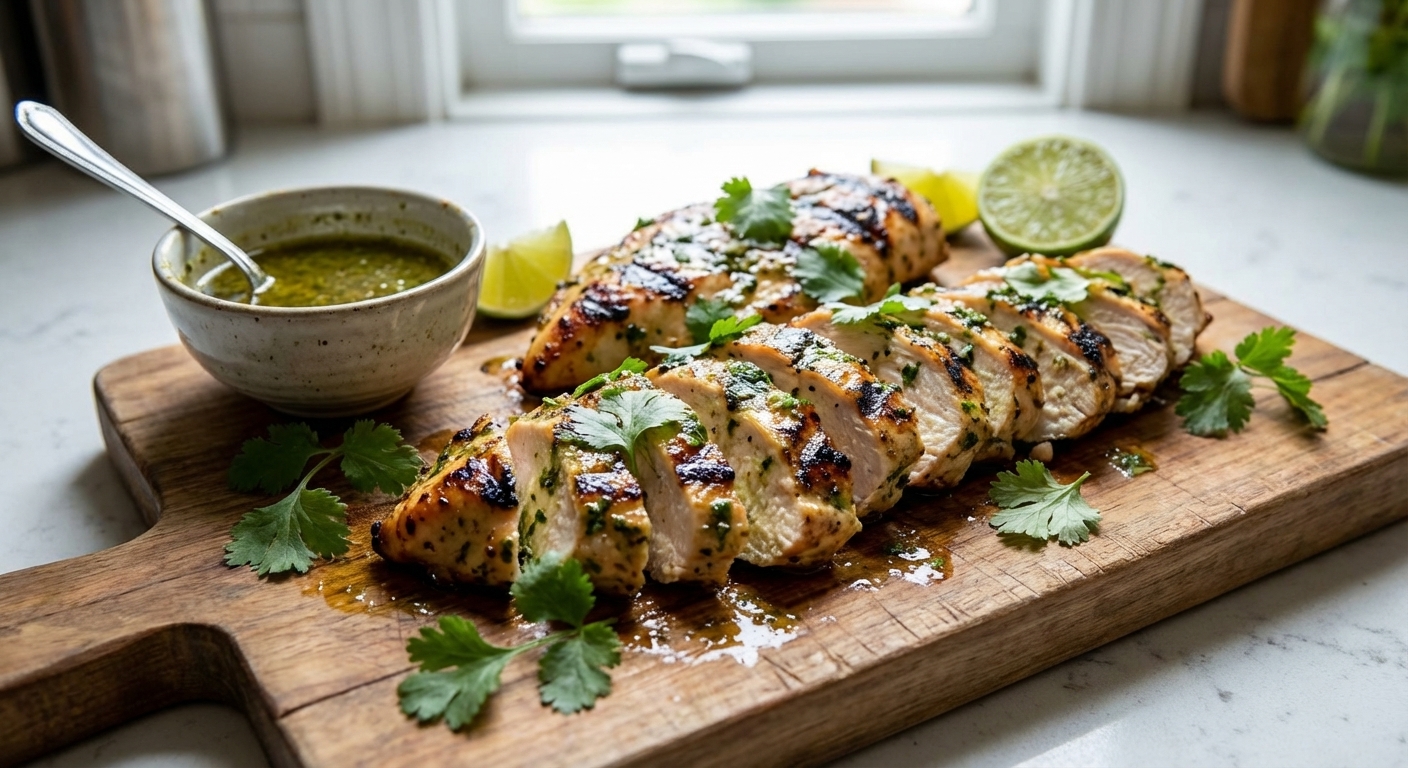
It plays well with beans and rice, roast chicken or pork, or as a breakfast side with eggs. Dessert-leaning? Think toasted nuts, honey, and a little extra cinnamon.

The first time I made plantains at home, I treated them like bananas with big dreams. I rushed them, undercooked them, and ended up with a mash that had the vibe of wet drywall. Not my finest moment.

Then I did the obvious thing: I slowed down, simmered them until they basically surrendered, and blended them warm with butter and a pinch of salt. Suddenly it was glossy, spoonable, and dangerous. Like, I caught myself eating it straight from the blender jar. Now it is my go-to when I want comfort food that still tastes like I tried.