Mom's Best Recipes
Recipe

Vegan Custard Pie

A silky, sliceable vanilla custard baked in a flaky crust, with that classic glossy jiggle and zero eggs or dairy.

Author By Matt Campbell
4.8
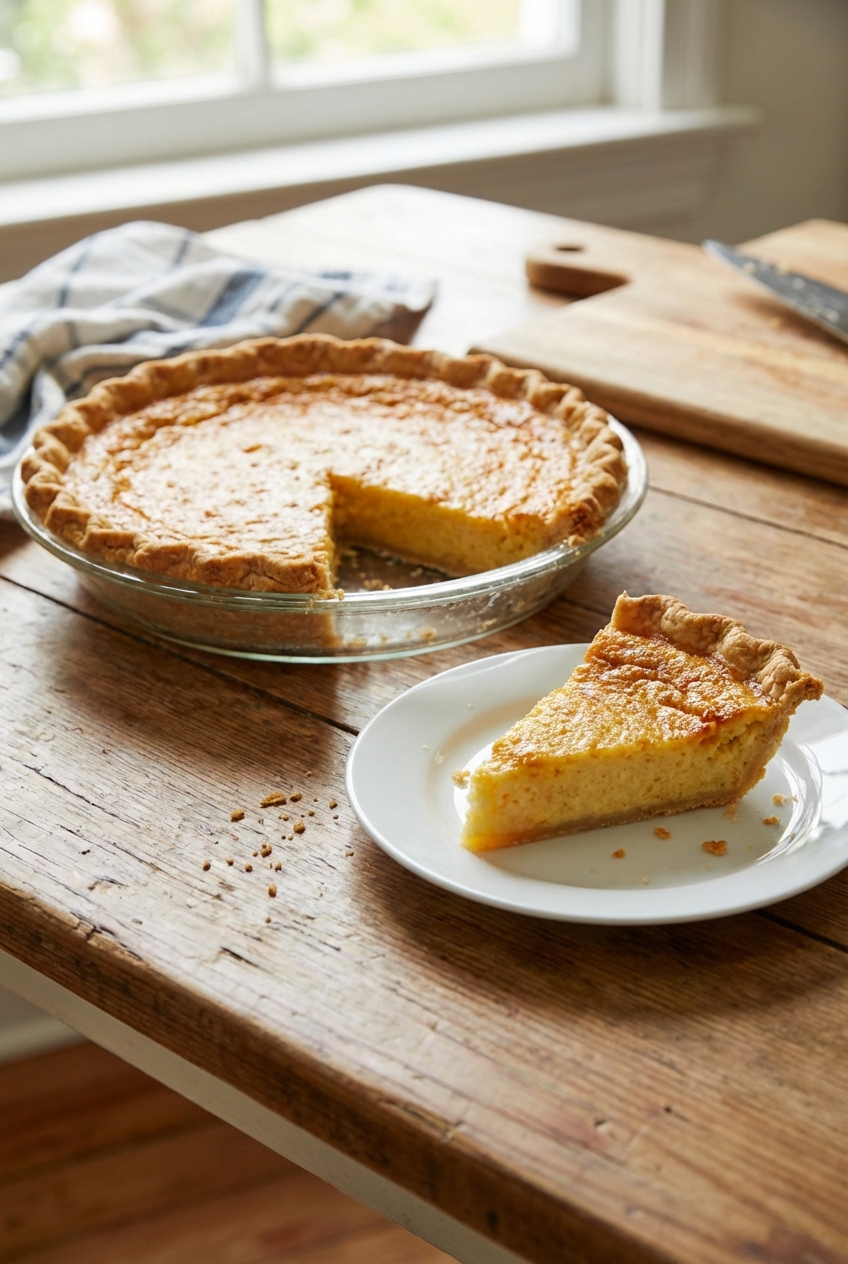
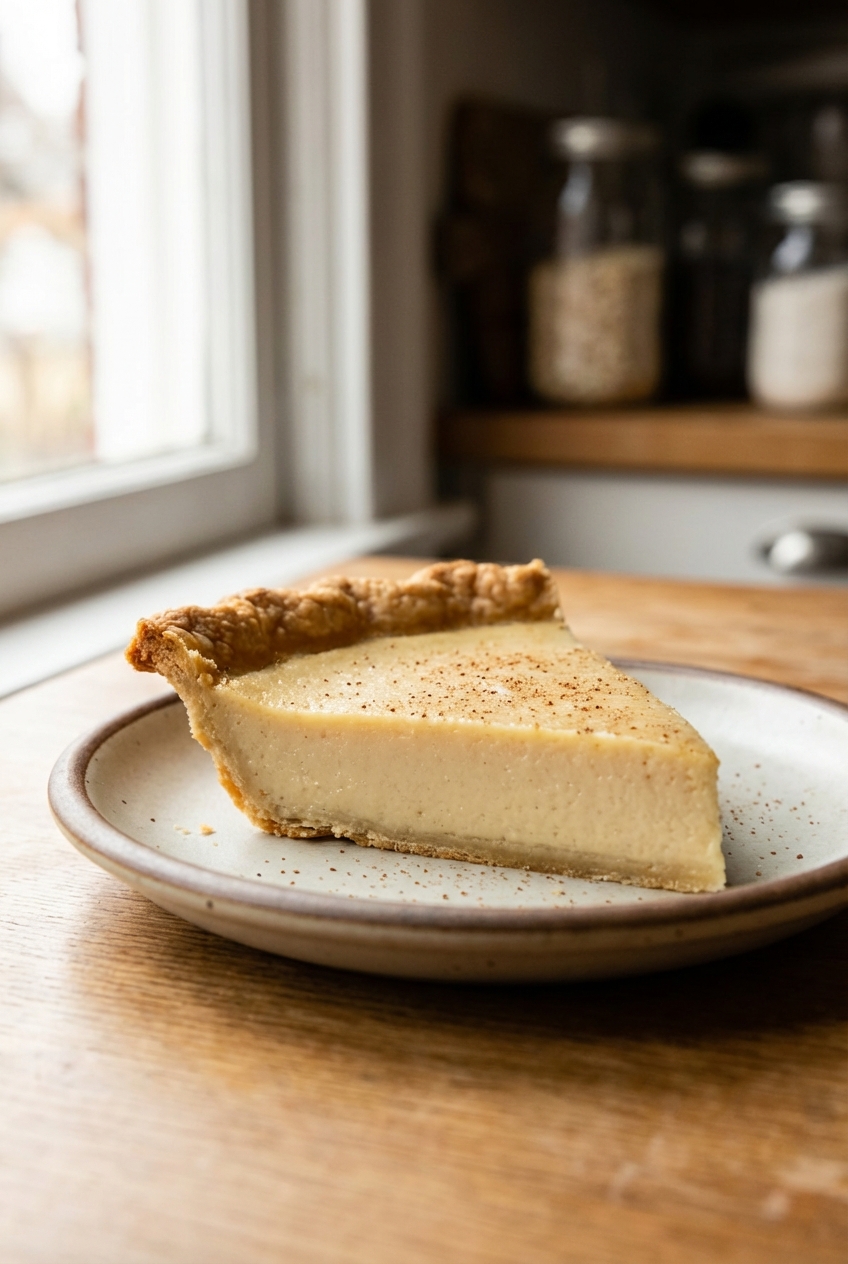
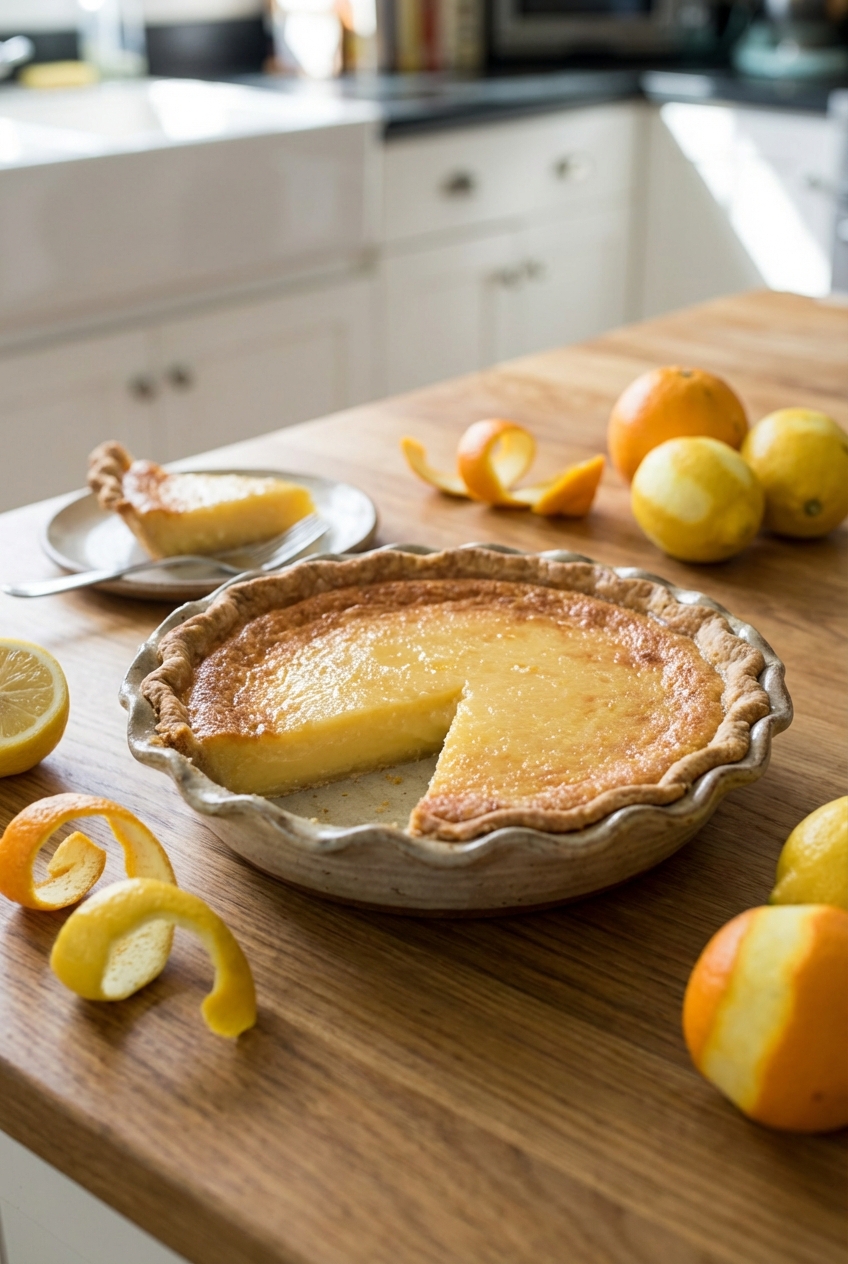
A single slice of vegan custard pie on a plate with a flaky crust and smooth pale-yellow custard, photographed in natural window light

If you have ever loved custard pie but assumed it was an eggs-and-dairy-only club, welcome. We are making a vegan custard pie that is silky, smooth, and cleanly sliceable, with that classic vanilla warmth and a gentle wobble that makes you want to cut “just one more sliver.”

The trick is building a custard that behaves like the real deal: rich without tasting like coconut sunscreen, set without getting gummy, and sweet without being clingy. We do that with a smart combo of silken tofu for body, plant milk for pourability, and cornstarch to lock in that custard structure.

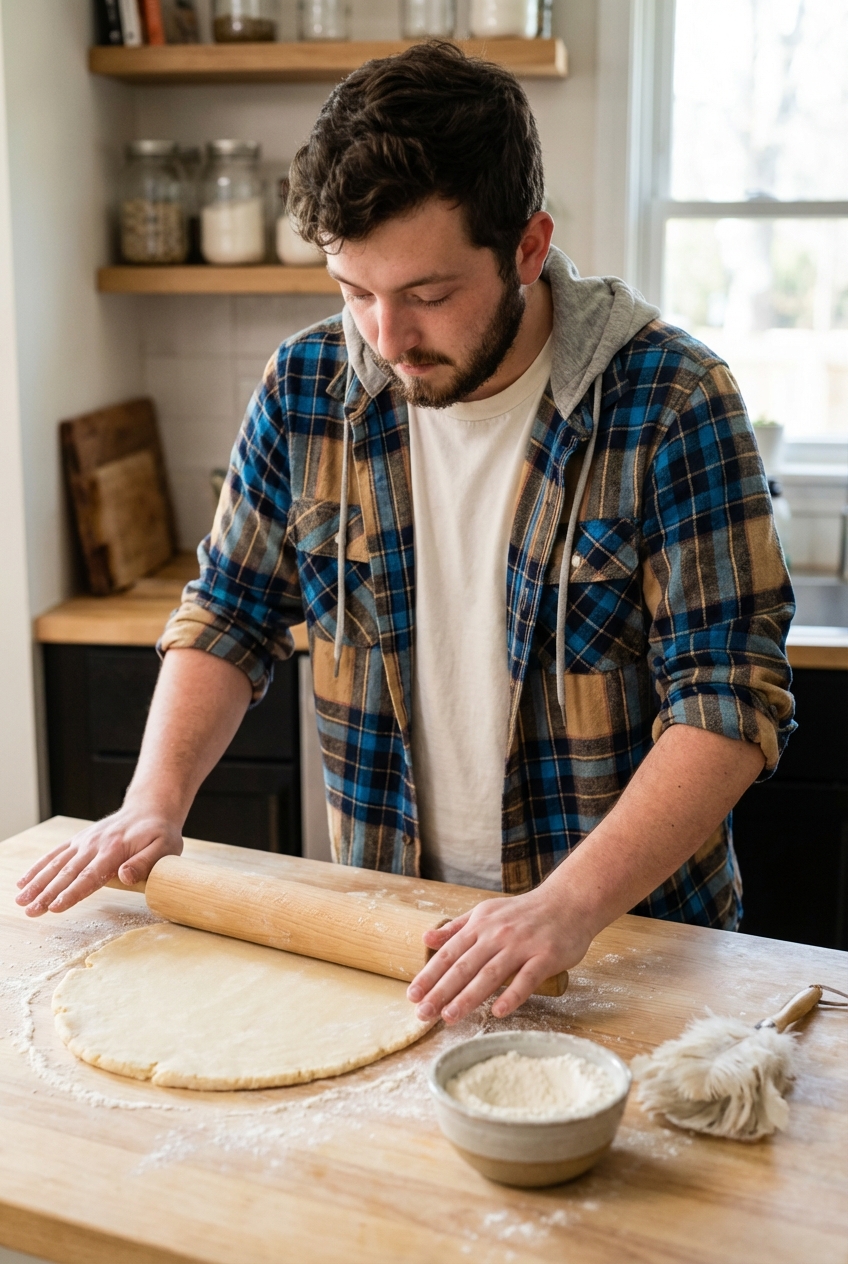
One important detail: we blind bake (par-bake) the crust. Custard is wet, crust is delicate, and nobody wants that pale, soggy bottom situation. The oven does the rest.

Bring this to a holiday table, a potluck, or a random Tuesday when you want dessert energy with minimal drama. And yes, you should taste the custard before it goes into the crust. It is basically the law.
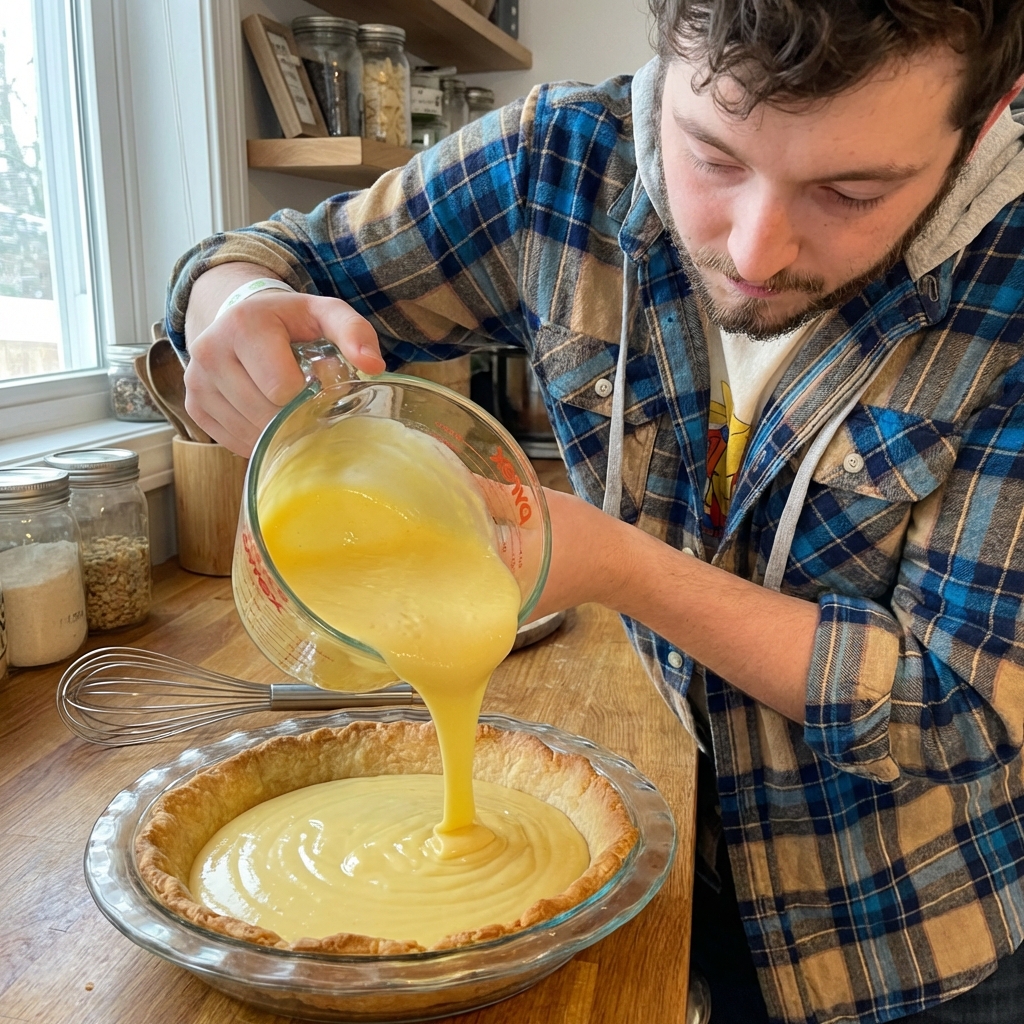
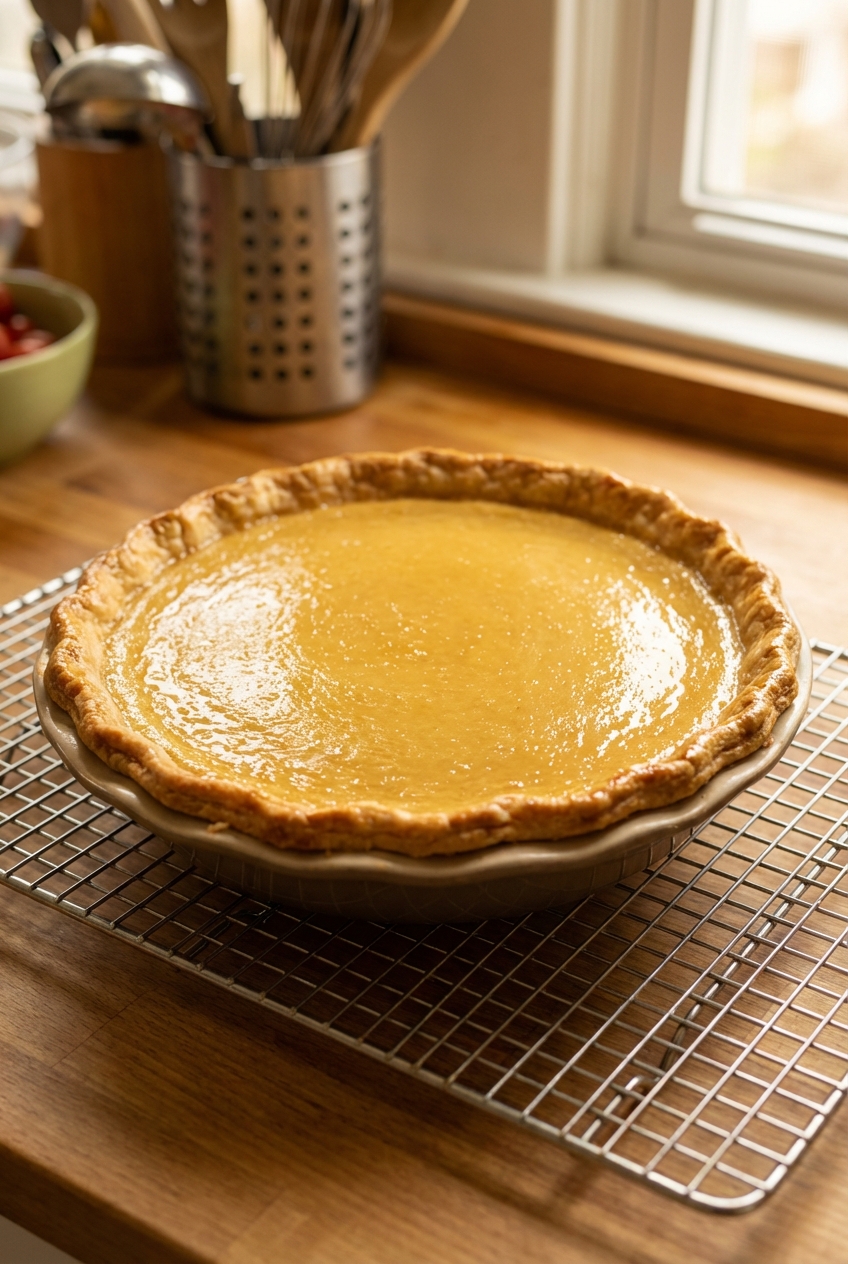
A thick, glossy vegan custard filling being poured into a par-baked pie crust in a glass pie dish

Why It Works

  • Silken tofu = creamy custard base: It blends smooth and bakes up tender, giving you that “custard” vibe without eggs.
  • Cornstarch sets the slice: It provides structure so the pie cuts cleanly after chilling, not like pudding in a crust.
  • Par-baked crust stays crisp: Blind baking dries out the base so it can handle a rich filling without going soggy.
  • Blender-first method prevents lumps: Blending the cornstarch and sugar into the base before heat makes the filling basically clump-proof.
  • Short, gentle bake: It sets the surface and helps the custard and crust hold together for clean slices.
  • Vanilla and a pinch of salt: Sounds obvious, but that tiny salt dose makes the vanilla pop and keeps sweetness from falling flat.

Pairs Well With

Storage Tips

Refrigerator: Cover the pie dish tightly or transfer slices to an airtight container. Keep refrigerated for up to 4 days. The custard will firm up a bit more as it sits, which is not a problem; it is a feature.

Freezer: You can freeze slices for up to 1 month. Wrap each slice in parchment, then plastic wrap, then place in a freezer bag. Thaw overnight in the fridge. Note: the texture may become slightly more “cheesecake-ish” after freezing, still delicious.

Serving leftovers: Custard pie is best served cold or cool. If you want a softer bite, let a slice sit at room temp for 10 to 15 minutes before eating.

Common Questions

Common Questions

Will this taste like tofu?

Not if you blend it well and season it properly. Silken tofu is neutral, and the vanilla, sugar, and salt take over. Also, the stovetop cooking step helps mellow any raw bean notes, which is part of why this tastes like custard instead of “healthy dessert.” Use silken tofu, not firm or extra-firm, for the smoothest result.

Can I make it gluten-free?

Yes. Use your favorite gluten-free pie crust. The custard filling is naturally gluten-free as written.

What plant milk works best?

Unsweetened, unflavored soy milk is my favorite because it is creamy and reliable in custards. For best results, choose a higher-protein soy milk (often labeled “original” or “barista-style”). Oat milk also works. Almond milk is fine but slightly lighter. Avoid strongly flavored milks unless you want that flavor in the final pie.

Why refined coconut oil and not regular?

Refined coconut oil has a more neutral flavor. If you do not mind a hint of coconut, regular coconut oil works too. Vegan butter is also great and often gives the most classic “pie shop” vibe.

How do I know when it is done baking?

The edges should look set and slightly puffed, and the center (about 2 to 3 inches in the middle) should still have a soft wobble when you gently nudge the pan. It will finish setting as it cools and chills.

Do I really need the final bake if the custard thickens on the stove?

Yes, for best results. The stovetop gets you to a pudding-like custard, but the short oven bake helps the filling set evenly, smooth the surface, and “lock in” clean slices once chilled. It also helps the custard and crust bond so you do not get that slide-apart first slice.

Can I make it ahead?

Absolutely. This pie actually prefers a little planning. Bake it the day before, chill overnight, then slice and serve the next day for the cleanest cuts.

I love recipes that feel a little nostalgic but still fit how people actually eat now. The first time I tried to make vegan custard, I went in cocky and under-prepared and ended up with something that tasted fine but sliced like a sad puddle. The fix was simple: treat it like real custard. Build structure with starch, bake it gently, and then give it time to chill.

Now this pie is my go-to when I want dessert that looks like I worked harder than I did. It is the kind of slice that makes people pause, take a bite, and do that quiet little nod like, okay, wow. That is the goal.