Mom's Best Recipes
Recipe

Simple Best French Toast

Juicy, tender, and golden at the edges with a cinnamon vanilla custard that actually tastes like something.

Author By Matt Campbell
4.9
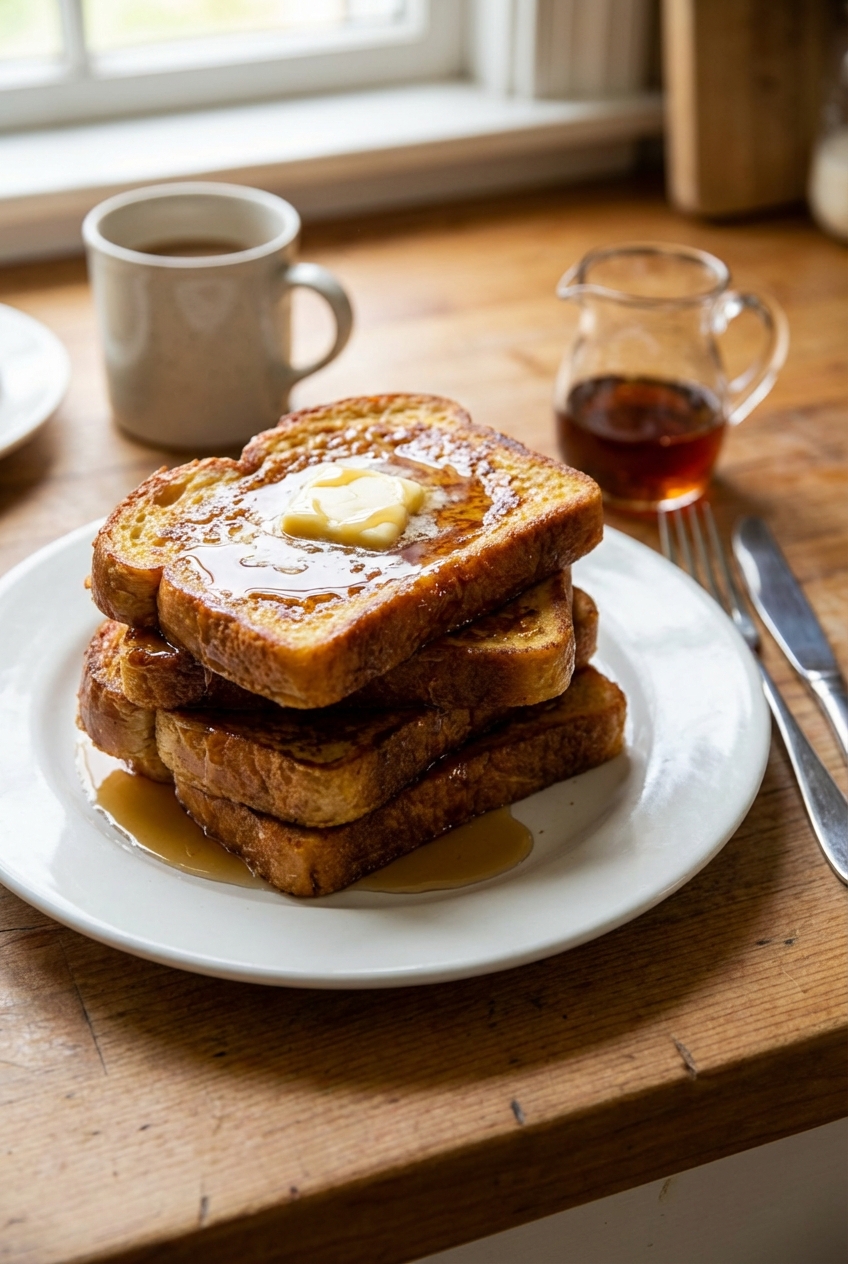
Thick slices of golden brown French toast stacked on a plate with melted butter and a drizzle of maple syrup

French toast has two jobs: stay tender and custardy in the middle, and still show up with those crisp, golden edges that make you lean in for another bite. This is the version I make when I want breakfast to feel like a win, but I also do not want a sink full of regret.

The trick is a simple custard that is rich enough to taste luxurious, plus a quick soak that hydrates the bread without turning it into wet cardboard. You will get juicy centers, caramelized surfaces, and that cozy cinnamon vanilla vibe that makes the kitchen smell like you know what you are doing.
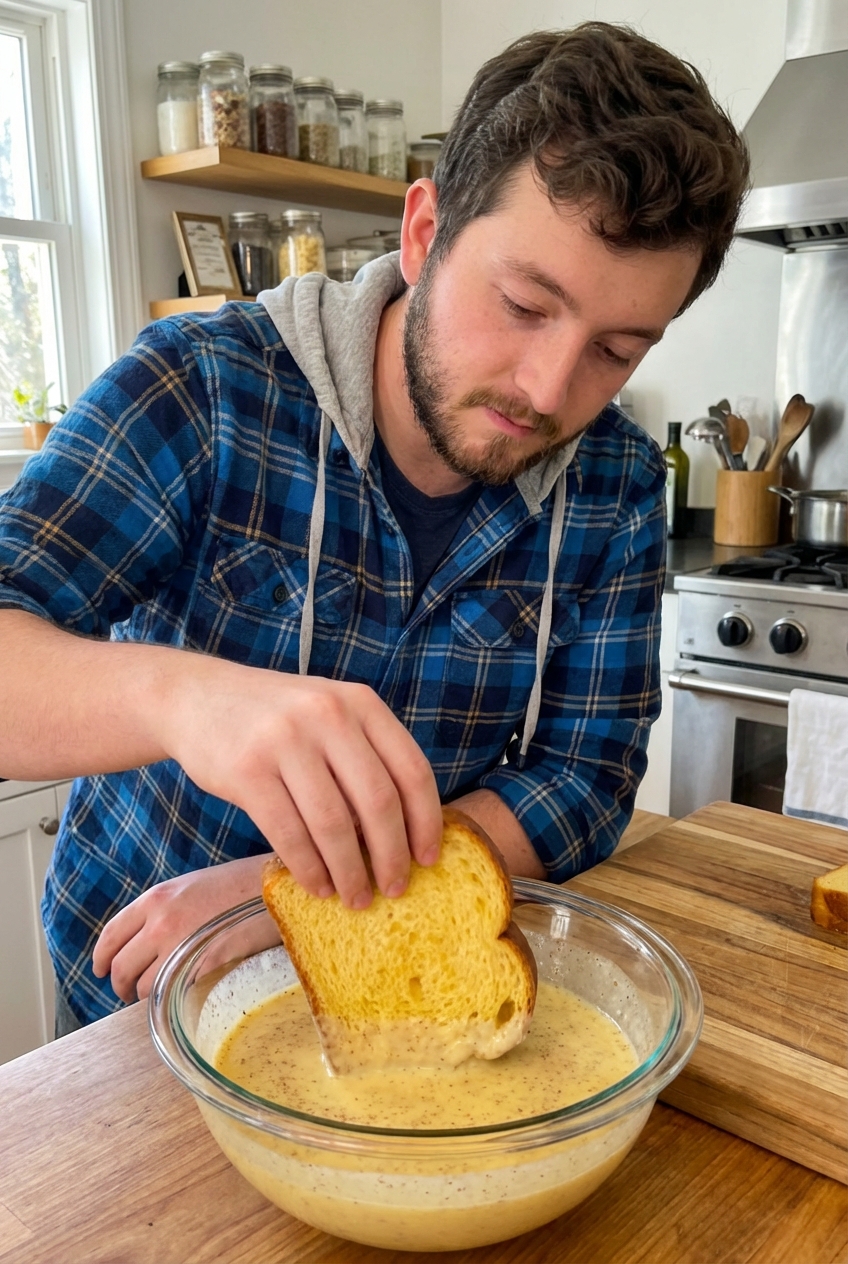
A thick slice of brioche being dipped into a bowl of cinnamon vanilla egg custard on a kitchen counter

Why It Works

  • Juicy and tender inside: A higher dairy to egg ratio can help keep the custard soft, not rubbery (the rest is heat, soak time, and bread choice doing their jobs).
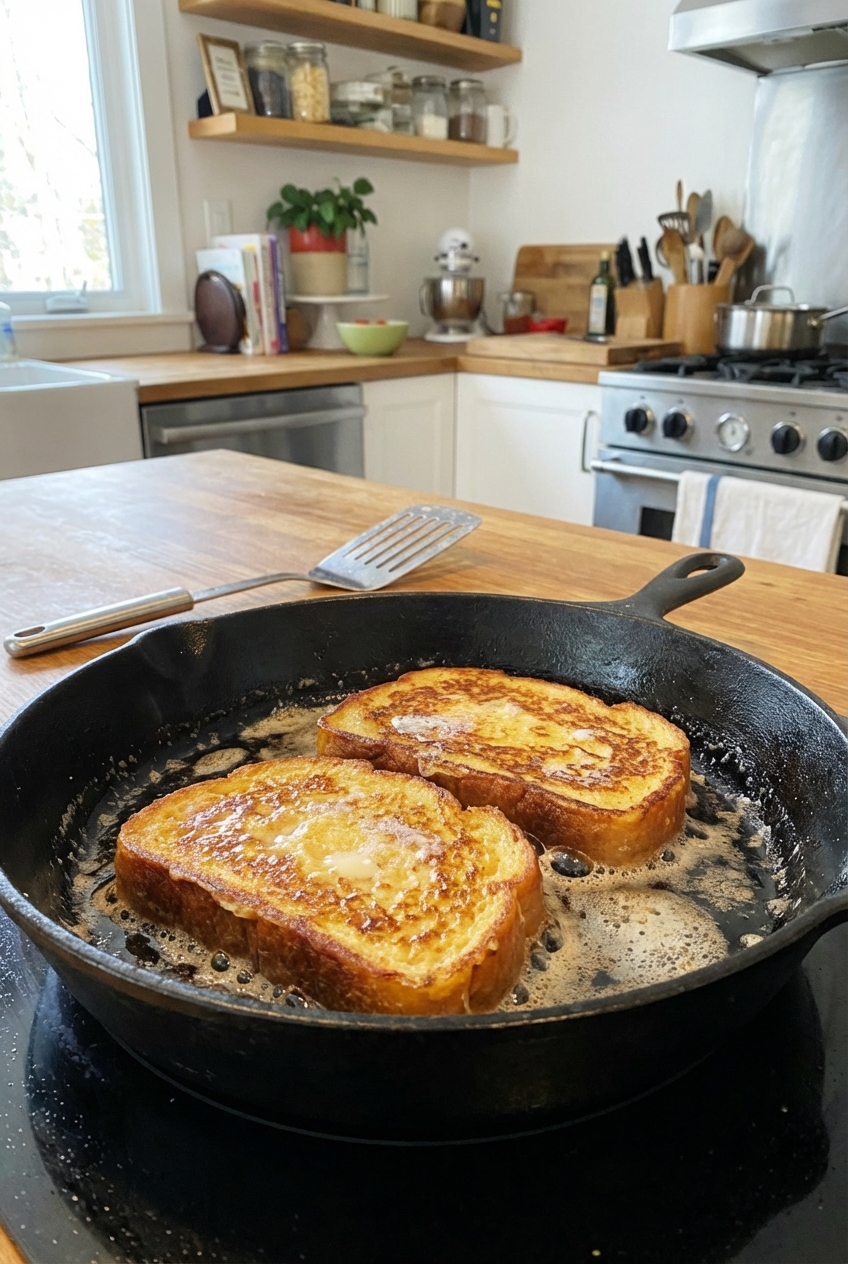
  • Crisp edges, not soggy: A hot pan and a little butter plus oil gives browning without burning.
  • Big flavor with basic ingredients: Vanilla, cinnamon, and a pinch of salt make it taste like a diner upgrade.
  • Works with real life bread: Brioche is amazing, but sturdy sandwich bread or even day-old baguette can absolutely pull its weight.

Pairs Well With

Storage Tips

Fridge: Cool completely, then store in an airtight container for up to 3 days. If you stack slices, slip parchment between them so they do not steam each other into sadness.

Freezer: Freeze slices in a single layer on a baking sheet until firm, then transfer to a freezer bag. Good for up to 2 months.

Reheat (best results): Pop slices on a sheet pan in a 350°F oven for 8 to 12 minutes (from fridge) or 12 to 15 minutes (from frozen), or until heated through. For extra crisp edges, finish with 1 minute under the broiler, watching closely.

Toaster option: If your slices are not too thick, a toaster works great for quick mornings.

Common Questions

What bread is best for French toast?

Brioche, challah, or Texas toast are ideal because they are thick and sturdy. Slightly stale bread is even better since it drinks custard without falling apart. If you only have regular sandwich bread, keep the soak short and cook gently.

Why is my French toast soggy?

Usually one of three things: the pan is not hot enough, the bread soaked too long, or the bread is too thin/soft. Aim for medium heat, use thick slices, and soak just until the surface looks saturated but the slice still holds its shape. Also cook until the centers feel set and custardy, not liquid. If you like numbers, an instant-read thermometer in the center should read about 160°F.

Can I make the custard ahead?

Yes. Whisk it up and refrigerate in a covered container for up to 24 hours. Keep it cold, and discard if anything smells off. Give it a quick whisk before dipping because cinnamon loves to settle at the bottom.

How do I cook French toast for a crowd?

Cook in batches, then keep finished slices warm on a baking sheet in a 200°F oven. Do not cover tightly or you will soften the edges. Quick tip: whisk the custard again between batches so the spice and egg mixture stay evenly mixed.

Can I skip the sugar?

You can. The sugar helps browning and adds a subtle caramel note. If you skip it, cook a touch longer and lean on maple syrup for sweetness.

French toast was one of the first things I learned to make that felt like real cooking. Not just heat something up, but actually transform it. Bread goes in, soaks, and suddenly you are standing over a pan watching edges turn bronze like you planned it all along.

My version is built for the mornings where you want comfort, not chaos. The custard is simple, the steps are clear, and the payoff is that perfect moment when you cut in and the center is tender and steamy, not dry and eggy. That is the goal every time.