Mom's Best Recipes
Recipe

Simple Chayote Recipe

A warm, garlicky chayote sauté with buttery edges, a bright squeeze of lemon, and just enough spice to keep it interesting.

Author By Matt Campbell
4.8
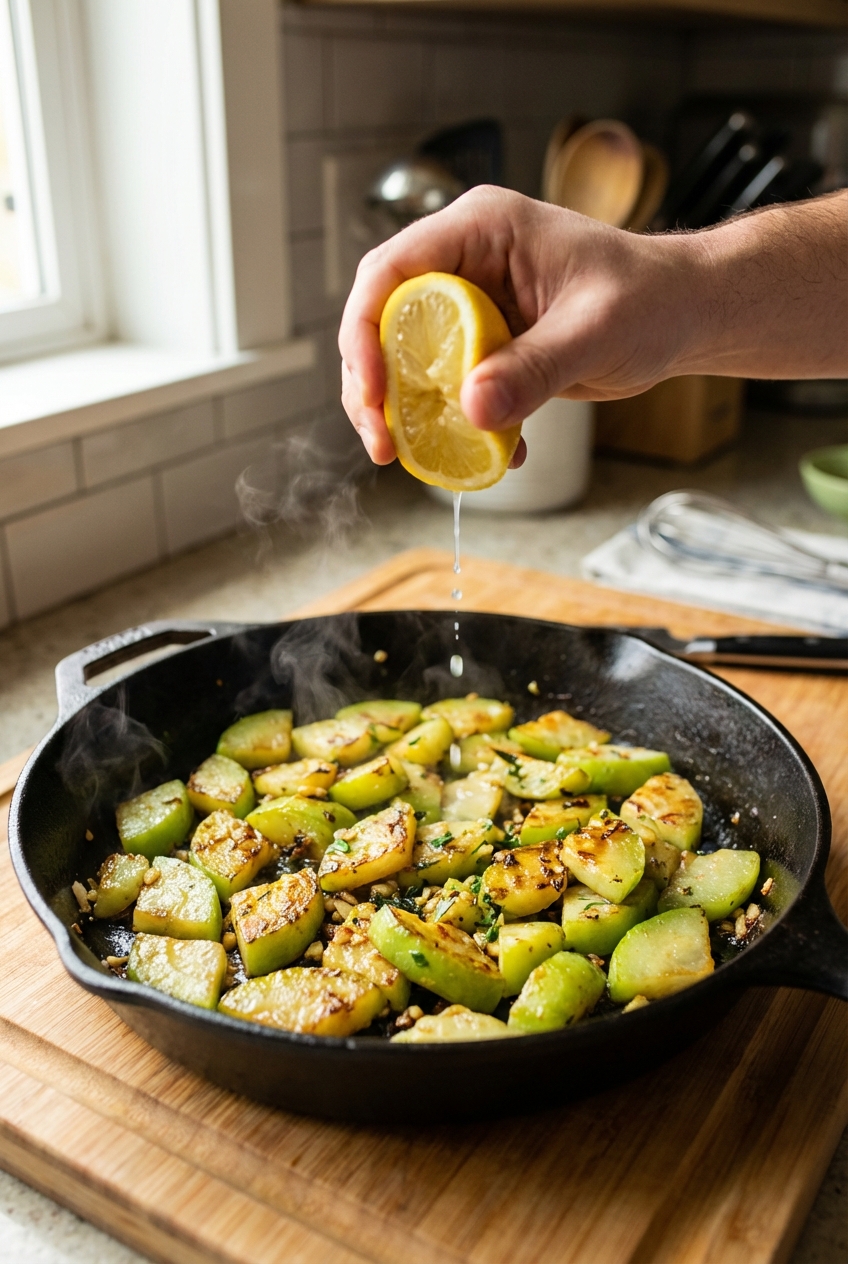
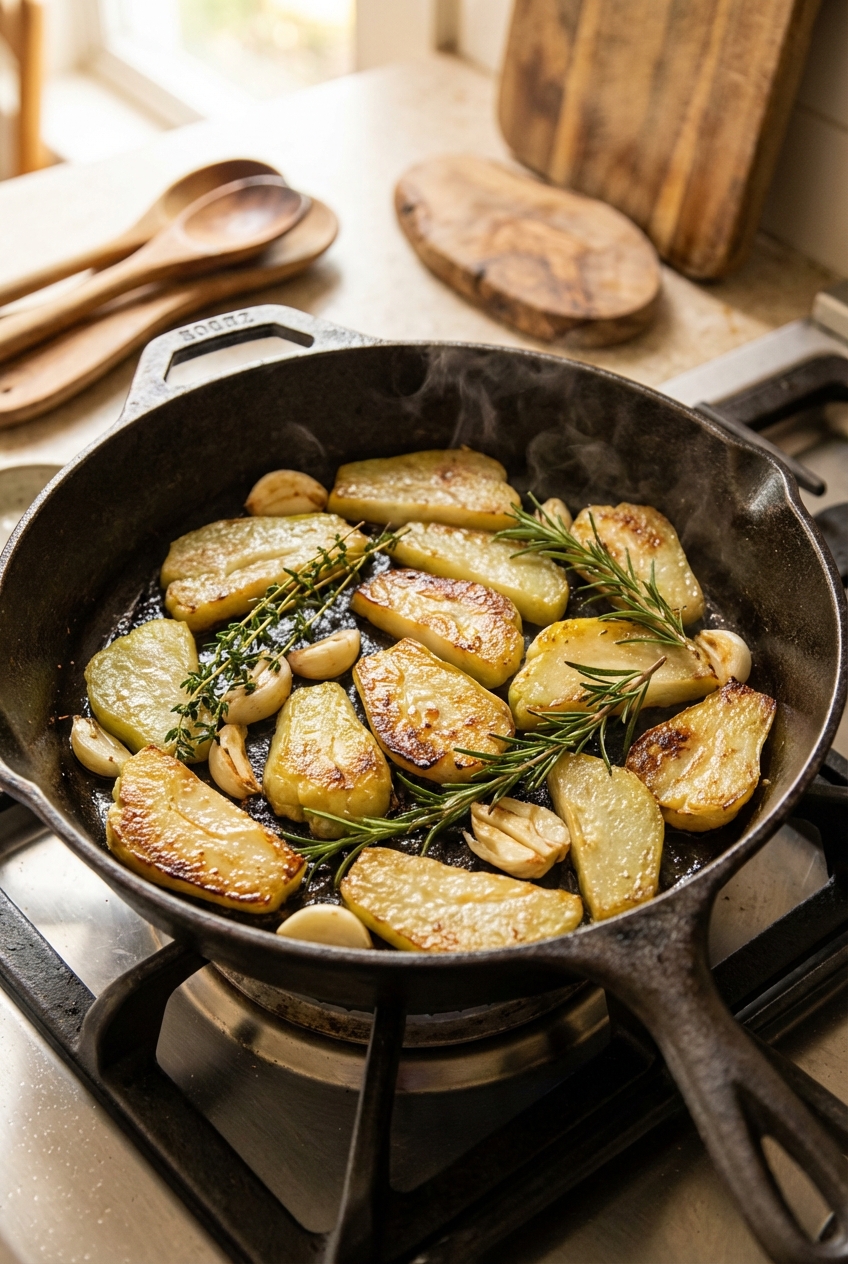
Sautéed chayote slices with browned edges in a cast iron skillet with garlic and herbs

Chayote is one of those quietly brilliant vegetables that shows up, does the job, and never asks for applause. It is mild, crisp, and just sweet enough that it plays nicely with garlic, butter, and anything comforting you have simmering on the stove.

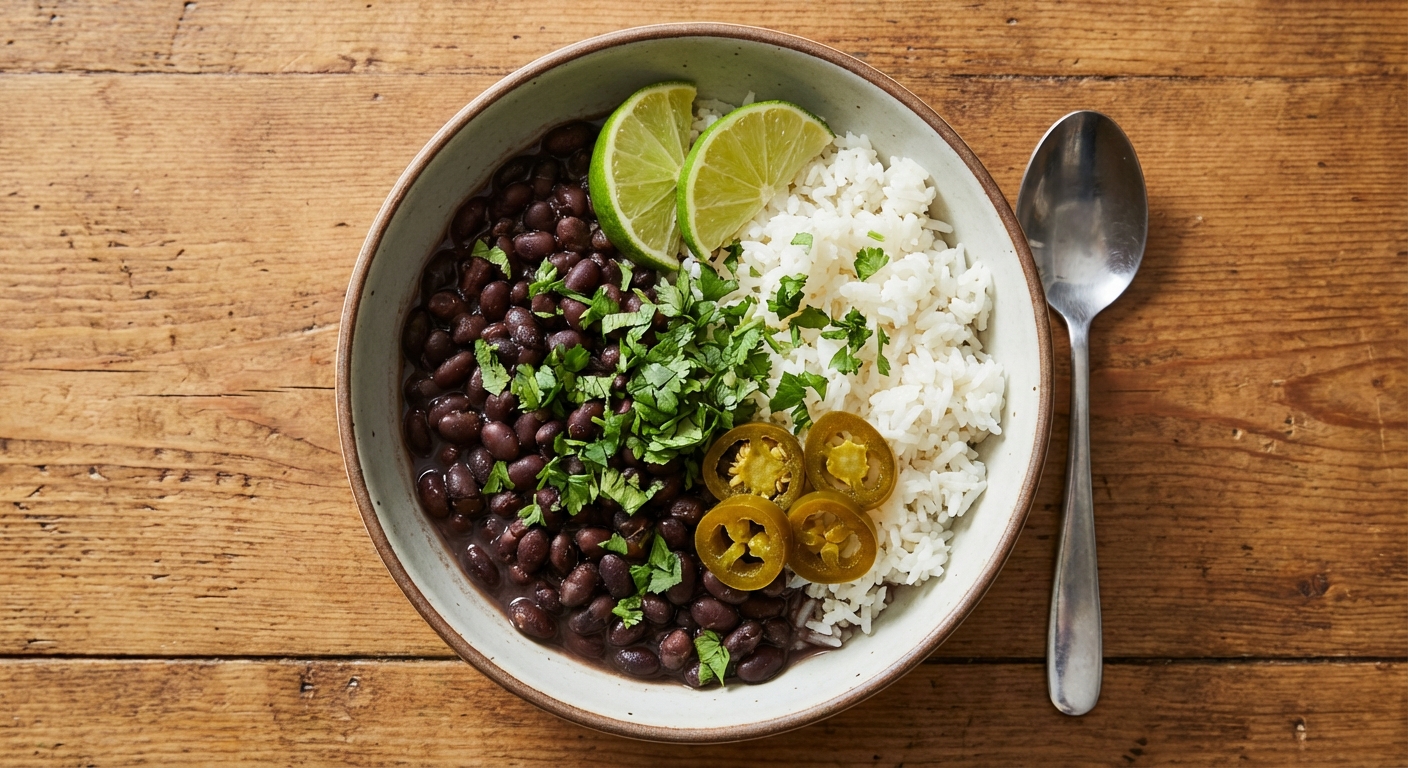
This simple chayote recipe is my go-to when I want a warm, weeknight-friendly side that feels like it belongs next to roasted chicken, beans and rice, or a bowl of soup. We are going for tender pieces with a few crisp, golden edges, plus a lemony finish that makes the whole pan taste alive.

If you have never cooked chayote before, do not overthink it. Treat it like a cross between zucchini and a potato. Taste as you go, salt like you mean it, and let the skillet do the heavy lifting.
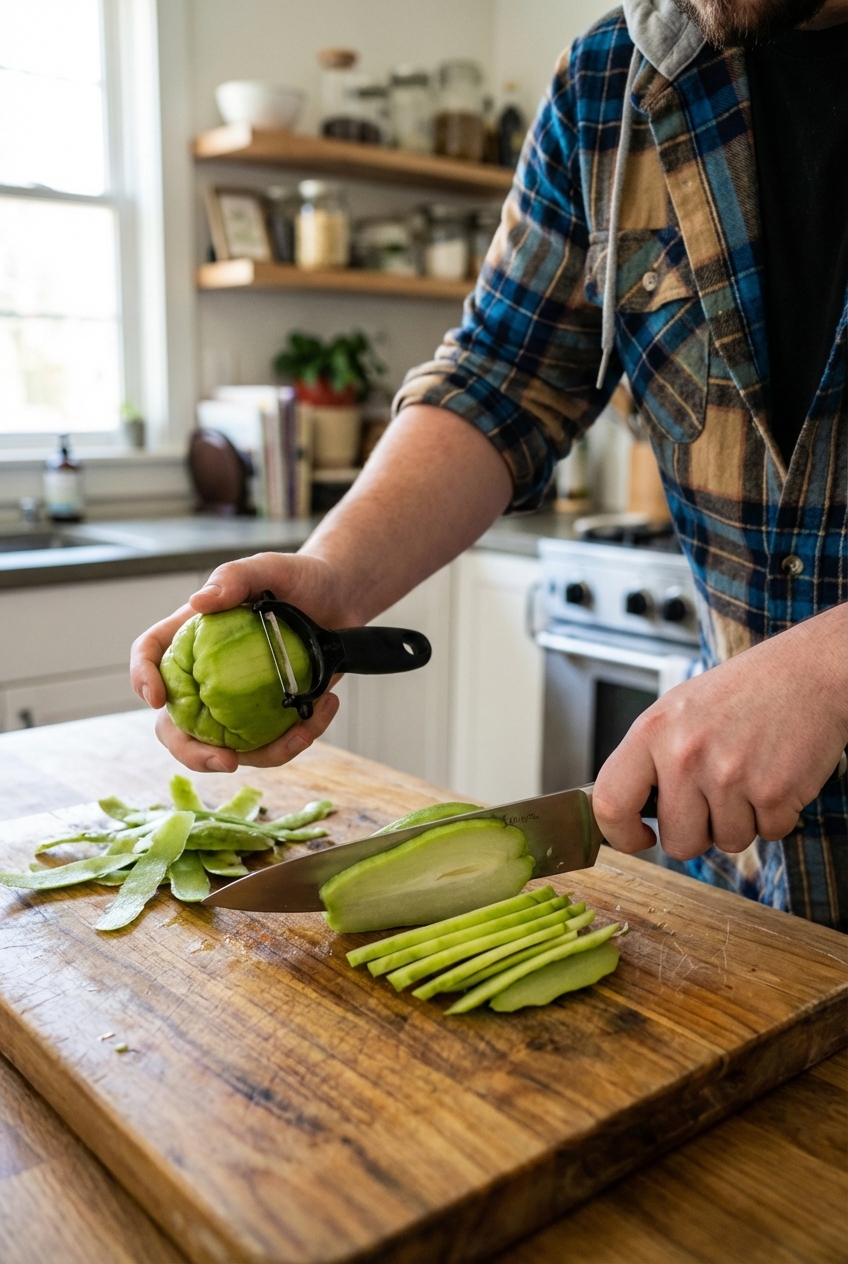
Hands peeling and slicing a chayote on a wooden cutting board with a chef's knife

Why It Works

  • Tender, not mushy: A quick simmer with a splash of broth makes the chayote soft enough, then we uncover the pan to let the edges brown.
  • Big flavor from everyday stuff: Garlic, onion, butter, and lemon build a lot of comfort without a long ingredient list.
  • Flexible seasoning: Keep it classic with black pepper and herbs, or add chili flakes for a little heat.
  • Weeknight friendly: One pan, minimal prep, and it reheats well for lunch the next day.

Pairs Well With

Storage Tips

Refrigerate: Cool leftovers, then store in an airtight container for up to 4 days.

Reheat: Best in a skillet over medium heat with a small splash of water or broth. This brings it back to tender without turning it soggy. Microwave works too, but the edges will soften.

Freeze: You can freeze it for up to 2 months, but the texture will get softer after thawing. If you plan to freeze, slightly undercook the chayote so it does not go mushy later.

Leftover idea: Chop and toss into scrambled eggs, fried rice, or a quick ramen upgrade with a spoon of chili crisp.

Common Questions

What does chayote taste like?

It is mild and lightly sweet, kind of like a cross between zucchini and cucumber, but it holds up to cooking more like a firm squash. That mildness is why it loves garlic, butter, citrus, and salty seasonings.

Do I have to peel chayote?

Not always. The skin is edible, but it can be a little tough. For the most tender texture, I recommend peeling. If your chayote is very young and the skin looks thin and smooth, you can leave it on.

Why is my chayote slippery while peeling?

Chayote can release a sticky sap. Rinse your hands and the vegetable under cool water as you go. If it is extra sticky, peel under running water or rub a little oil on your hands before peeling. Some people find the sap mildly irritating, so if your skin is sensitive, wear gloves.

Can I make this spicy?

Absolutely. Add 1/4 to 1/2 teaspoon red pepper flakes when you add the chayote so the flakes bloom in the butter and oil. You can also finish with hot sauce or chili crisp. Chayote is mild, so it can handle heat.

Is chayote low carb?

Chayote is generally considered lower in carbs than potatoes and many grains, and it is a nice option if you are watching carbs. Exact numbers vary by source, but it is typically around 4 to 5 grams net carbs per cup.

The first time I cooked chayote, I treated it like a mystery ingredient that needed a complicated plan. Turns out it just wanted the same thing most of us want on a busy night: a hot pan, a little butter, and someone to pay attention for ten minutes. Now I keep chayote in the rotation for when I want something green and comforting that still has bite. It is the kind of side dish that makes you pause mid-bite and think, okay, wow, why do I not cook this more?