Mom's Best Recipes
Recipe

Simple Homemade Hot Cakes

Tender, moist, crisp-edged hot cakes with pantry ingredients and zero drama. Breakfast that tastes like you tried harder than you did.

Author By Matt Campbell
4.8

Hot cakes should be three things: tender in the middle, crispy at the edges, and so good you eat one straight from the spatula. This is my go-to homemade version when I want that diner-style comfort without the boxed mix vibe.

And yes, I called them hot cakes on purpose. Pancakes are great, but hot cakes feel like a promise. These come out thick but not heavy, fluffy but still moist. The secret is simple: do not overmix, let the batter rest, and cook them like you mean it.

Why It Works

  • Moist, tender centers: A short batter rest hydrates the flour and lets the batter thicken slightly, so the hot cakes cook up soft, not bready.
  • Bright flavor, not bland: Buttermilk brings gentle tang, vanilla adds warmth, and a little brown sugar gives that cozy caramel note.
  • Crisp edges on demand: Butter in the pan plus steady medium heat creates those golden lacy edges without burning.
  • Reliable rise: Baking powder handles the lift, and baking soda backs it up when buttermilk is in the mix.

Pairs Well With

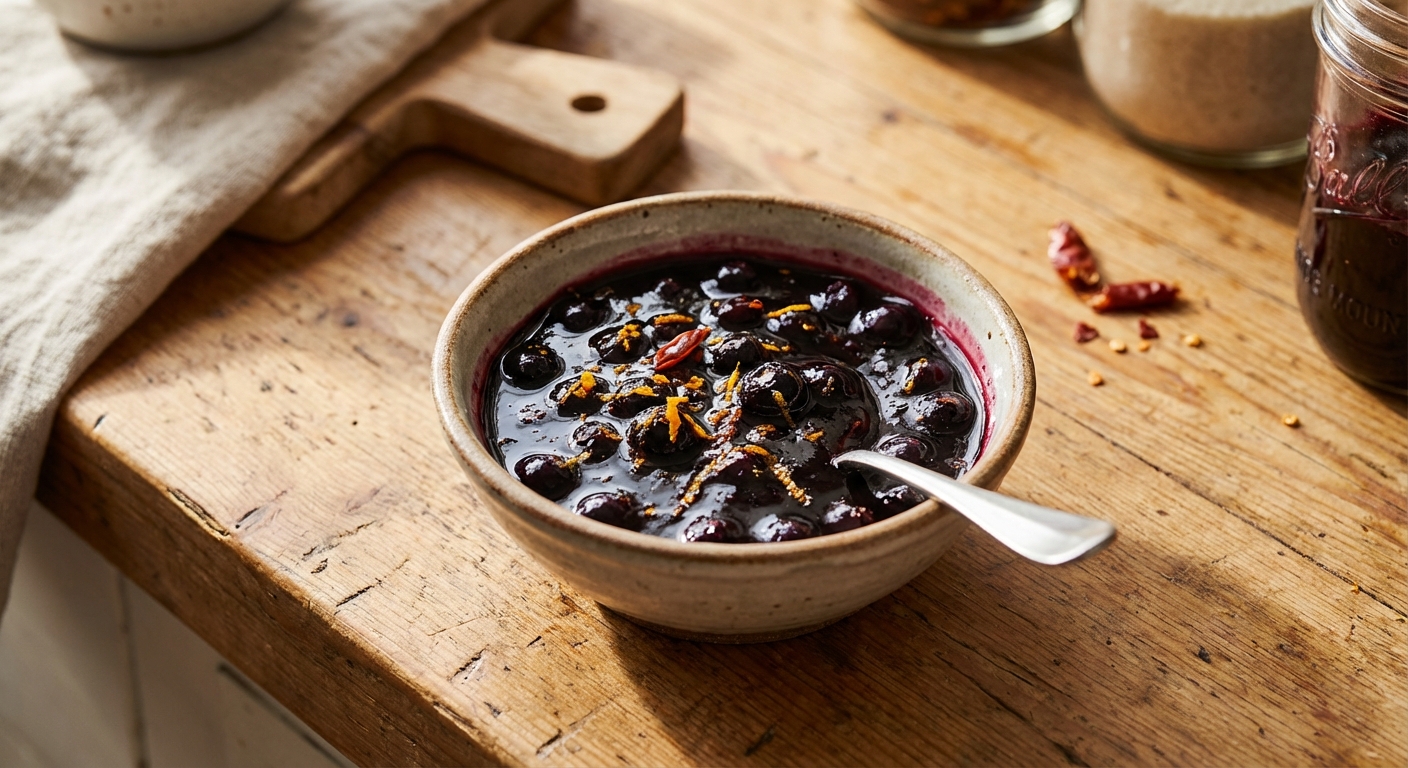
  • Quick Blueberry Sauce

  • Oven Bacon

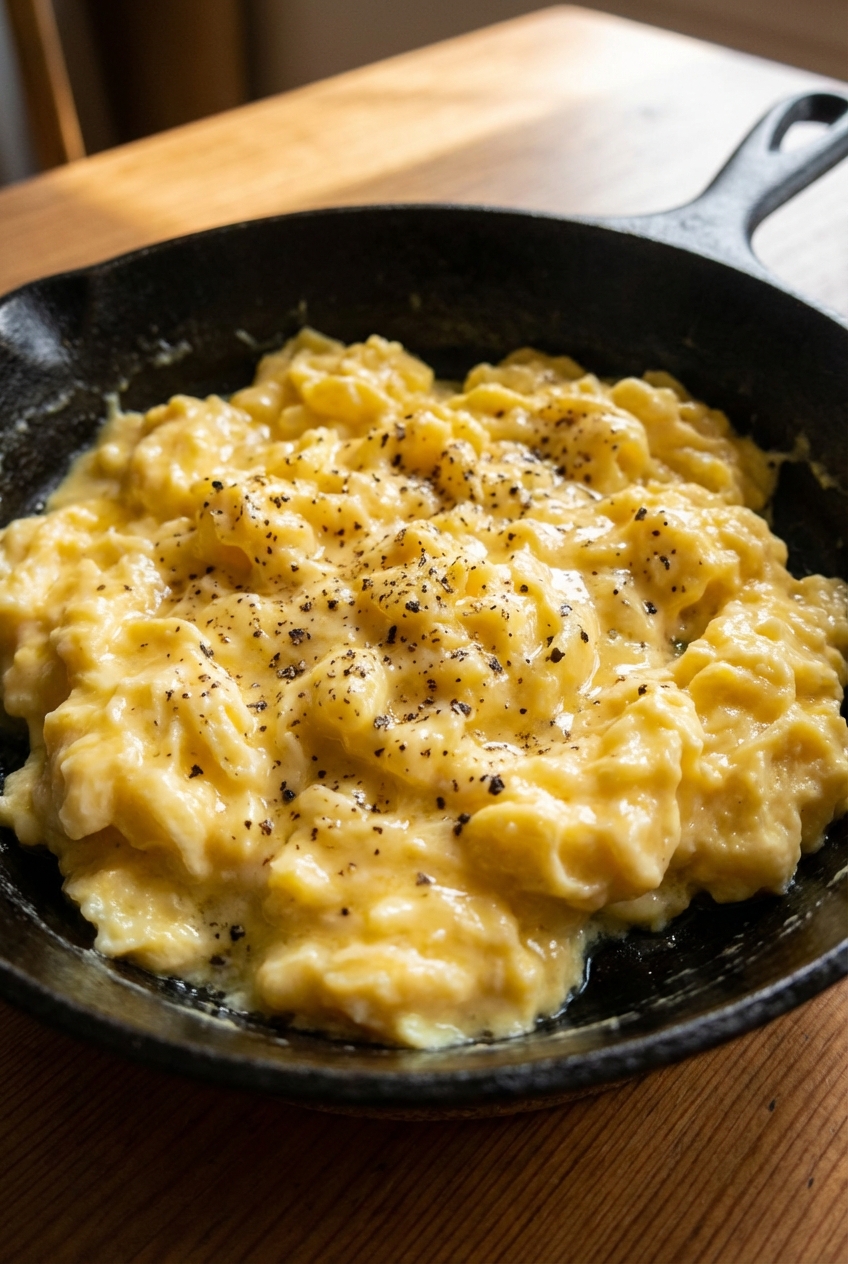
  • Soft Scrambled Eggs

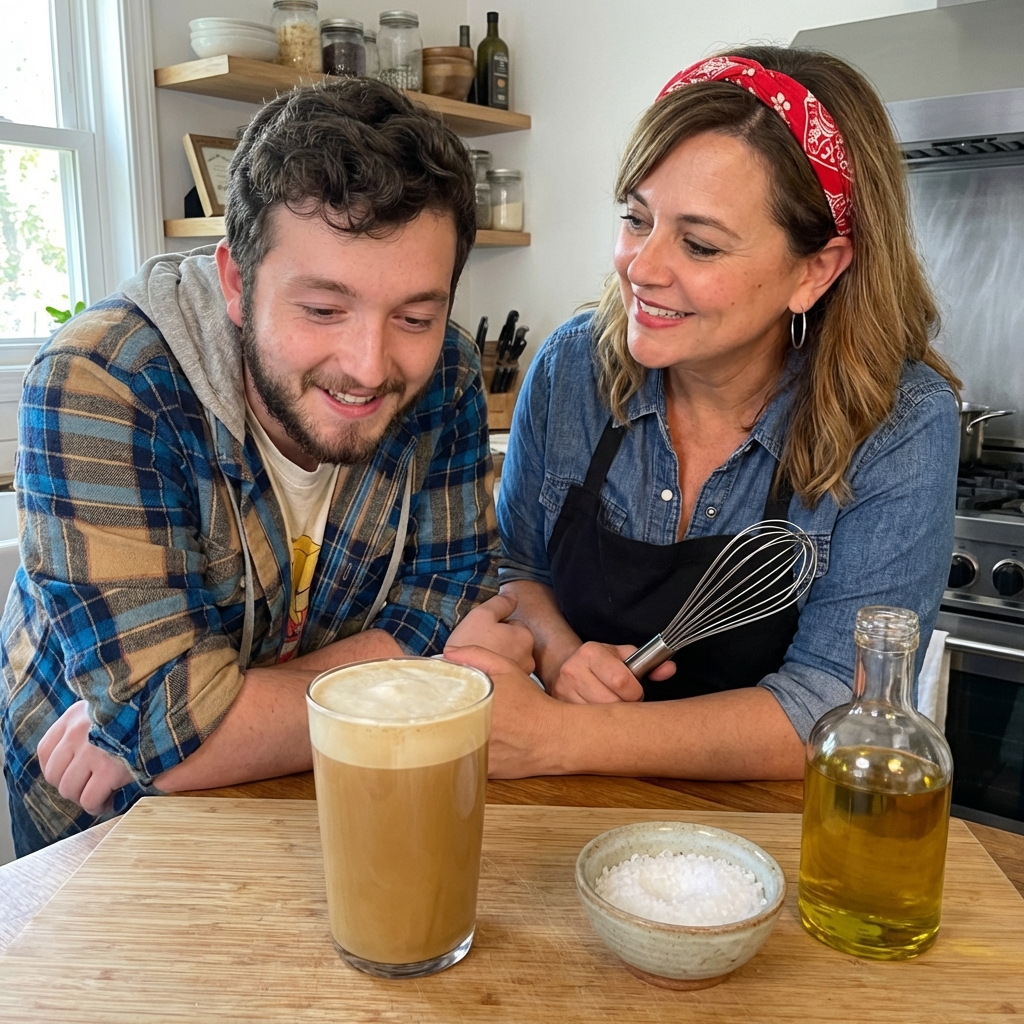
  • Maple Latte

Storage Tips

Fridge: Let hot cakes cool completely, then store in an airtight container with parchment between layers. They keep well for up to 3 days. For best food safety, refrigerate within 2 hours.

Freezer: Freeze in a single layer on a sheet pan until firm, then transfer to a freezer bag. They keep for up to 2 months. Parchment between them prevents hot-cake cement.

Reheat (best texture):

  • Toaster: Straight from the fridge or freezer. This brings back the edges.
  • Oven: 350°F for 8 to 12 minutes (add a few minutes if frozen). Stack loosely on a sheet pan.
  • Microwave: 20 to 40 seconds, but you will lose the crisp. Still tasty, just softer.

Common Questions

Why are you calling them “juicy” hot cakes?

Okay, fair. What I mean is moist and tender, not wet or undercooked. Buttermilk, a little brown sugar, and a short batter rest keep the centers soft even after they cool.

Can I make these without buttermilk?

Yes. In a measuring cup, combine 1 1/2 cups milk with 1 1/2 tablespoons lemon juice or white vinegar. Stir and let sit 5 minutes.

Important: This replaces both the 1 1/4 cups buttermilk and the extra 1/4 cup milk in the ingredient list (so you do not add additional milk).

The flavor will be a little less rich than true buttermilk, and the batter may be slightly thinner, but it still makes great hot cakes.

How do I know when to flip?

Look for bubbles on the surface and edges that look set and slightly dry. Peek under one after about 2 minutes. If it is golden, flip. Usually 2 to 3 minutes on the first side, 1 to 2 on the second.

Why are my hot cakes flat?

Most common causes: overmixing, old baking powder, or a pan that is too hot (sets the outside before the inside can rise). Mix gently, check leaveners, and keep heat at medium.

Can I add fruit or chocolate chips?

Absolutely. For blueberries, add them after resting or sprinkle them onto each cake right after pouring. For chocolate chips, same deal. This prevents the whole bowl from turning purple or melted.

I wanted to go to culinary school because I loved the romance of it, but what I really fell in love with was the practical side of cooking. Like learning how one tiny choice changes everything. Hot cakes taught me that early. Mix too hard and they get tough. Rush the pan heat and they burn before they cook through. But treat the batter gently, give it a short nap, and suddenly breakfast tastes like a small miracle you made in sweatpants.

This is the recipe I make when I need a win. It is simple, forgiving, and it makes the kitchen smell like somebody cares. Which, on a random Tuesday, is kind of the whole point.