Mom's Best Recipes
Recipe

Simple Ramen Noodle Recipe (Juicy & Tender)

A fast, cozy bowl of ramen with tender noodles, a glossy savory sauce, and a juicy protein option that tastes way more “real dinner” than “college snack.”

Author By Matt Campbell
4.8

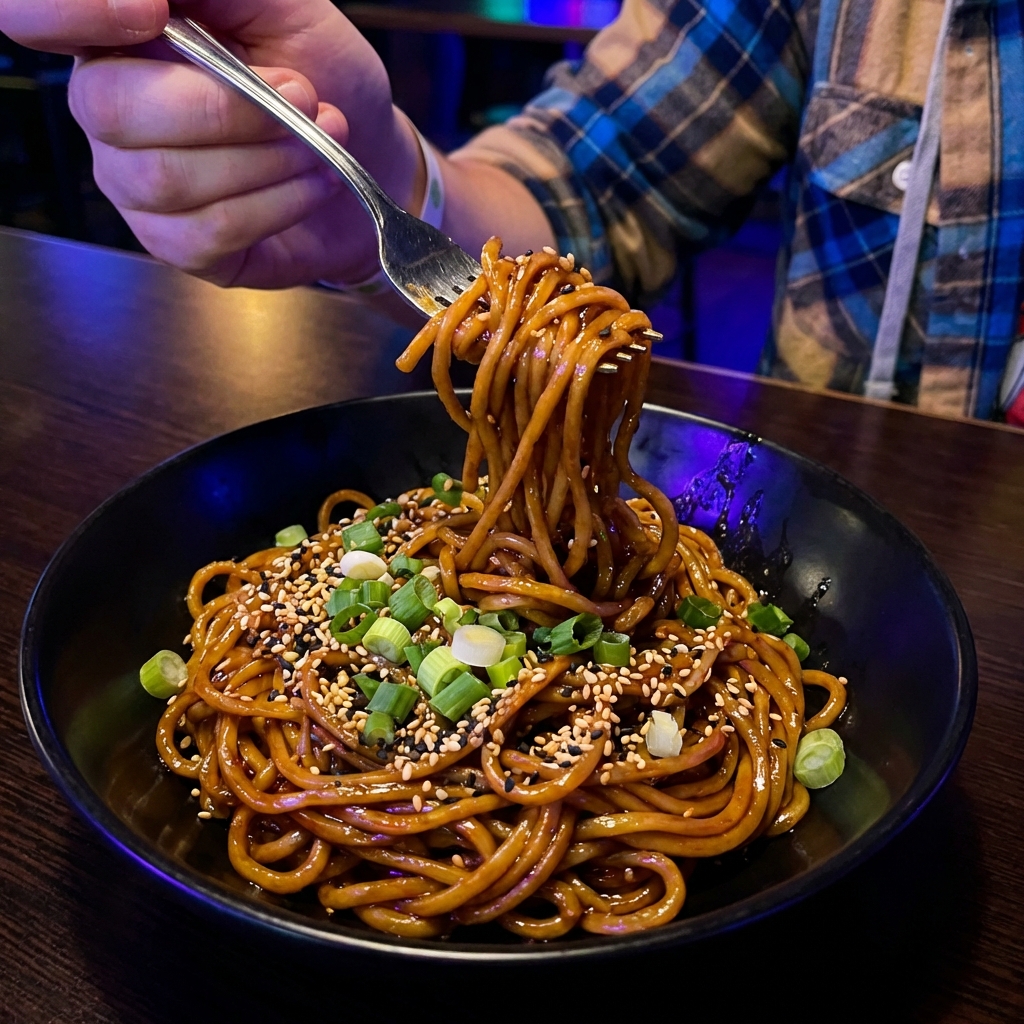
Ramen is one of those pantry miracles. It is cheap, fast, and wildly easy to upgrade. This is my go-to simple ramen noodle recipe when I want noodles that stay tender (not mushy) and a sauce that feels juicy (not watery). Think glossy, savory, a little sweet, a little tangy, and very “pause mid-bite” good.

The trick is not fancy ingredients. It is timing and a small, intentional sauce that clings to the noodles. We cook the noodles just until bouncy, then finish them in a quick skillet sauce so every strand drinks up flavor. Add a protein like chicken, shrimp, or tofu, and suddenly that packet ramen is wearing a blazer.

Why It Works

  • Tender noodles, not sad noodles: We undercook slightly, then finish in sauce so they stay springy.
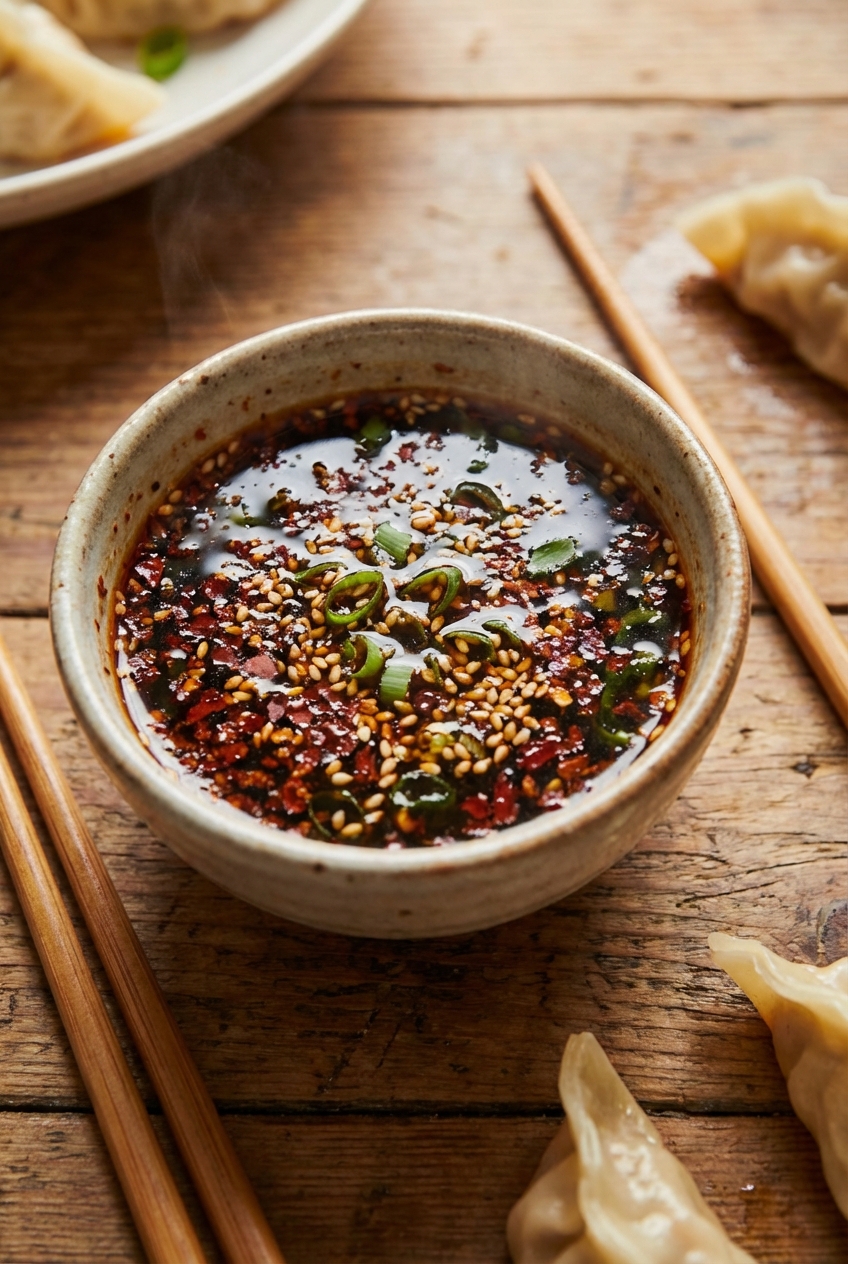
  • Juicy, glossy sauce: A quick mix of soy, garlic, a touch of sweet, and a splash of broth or water makes the noodles saucy without drowning them.
  • Big flavor with accessible stuff: Soy sauce, garlic, sesame oil, and a few optional add-ins you might already have.
  • Built for weeknights: One pot for noodles, one skillet for everything else. Minimal drama, maximum slurp.

Pairs Well With

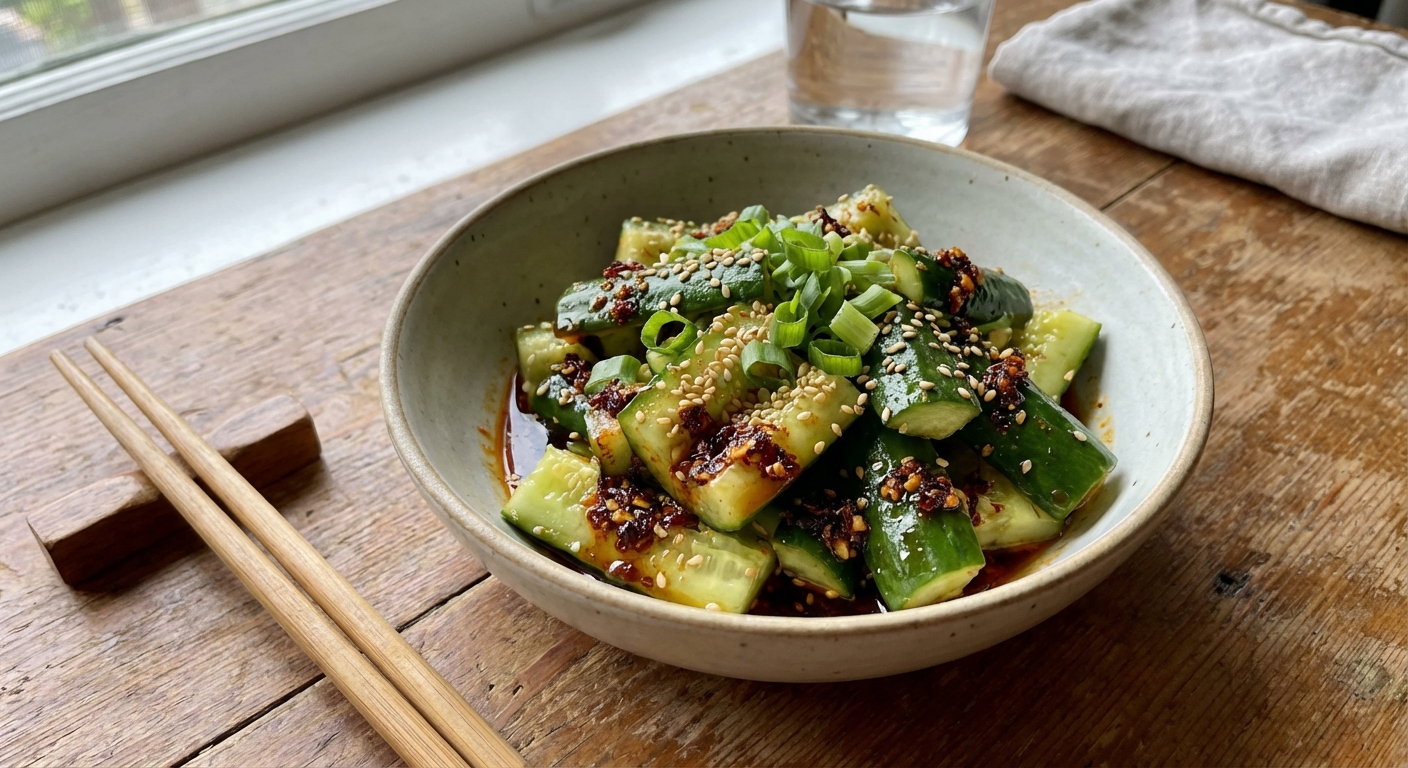
  • Sesame cucumber salad

  • Store-bought dumplings, pan-crisped

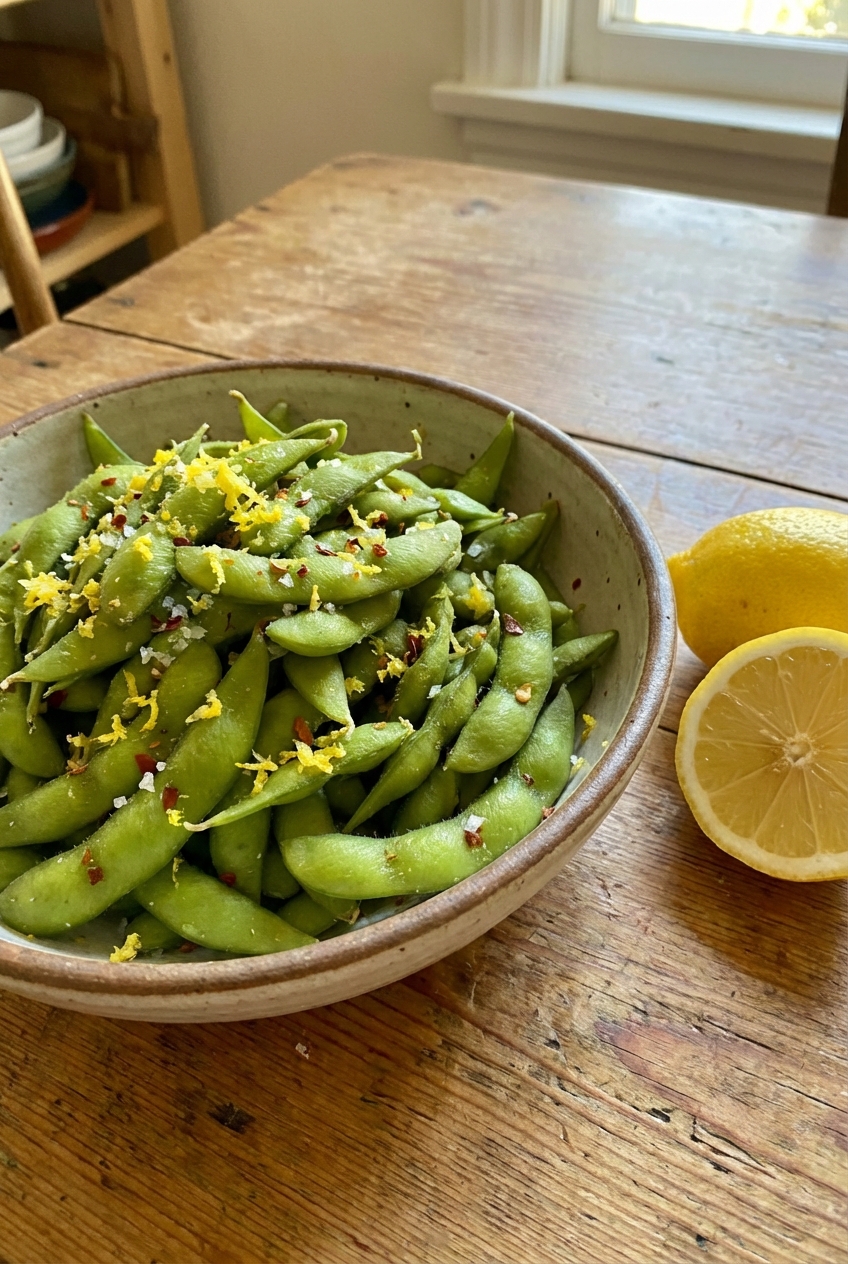
  • Quick salted edamame

  • Roasted broccoli with lemon

Storage Tips

Ramen is best fresh, but leftovers can still be really good if you store them smart. Quality drops quickly, so treat this as a next-day win, not a weeklong plan.

How to store

  • Cool fast: Refrigerate leftovers within 2 hours of cooking.
  • Fridge: Store in an airtight container for up to 3 days (best texture in the first 1 to 2 days). Keep your fridge at 40°F/4°C or colder.
  • Best move: If you can, store nails it for texture by keeping noodles and sauce separately. The noodles stay bouncier.

How to reheat (without turning noodles to paste)

  • Skillet method: Add noodles to a skillet with a splash of water or broth (1 to 2 tablespoons). Warm over medium heat, tossing until glossy again.
  • Microwave method: Add a splash of water, cover loosely, and heat in 30-second bursts, stirring between rounds.

Freezing

I do not recommend freezing cooked ramen noodles. The texture takes a hit. If you want a freezer option, freeze the cooked protein and keep noodles in the pantry.

Common Questions

Do I use the seasoning packet?

You can, but this recipe is designed to taste great without it. If you want extra punch, start with 1 teaspoon of the packet (brands vary a lot), stir it into the sauce, then taste before adding more. If you add the packet, consider using low-sodium soy sauce or reducing soy slightly so it does not get too salty.

How do I keep ramen noodles tender and not mushy?

Cook them 1 minute less than the package says, then finish them in the skillet sauce for 30 to 60 seconds. If you want to stop the cooking fast, do a very quick rinse under cool water, but keep it brief so you do not wash away too much surface starch (that starch helps sauce cling).

What makes it “juicy”?

Instead of fully draining the noodles and hoping for the best, we use a small amount of broth or water plus sauce ingredients to create a glossy, clingy coating. It is saucy enough to feel luxurious, not soupy enough to dilute flavor.

Can I make it spicy?

Yes. Add 1 to 2 teaspoons sriracha, chili garlic sauce, or gochujang. You can also finish with chili crisp on top.

Can I add vegetables?

Please do. Quick-cooking vegetables work best: shredded cabbage, baby spinach, frozen peas, matchstick carrots, mushrooms, or bok choy. Add sturdier veg (mushrooms, cabbage, bok choy) earlier, and toss in quick ones (peas, spinach) right at the end so they stay bright.

Is this broth ramen?

This is more of a saucy ramen (think glossy noodles) that you can turn into a brothier bowl by adding an extra 1 to 1 1/2 cups of broth at the end.

Any easy swaps for oyster sauce?

Yes. Oyster sauce contains shellfish. For a vegetarian option, use mushroom oyster sauce, or swap in hoisin (a little sweeter) plus an extra splash of soy sauce to taste.

The first time I tried to “upgrade” ramen, I went full chaos mode and threw everything in at once. The noodles went soft, the sauce got thin, and I still ate it standing at the counter like a raccoon with a degree. This version is the calmer, better sequel. One quick sauce, noodles cooked just shy of done, and a final toss in the skillet until everything turns glossy. It is the kind of weeknight bowl that makes you feel like you have your life together, even if your sink says otherwise.