Mom's Best Recipes
Recipe

Simple Scone Recipe

Soft-centered, crisp-edged scones loaded with juicy berries and bright lemon. One bowl, one baking sheet, and zero fussy pastry drama.

Author By Matt Campbell
4.8
A real photograph of golden berry scones on a parchment-lined baking sheet with a few fresh berries scattered nearby

Scones have a reputation for being a little… dry. Like they were baked specifically to make you appreciate coffee. Not these.

This is my go-to simple scone recipe when I want something bakery-cozy but still very much doable in a home kitchen. The trick is keeping the dough cold, mixing just until shaggy, and using juicy fruit plus a little lemon to keep every bite bright.

You will get tender insides, crisp edges, and pockets of fruit that burst like tiny jam bombs. If your dough looks a bit messy, congratulations. You are doing it right.


A real photograph of hands mixing shaggy scone dough in a large mixing bowl with visible butter pieces

Why It Works

  • Juicy, not soggy: We toss the berries in a little flour, which helps them stay suspended in the dough and reduces excess bleed.
  • Tender, not tough: Cold butter plus minimal mixing gives you flaky layers instead of a bread-like crumb.
  • Big flavor, simple pantry: Lemon zest, vanilla, and a lightly sweet dough make the fruit taste louder without adding extra steps.
  • Strong rise: Baking powder does the heavy lifting, and a hot oven sets the edges fast for those crisp corners. For best results, make sure your baking powder is fresh.

Pairs Well With

Storage Tips

Scones are at their absolute peak the day they are baked, but you have options.

Room temperature

  • Store in an airtight container for up to 2 days.
  • If they soften, pop them in a 300°F oven for 6 to 8 minutes to bring back the edges.

Refrigerator

  • I only refrigerate if your kitchen is very warm. Otherwise, the fridge can dry them out.
  • If you do refrigerate, wrap well and warm before eating.

Freezer (best move)

  • Freeze baked scones: cool completely, wrap individually, freeze up to 2 months. Rewarm at 325°F for 10 to 12 minutes.
  • Freeze unbaked scones: cut and place on a tray to freeze solid, then bag. Bake from frozen, adding 2 to 4 minutes.

Common Questions

What makes scones dry, and how do I avoid it?

Overmixing and too much flour are the usual suspects. Mix just until the dough looks shaggy, then stop. Also, spoon and level your flour instead of scooping straight from the bag. If you can, weigh it for extra accuracy.

Can I use frozen berries?

Yes. Use them straight from frozen so they do not bleed as much. Toss with the flour as written, and expect an extra minute or two in the oven.

Can I make these without fruit?

Totally. Skip the berries and add 1/2 cup chocolate chips or 1/2 cup chopped toasted nuts, or keep it plain and go heavier on the lemon zest.

Why is my dough sticky?

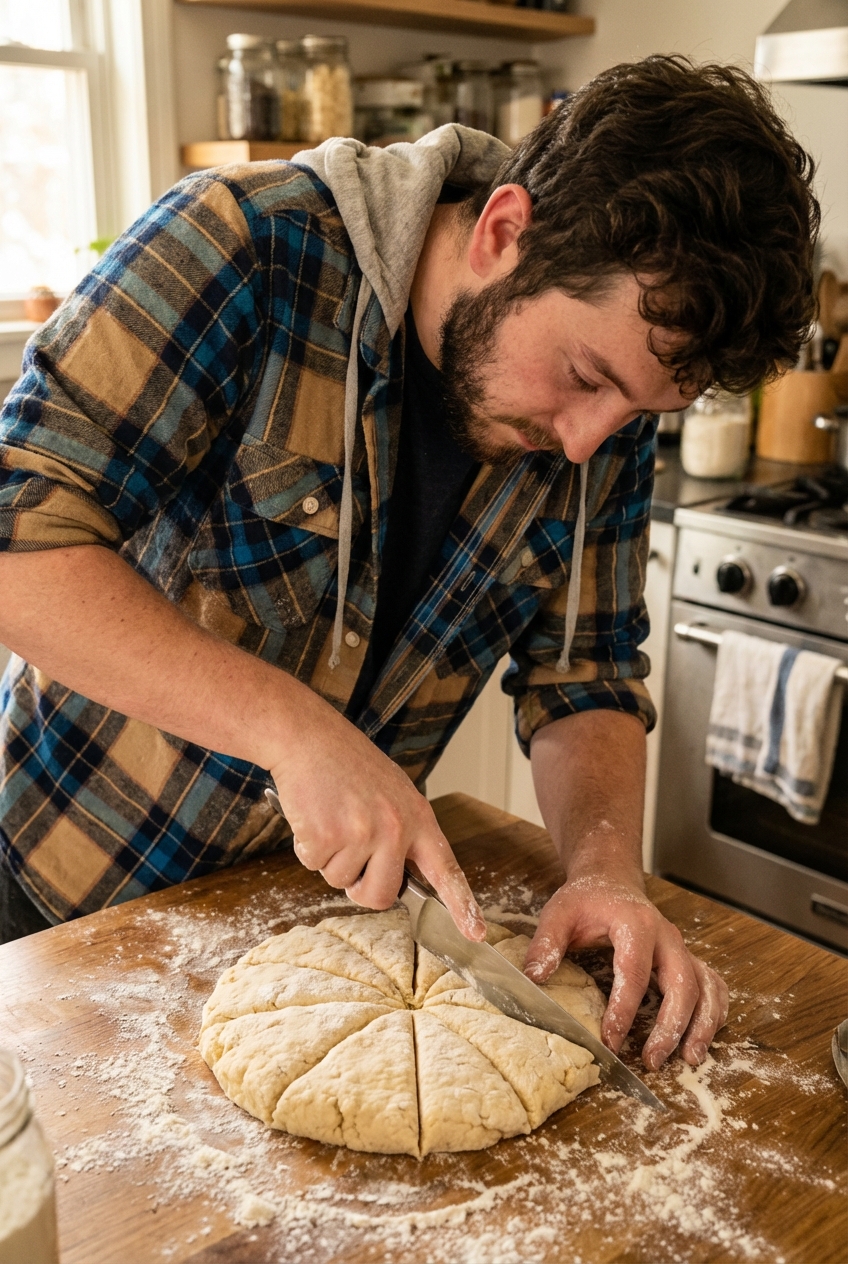
Juicy fruit and humidity can do that. Lightly flour your hands and the counter, and work quickly. If it feels too soft to cut cleanly, chill the shaped disc for 10 minutes.

Do I need a pastry cutter?

Nope. Your fingertips work, or you can grate frozen butter on a box grater for very low effort, very good results.

My scones did not rise much. What happened?

Two common culprits: warm butter and tired baking powder. Keep everything cold, handle the dough gently, and if your baking powder has been open for a while, consider replacing it for best lift.

I started making scones when I was chasing that bakery vibe at home, you know, the one where everything smells like butter and your coffee suddenly tastes better. The first batch I ever made could have doubled as paperweights. I learned fast that scones are not about perfection. They are about cold butter, quick hands, and giving the dough a little space to be messy.

Now I make these when I want something that feels special but still fits into real life. They are the kind of bake that lets you be slightly chaotic in the kitchen and still come out with a tray of golden, juicy wins.