Mom's Best Recipes
Recipe

Simple Libby’s Style Pumpkin Pie

Classic, creamy pumpkin filling with warm spice and a tender set, all in an easy, no-drama method that works every time.

Author By Matt Campbell
4.8
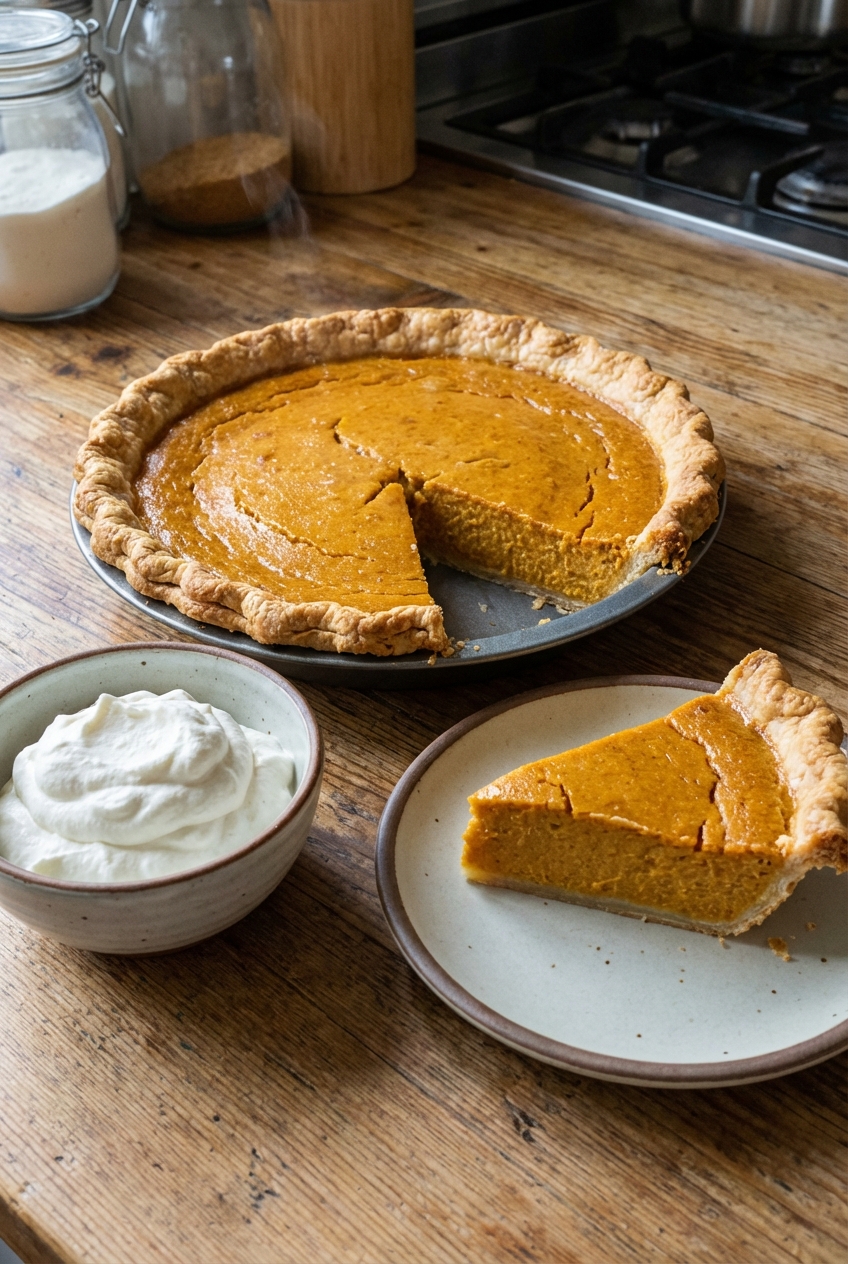
A freshly baked pumpkin pie in a flaky crust on a wooden table with a slice removed and a dollop of whipped cream nearby

If you want a pumpkin pie that tastes like the holidays but cooks like a weeknight, this is the one. It is the classic Libby’s style pie: silky custard, cozy spice, and that clean pumpkin flavor that makes you sneak a second sliver when nobody is looking.

I’m calling it silky and tender because the filling stays moist and creamy instead of turning grainy or cracked. The secret is not fancy. It is the right ratio of eggs to dairy, mixing gently, and baking in two stages so the crust sets up while the custard stays soft.
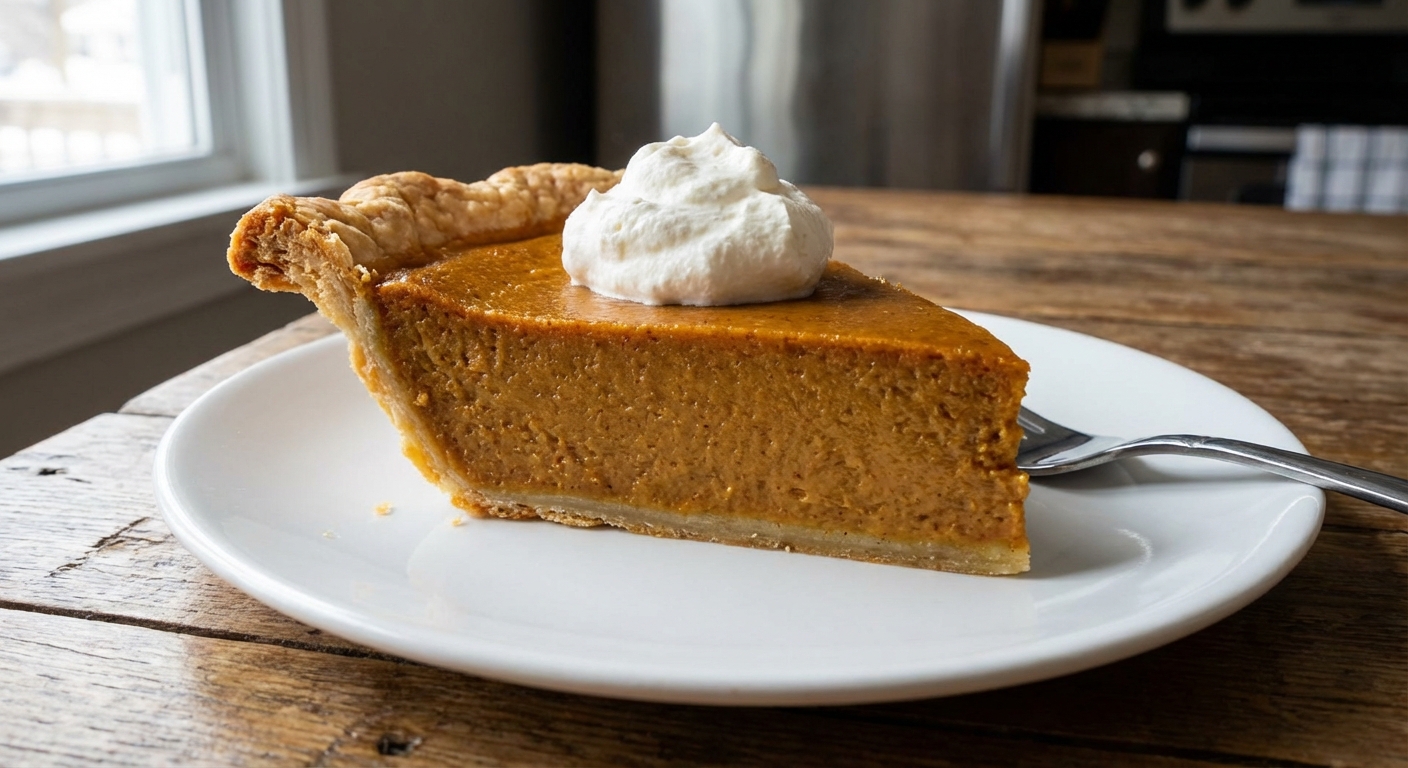
A close-up photograph of a slice of pumpkin pie showing a smooth, creamy filling and a golden flaky crust

Why It Works

  • Consistent texture: A smooth, custardy filling that sets cleanly without getting rubbery.
  • Bright spice flavor: Cinnamon and pumpkin pie spice taste warm, not dusty, thanks to a pinch of salt and a proper bake.
  • Beginner-friendly: One bowl, one whisk, and clear cues for doneness so you are not guessing.
  • Crust that actually holds up: A quick high-heat start helps the bottom crust avoid sogginess.

Pairs Well With

Storage Tips

Refrigerate: Let the pie cool fully at room temperature, then cover loosely and refrigerate for up to 4 days.

Freeze: Wrap chilled pie (or individual slices) tightly in plastic wrap, then foil. Freeze up to 1 month for best texture. Thaw overnight in the fridge.

Serving after chilling: Pumpkin pie is best cold or just barely warmed. If you want it warm, microwave slices in 10 to 15 second bursts so the custard stays tender.

Common Questions

Do I need to pre-bake the crust?

Not for this method. Starting the pie at a higher temperature helps the crust set quickly. If you love an extra crisp bottom, you can blind bake a homemade crust for 10 minutes, but it is optional.

How do I know when pumpkin pie is done?

Look for the “jiggle test.” The outer 2 inches should look set, and the center should wobble like gelatin, not slosh like liquid. It will keep setting as it cools.

Why did my pie crack?

Cracks usually mean it baked a little too long or cooled too fast. Pull it when the center still has a gentle wobble, and cool it on a rack away from cold drafts.

Can I use sweetened condensed milk instead of evaporated milk?

You can, but you should not swap it 1:1. Sweetened condensed milk is already sweetened and thicker, so it changes both sweetness and texture. If you want to use it, follow a recipe written specifically for sweetened condensed milk to keep the custard from turning out overly sweet or too soft.

Can I make it ahead?

Absolutely. Pumpkin pie is a make-ahead champion. Bake it the day before, chill overnight, and top with whipped cream right before serving.

The first time I made this pie solo, I did the classic home cook move: I stared into the oven like it was going to send me a text when it was done. It did not. What finally clicked was learning the jiggle. Now I bake pumpkin pie like I cook for friends: relaxed, slightly chaotic, and always tasting the pumpkin, sugar, and spice mixture before the eggs go in. If it tastes great at that stage, it bakes up even better. This one is my go-to when I want maximum comfort with minimum fuss, and it never fails to make the kitchen smell like you have your life together.