Mom's Best Recipes
Recipe

Simple Mahi Mahi Recipe

An easy, weeknight mahi mahi that stays juicy with a quick lemon garlic butter sauce and a fast pan sear for crisp edges.

Author By Matt Campbell
4.8

Mahi mahi is one of those fish that makes you feel like you have your life together, even if your kitchen is a little chaotic and you are still looking for the clean tongs. It cooks fast, tastes clean and slightly sweet, and it is basically built for bright flavors like lemon, garlic, and herbs.

This simple mahi mahi recipe is my go-to when I want juicy, tender fish with crisp edges and a sauce that tastes like it took way longer than it did. We are keeping it accessible: a quick seasoning, a confident sear, and a lemony butter pan sauce that you can spoon over everything on your plate. Yes, including the rice.
Why It Works

  • Juicy fish, not dry: We cook mahi mahi just until it turns opaque and flakes easily, then let it rest for a minute so the juices stay put.
  • Crisp edges, tender center: A hot pan plus a light dusting of seasoning gives you that restaurant-style sear without breading.
  • Fast pan sauce: Lemon juice, butter, and a little garlic turn the browned bits into a glossy sauce in about a minute.
  • Adaptable method: Works with fresh or thawed frozen fillets and adjusts easily based on thickness and your favorite spices.

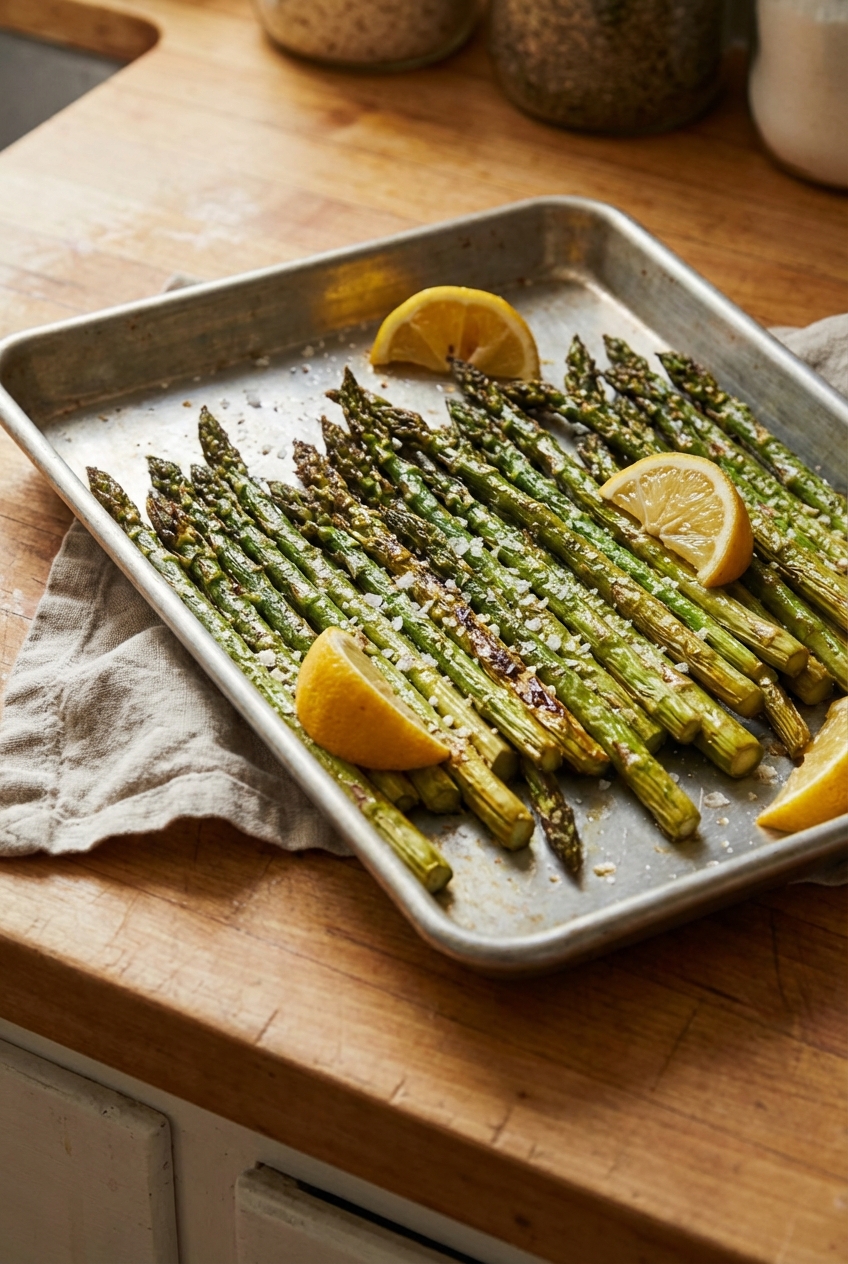
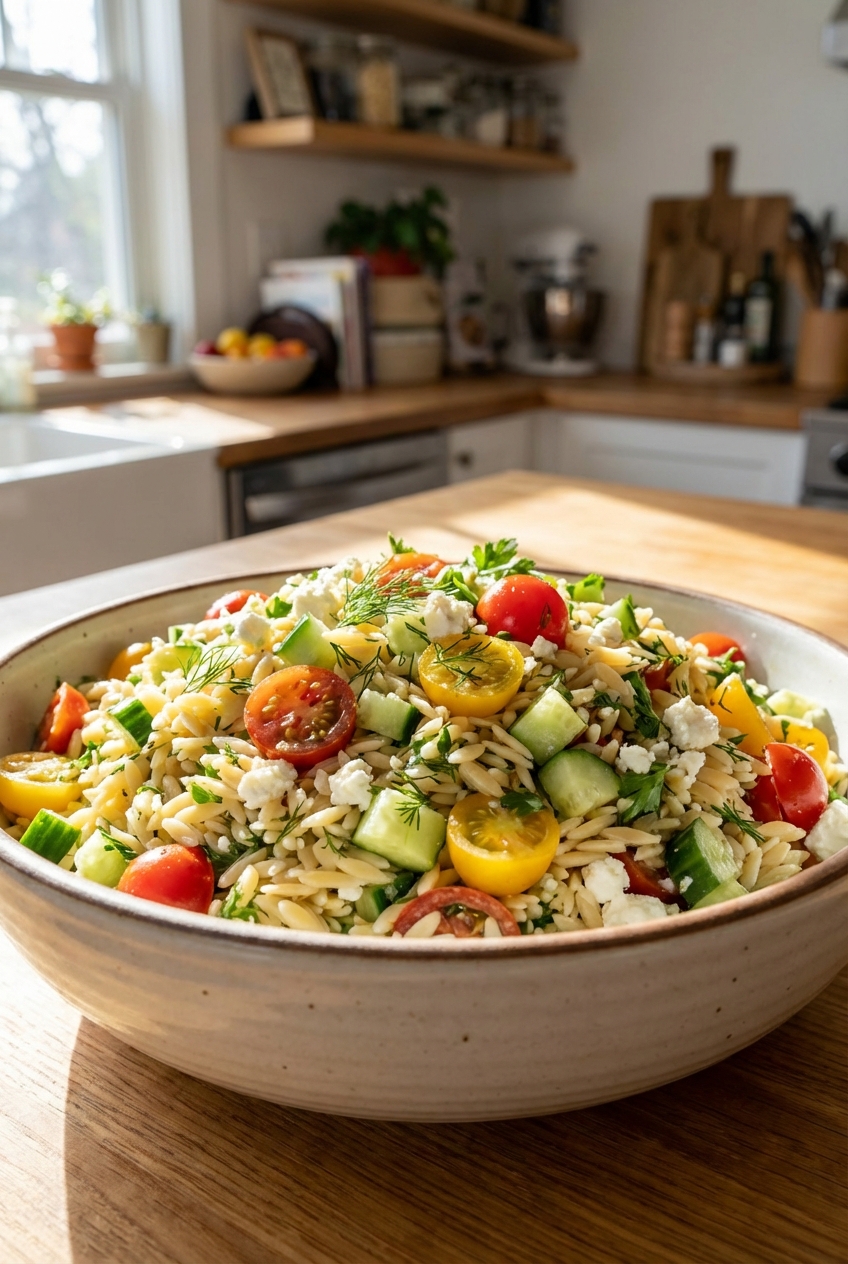
Pairs Well With

Storage Tips

Mahi mahi is best fresh, but leftovers can still be solid if you treat them gently.

Refrigerator

  • Cool the fish quickly, then store in an airtight container.
  • Keep it for up to 2 days for best texture.
  • Store any extra sauce separately if you can, then spoon it on after reheating.

How to reheat without drying it out

  • Skillet (best): Add a tiny splash of water or broth, cover, and warm over low heat just until heated through.
  • Microwave (fine): Use 50 percent power in short bursts. Stop as soon as it is warm.

Freezer

  • You can freeze cooked mahi mahi, but it can turn a little drier. Wrap tightly and freeze up to 1 month.
  • Thaw overnight in the fridge and reheat gently.

Common Questions

How do I know mahi mahi is done?

It should turn opaque and flake easily with a fork. For the most reliable results, use an instant-read thermometer in the thickest part.

  • For best texture: many cooks pull fish at 135°F to 140°F and let it rest a couple minutes for carryover cooking.
  • For the USDA guideline: cook finfish to 145°F.

Overcooking is the main reason it turns dry, so keep an eye on it, especially with thinner fillets.

Can I use frozen mahi mahi?

Yes. Thaw overnight in the fridge, then pat it very dry before seasoning. Moisture is the enemy of a good sear.

What if my fillets are really thick or really thin?

Timing depends on thickness. Thin fillets cook fast, so start checking early. Thick fillets may need an extra minute or two per side. If the outside is browning too quickly, lower the heat slightly and give it time.

Can I bake this instead of pan-searing?

You can. Bake at 400°F until opaque, usually 10 to 14 minutes depending on thickness. You can still make the lemon butter sauce in a small saucepan.

Is mahi mahi a mild fish?

Yes, it is mild and slightly sweet, which makes it great for picky eaters and bold sauces alike.

I started making mahi mahi on nights when I wanted something that felt a little fancy but did not demand a sink full of dishes. It is the kind of fish that rewards you for doing the small things right: dry it off, heat the pan, do not mess with it too soon. The first time I nailed that golden sear and finished it with lemon butter, I literally paused mid-bite like, okay wow, this is the move. Now it is my reliable “I have 20 minutes and I still want dinner to feel special” recipe.