Mom's Best Recipes
Recipe

Simple Pho Recipe

A cozy, weeknight-friendly beef pho style soup with a bright, aromatic broth and juicy, tender slices of steak. Clear steps, accessible ingredients, big payoff.

Author By Matt Campbell
4.8
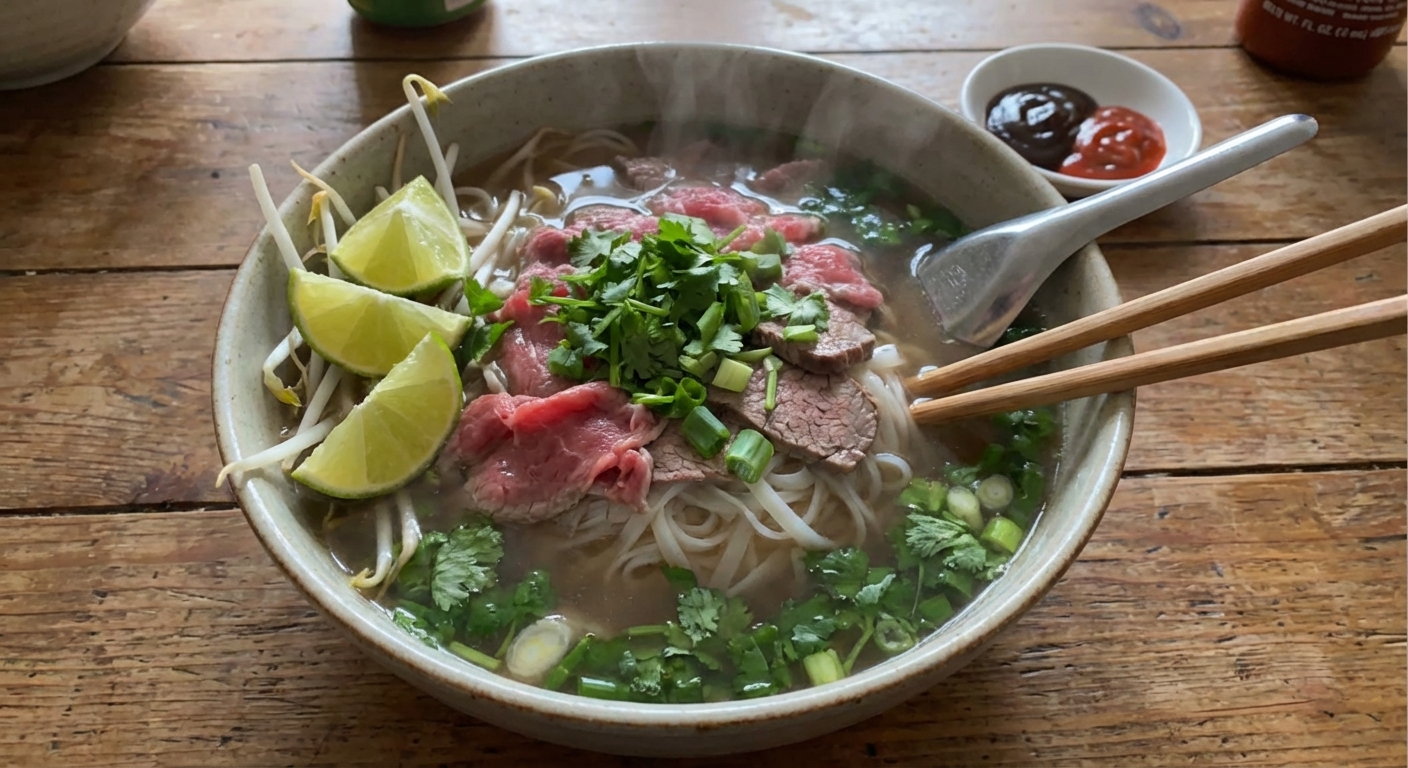
A steaming bowl of beef pho with rice noodles, thin slices of steak, cilantro, green onions, and lime wedges on a wooden table

Pho is one of those dishes that feels like it should take all day, require a secret family recipe, and come with a side of culinary intimidation. The good news is you can make a deeply comforting bowl at home without turning your kitchen into a science project.

This is a weeknight pho style beef noodle soup that leans on a few smart shortcuts while still keeping the soul of the dish intact: a clear, aromatic broth that tastes like you actually cared, rice noodles that stay springy, and juicy, tender beef that cooks right in the bowl. The vibe is relaxed. The flavor is not.
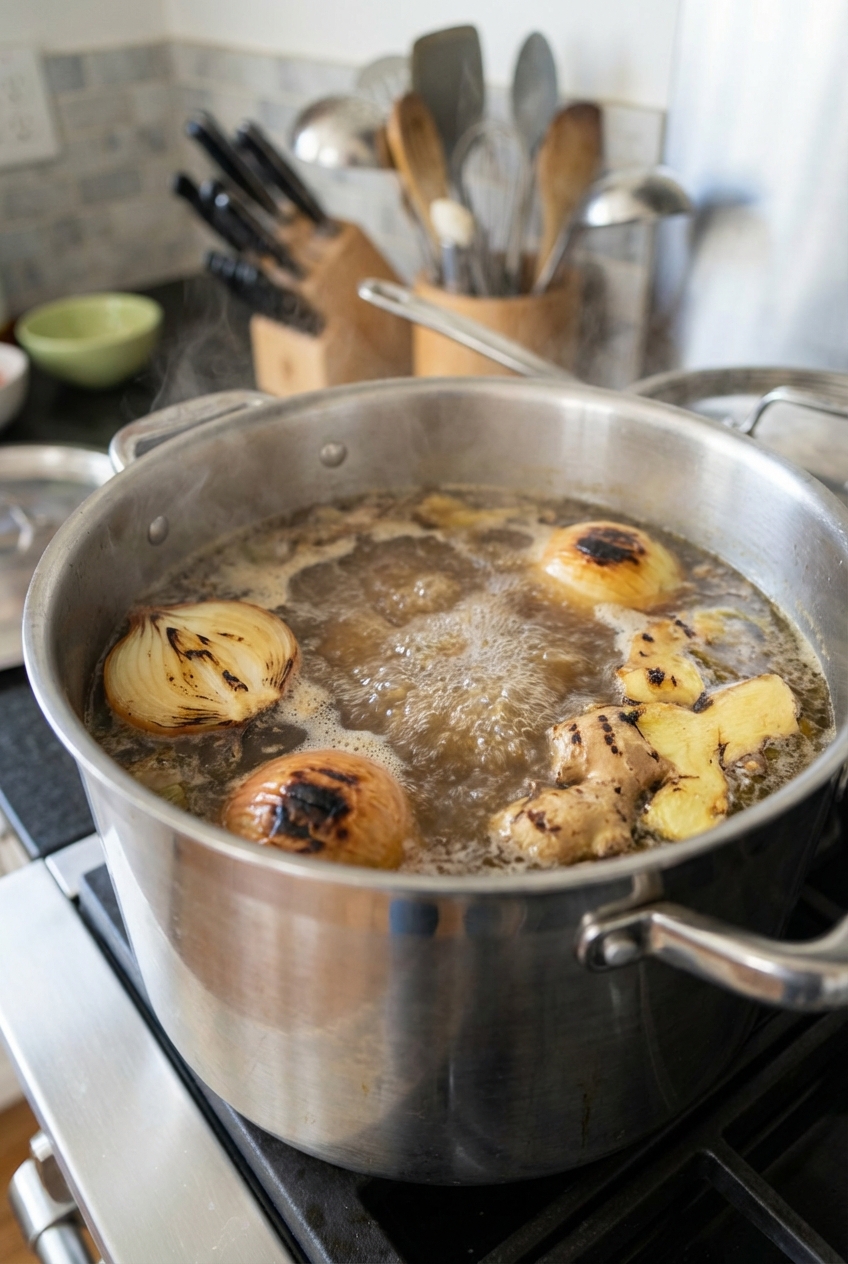
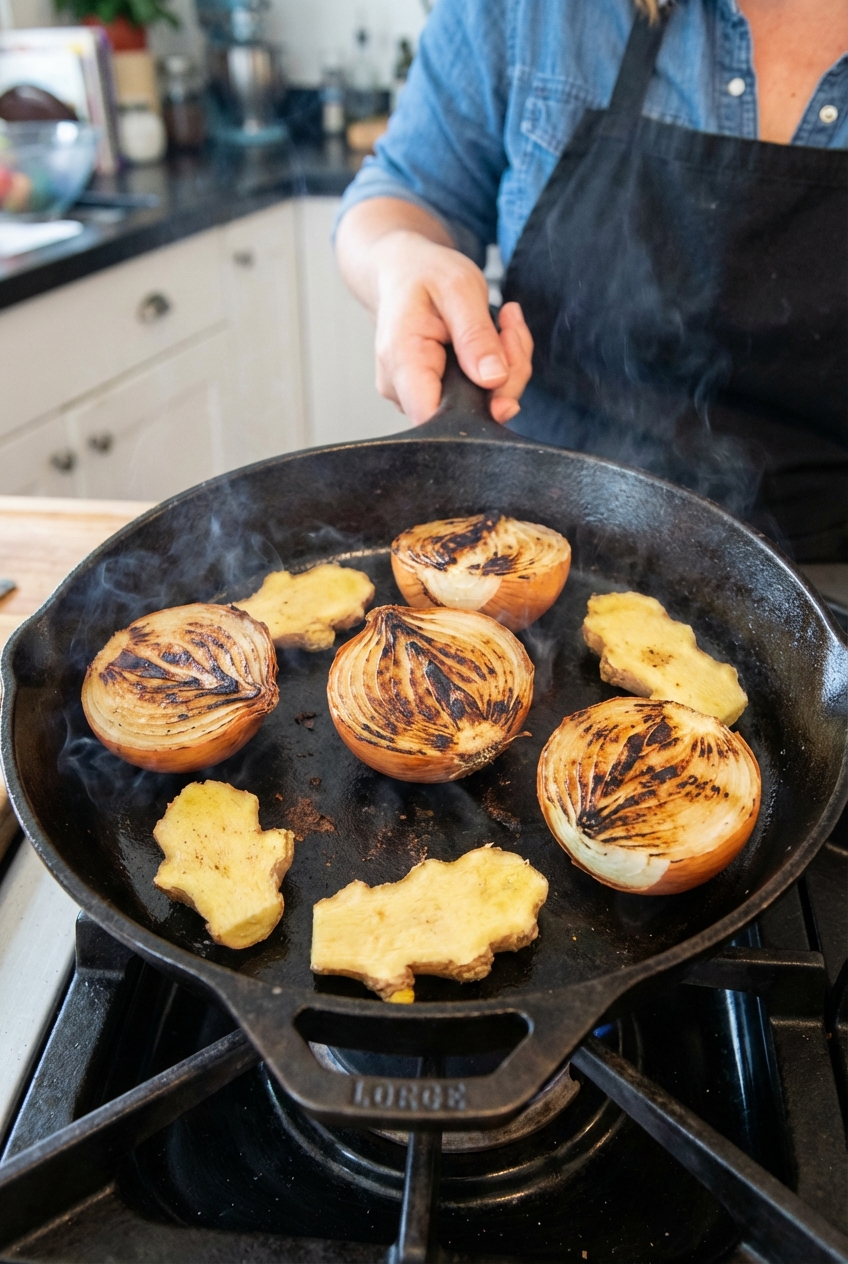
A pot of pho broth simmering on a stovetop with onion and ginger halves floating on the surface

Why It Works

  • Big flavor, less drama: Charring onion and ginger adds that signature pho style depth fast.
  • Clear, clean broth: A gentle simmer plus a quick skim keeps it bright, not muddy.
  • Juicy and tender beef: Thinly sliced steak cooks from the hot broth so it stays soft, not overdone.
  • Customizable bowls: Everyone can build their own with herbs, lime, chiles, and sauces.

Pairs Well With

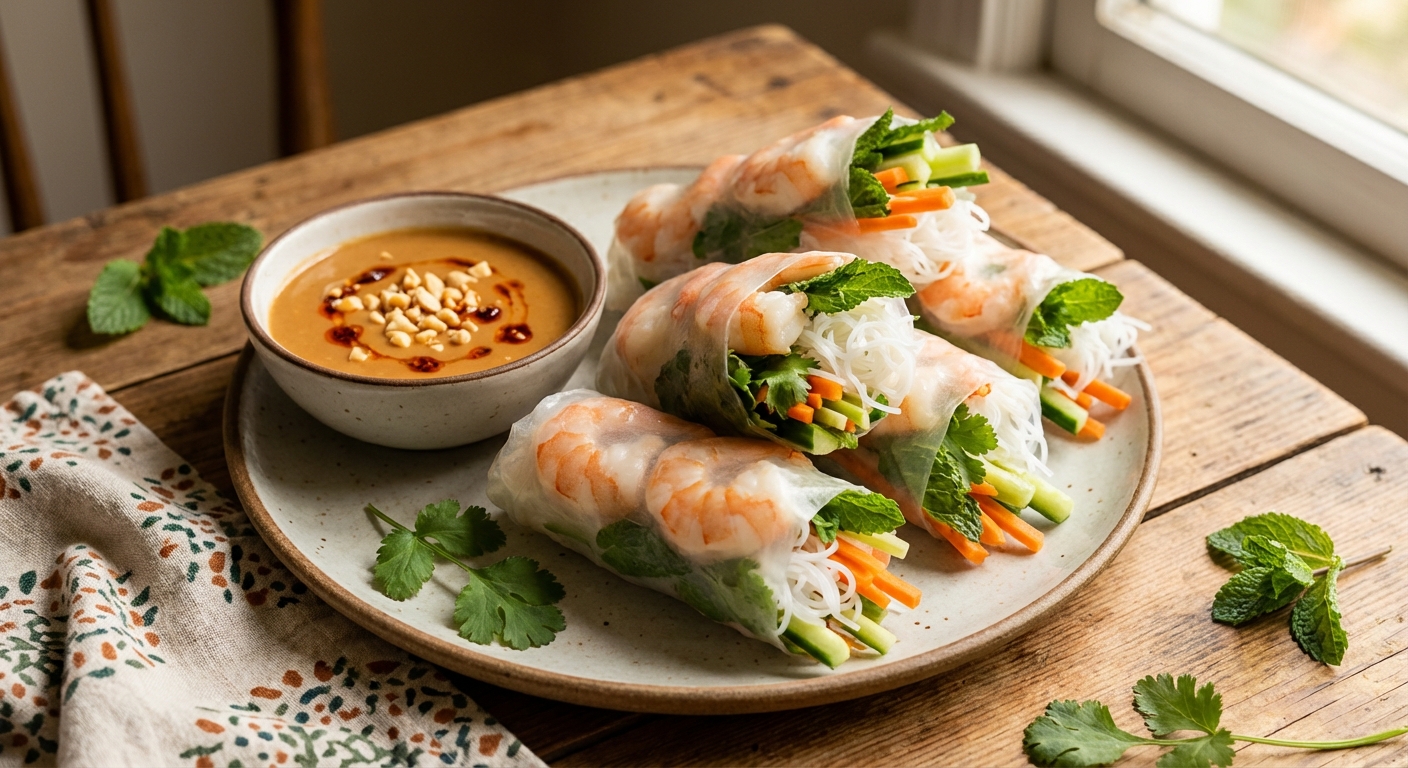
  • Vietnamese spring rolls (goi cuon) with peanut sauce
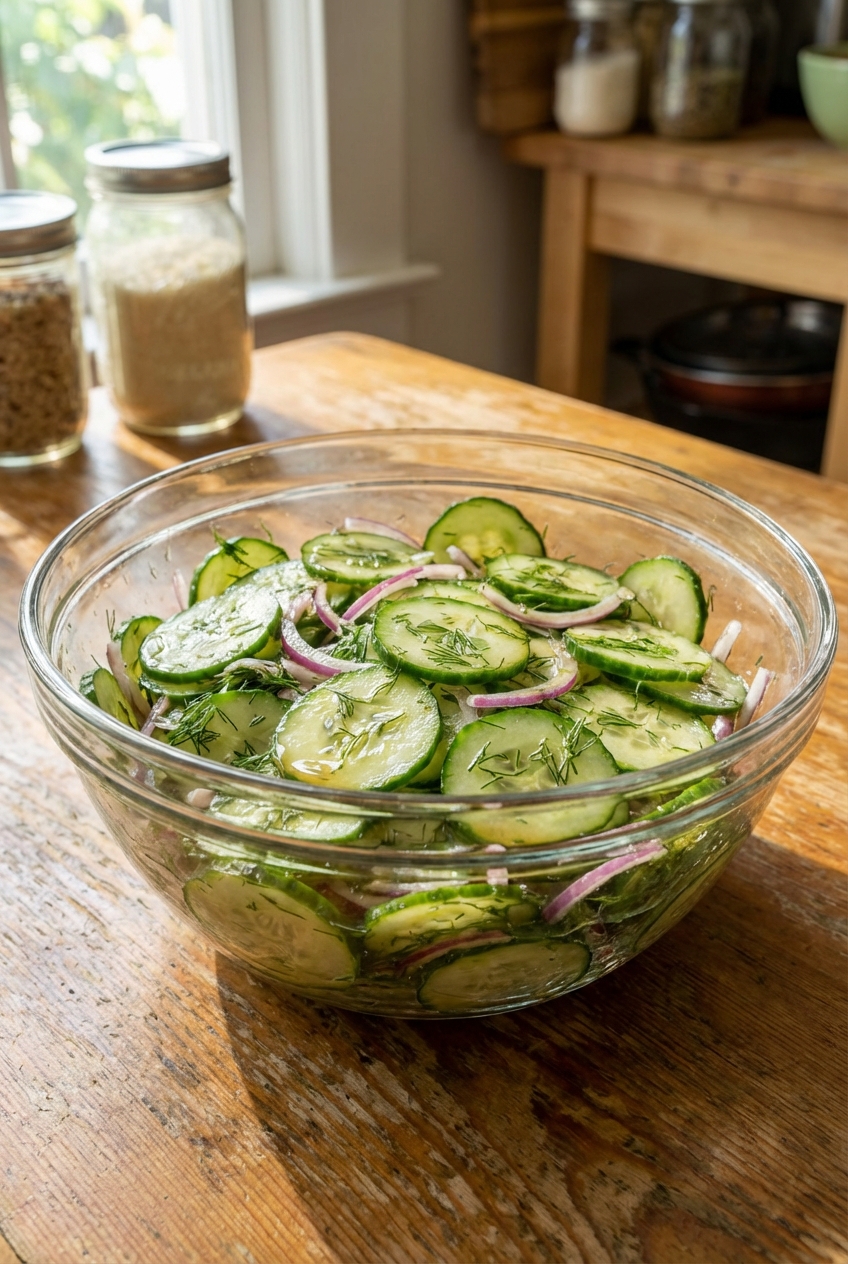
  • Quick cucumber salad with rice vinegar and sesame
  • Crispy egg rolls from the freezer, baked until blistered
  • Iced coffee or jasmine tea to balance the heat

Storage Tips

Keep It Fresh

Pho leftovers are all about separation. Store the components like you are running a tiny, delicious noodle bar.

  • Broth: Cool, then refrigerate in an airtight container up to 4 days. Freeze up to 3 months. Skim off any solidified fat before reheating if you want it lighter.
  • Noodles: Refrigerate up to 2 days. Toss with a tiny splash of neutral oil to reduce sticking. Reheat by dunking in hot water for 10 to 20 seconds.
  • Beef: If it is already cooked, store up to 3 days. Reheat gently in hot broth off the boil so it stays tender.
  • Herbs and bean sprouts: Best fresh. If you must store, wrap herbs in a lightly damp paper towel in a bag or container for 2 to 3 days. Bean sprouts are best within 1 to 2 days.

Best reheat move: Bring broth to a simmer, prep noodles and toppings, then pour broth over the bowl. Avoid boiling the assembled bowl unless you like overcooked noodles.

Common Questions

Common Questions

What cut of beef is best for juicy, tender pho?

Use a tender cut that can be sliced thin: ribeye is a great choice for flavor and softness, but sirloin, strip steak, or tenderloin work too. For a more traditional pho shop vibe, try eye of round or top round sliced paper thin. Freeze the steak for 15 to 20 minutes, then slice it paper thin against the grain.

Do I have to use bones?

No. Traditional pho often uses beef bones, but this simpler version uses a mix of beef stock and a small amount of fish sauce plus aromatics to build that savory backbone. If you want an upgrade, add a couple of marrow bones or oxtail pieces and simmer longer.

How do I keep the broth from tasting like plain beef stock?

Char the onion and ginger, toast the spices, and do not skip the fish sauce. Those three moves turn “stock” into “pho style.” Finish with lime and fresh herbs in the bowl for the pop.

Can I make pho ahead for meal prep?

Yes. Make the broth up to 3 days ahead, slice the beef, and prep toppings. Cook noodles right before serving, or store them separately so they do not absorb all the broth.

Is hoisin or sriracha required?

Not required, but very welcome. I like using them as dipping sauces for the beef, not dumping them into the broth, so the broth stays clean and fragrant.

Any allergy notes?

Fish sauce contains fish. Hoisin often contains soy and wheat. Check labels if you are cooking for allergies.

The first time I tried making pho at home, I treated it like a weekend project and still somehow ended up hungry and annoyed. Later I realized the part I actually wanted most was not the marathon, it was the moment you pour steaming broth over a bowl of noodles and everything wakes up. This version is my happy medium: enough ritual to feel special, simple enough that I can pull it off on a Tuesday, and just chaotic enough when everyone starts building their bowls like it is a topping buffet.