Mom's Best Recipes
Recipe

Smoked or Roasted Tri-Tip

A juicy tri-tip with a garlic herb rub, finished with a quick pan sauce that tastes like you tried way harder than you did. Time note: the oven path lands around 50 minutes total, but the smoker path usually runs closer to 1 hour 15 minutes to 2 hours depending on thickness and your smoker.

Author By Matt Campbell
4.8
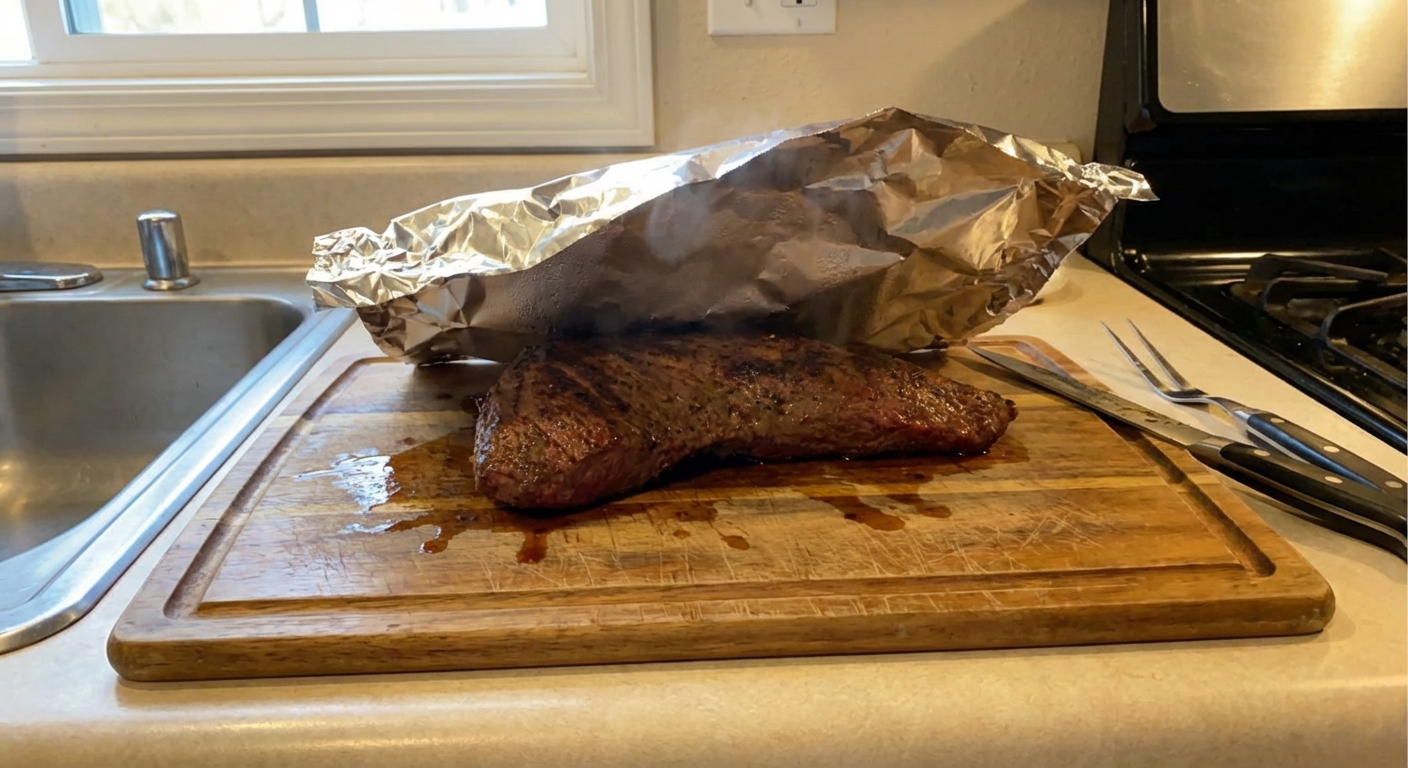
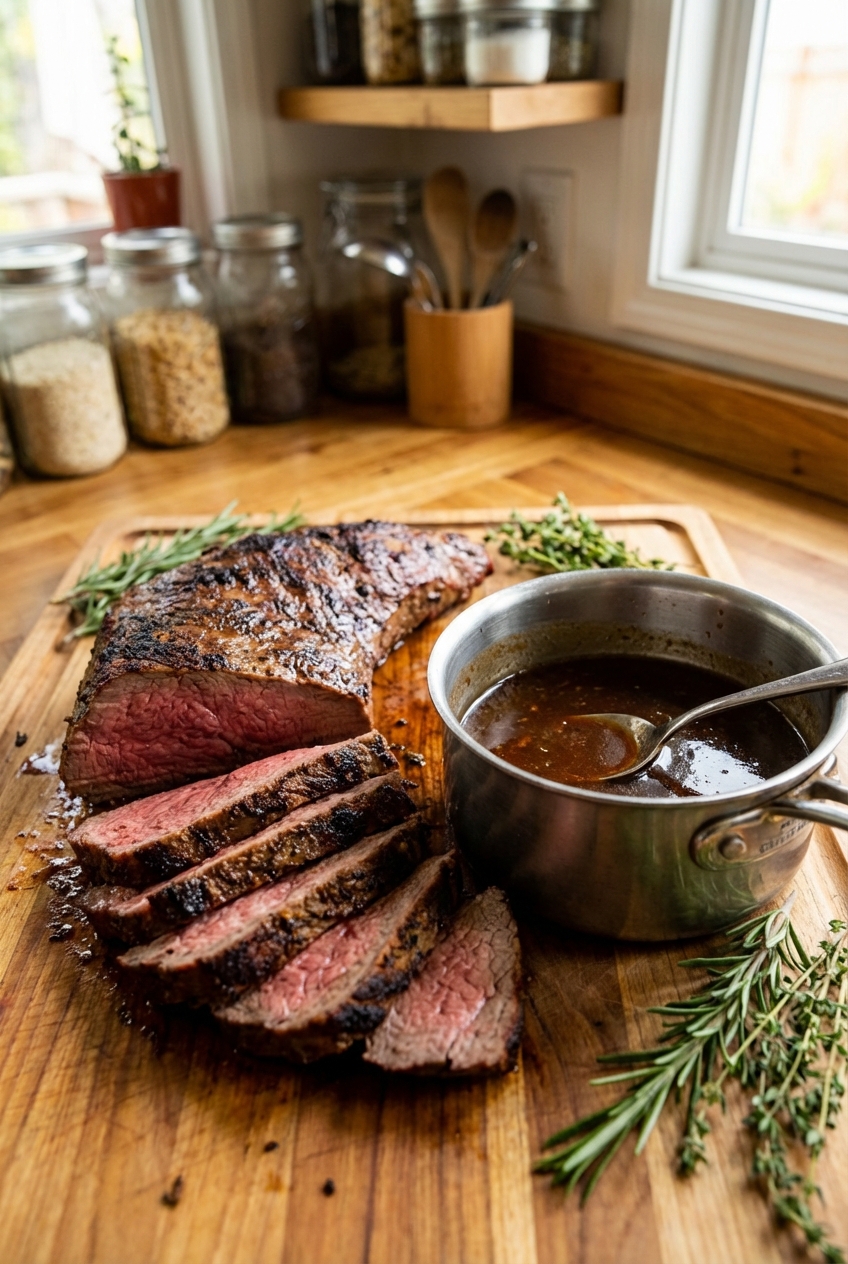
Sliced tri-tip steak with browned crust on a cutting board, with a small saucepan of glossy pan sauce and fresh herbs nearby

Tri-tip is one of those cuts that feels like a secret handshake. It is beefy, quick to cook, and incredibly forgiving as long as you treat it like a steak, not a pot roast. This recipe gives you two solid paths: smoke it for that backyard aroma, or roast it when the weather is rude or you just want dinner without babysitting a fire.

Quick time reality check: the oven method usually lands around 50 minutes total. The smoker method depends on your setup and the roast thickness and is more like 1 hour 15 minutes to 2 hours including the finishing sear and rest. Either way, the thermometer is the boss.

The real magic is the garlic herb rub that turns into a crust, plus a fast pan sauce made from the sear skillet drippings. It is the kind of sauce that makes everyone at the table suddenly very quiet.
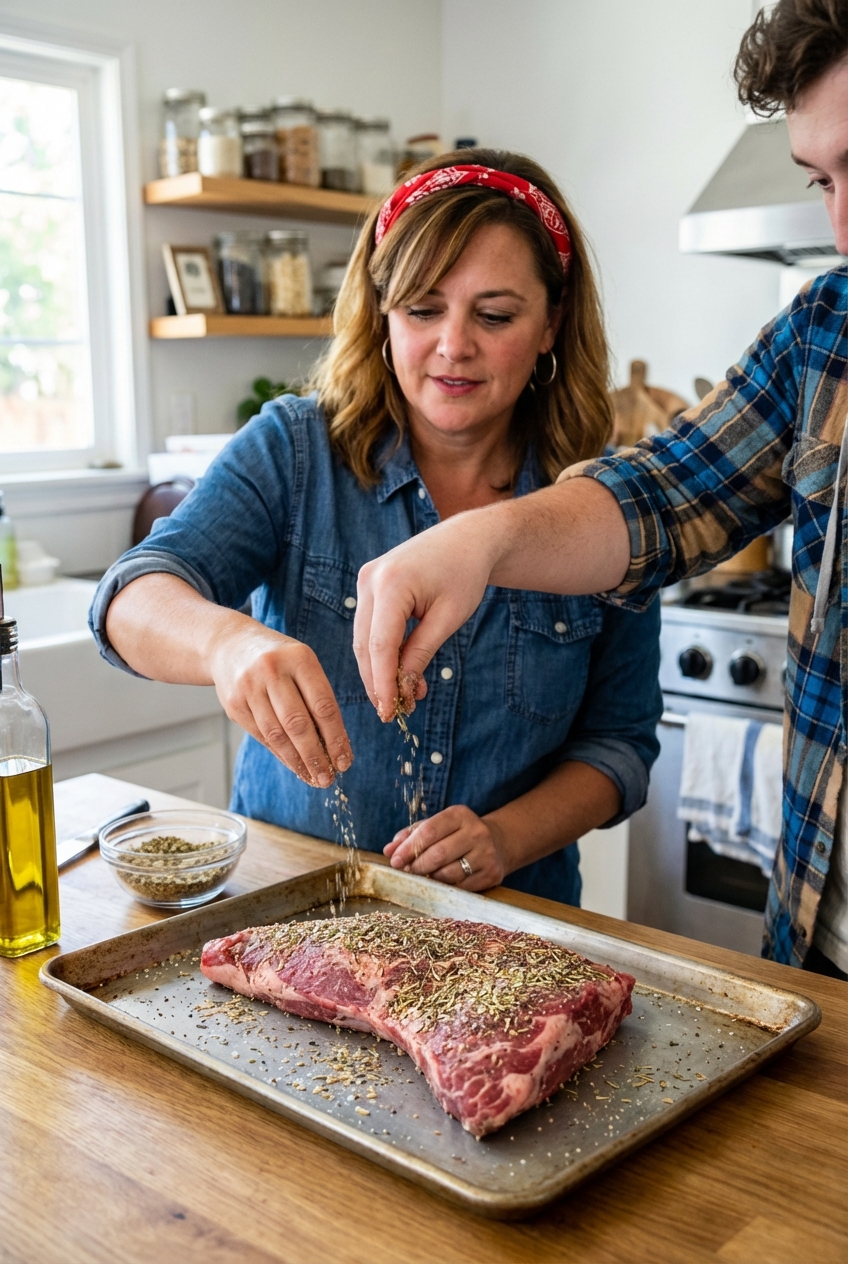
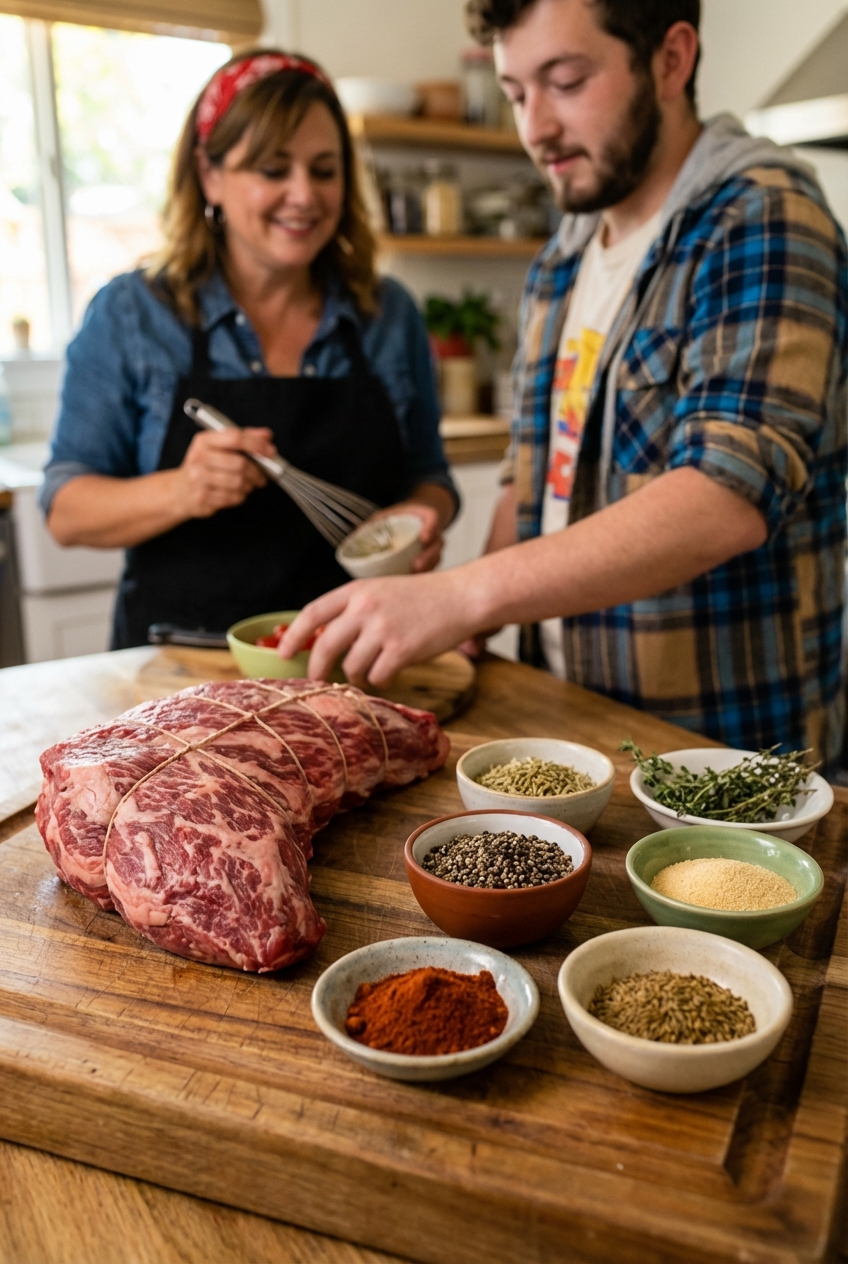
Hands sprinkling garlic herb rub over a raw tri-tip on a sheet pan

Why It Works

  • Big flavor with normal ingredients: garlic, herbs, and a little brown sugar for balance, not sweetness.
  • Two methods, same payoff: smoke for deeper flavor, roast for weeknight ease.
  • Built-in sauce plan: the pan sauce uses the browned bits and resting juices, which is basically free flavor.
  • Juicy slices every time: we cook to temperature, rest properly, and slice across the grain.

Pairs Well With

Storage Tips

Cool it fast: Slice what you need, then refrigerate the rest in one piece if possible. A whole piece stays juicier than pre-sliced beef.

  • Refrigerate: Store tri-tip and sauce separately in airtight containers for up to 4 days.
  • Freeze: Wrap tightly, then freeze up to 2 months. Freeze sauce in a small container or ice cube tray for quick portions.
  • Reheat without drying out: Warm slices in a covered skillet with a splash of broth or water, just until heated. Or microwave at 50% power in short bursts with a spoonful of sauce.
  • Leftover ideas: tri-tip sandwiches with horseradish mayo, steak tacos with lime and onions, or a quick steak salad with a mustardy vinaigrette.

Common Questions

What internal temperature should tri-tip be?

For most people, medium-rare is the sweet spot. Pull the tri-tip at 125 to 130°F in the thickest part, then rest it 10 to 15 minutes. It will usually coast up a few degrees. Medium: pull at 135°F.

If you want the most publication-safe benchmark, USDA recommends 145°F for whole cuts of beef with a rest. You do you. Just know the texture shifts more toward firm at that temp.

Do I need to marinate tri-tip?

Nope. A good rub plus time on the meat does a lot. If you can, season 1 to 8 hours ahead and refrigerate uncovered. That dry-brining effect helps it stay juicy and builds a better crust.

Why is my tri-tip chewy?

Two common reasons: it was cooked past your target temp, or it was sliced with the grain. Tri-tip has grain that changes direction. Slice it in half where the grain shifts, then slice each piece across the grain.

Can I make this without a smoker?

Absolutely. The oven method is built for that. If you want a little smoky vibe, add 1/2 teaspoon smoked paprika to the rub.

How long does tri-tip take to smoke?

It varies a lot. A 2 to 2 1/2 pound tri-tip at 225°F often takes about 60 to 120 minutes to reach 115 to 120°F (before the sear), depending on thickness, wind, and smoker type. Use time as a vibe check and cook to temperature.

What is the best way to slice tri-tip?

After resting, look for the lines of muscle fibers. Slice thinly across those lines. If the grain changes direction (it often does), rotate your slicing angle as needed.

Tri-tip is my favorite kind of dinner flex because it looks like a special occasion but cooks like a weeknight steak. The first time I made it, I overthought it, under-rested it, and sliced it the wrong way. Still good, but also a little jaw workout.

Now I treat it like a team sport: thermometer does the talking, resting does the saving, and slicing across the grain does the bragging. Add a quick pan sauce and suddenly you have restaurant energy without restaurant stress.