Mom's Best Recipes
Recipe

Smooth and Silky Light Chicken

Tender chicken in a bright, velvety lemon yogurt pan sauce. One skillet, weeknight-easy, and secretly restaurant-ish.

Author By Matt Campbell
4.8
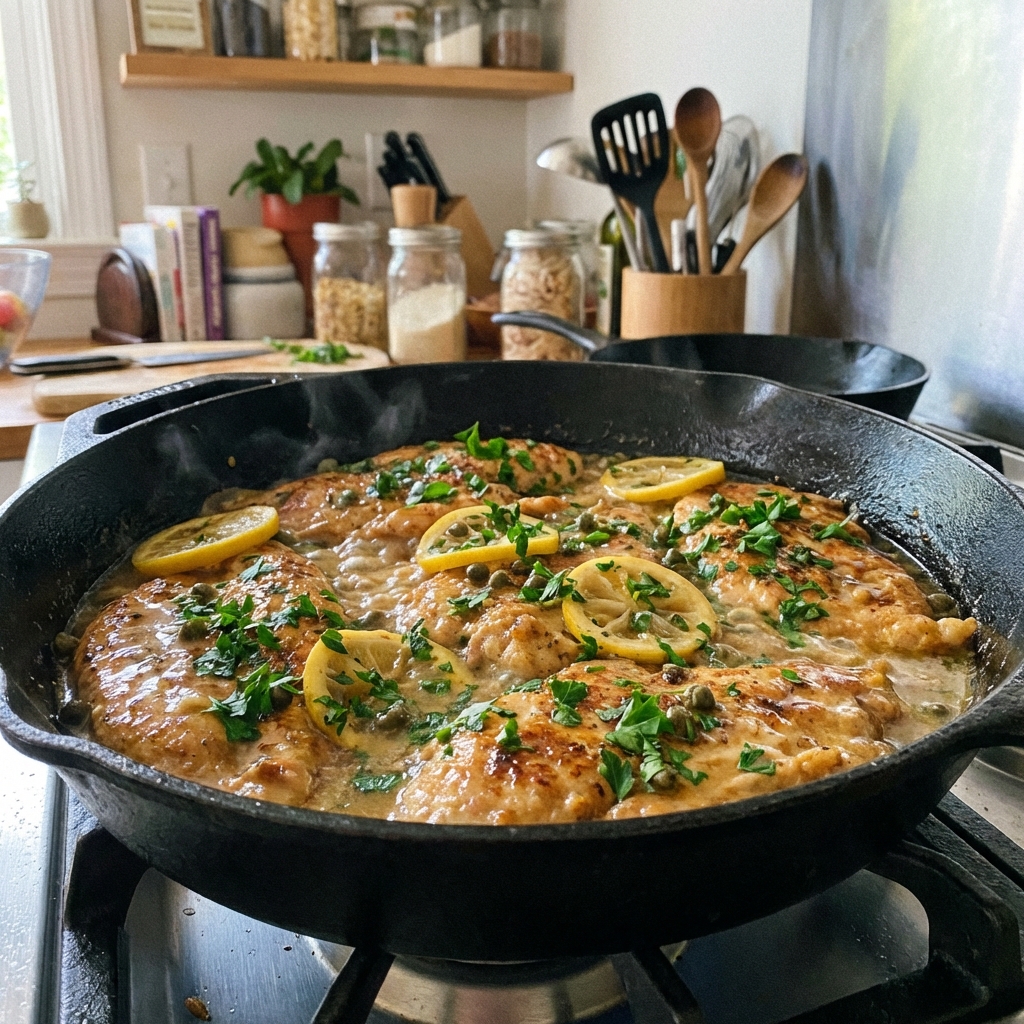
A skillet of tender chicken cutlets in a pale, silky lemon yogurt sauce with parsley, shot in natural window light

This is the kind of chicken recipe that makes you feel like you have your life together even if the sink is full of mugs. It is light but still cozy, thanks to a smooth, silky pan sauce that clings to every bite without going heavy.

The trick is simple: cook thin chicken cutlets quickly for juicy results, then build a quick sauce with garlic, lemon, and broth. Off the heat, you swirl in Greek yogurt so it turns glossy and creamy without splitting. It is bright, a little tangy, and the whole thing is done in one skillet.
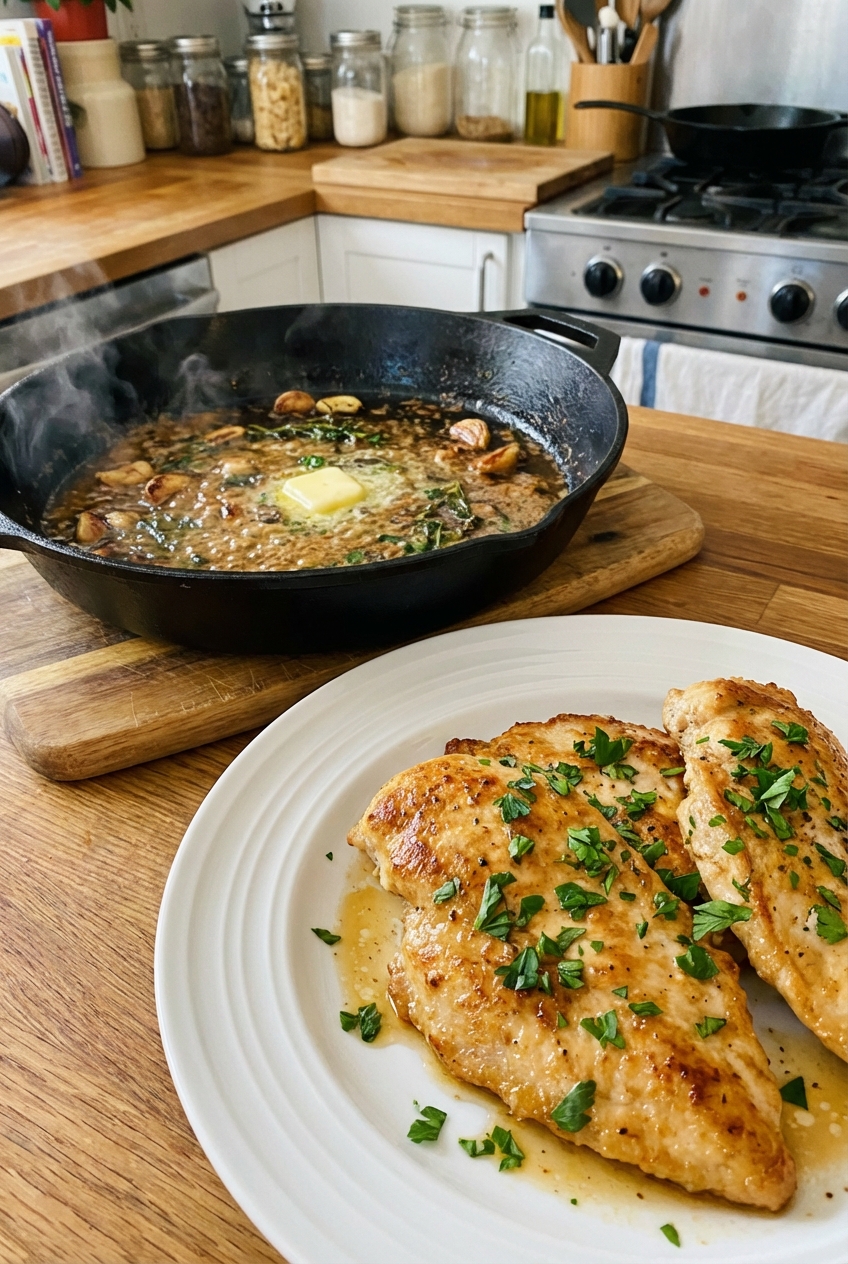
Cooked chicken cutlets resting on a plate next to a skillet with bubbling pan sauce and garlic

Why It Works

  • Silky sauce, no cream: Greek yogurt gives you that velvety finish with a lighter feel.
  • Fast and forgiving: Thin cutlets cook quickly and stay tender if you do not overthink it.
  • Bright flavor, minimal ingredients: Lemon zest and juice plus a little Dijon create instant depth.
  • One-pan energy: You get a real pan sauce using the browned bits, which is where the magic lives.

Pairs Well With

Storage Tips

Refrigerate: Store chicken and sauce together in an airtight container for up to 3 days.

Reheat gently: Warm in a skillet over low heat with a splash of broth or water. Stir often and do not let it boil, because yogurt sauces can turn grainy if they get too hot.

Microwave option: Use 50 percent power in short bursts, stirring the sauce between bursts.

Freezing: I do not love freezing this one. Yogurt sauces can separate after thawing. If you must, freeze the cooked chicken plain and make the sauce fresh later.

Common Questions

Can I use chicken thighs instead of breasts?

Yes. Use boneless, skinless thighs and cook a bit longer. 165°F is safe, but thighs get noticeably more tender and juicy closer to 175 to 190°F. (Thighs are forgiving like that, which is never a bad plan.)

How do I keep the yogurt from curdling?

Two rules: turn the heat off before adding yogurt, and temper it by whisking a spoonful of hot sauce into the yogurt first, then whisk that mixture back into the skillet. Bonus move: let the yogurt sit on the counter for 10 to 15 minutes so it is not fridge-cold when it hits the pan.

Is Greek yogurt the same as sour cream here?

They act similar, but Greek yogurt is a little tangier and lighter. Full-fat Greek yogurt gives the smoothest finish. Sour cream works too, just keep it off the boil the same way.

What if my sauce looks too thick?

Whisk in more broth a tablespoon at a time until it loosens up. The sauce should coat a spoon but still pour easily.

What if my sauce looks too thin?

Simmer the broth, lemon, and Dijon before adding yogurt for 1 to 2 minutes to reduce. After yogurt goes in, avoid aggressive boiling. If it still needs help, a small slurry of cornstarch and water can work, but usually reducing first is enough.

I started making versions of this when I wanted the comfort of a creamy chicken dinner without the full-on heavy cream situation. The first time I tried it, I got overconfident and let the yogurt boil. It did not go great. Now I do the calm, grown-up move: heat off, temper, whisk, taste. The result is that silky, glossy sauce that makes you want to drag a piece of bread through the pan even though you told yourself you were keeping it light. Balance.