Mom's Best Recipes
Recipe

Smooth and Silky Weed Killer

A smooth, silky spray that clings to leaves and can help knock back young weeds fast using simple pantry and hardware store staples. Results vary by weed type and weather, but warm sun usually helps.

Author By Matt Campbell
4.7
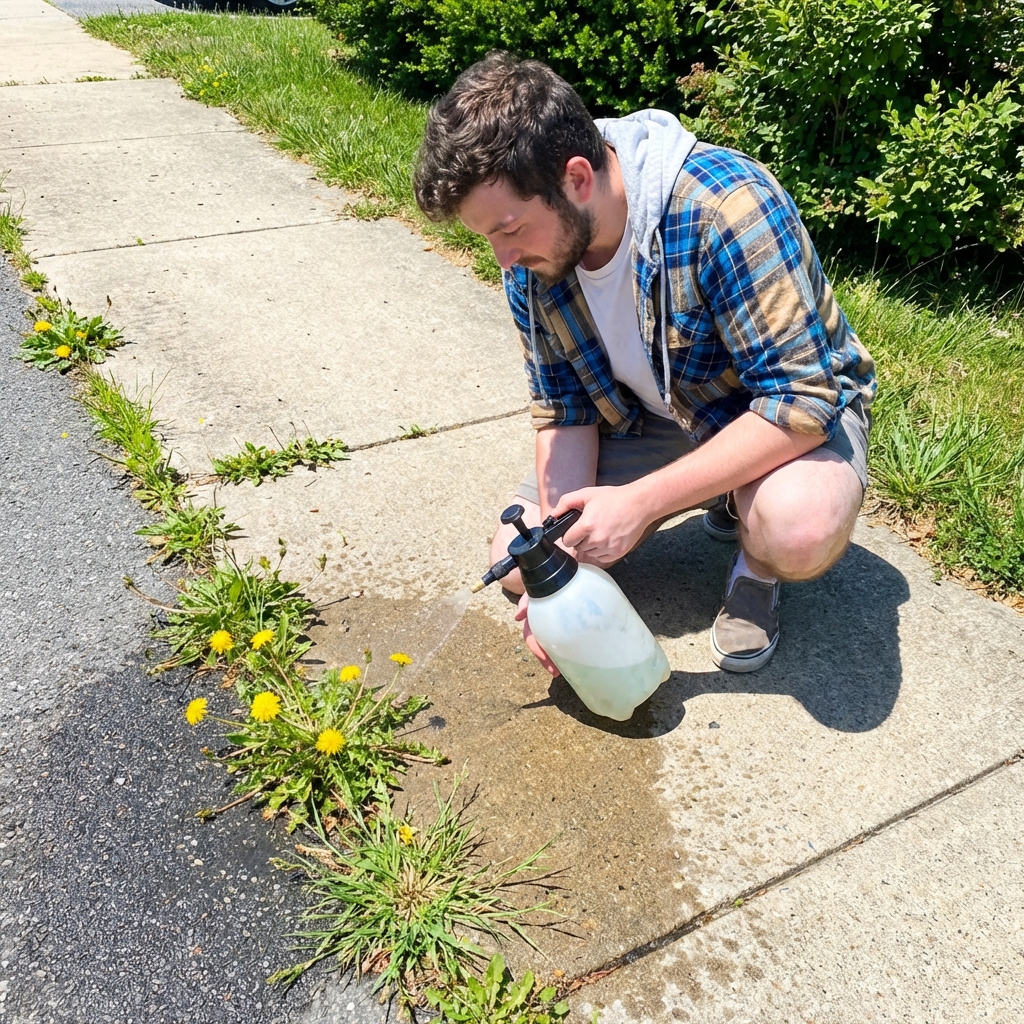
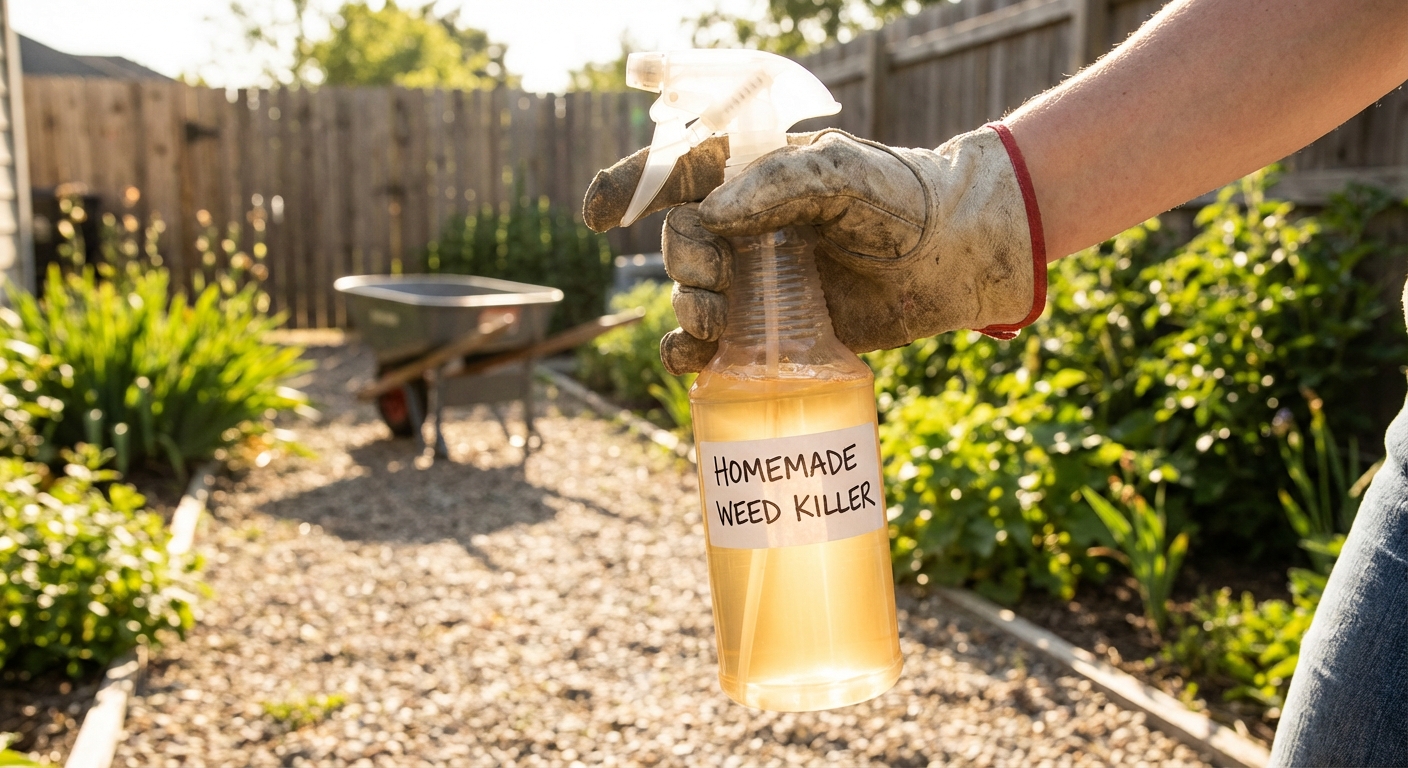
A real photo of a hand holding a clear spray bottle filled with homemade weed killer solution in a sunny backyard with a gravel path

I love a good homemade fix, especially when it saves you a trip to the store and still gets the job done. This is my go-to smooth and silky weed killer for cracks in the driveway, along fence lines, and the spots where weeds show up like they pay rent.

The “smooth and silky” part is not just a cute name. A tiny bit of soap turns this into a spray that clings to leaves instead of beading up and rolling off. More contact usually means better results, especially on younger weeds.

Quick heads-up: this is a non-selective weed killer. If it touches plants you want to keep, it can damage them. Aim like you mean it.

Why It Works

  • Clings better: Dish soap helps the solution coat the waxy surface of many weed leaves so the active ingredients can work.
  • Often fast on small weeds: Best results are usually on tender, young growth and on warm, dry days. Timing and weed type matter.
  • Simple ingredients: Vinegar and salt do the heavy lifting, with soap for coverage.
  • Great for hardscapes: Perfect for patios, pavers, gravel, driveway cracks, and along curbs where you do not want anything growing.

Important: Salt can build up and seriously damage soil. In plain terms, it can stop plants from growing in that spot for a long time. Recovery can take months or longer depending on rainfall and soil. Use the salted version primarily in areas where you truly want long-term bare ground.

Also note: Salt and vinegar can be tough on materials. Avoid overspray on metal edges and hardware, and be cautious on stone surfaces that etch easily.

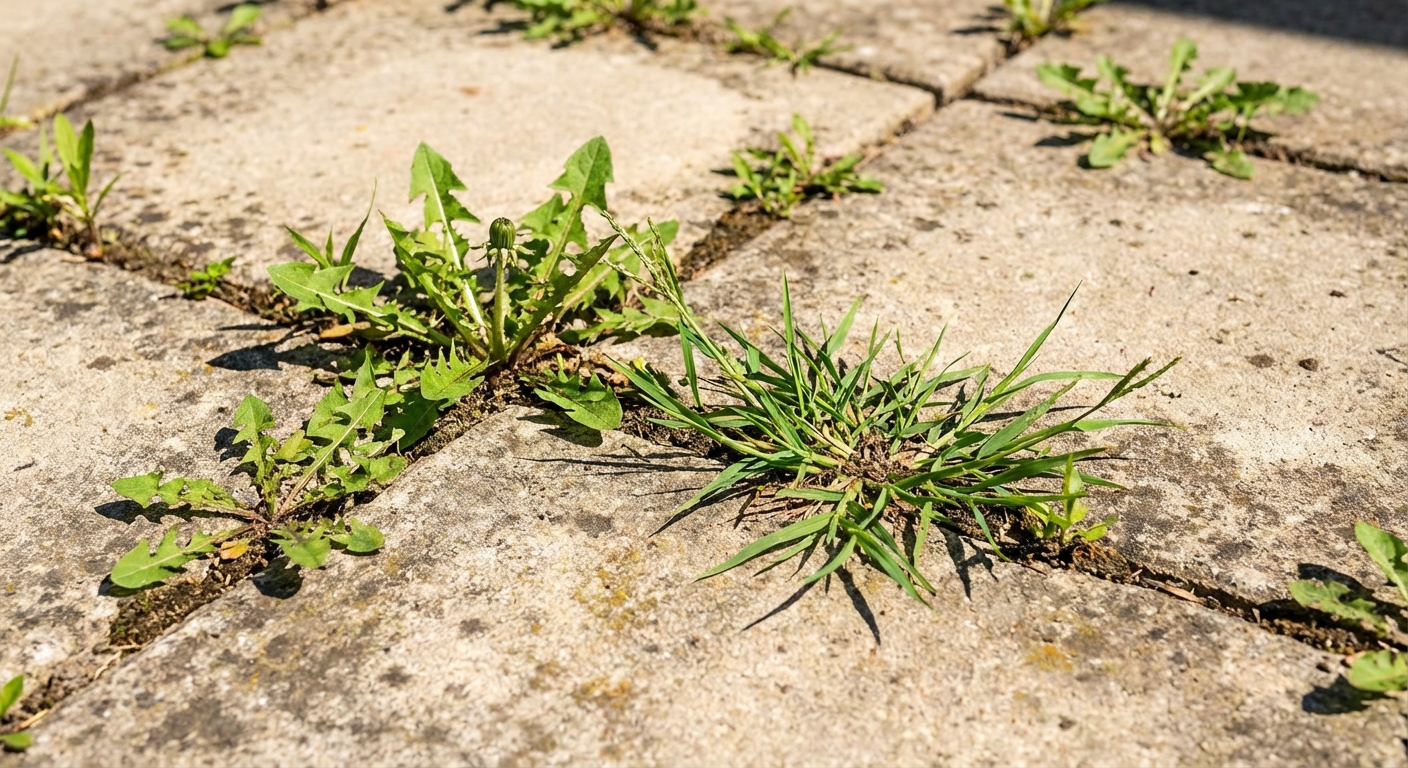
A real photo of a close-up of weeds growing between patio pavers on a bright day

Pairs Well With

Storage Tips

If you have extra weed killer, you can store it, but treat it like a cleaning chemical and keep it away from kids and pets.

  • Container: Store in a dedicated, clearly labeled spray bottle. Do not reuse a food container.
  • Label it: Write what it is and the date you made it. Future you will appreciate it.
  • Where: Cool, dark spot like a garage shelf or utility cabinet. Keep it upright.
  • How long: Best used within 2 to 4 weeks. Vinegar and salt stay stable, but soap can separate. Just shake before each use.
  • Do not store in metal: Vinegar can corrode some metals over time.

Disposal: Do not dump large amounts into lawns, garden beds, waterways, or storm drains. If you need to get rid of a small amount, spray it onto the same hardscape areas you would treat anyway, on a dry day.

Common Questions

Will this kill grass and flowers?

Yes. This is non-selective. It can injure or kill most plants it touches, including grass. Use a targeted spray and keep the nozzle low to the weed.

How long does it take to work?

On a warm, sunny day, you may see wilting within a few hours, with more noticeable browning in 24 to 48 hours. Results vary by species and conditions. Tough, established weeds often need a second application.

Can I use cleaning vinegar instead of regular vinegar?

Sometimes, yes, but check the label first. “Cleaning vinegar” can range widely (often around 6% to 20% acidity depending on the product). Stronger vinegar can be more irritating to skin and eyes and may increase the risk of damaging nearby plants and some surfaces. Wear gloves, avoid drift, and use regular white vinegar (5%) as the standard for this recipe.

Is salt necessary?

Salt boosts the burn and can help with longer-lasting suppression in cracks and gravel. But it can also seriously damage soil and prevent plants from growing there for a long time. Depending on rainfall, soil type, and cleanup, recovery can take months or longer. If you are treating near plants you want to keep, consider leaving the salt out and relying on vinegar plus soap.

Why add dish soap?

It acts as a surfactant, meaning it helps the spray spread and stick to leaves rather than forming droplets that slide off.

Is it safe around pets?

It is not “drinkable safe.” Vinegar and salt can irritate mouths, paws, and stomachs. Keep pets and kids off the treated area until the spray dries, store the bottle out of reach, and contact a vet or poison control if ingestion happens.

Can it damage surfaces?

It can. Vinegar is acidic, and the salt version is extra rough on some materials. It may speed up corrosion on metal edging and hardware, and it can dull or etch certain stone or concrete over time. Spray carefully and rinse any overspray off metal surfaces with water.

The first time I mixed this up, it was purely out of stubbornness. I was staring at weeds popping through the driveway like they were auditioning for a role, and I did not feel like buying another bottle of something with a label that reads like a chemistry final. I wanted simple, effective, and not fussy. A splash of soap was the game changer. Suddenly the spray stopped bouncing off the leaves and started sticking like it had a job to do. It is not glamorous, but neither is crouching in the driveway yanking crabgrass at 7 a.m.