Mom's Best Recipes
Recipe

Smooth Buttercream Frosting

Fluffy, ultra smooth, and pipeable with a clean vanilla finish. This bakery style American buttercream spreads like a dream, can crust lightly in drier conditions, and stays stable for cakes and cupcakes.

Author By Matt Campbell
4.9
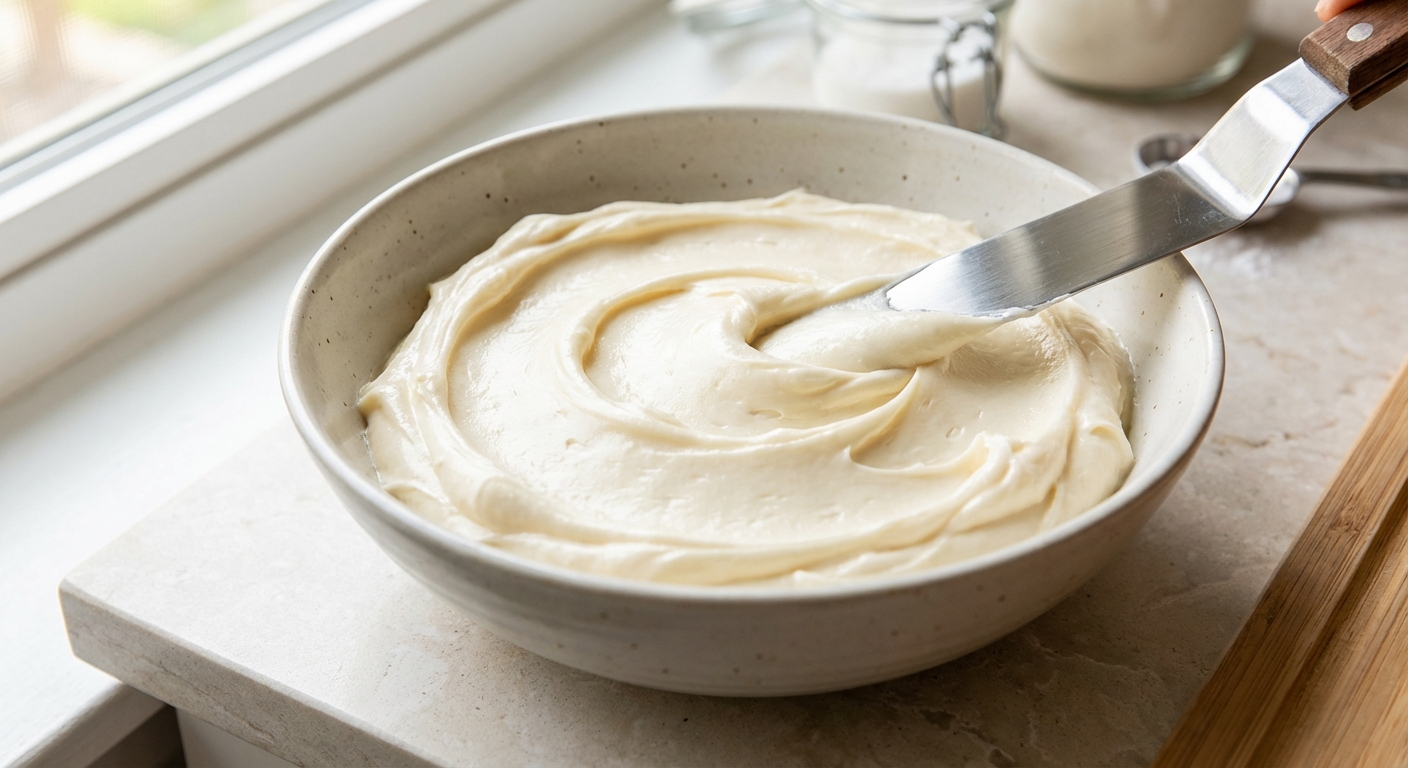
A real photo of a bowl of silky vanilla buttercream with a spatula making smooth swirls on top, on a bright kitchen counter

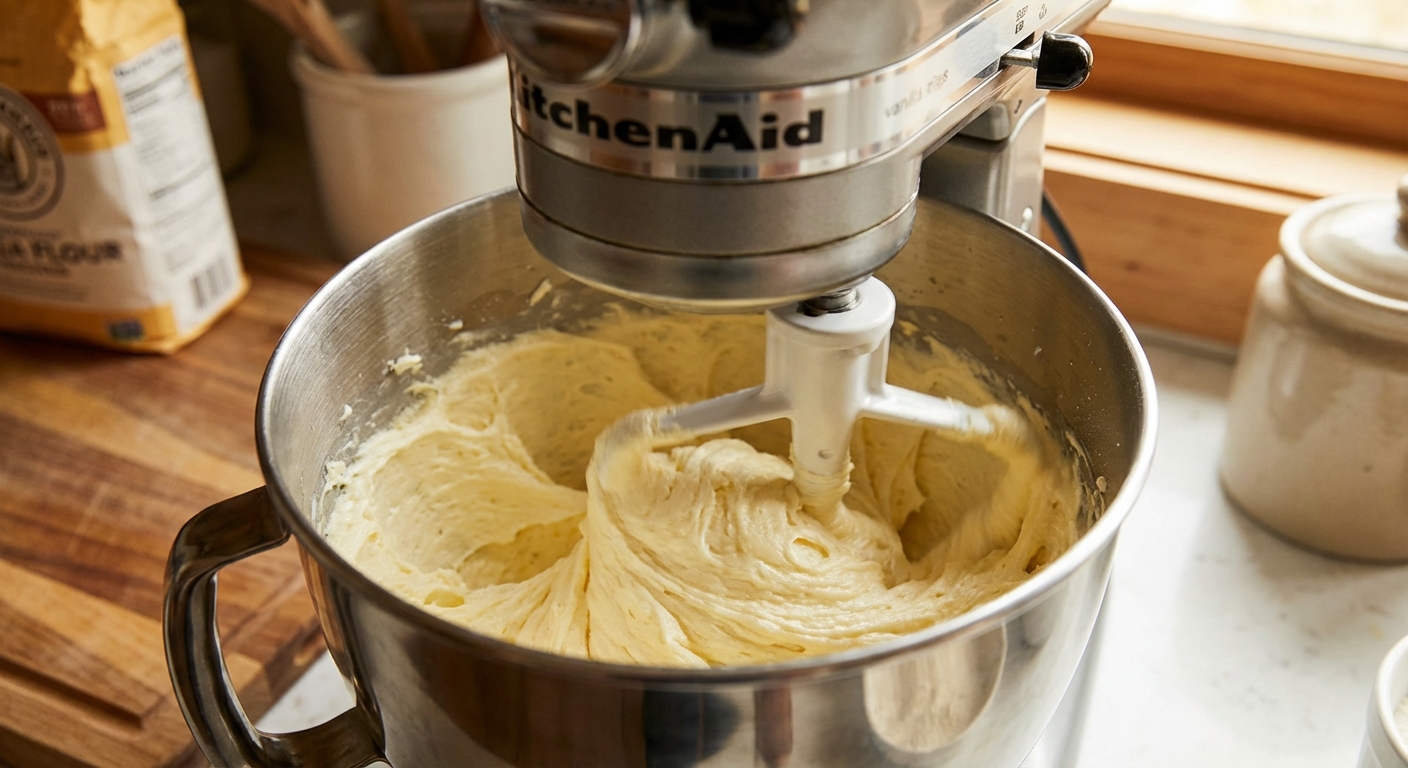
If you have ever looked at a bakery cake and thought, how is that frosting so smooth, this is the recipe that gets you there without fancy ingredients or a culinary degree. It is classic American buttercream, but made with a few small moves that change everything: the right butter texture, a pinch of salt, enough mixing time, and a quick de-bubble at the end so your spatula glides instead of dragging.

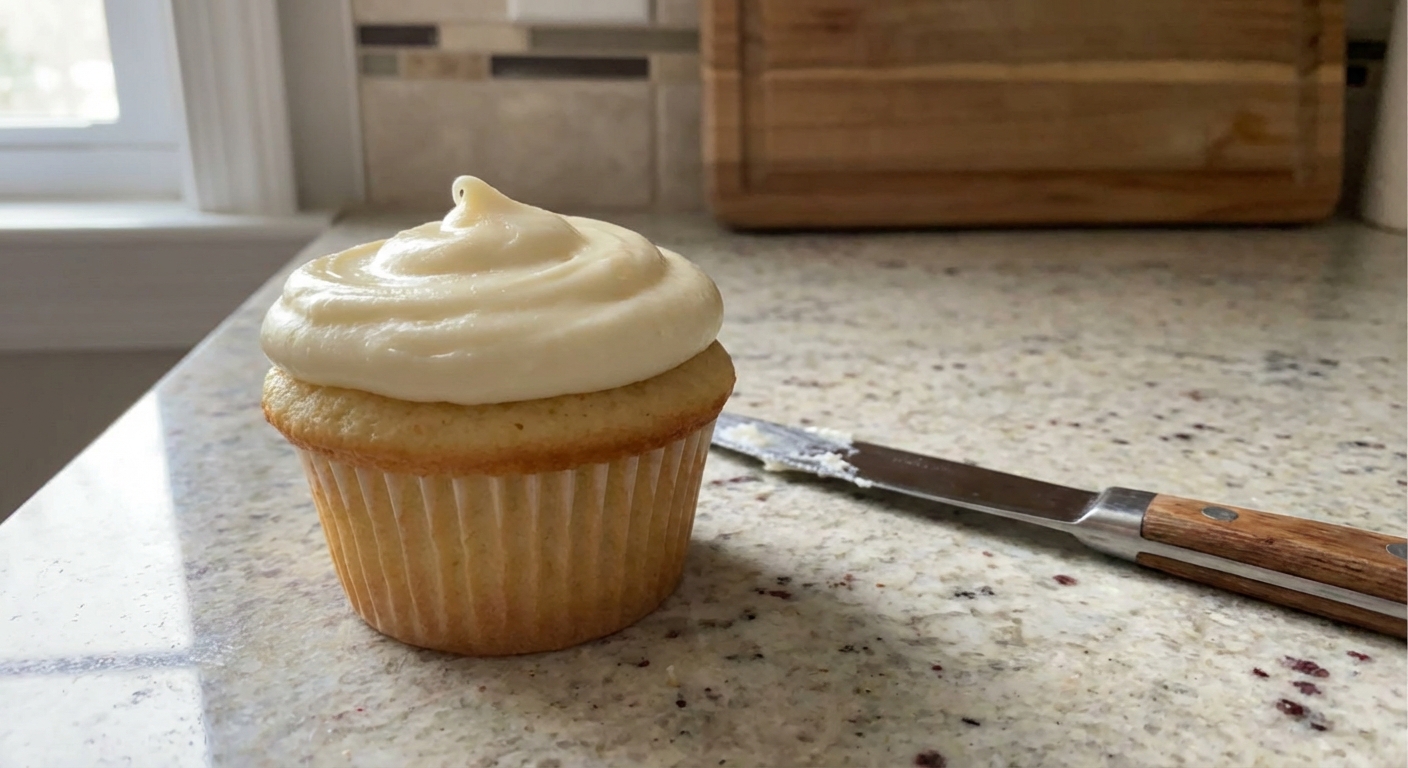
This frosting is sweet in the cozy, birthday-cake way, but not one-note. It has a clean vanilla flavor, a fluffy feel on the tongue, and it behaves. It pipes sharp swirls, spreads into crisp edges, and if you want that perfectly flat bakery finish, it will play along.

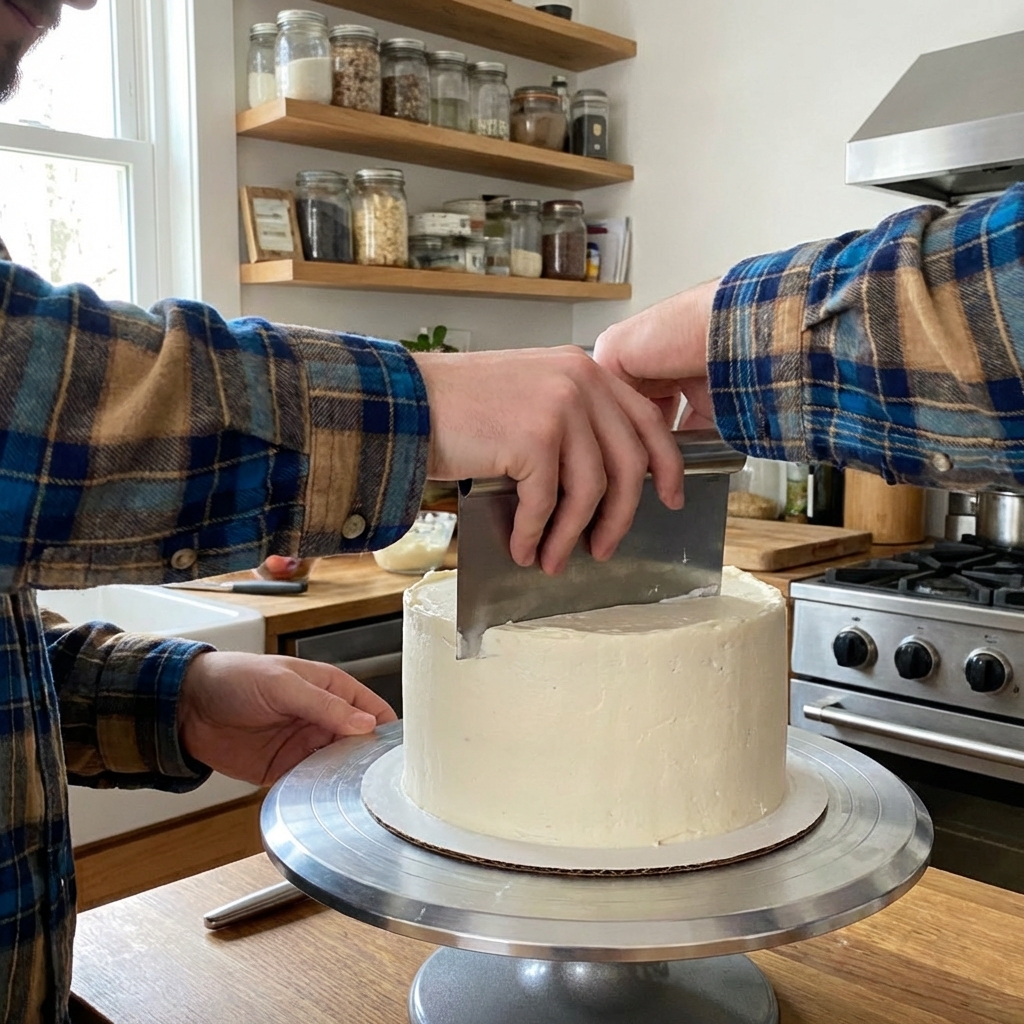
A real photo of hands using a bench scraper to smooth buttercream on the sides of a frosted round cake on a turntable

Why It Works

  • Silky texture, not gritty: using sifted powdered sugar and a slow first mix prevents that sandy feel.
  • Stable for decorating: the butter to sugar ratio is balanced for piping, borders, and smooth sides.
  • Easy to customize: adjust thickness with a splash of cream, or add cocoa, citrus zest, or extracts without breaking the texture.
  • Bakery-smooth finish: a quick de-bubble mix at the end helps remove air pockets so you get clean swipes with a spatula.

Pairs Well With

Storage Tips

Room temperature: If your kitchen is cool and dry (ideally below about 70°F), you can keep buttercream in an airtight container for up to 1 day. If you are unsure, or your kitchen runs warm, refrigerate it. Re-whip briefly before using.

Refrigerator: Store airtight for up to 7 days. Let it sit at room temp until soft, then beat on medium for 1 to 2 minutes to bring back the fluffy texture. If it looks a little curdled at first, keep mixing. It will come together.

Freezer: Freeze airtight for up to 3 months. Thaw overnight in the fridge, then fully soften at room temp and re-whip.

Make-ahead tip: If you plan to frost the next day, make the buttercream, store it, then re-whip and adjust with 1 to 2 teaspoons of cream if needed.

Common Questions

Why is my buttercream grainy?

Most of the time it is the powdered sugar. Sift it, mix slowly at the start, and beat long enough for the sugar to fully hydrate and smooth out. Also check your butter. If it is too cold, the sugar will not blend as smoothly.

How do I make it less sweet?

American buttercream is sweet by nature, but you can balance it. Add more salt (start with 1/8 teaspoon more), use heavy cream instead of milk for a richer finish, and add vanilla + a tiny bit of lemon juice to brighten it. You can reduce sugar slightly, but go slowly or the frosting can get too soft to hold shape.

How do bakeries get frosting so smooth on cakes?

Two things: fewer air bubbles and a warmed smoothing tool. After whipping, mix on low for 2 minutes to de-bubble. When frosting, use a bench scraper and an offset spatula dipped in warm water, then dried, to polish the surface.

My buttercream has air pockets. What do I do?

Finish with a low-speed mix (or hand stir with a spatula) to push out air. When spreading, press the frosting into the cake first, then smooth.

My buttercream is too soft or too stiff. How do I fix it?

Too soft: Your butter may be too warm or you added a bit too much cream. Chill the bowl for 10 to 15 minutes, then re-mix on low to medium. If it is still loose, add sifted powdered sugar 1 tablespoon at a time.

Too stiff: Add heavy cream 1 teaspoon at a time and mix until it loosens up. Also make sure the butter was fully softened before you started.

It looks curdled after refrigeration. Is it ruined?

Not usually. Let it sit at room temperature until it is soft around the edges, then beat on medium. If it still looks broken, warm the outside of the bowl briefly (a warm towel works), then keep mixing until smooth and fluffy.

Can I color this buttercream?

Yes. Gel food coloring is best for strong color without thinning the frosting. Add a little at a time and mix well.

Is this good under fondant?

Yes. Smooth it, chill the cake until firm, then apply fondant. Keep the buttercream layer fairly thin and even.

Does this buttercream crust?

It can crust lightly, especially with a higher sugar ratio and in a drier, cooler kitchen. Humidity and extra liquid can reduce crusting. If you need a firm crust, keep added cream minimal and avoid over-warming the frosting.

I used to think bakery frosting was some secret handshake. Then I watched a friend frost a cake like it was no big deal: soft butter, sifted sugar, a little patience, and a final low-speed mix to knock the air out. The first time I tried it, I got that clean, glossy swipe on the side of the cake and just stood there for a second like, yep, this is the moment. Now this is my default buttercream. It is the one I make when I want cupcakes that look like they came from a display case, even if my kitchen is a little chaotic and I am still tasting as I go.