What chocolate is best for dipping?
Use good-quality chocolate bars (60 to 70% for dark, or a solid milk chocolate bar) chopped into small pieces. Chips work, but they often contain stabilizers that make them melt thicker. If you only have chips, the fat trick in this recipe helps a lot.
Why did my chocolate seize and turn grainy?
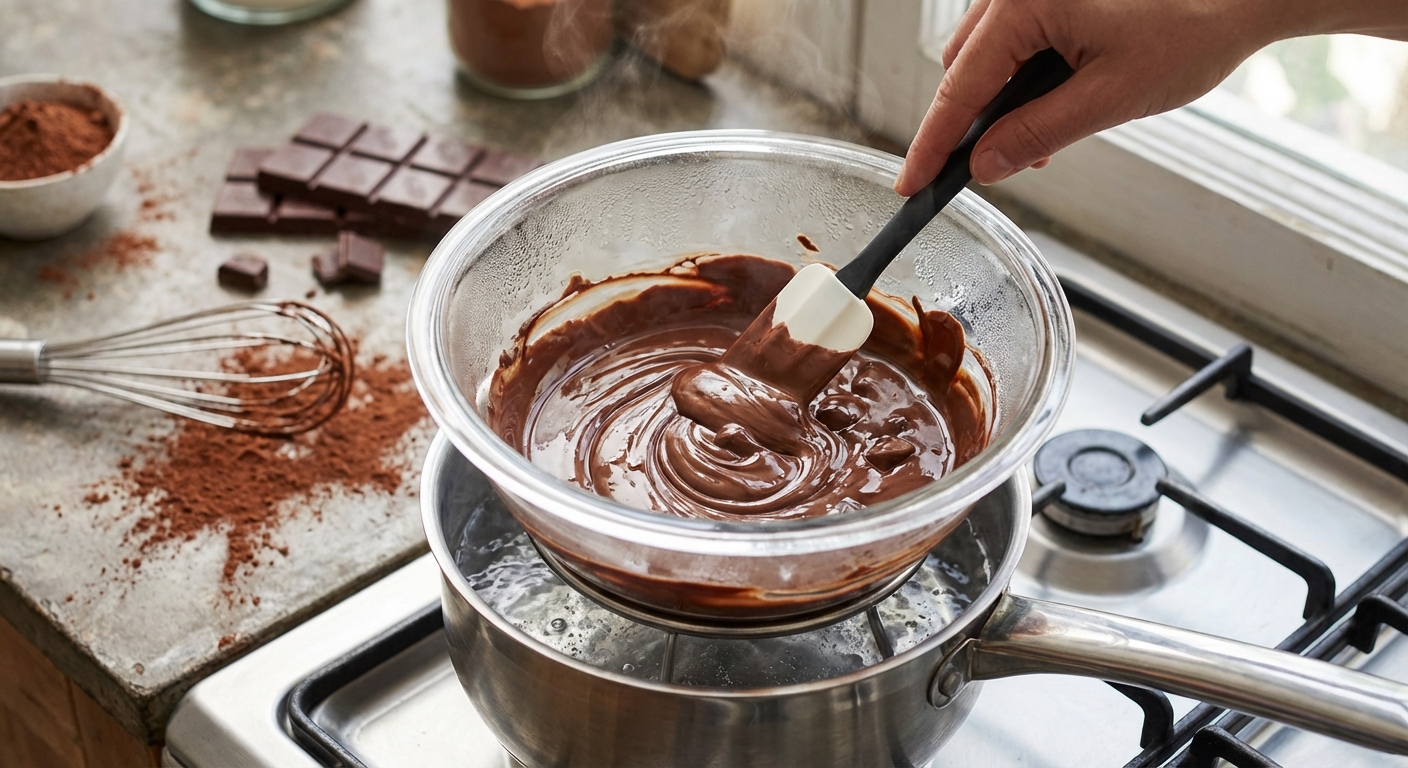
Usually moisture. A single droplet of water, or condensation dripping into the bowl, can make chocolate clump. Keep everything dry, and if using a double boiler, make sure the bowl does not touch the water and the simmer is gentle.
Can I fix seized chocolate?
Sometimes, but it will not go back to a true coating. For a tasty save, whisk in very hot water 1 teaspoon at a time until it smooths out. It becomes more of a chocolate sauce (great over ice cream or brownies) rather than dip-and-set chocolate.
Do I need to temper chocolate for dipping?
Not for casual home dipping where you plan to eat it soon. Tempering gives a snappier finish and more shine, but this method focuses on easy, smooth, reliable. If you want a firm, shiny shell that sets fast at room temp, consider using melting wafers or a full tempering method.
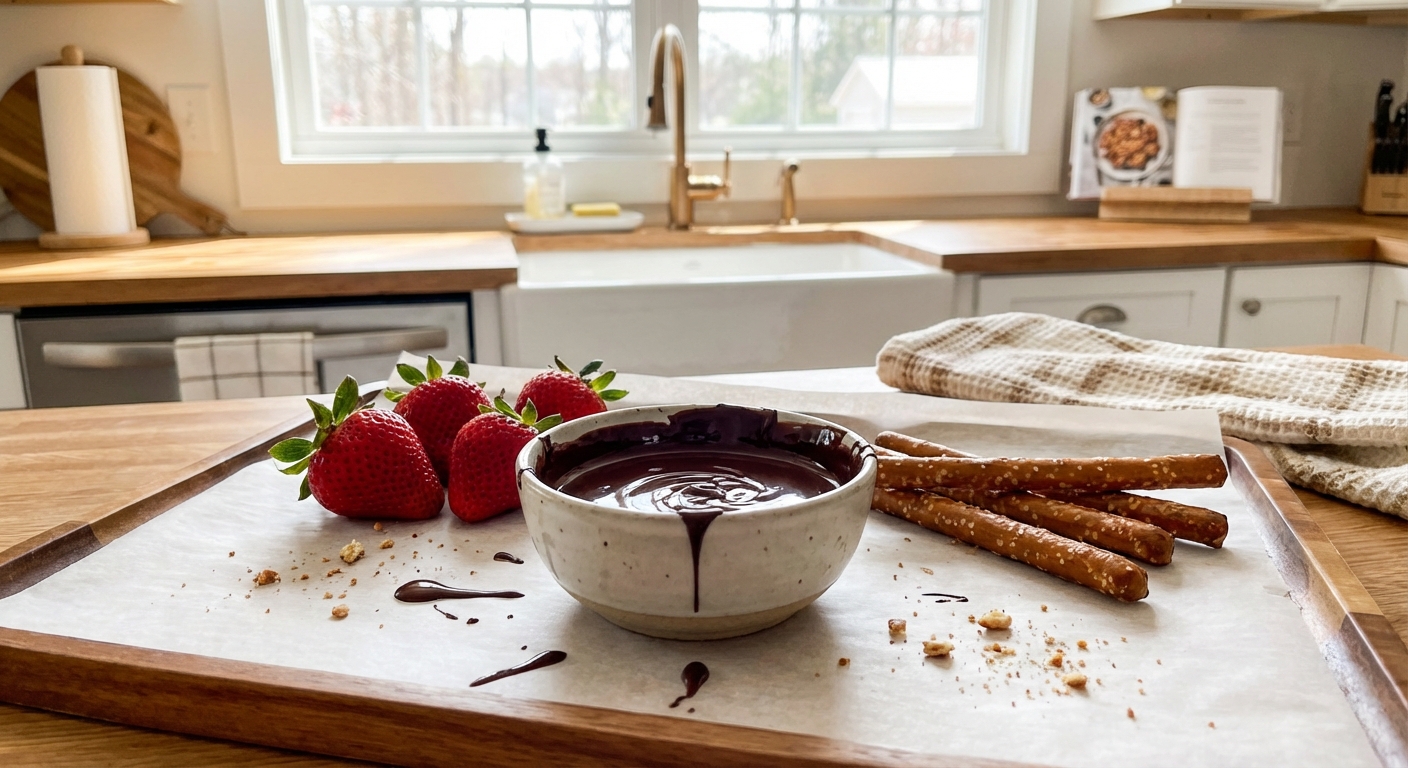
Why is my chocolate too thick to dip?
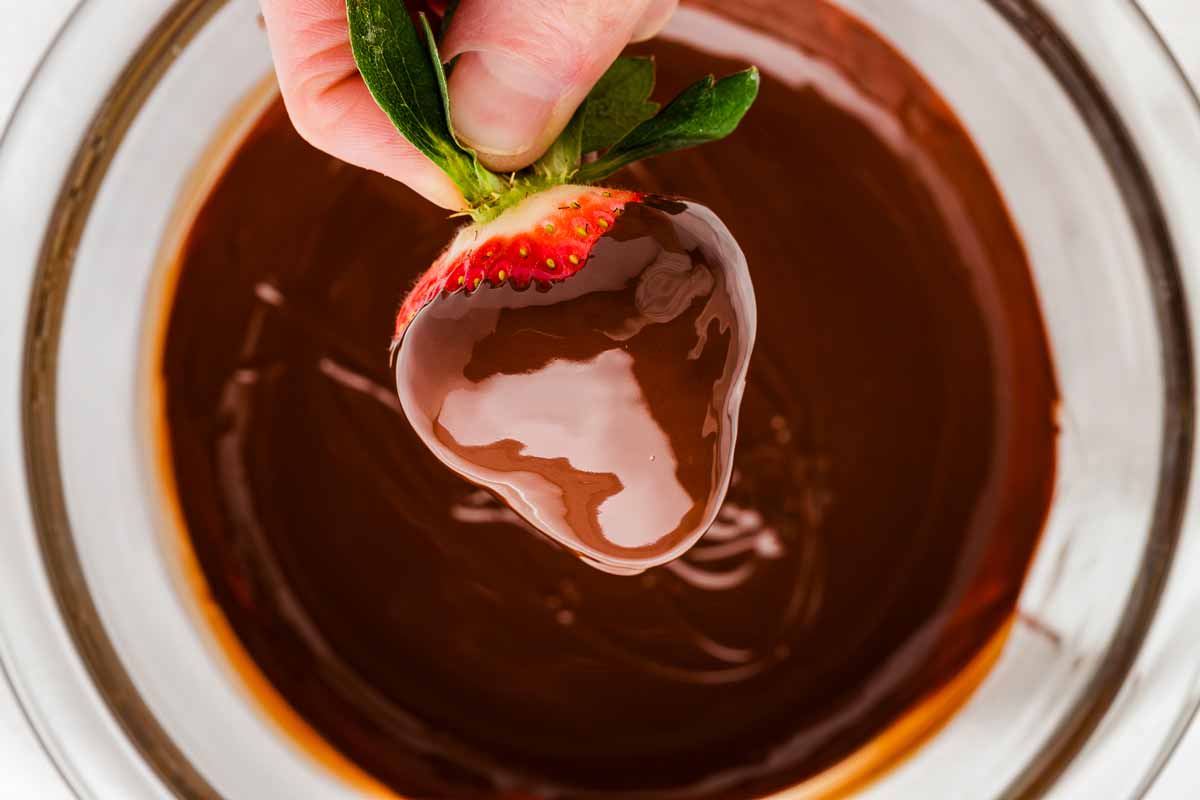
It either overheated slightly, is made with chips, or cooled down too much. Gently warm it again and stir in a touch more neutral oil or refined coconut oil, 1 teaspoon at a time. A dip-friendly texture should ribbon off a spoon and settle back into the bowl in a few seconds.
Will adding oil ruin the chocolate?
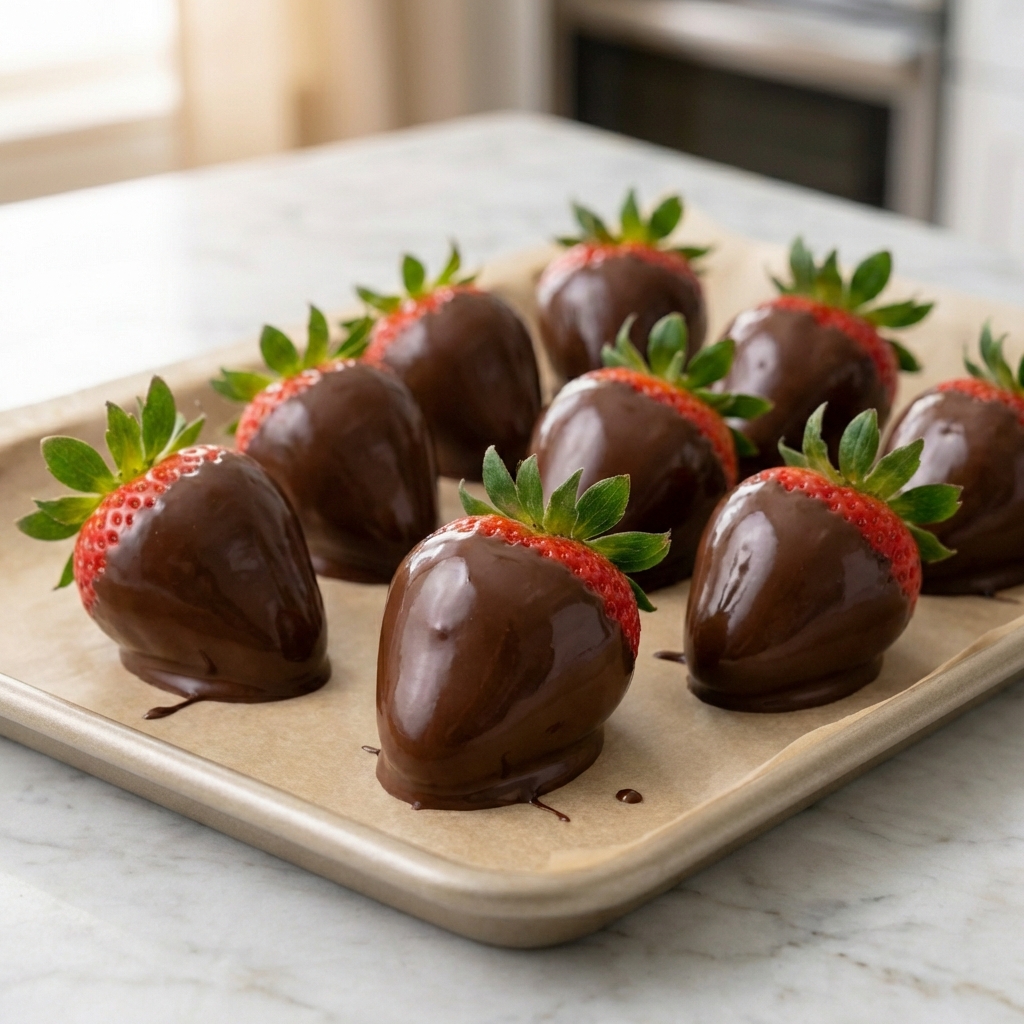
No. A small amount makes it fluid and dip-friendly. Just do not overdo it, or the coating can set softer. Stay in the 1 to 2 tablespoon range per 8 ounces chocolate. For the cleanest set, chill dipped items after coating.
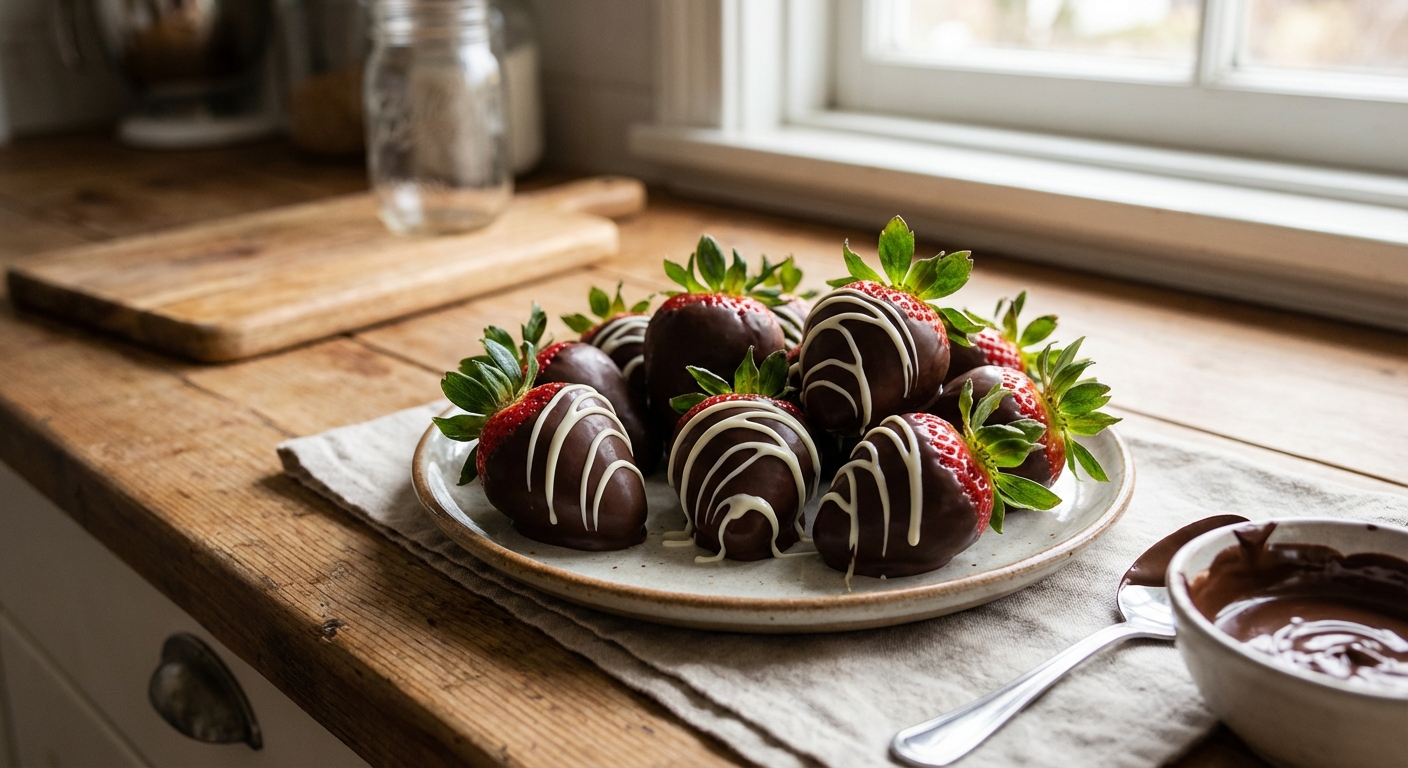
Can I use white chocolate?
Yes, but it is more sensitive to heat. Use extra-gentle heat and shorter microwave bursts, and stop while there are still small unmelted bits so residual heat can finish the job.