Mom's Best Recipes
Recipe

Soft and Chewy Vegan Cookies

Decadent, bakery-style vegan cookies with crisp edges, gooey centers, and big brown sugar flavor. One bowl, no weird ingredients, and yes, they stay soft.

Author By Matt Campbell
4.8
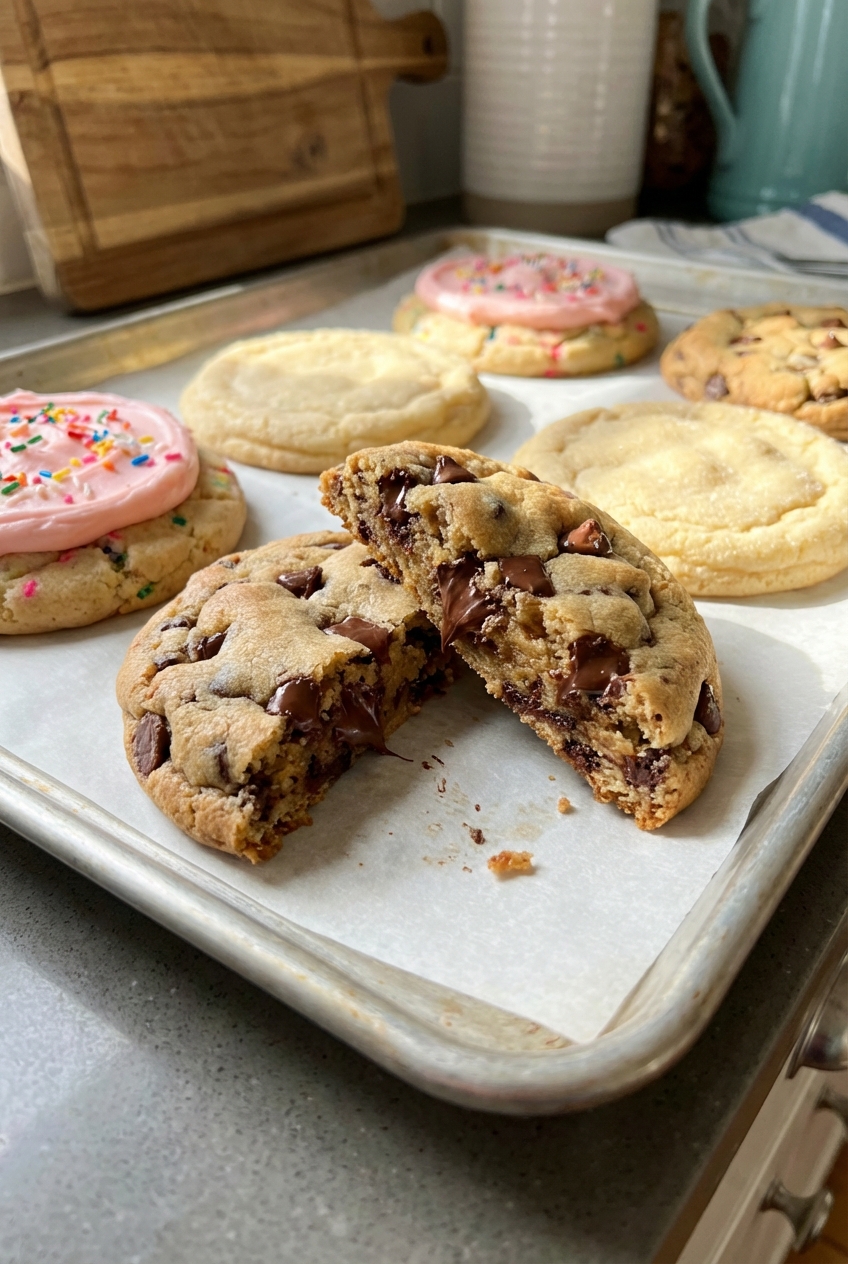
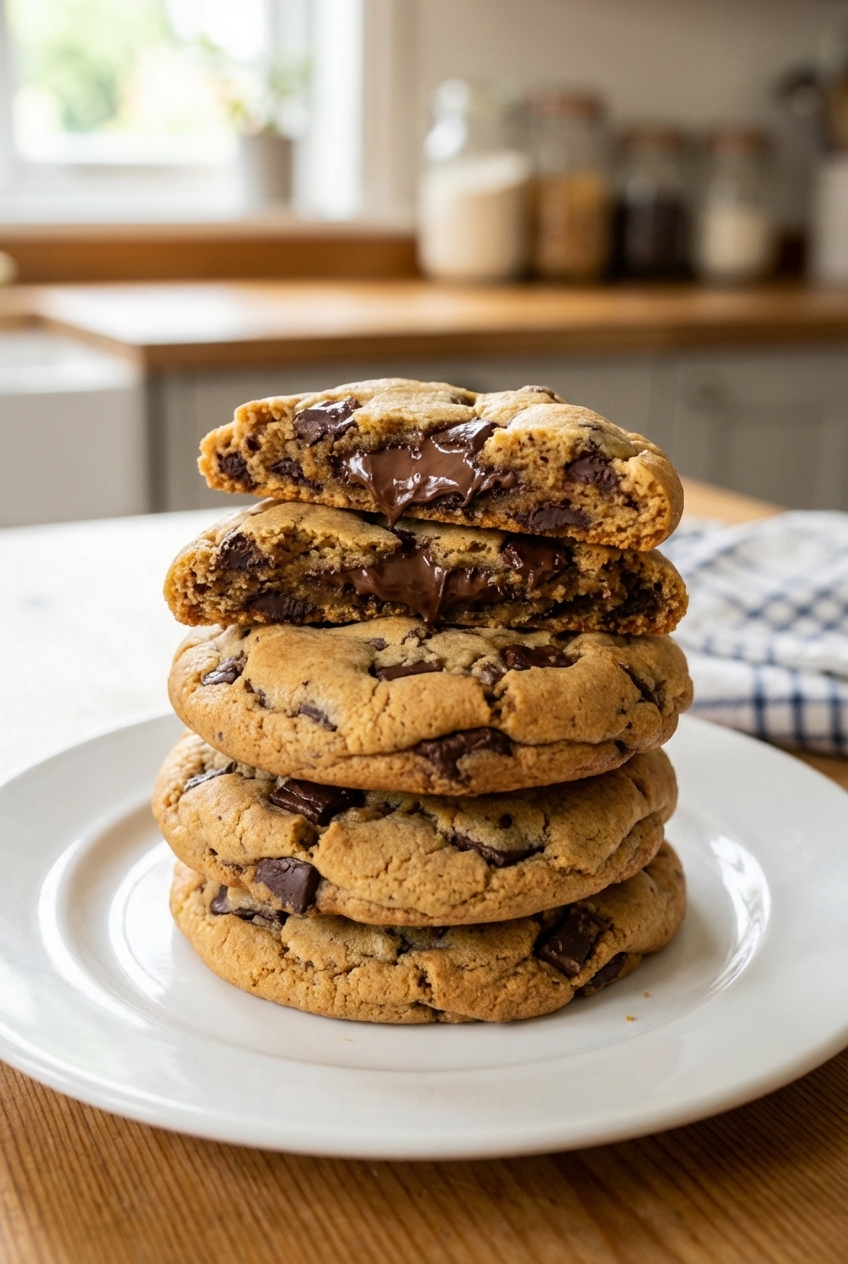
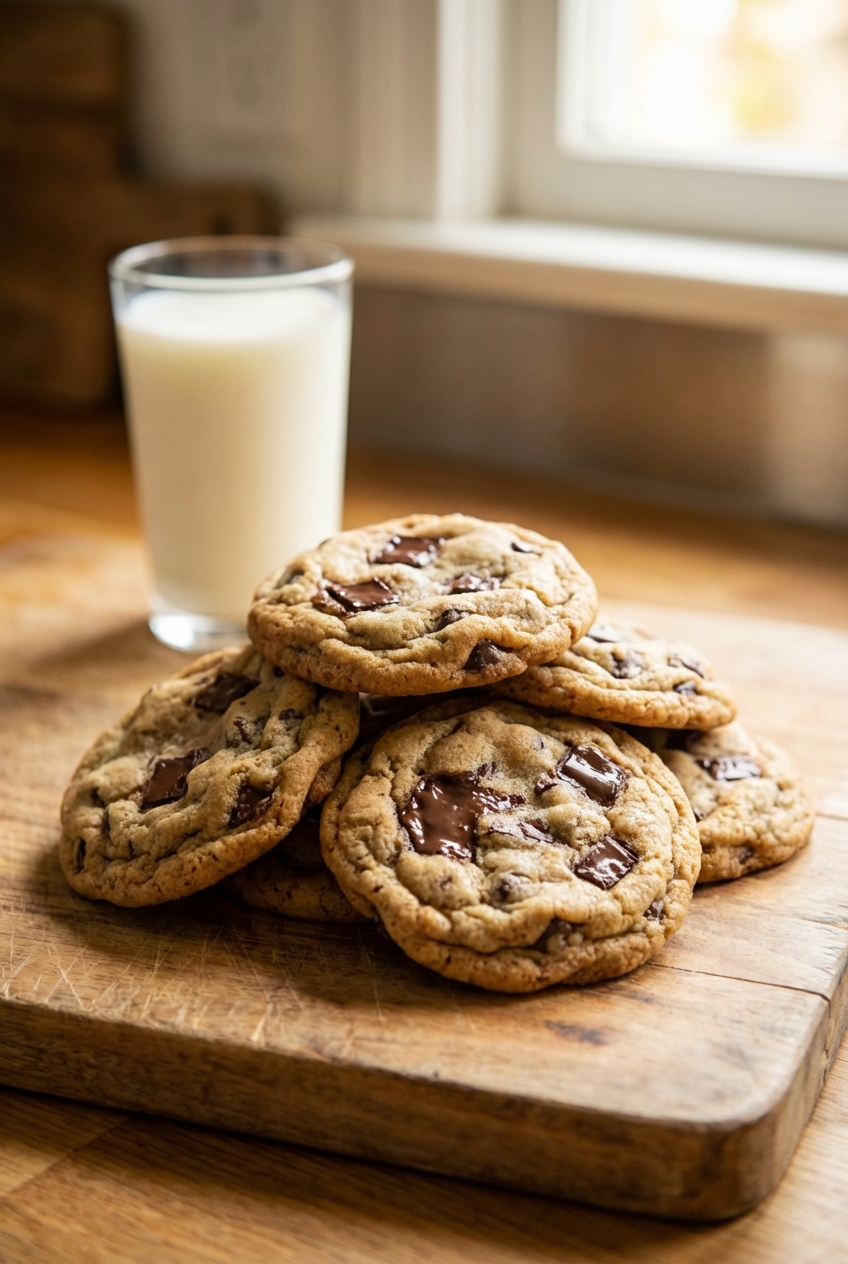
A stack of soft and chewy vegan chocolate chip cookies on a plate with one cookie broken open to show a gooey center

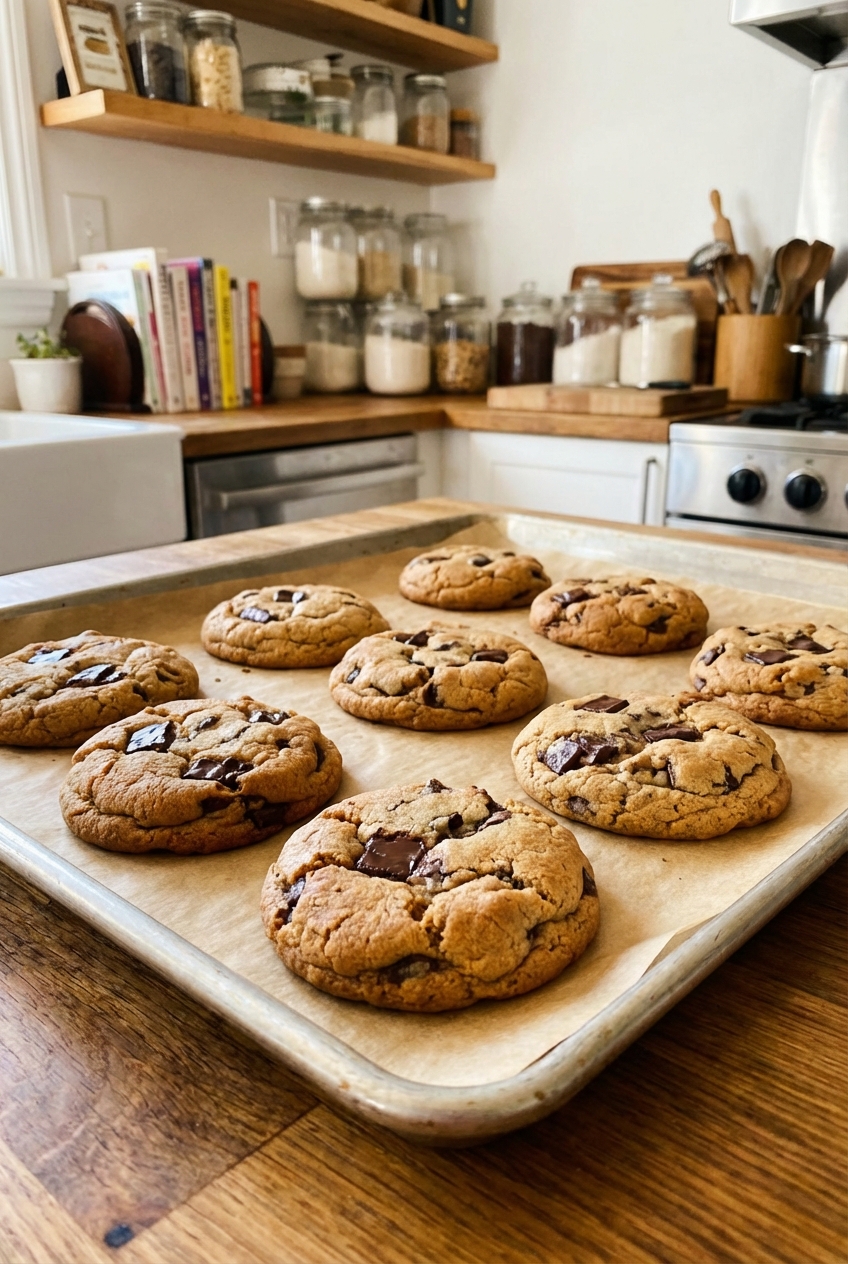
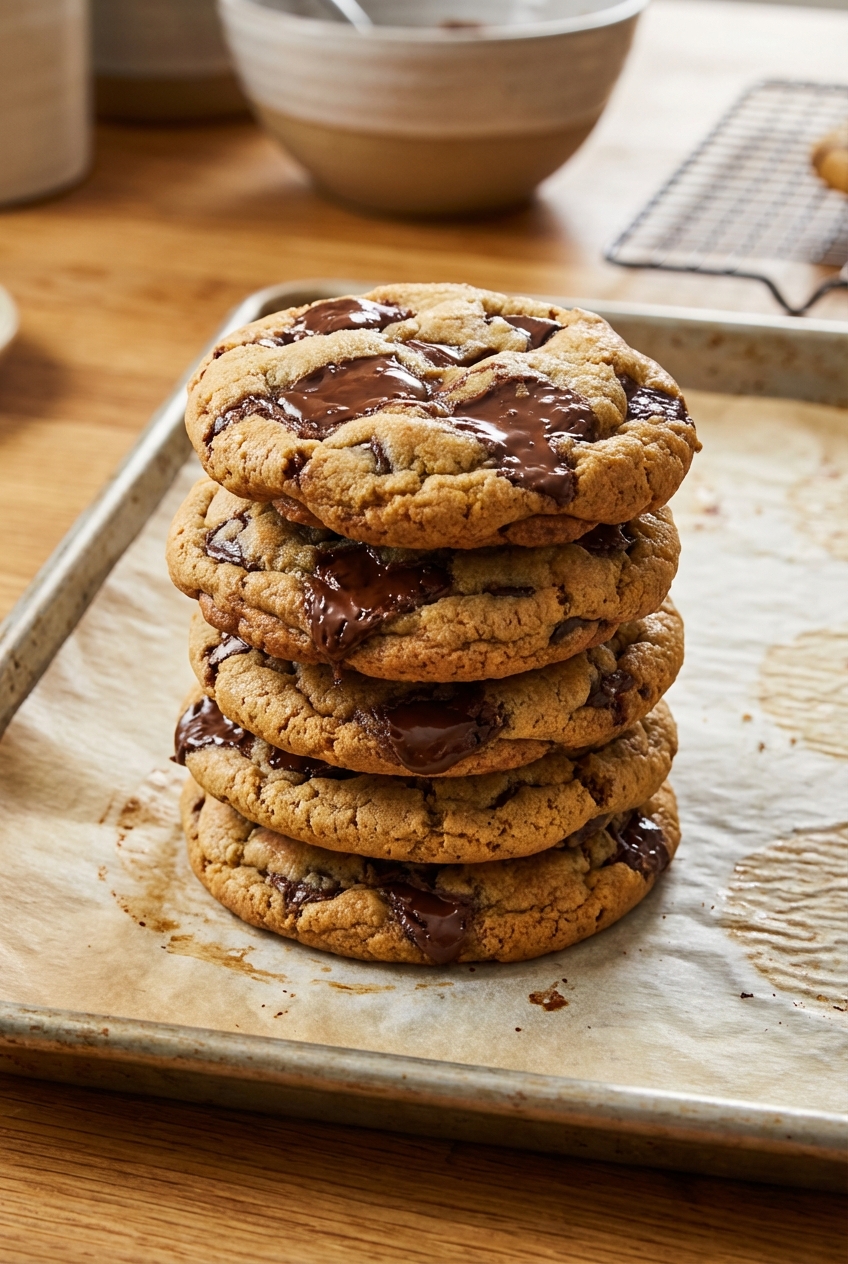
I love a cookie that has a little drama. Crisp edges, soft center, and that moment when you break one open and the chocolate does that slow, melty stretch. These soft and chewy vegan cookies deliver all of it without sending you on a scavenger hunt for ingredients.

We are leaning on classic cookie science: brown sugar for chew, a touch of cornstarch for tenderness, and a quick chill so the cookies bake up thick instead of spreading into sad little pancakes. Make them for a weeknight sweet fix, a lunchbox treat, or because you deserve a cookie that tastes like you meant it.
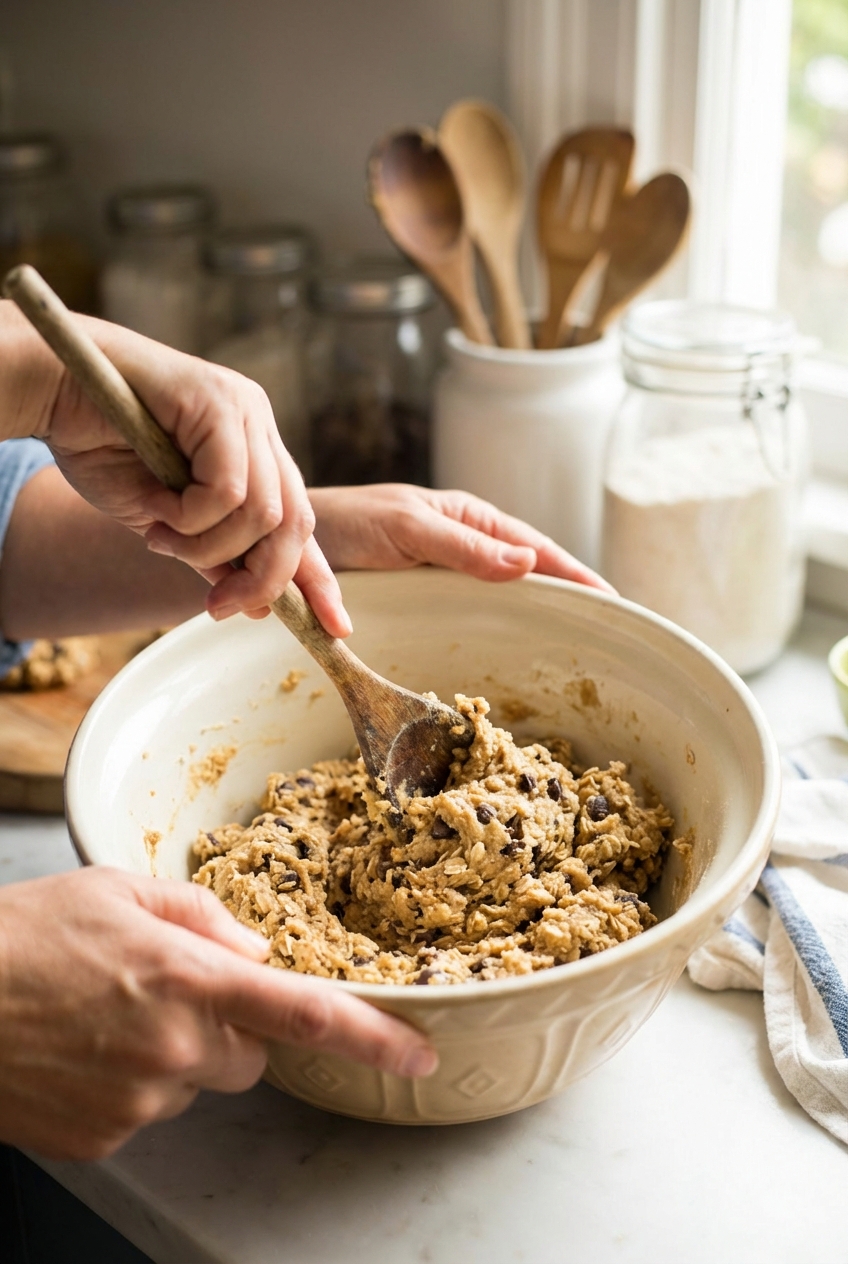
Hands mixing vegan cookie dough in a large bowl with a wooden spoon

Why It Works

  • Soft, chewy texture: Brown sugar plus a little cornstarch helps keep the centers tender, especially when you do not overbake and you store them airtight.
  • Decadent flavor: Vanilla, a pinch of espresso powder (optional), and plenty of chocolate give you that bakery vibe.
  • No eggs, no dairy, no problem: A simple flax egg binds the dough and bakes up surprisingly rich.
  • Reliable thickness: Chilling the dough is the biggest key for controlling spread, and letting the melted butter cool until just warm keeps the dough from getting sloppy.

Pairs Well With

  • A glass of iced oat milk next to a plate of cookies on a kitchen counter

    Vanilla oat milk latte

  • A bowl of fresh strawberries and raspberries with a light dusting of sugar

    Quick macerated berries

  • A scoop of vegan vanilla ice cream melting over a warm chocolate chip cookie

    Vegan vanilla ice cream

  • A mug of hot coffee on a wooden table with a cookie on a small plate

    Strong coffee or cold brew

Storage Tips

Room temp: Store cookies in an airtight container for up to 4 to 5 days. Add a small piece of bread or a tortilla in the container to help keep them soft (swap it out if it dries).

Freeze baked cookies: Cool completely, then freeze in a zip-top bag with parchment between layers for up to 2 months. Thaw at room temp or warm for 10 to 15 seconds in the microwave.

Freeze dough: Scoop dough balls onto a tray, freeze until solid, then transfer to a bag for up to 2 months. Bake from frozen, adding 1 to 2 minutes to the bake time.

Common Questions

Why are my vegan cookies not chewy?

Usually it is one of three things: too much flour, not enough brown sugar, or overbaking. For chew, measure flour by spooning it into the cup and leveling (or use grams), use mostly brown sugar, and pull the cookies when the centers still look slightly underdone.

Do I have to chill the dough?

You can bake right away, but chilling for 30 minutes makes a noticeable difference. It reduces spread and improves texture so you get thicker cookies with better edges. If you have time, chilling longer (even overnight) gives you an even better bake and deeper flavor.

What can I use instead of a flax egg?

Chia egg works the same (1 tablespoon chia + 3 tablespoons water). You can also use 3 tablespoons of unsweetened applesauce for binding, but the cookies may be a little more cakey.

Can I make these gluten-free?

Yes. Use a 1:1 gluten-free all-purpose baking flour blend (with xanthan gum). The dough can be slightly softer, so chilling becomes even more important.

Why did my cookies spread too much?

Common culprits: dough was warm, baking sheet was hot from a previous batch, your butter was too soft or the wrong type, or your flour was under-measured. Let the melted vegan butter cool until just warm, chill the dough, and bake on a cool sheet. For the most consistent results, use stick-style vegan butter (tub spreads tend to make flatter cookies).

I started chasing the perfect vegan cookie because I wanted something I could bake for anyone without the whole speech about substitutions. The goal was simple: a cookie that tastes like the real deal, with that soft middle you can press your thumb into, and edges that crackle just a little. After a few batches that went from “oops, too fluffy” to “okay, why is this basically granola,” I landed here. It is the kind of recipe that forgives you for being a little chaotic, as long as you chill it long enough to text a friend about how good it smells. (If you are a dough taster, quick note: raw flour can be a food safety risk, so skip it or use heat-treated flour.)