Mom's Best Recipes
Recipe

Vegetarian Gochujang Butter Noodles

Cozy, chewy noodles in a glossy gochujang butter sauce with garlicky mushrooms and crispy-edged tofu. Big flavor, weeknight friendly, and very hard to stop eating.

Author By Matt Campbell
4.8
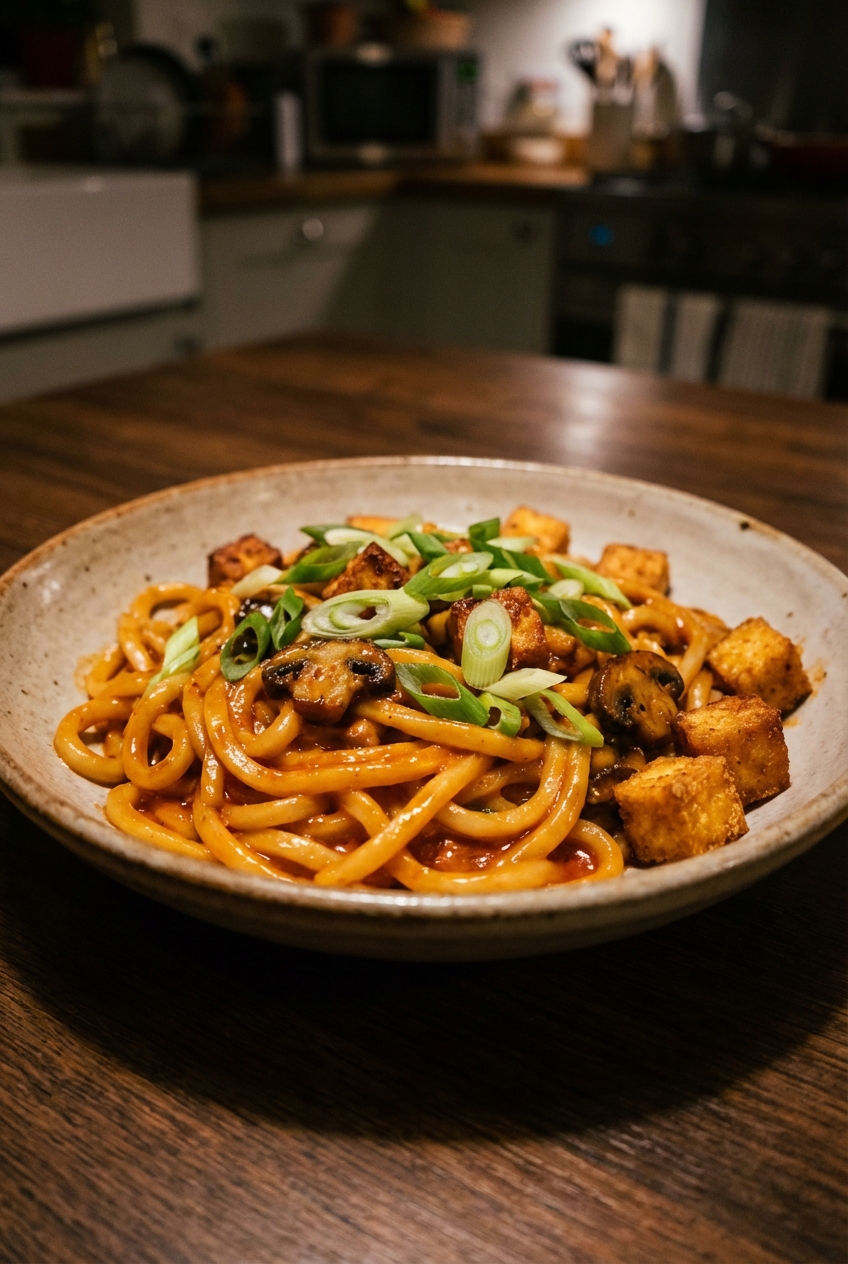
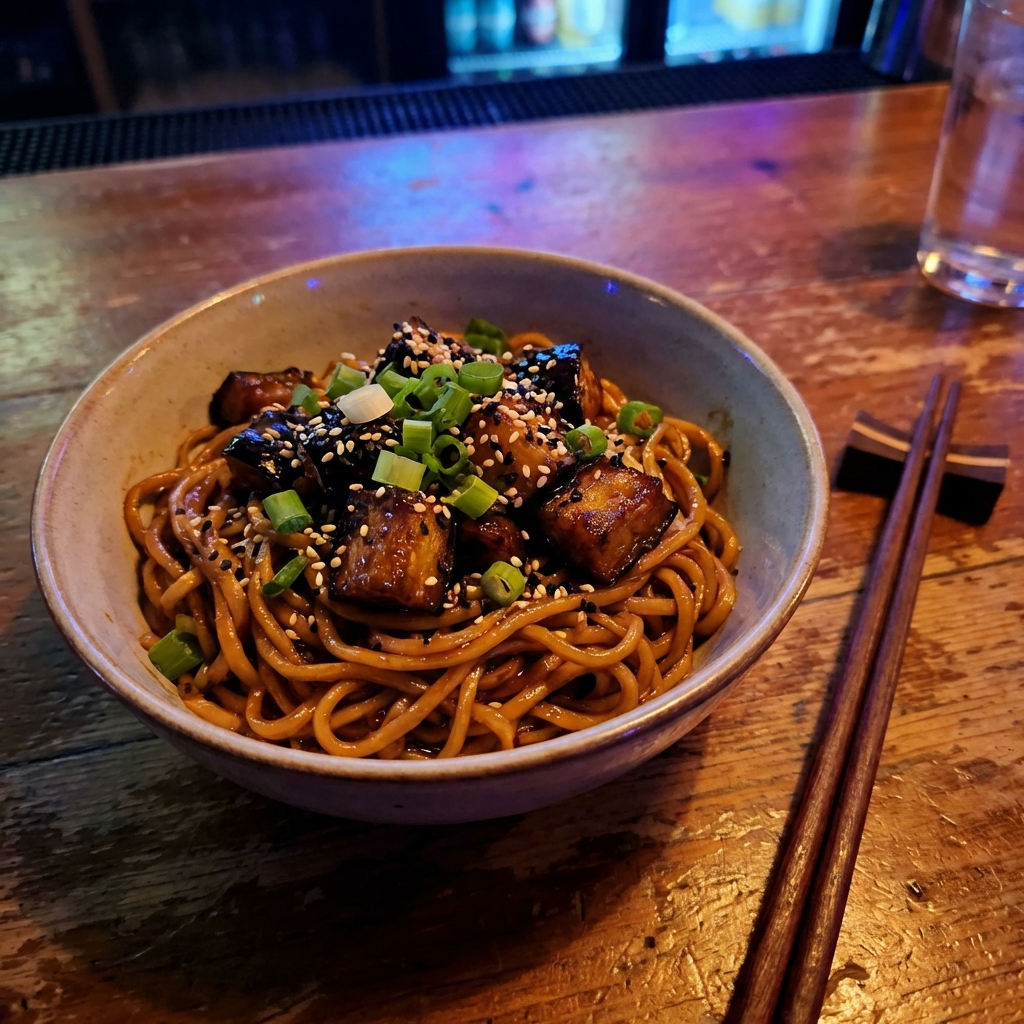
A real photo of glossy chewy noodles tossed in a creamy red gochujang butter sauce with browned mushrooms, crispy tofu cubes, and sliced scallions in a shallow bowl

When I say decadent vegetarian, I do not mean a sad bowl of noodles with a polite drizzle of olive oil. I mean soft, chewy noodles coated in a sauce that clings, shines, and tastes like you spent way more effort than you actually did.

This recipe is my current favorite kind of chaos: buttery gochujang heat, a little sweetness, plenty of garlic, and a quick pan situation that turns mushrooms into savory gold. Add crispy-edged tofu and suddenly you have the whole comfort-food package, no meat required.
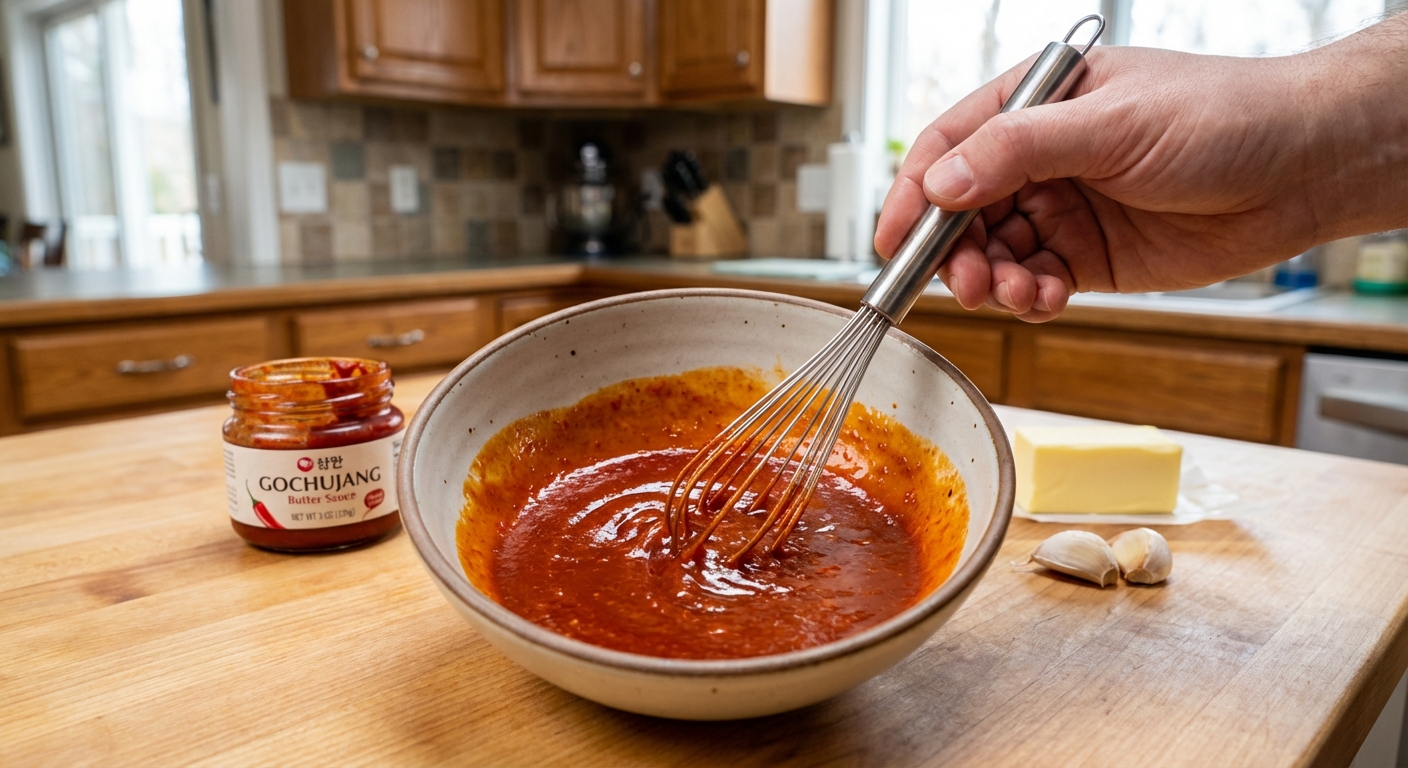
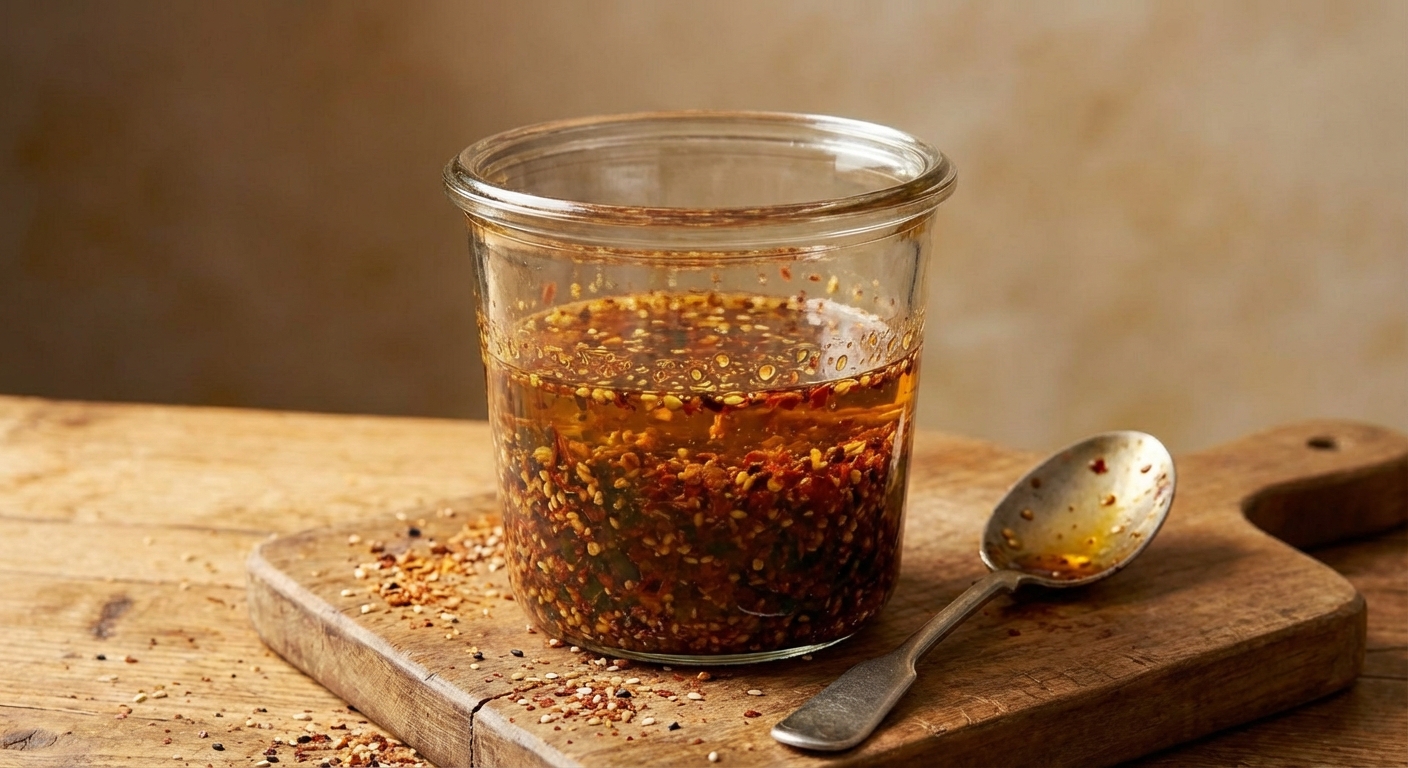
A real photo of a small bowl with gochujang butter sauce being whisked until smooth and glossy on a kitchen counter

Why It Works

  • Chewy, satisfying texture: Udon or thick wheat noodles stay springy and plush, not limp.
  • A fast, glossy sauce: Butter plus gochujang plus a splash of noodle water turns into a silky coating in minutes.
  • Vegetarian protein that actually feels hearty: Tofu gets crisp edges and stays tender inside.
  • Big flavor, accessible ingredients: Everything is easy to find at many grocery stores, especially well-stocked ones, and substitutions are built in.

Pairs Well With

Storage Tips

Fridge: Store leftovers in an airtight container for up to 3 days. The sauce thickens as it chills, which is not a problem, it is just a new personality.

Reheat: Warm in a skillet over medium-low with a splash of water (or broth) to loosen the sauce. Stir gently until glossy again. Microwave also works, but add a teaspoon of water first and stir halfway through.

Freeze: I do not love freezing this one. The noodles can get soft in a sad way and the sauce can separate. If you must, freeze the tofu and mushrooms separately and cook fresh noodles later.

Common Questions

What noodles are best for “soft and chewy”?

Udon is the easiest answer. Look for vacuum-packed or frozen udon for the best bounce. Thick wheat noodles, ramen noodles, or even spaghetti work, but udon gives you that plush chew that makes the whole dish feel extra decadent.

How spicy is gochujang?

It varies a lot by brand, from gentle warmth to legit heat, and it is usually a little sweet. Start with 1 tablespoon if you are heat-sensitive, then add more at the end. If you want it spicier, add a pinch of red pepper flakes or a drizzle of chili oil.

Can I make this vegan?

Yes. Swap the butter for vegan butter and use maple syrup instead of honey. Double-check your gochujang brand, since ingredients vary.

Any allergen notes?

Many gochujang brands contain wheat and soy. If you are gluten-free, look for a GF-labeled gochujang and use tamari instead of soy sauce.

My sauce looks oily or separated. How do I fix it?

Add 2 to 4 tablespoons hot noodle water and toss vigorously over low heat. The starch helps the sauce emulsify and turn glossy instead of greasy.

Can I add vegetables?

Absolutely. Quick-cooking options like spinach, shredded cabbage, peas, or thin-sliced bell peppers are great. Toss them in right after the mushrooms, then proceed.

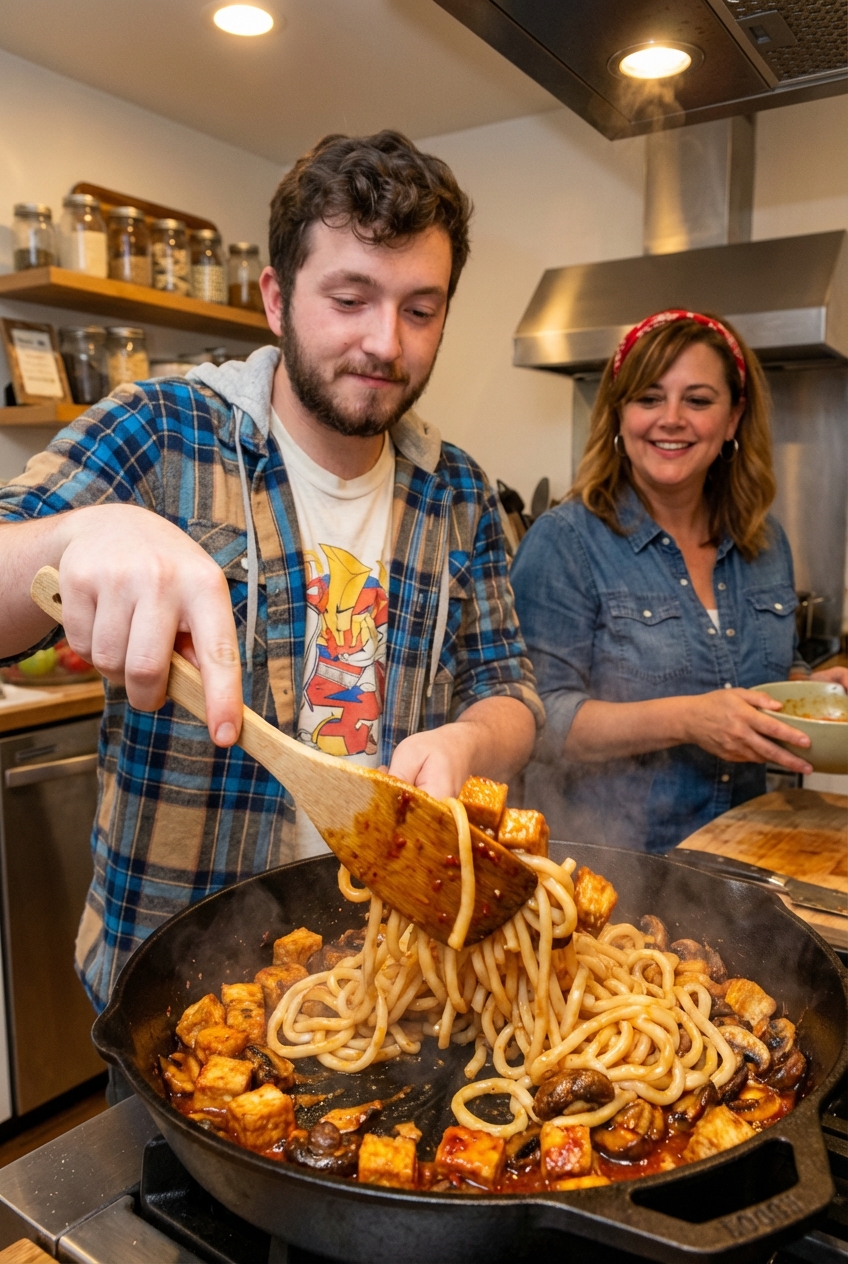
I started making versions of these noodles when I was chasing that restaurant-style comfort at home, the kind where the sauce actually sticks and every bite tastes intentional. The first time I tried it, I got cocky, skipped drying the tofu, and ended up with pale cubes that looked like they needed a nap. Now I take the extra two minutes to press it, crank the heat, and let the pan do its thing. The reward is that perfect crispy edge and a bowl of noodles that feels like a hug with a little attitude.