Mom's Best Recipes
Recipe

Decadent Lemon Meringue Pie

Bright lemon filling, a tender crust, and a soft, chewy meringue that toasts up like a dream. Classic comfort, with a little kitchen swagger.

Author By Matt Campbell
4.8
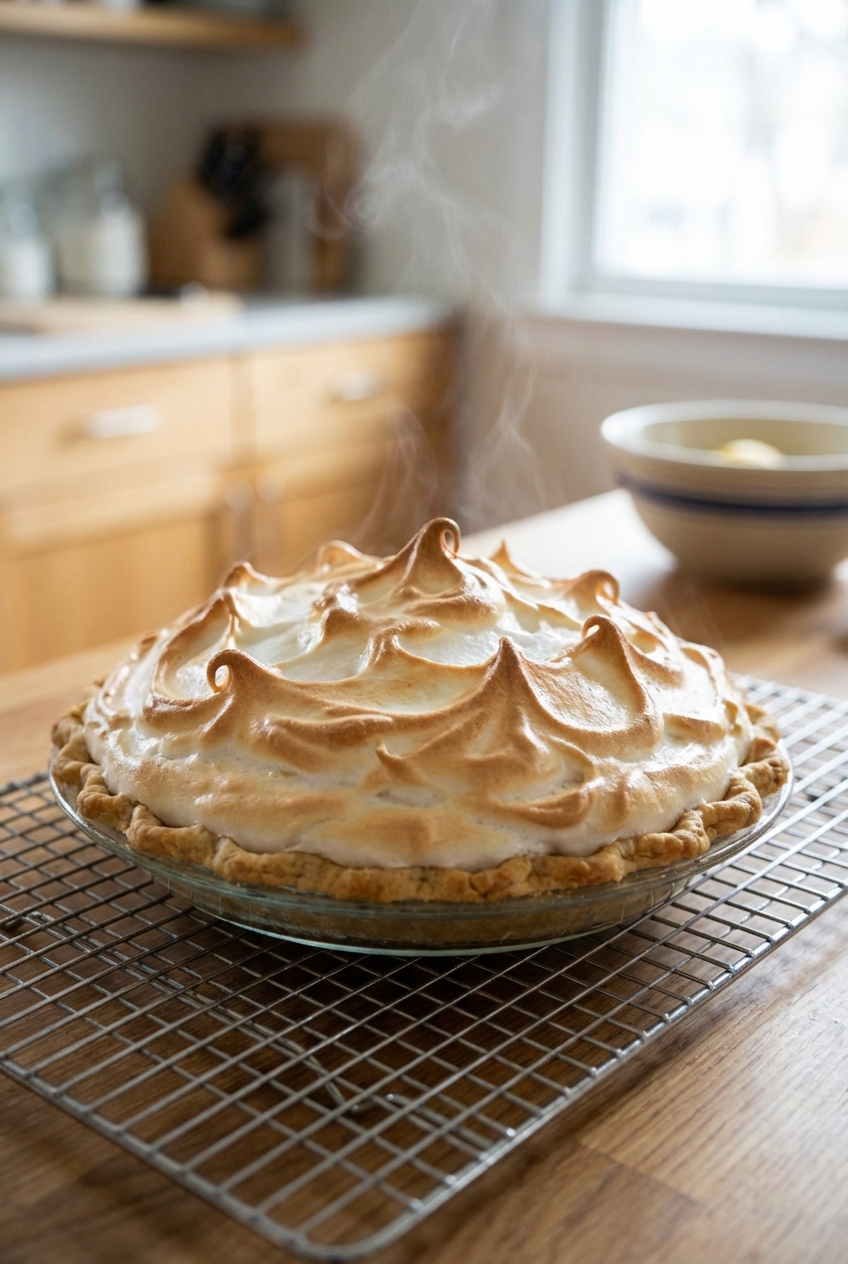
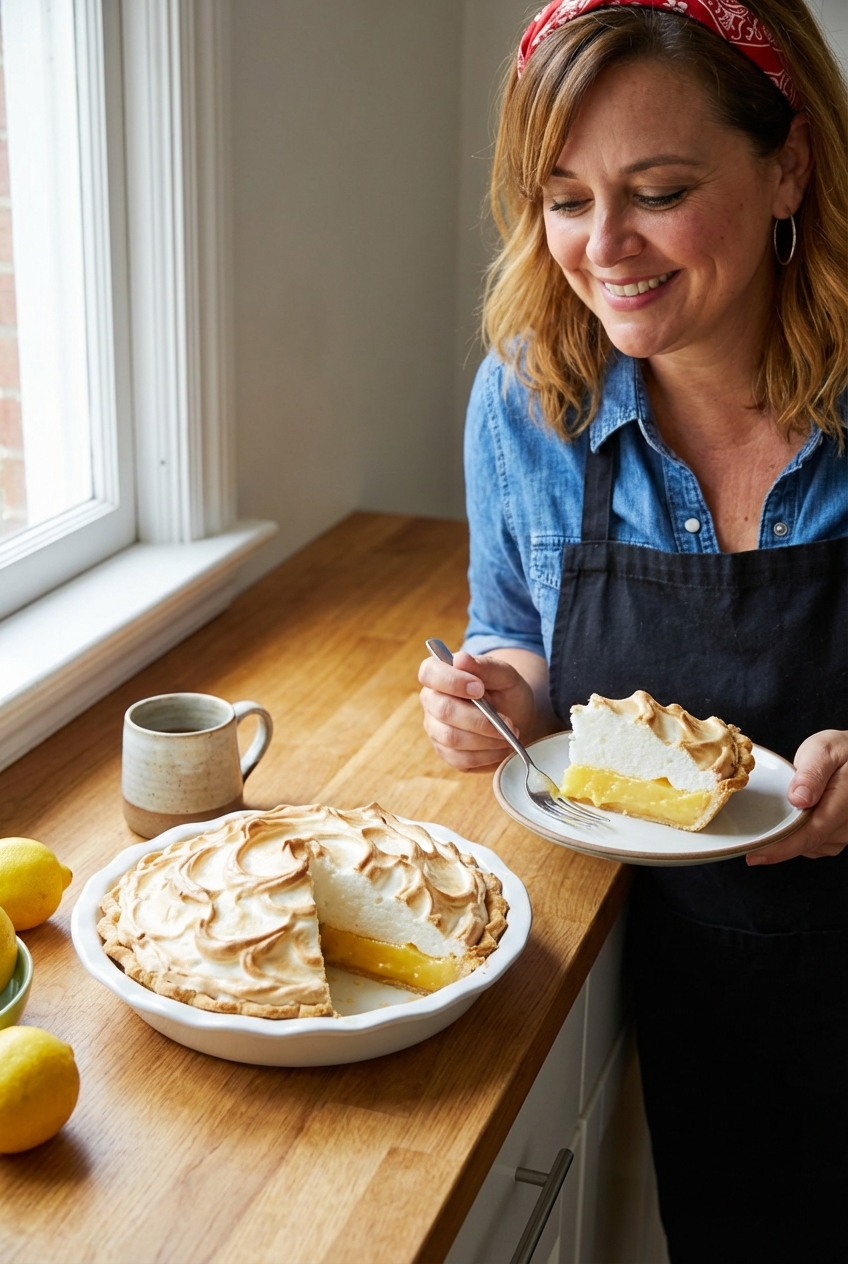
A real photograph of a lemon meringue pie with tall swirls of lightly toasted meringue on a white pie plate, sliced to show the glossy lemon filling, sitting on a wooden countertop in natural window light

Lemon meringue pie has two moods: sunny and show-off. This one is both. You get that sharp, clean lemon bite that makes your mouth water, plus a billowy meringue that stays soft in the center with chewy edges and a toasted top that tastes like marshmallow had a glow-up.

And yes, we are keeping it doable. Accessible ingredients, clear steps, and a few small tricks that prevent the usual pie drama: runny filling, weepy meringue, or a crust that goes soggy and sad.

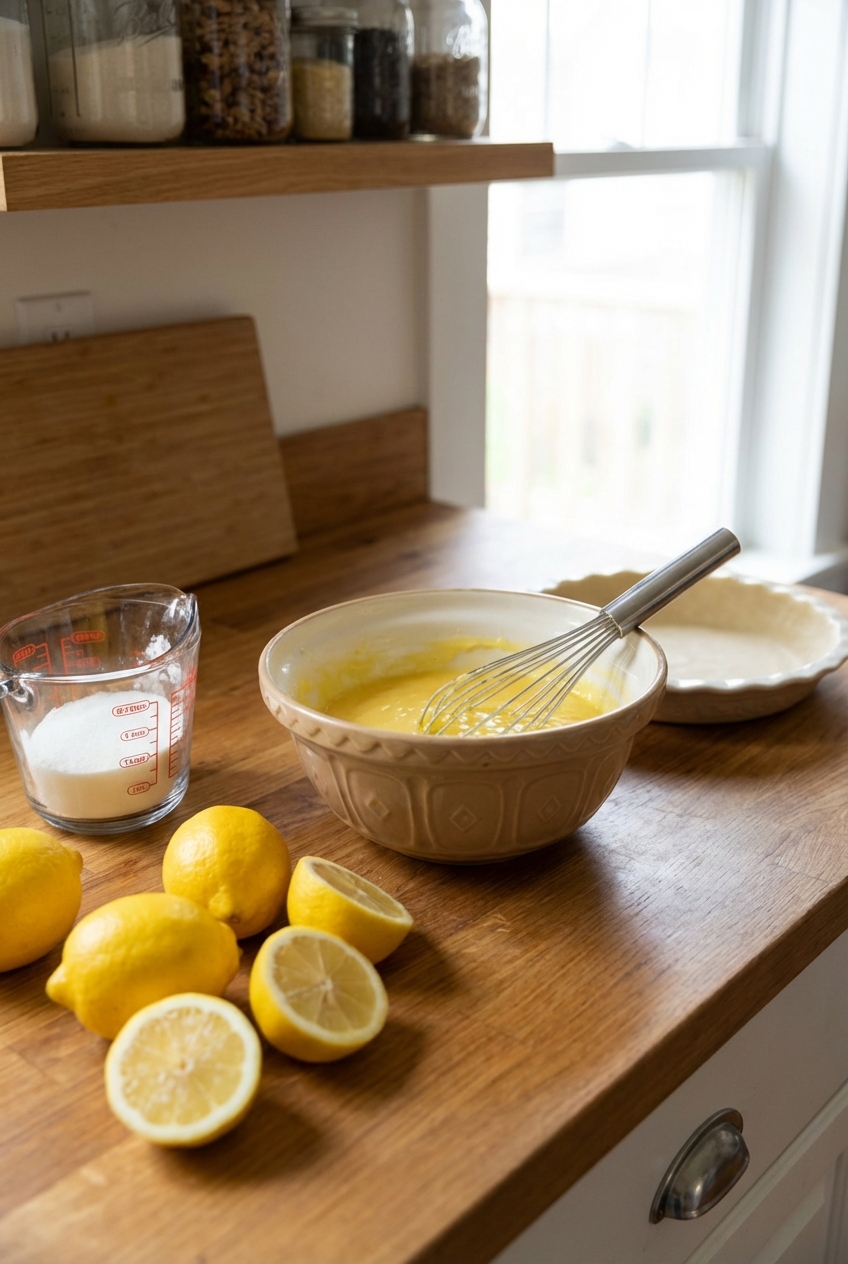
A real photograph of fresh lemons, a whisk, and a mixing bowl on a kitchen counter, ready for making lemon pie filling

Why It Works

  • Silky, sliceable lemon filling that sets firmly thanks to a cornstarch and egg yolk combo, plus a short full boil to activate the starch.
  • Big lemon flavor from both juice and zest, balanced with butter for a more decadent, rounded finish.
  • Soft and chewy meringue because we use a stable sugar ratio, add a little cornstarch, and seal it to the crust while the filling is hot to reduce weeping.
  • Crisp-bottom crust from a quick blind bake that gives the filling a fighting chance.

Pairs Well With

Storage Tips

Best day to eat it: The day it is made, after chilling. Lemon meringue pie is a diva and we love her for it.

  • Refrigerate: Cover loosely with a pie dome or tent with foil. Store in the fridge for up to 3 days. Avoid tightly covering it, since condensation can build up and make the meringue weep.
  • To keep slices neat: Slice cold with a clean, sharp knife wiped between cuts.
  • Freezing: Not recommended. Meringue texture suffers and can weep when thawed.

Little reality check: Meringue can slowly bead or weep over time. It is still safe to eat. It just gets less photogenic.

Common Questions

Why is my lemon filling runny?

Most often it did not boil long enough after adding cornstarch. The filling needs to come to a full, strong bubble and stay there for 1 to 2 minutes so the starch fully thickens. Look for cues: it should turn very thick and glossy, look a bit more translucent, and your whisk should leave visible trails. Also make sure you chill the finished pie long enough, at least 4 hours.

Why did my meringue weep or get watery?

Common causes: sugar not fully dissolved, underbaked meringue, or meringue sitting on a cooled filling. For best results, spread meringue on hot filling, make sure the sugar is dissolved (rub a bit between fingers, it should not feel gritty), and bake until the peaks are nicely set and toasted. Also, avoid tightly covering the pie in the fridge, since condensation can encourage weeping.

Can I make this with bottled lemon juice?

Fresh is better, especially for a pie this simple. Bottled can taste flat or slightly bitter. If bottled is all you have, add extra zest to help.

How do I get the meringue soft and chewy instead of dry?

Do not overbake it. Bake just until the peaks are toasted and the meringue is set. It will finish setting as it cools. Overbaking drives off too much moisture and turns it chalky.

Do I need to worry about egg safety in the meringue?

If you want a concrete target, you can spot-check the center of the meringue with an instant-read thermometer. Aim for about 160°F for peace of mind. The meringue should also look set (not wet or sliding) with toasted peaks.

My crust shrank during blind baking. How do I stop that?

Chill the shaped crust for 20 to 30 minutes before baking, use plenty of pie weights pressed up the sides, and make sure the crust is well-fitted in the corners. A little docking (a few fork pricks) on the bottom can also help.

Can I make it ahead?

You can bake it the same day and chill for several hours. If you need to prep ahead, make and blind bake the crust up to 2 days in advance and store it at room temp, wrapped well. Fill and top with meringue the day you plan to serve.

The first time I made lemon meringue pie on my own, I treated it like a confidence exercise. You know, the kind where you are casually saying, “No big deal,” while secretly hovering over a saucepan like it might explode. I learned two things fast: lemon filling needs a real boil, and meringue needs commitment. Not a gentle little dollop, but a full-on fluffy cloud that you seal right to the crust like you mean it.

Now it is one of my favorite desserts to bring to family dinners because it looks like you tried very hard, even if you were listening to music and licking lemon curd off a spoon the whole time. Bright, cozy, and slightly chaotic, in the best way.