Mom's Best Recipes
Recipe

Soft Homemade Burger Buns

Fluffy, lightly sweet, and sturdy enough for juicy burgers. These easy homemade buns bake up pillowy with a glossy top and that classic soft bite.

Author By Matt Campbell
4.9
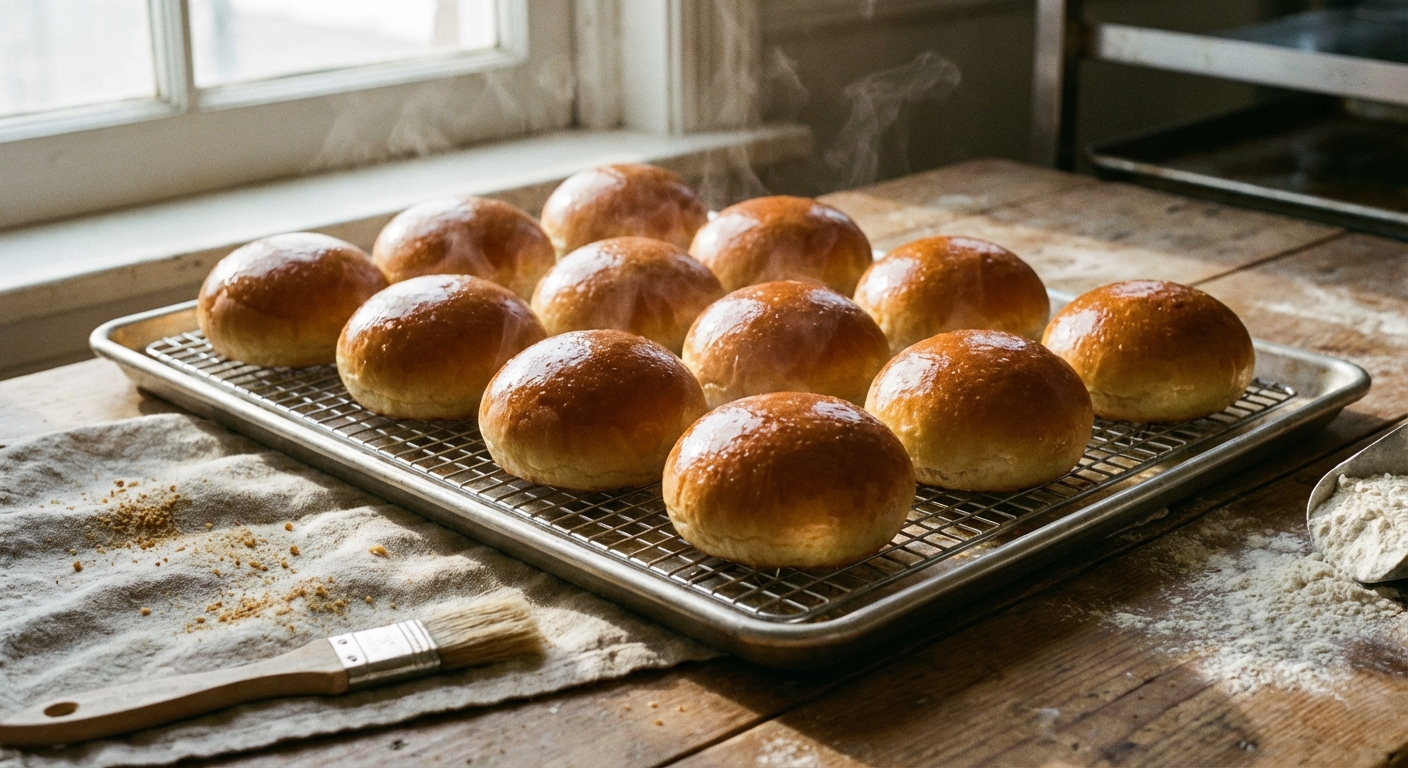
A tray of freshly baked soft burger buns with glossy tops cooling on a wire rack

There are two types of burger nights: the ones where the bun is just there, and the ones where you take a bite and immediately realize the bun is doing serious work. These soft homemade burger buns are firmly in the second category. They are fluffy and slightly sweet, with a tender crumb that still holds up to a drippy burger, a smashed cheeseburger situation, or a fried chicken cutlet that has no respect for boundaries.

We are using an enriched dough (milk, butter, egg), which is code for: soft, cozy, and a little indulgent. The process is straightforward, the ingredients are normal grocery-store stuff, and the payoff is huge. Also, if you make these once, store-bought buns start feeling like packing foam with a cute sesame hat.

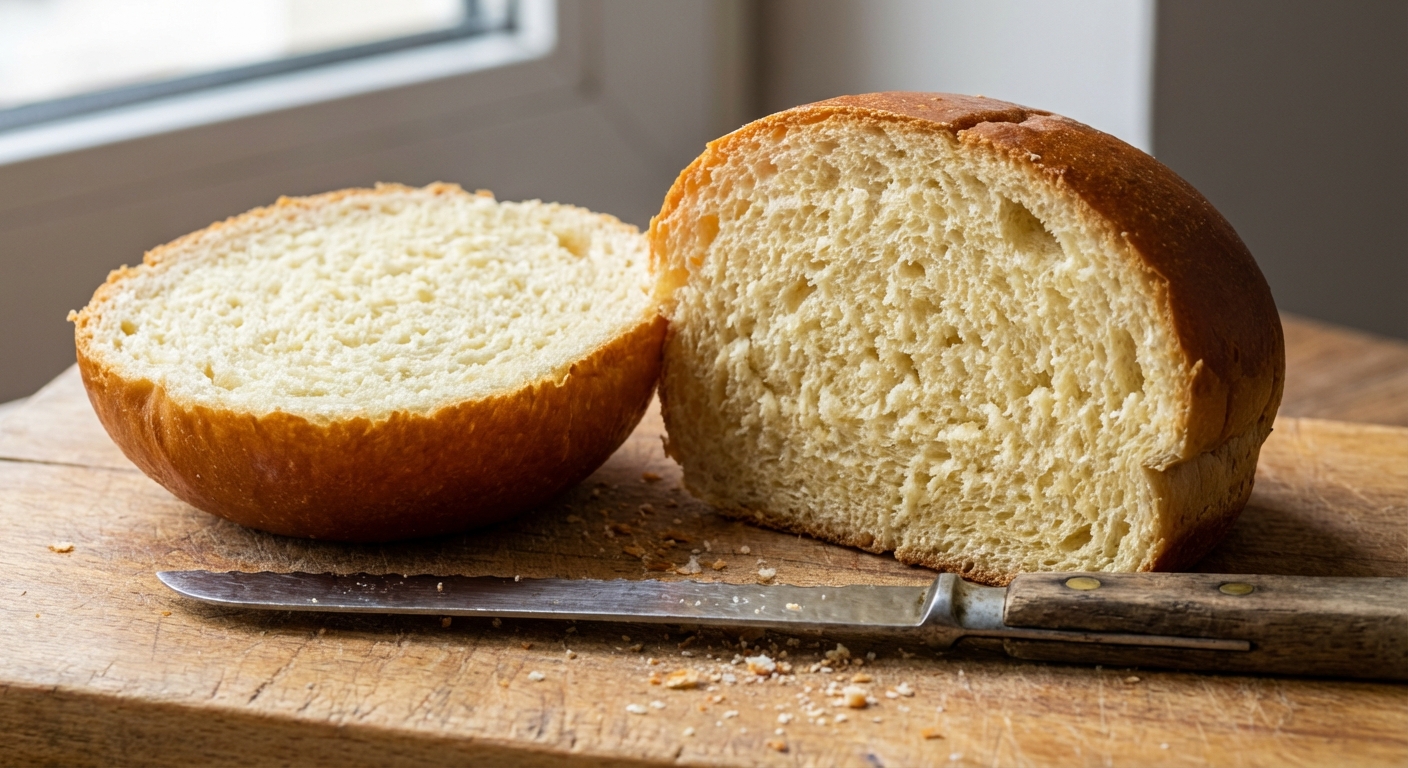
A soft burger bun sliced open showing a fluffy tender crumb on a wooden cutting board

Why It Works

  • Enriched dough for plush texture: Milk, butter, and egg help the crumb stay soft and tender longer, not just fresh-out-of-the-oven impressive.
  • Balanced structure: Bread flour (or all-purpose in a pinch) plus a proper knead gives you a bun that can handle sauces and juices without turning into mush.
  • One simple shaping method: Tight dough balls create a tall, rounded bun that bakes evenly and looks bakery-level without requiring fancy skills.
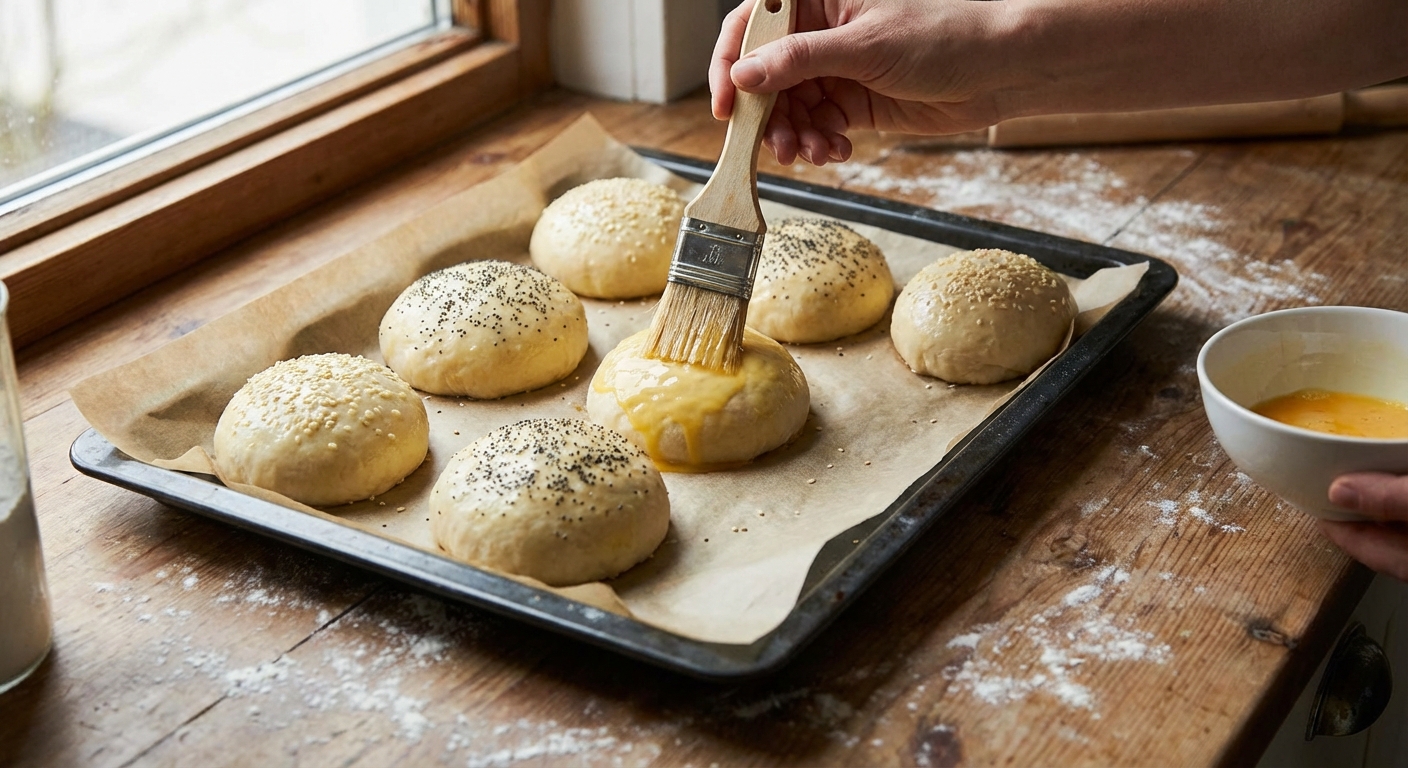
  • Glossy, golden tops: An egg wash gives that classic shine and helps toppings like sesame seeds actually stick around.

Expect: 8 standard-size buns that are soft enough for a diner-style burger and sturdy enough for a backyard monster patty.

Storage Tips

How to Store Burger Buns

  • Room temperature: Cool completely, then store in a sealed bag or airtight container for 2 to 3 days. If your kitchen is very warm or humid, lean toward 2 days.
  • Freeze: Slice buns in half (future-you says thank you), wrap well, and freeze for up to 2 months. Thaw at room temp or pop straight into the toaster.
  • Best way to rewarm: Toast cut sides in a skillet with a little butter, or warm in a 350°F oven for 5 to 8 minutes.
  • Leftover bonus plan: Stale buns make excellent garlic bread, croutons, or burger-bun French toast. Yes, that is a thing, and yes, it rules.

Common Questions

Common Questions

Can I use all-purpose flour instead of bread flour?

Yes. Bread flour gives a slightly chewier structure (great for burgers), but all-purpose works and still bakes up soft. The easiest way to avoid a too-wet dough is to hold back a splash of milk at the start, then add it only if needed. Go by feel: dough should be soft and a little tacky, not soupy.

Can I use instant yeast?

Yes. Use the same amount (7 g). With instant yeast you can skip the blooming step and mix it with the dry ingredients, then add warm milk, egg, and butter. I still like the “foam check” when I am not sure how lively my yeast is.

Can I make the dough ahead?

Yes, with two good options:

Option 1 (best control): Make the dough, cover, and refrigerate after kneading for up to 12 to 18 hours. The next day, let it sit at room temp for 30 to 60 minutes, then shape, proof, and bake.

Option 2 (shape ahead): Shape the buns, place on the pan, cover well, and refrigerate right away. Bake within 12 to 18 hours. The next day, let them sit at room temp until puffy (usually 60 to 90 minutes), then egg wash and bake. If they look very inflated and delicate straight from the fridge, bake sooner.

My dough is not rising. What happened?

Usually one of three things: your yeast is old, your milk was too hot (and stressed the yeast out), or your kitchen is chilly. Aim for milk around 100 to 110°F. For a cozy proofing spot, put the bowl in an oven that is off with the light on.

How do I get evenly sized buns?

Use a kitchen scale. Divide the dough into 8 pieces, about 95 to 105 grams each depending on your total dough weight. Same weight equals same bake time equals fewer “why is this one tiny” feelings.

Do I need sesame seeds?

Nope. Go plain, sesame, poppy, everything seasoning, or even flaky salt. You are the bun boss. For extra stick, brush egg wash, add seeds, then press lightly so they actually commit.

Can I make these vegan?

You can, with swaps: use plant milk, vegan butter, and brush with plant milk plus a little maple syrup instead of egg wash. The texture will be slightly different but still very good.

The first time I made homemade burger buns, it was not because I am a responsible adult. It was because I opened a bag of store-bought buns, gave one a gentle squeeze, and it rebounded like a stress ball. So I made buns “just once” to prove a point. Then I made them again because my freezer started feeling emotionally supportive, and having a stash of real buns makes leftovers look like you planned your life.

Now burger night at my place has a rule: if the filling is messy and dramatic, the bun has to be soft and strong. These buns are basically the dependable friend who still laughs at your jokes.