
Mom's Best Recipes
Recipe

Soft Homemade Sandwich Bread

A pillowy, sliceable loaf with a tender crumb and a golden top, perfect for school lunches, grilled cheese, and toast that actually behaves.

Author By Matt Campbell
4.8
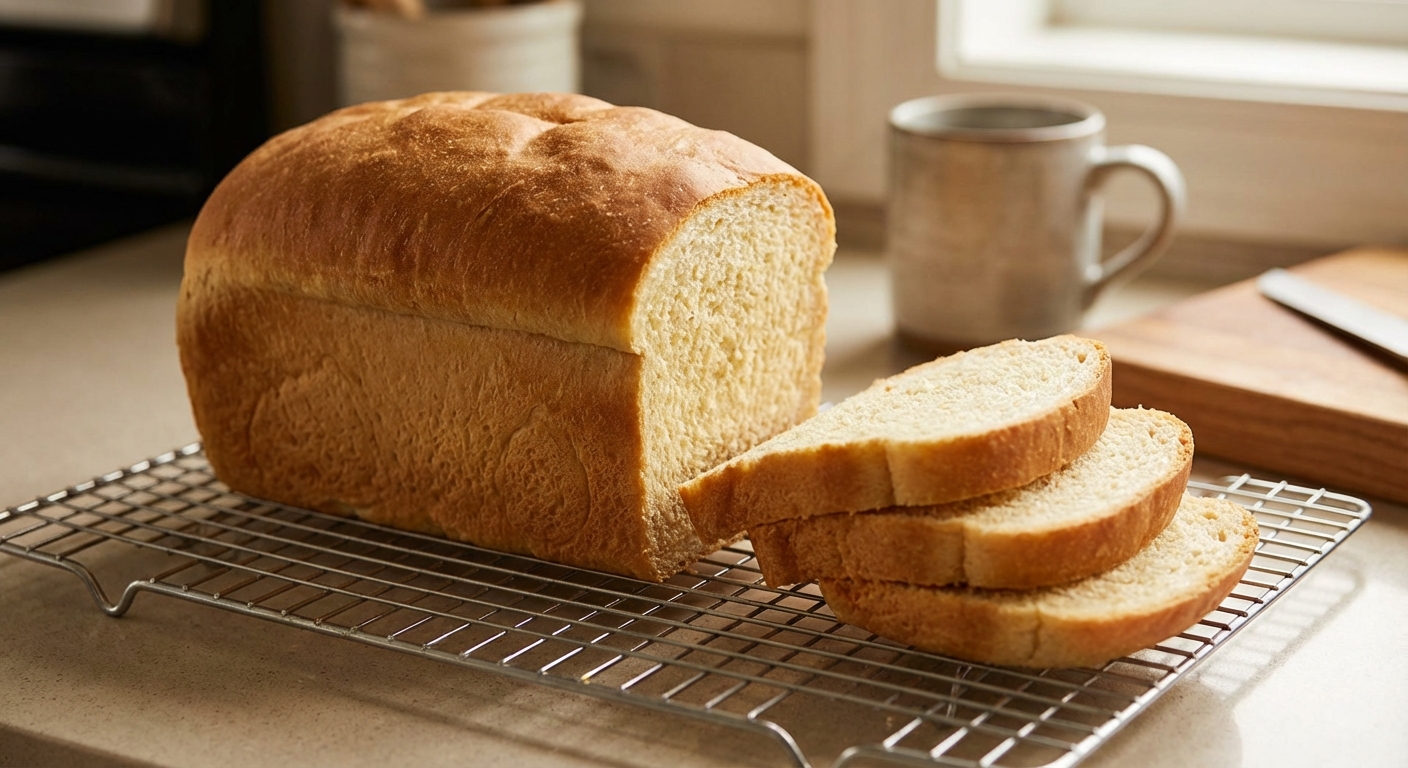
A golden brown loaf of soft homemade sandwich bread cooling on a wire rack with a few even slices cut and stacked beside it

If you have ever bought sandwich bread that claims to be “soft” but still tears like a paper towel the second you spread peanut butter, you are in the right place. This is the loaf I make when I want real softness: the kind that bends for a BLT, toasts into crisp edges, and slices clean for lunchbox duty.

It is a simple enriched dough, which is just a fancy way of saying we add a little butter, a little milk, and a touch of sweetness. That combo keeps the crumb tender and helps the bread stay fresh longer. No hard-to-find ingredients, no stressful shaping, and no sourdough starter babysitting. Just a cozy, reliable loaf that makes your kitchen smell like you have your life together.
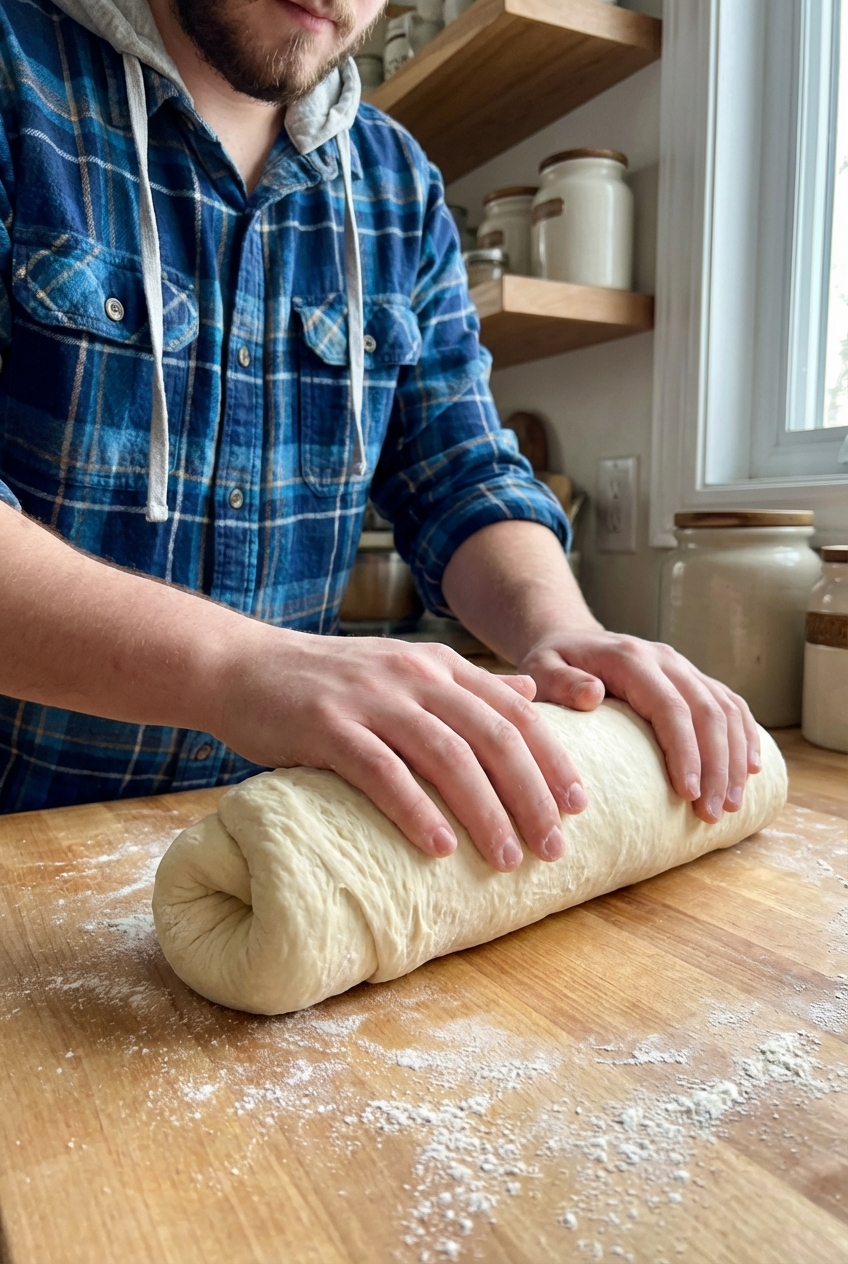

Hands shaping sandwich bread dough into a tight log on a lightly floured countertop

Why It Works

  • Soft, not squishy: Milk and butter tenderize the crumb so it stays pillowy without turning gummy.
  • Slices like a dream: A tight roll during shaping creates an even crumb that cuts cleanly for sandwiches.
  • Stays fresh: A little sugar plus fat slows staling, so you get good bread for days.
  • Beginner-friendly timing: Two rises, one pan, and clear “look for this” cues so you are not guessing.

Pairs Well With

Storage Tips

Cool completely first. If you bag warm bread, steam will turn your crust soft and your crumb tacky.

  • Room temp (best texture): Store tightly wrapped or in a bread bag for 3 to 4 days. Keep it out of the fridge, which stales bread faster.
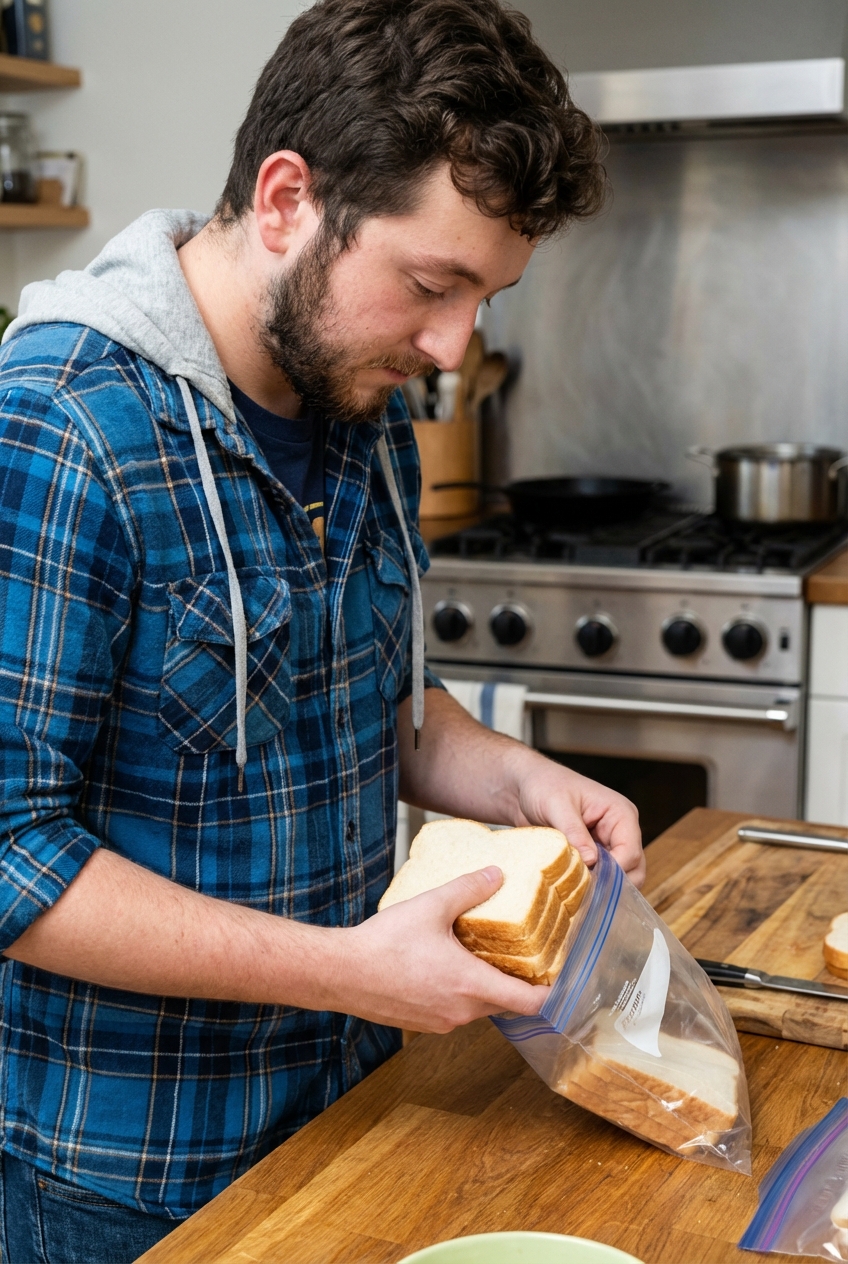
  • Freeze (best for meal prep): Slice the loaf, then freeze in a zip-top bag for up to 3 months. Pull slices as needed and toast straight from frozen.
  • Refresh: If the loaf feels a little dry on day 3 or 4, toast it, or warm whole slices for 10 to 15 seconds in the microwave, then finish in a toaster for crisp edges.

Sliced sandwich bread stacked and being placed into a freezer bag on a kitchen counter

Common Questions

Can I use instant yeast instead of active dry?

Yes. Use the same amount. With instant yeast, you can skip the proofing step and mix it right into the flour, but I still like to bloom it in warm milk because it keeps things simple and reassuring.

Why is my bread dense?

Most often it is one of these: the milk was too hot (it can weaken yeast), the dough needed a longer rise, or you added too much flour. The dough should feel soft and slightly tacky, not dry or stiff. If in doubt, hold back a little flour and let the mixer or your hands do the work.

What pan size should I use?

An 8.5 x 4.5-inch loaf pan typically gives you that taller, classic sandwich-bread profile with this amount of dough. A 9 x 5-inch loaf pan works great too, it just tends to bake up a bit wider and a little shorter, and it may finish a few minutes sooner.

How do I know it is done baking?

Look for a deep golden top and a loaf that pulls slightly from the sides. If you have a thermometer, the center should read 190°F to 195°F. If the top is browning too fast, tent loosely with foil for the last 10 minutes.

Can I make it dairy-free?

Yes. Use unsweetened non-dairy milk (oat or soy are great) and swap the butter for vegan butter. The crumb will still be soft, just a touch less rich.

Can I make it whole wheat?

You can replace up to 50% of the flour with whole wheat flour. Add an extra 1 to 2 tablespoons milk if the dough feels tight, and expect a slightly heartier crumb.

I started making sandwich bread when I got tired of buying a loaf, using four slices, then watching the rest go stale while I pretended I would “definitely make croutons.” This recipe fixed that. It is the loaf that makes you want to use the whole thing: thick-cut toast with butter and cinnamon sugar, turkey sandwiches that do not fall apart, and grilled cheese with those loud, crispy edges.

Also, there is something wildly calming about shaping dough into a neat little log, like you are tidying up your brain for a second. Even when the kitchen is chaotic, this bread is dependable. And yes, you should absolutely tear off the heel the moment it is cool enough and call it quality control.