Mom's Best Recipes
Recipe

Soft & Pillowy Gnocchi

Light, tender potato gnocchi with crisp edges when you want them. Simple ingredients, clear steps, and the little tricks that keep your dumplings fluffy instead of gummy.

Author By Matt Campbell
4.8
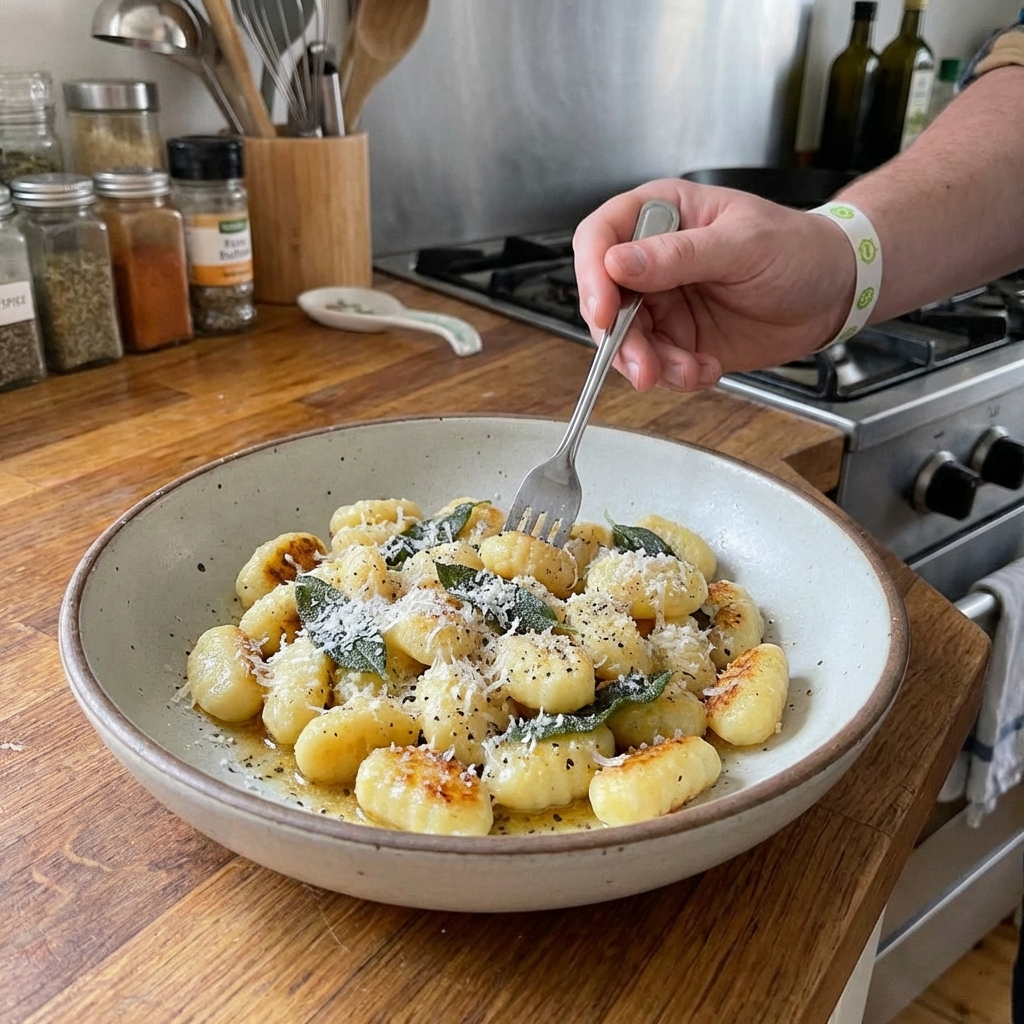
A real photograph of freshly cooked potato gnocchi in a shallow bowl, lightly coated in browned butter and sage with grated Parmesan and cracked black pepper

Gnocchi is one of those foods that feels fancy until you realize it is basically potatoes, flour, and a little confidence. When it is done right, it eats like a cloud that somehow also has cozy carb energy. When it is done wrong, it turns into chewy little paperweights. We are aiming for the cloud version.

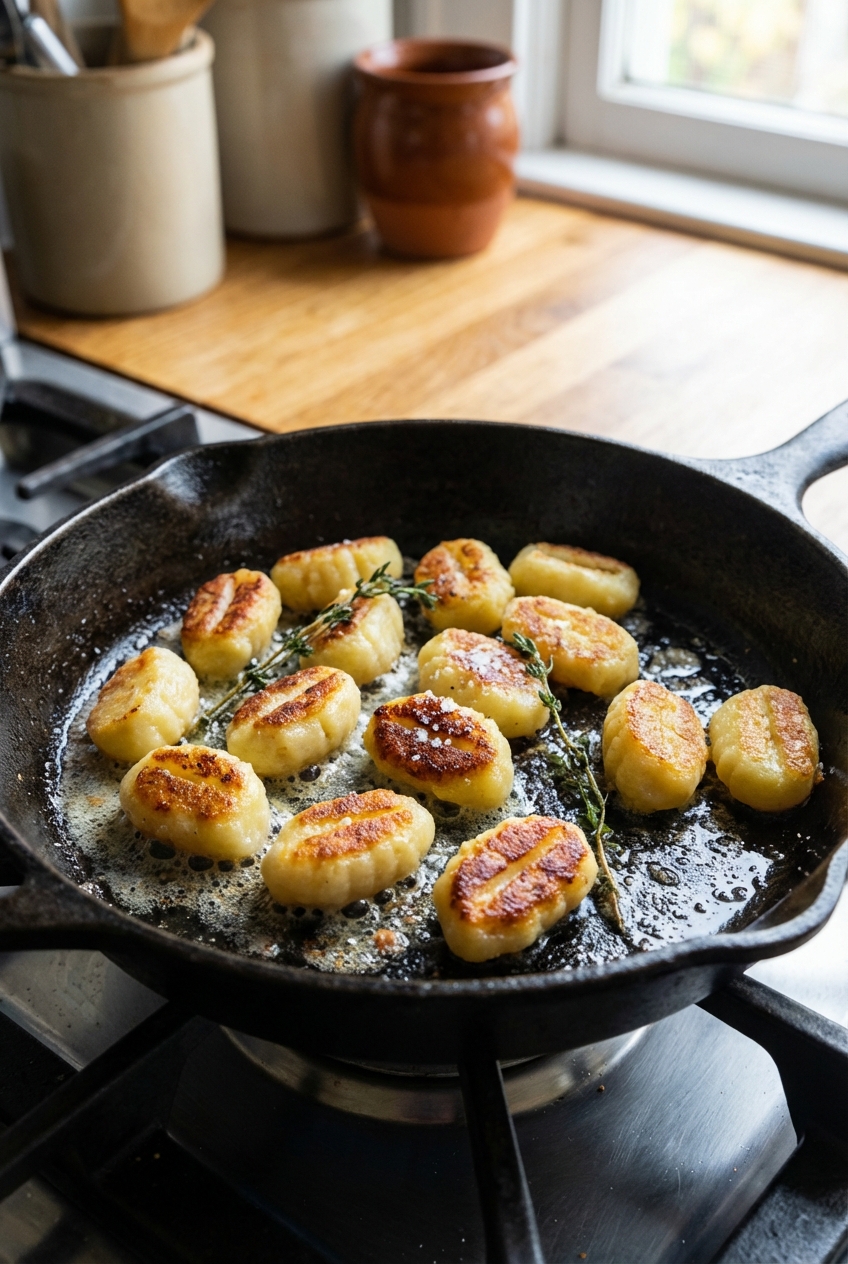
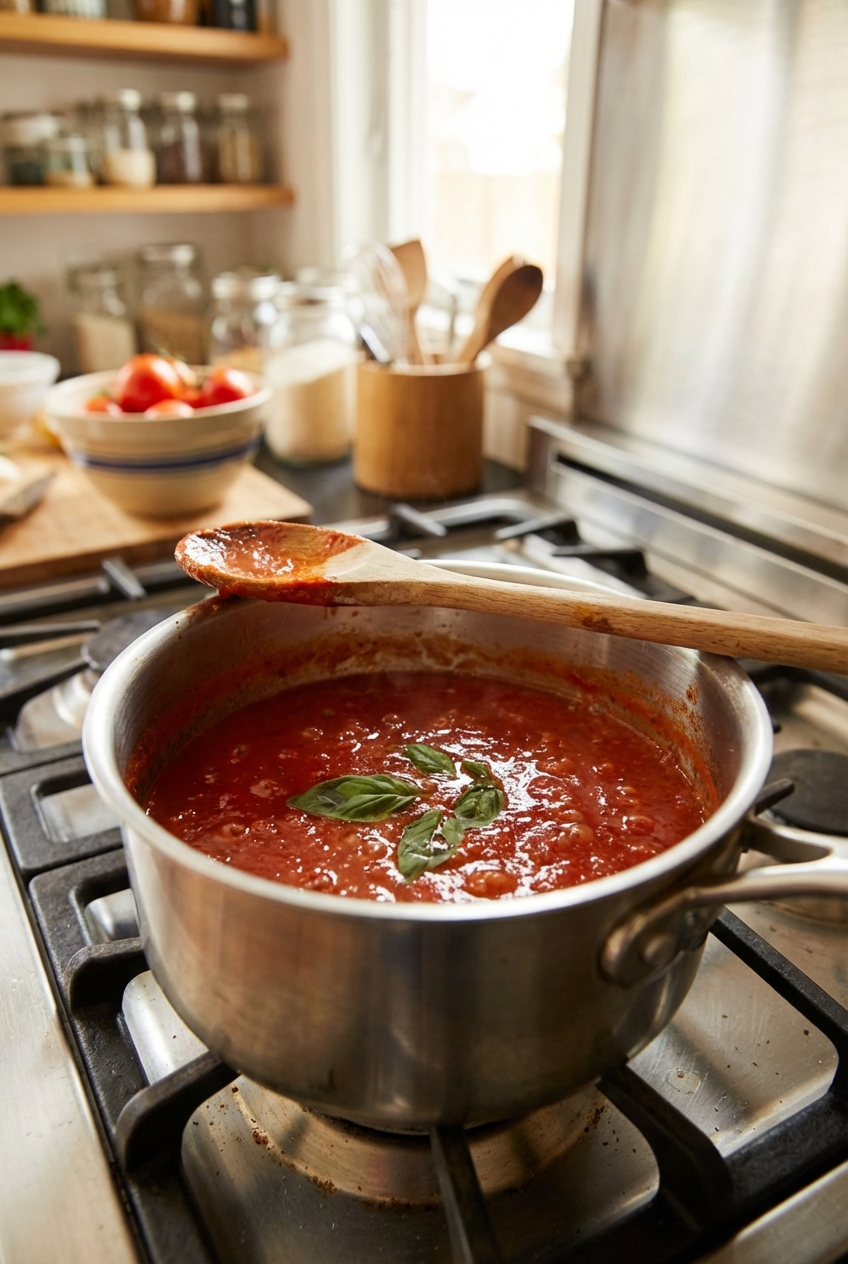
This recipe is built for soft, pillowy gnocchi with a gentle bite. You can serve them straight from the pot in a bright tomato sauce, or pan-crisp them in butter until the edges go golden and a little dramatic. Either way, you will get gnocchi that tastes like you put in way more effort than you actually did.
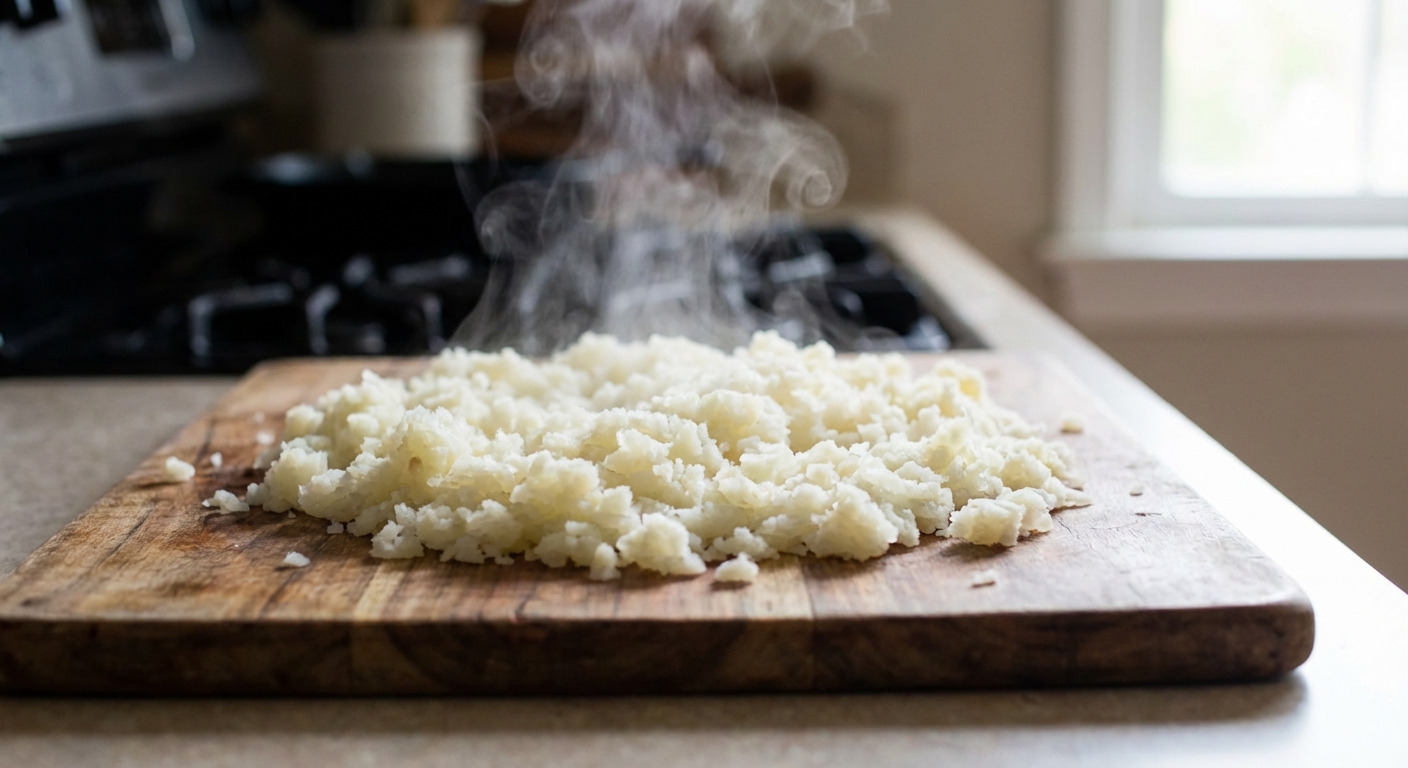
A real photograph of hot riced potatoes spread out on a wooden cutting board with steam rising

Why It Works

  • Fluffy texture, not gummy: We use starchy potatoes and keep flour to the minimum needed.
  • Reliable dough: Mixing while the potatoes are warm helps everything come together without overworking.
  • Quick cooking: Gnocchi are done when they float, then you can sauce them or crisp them in a skillet.
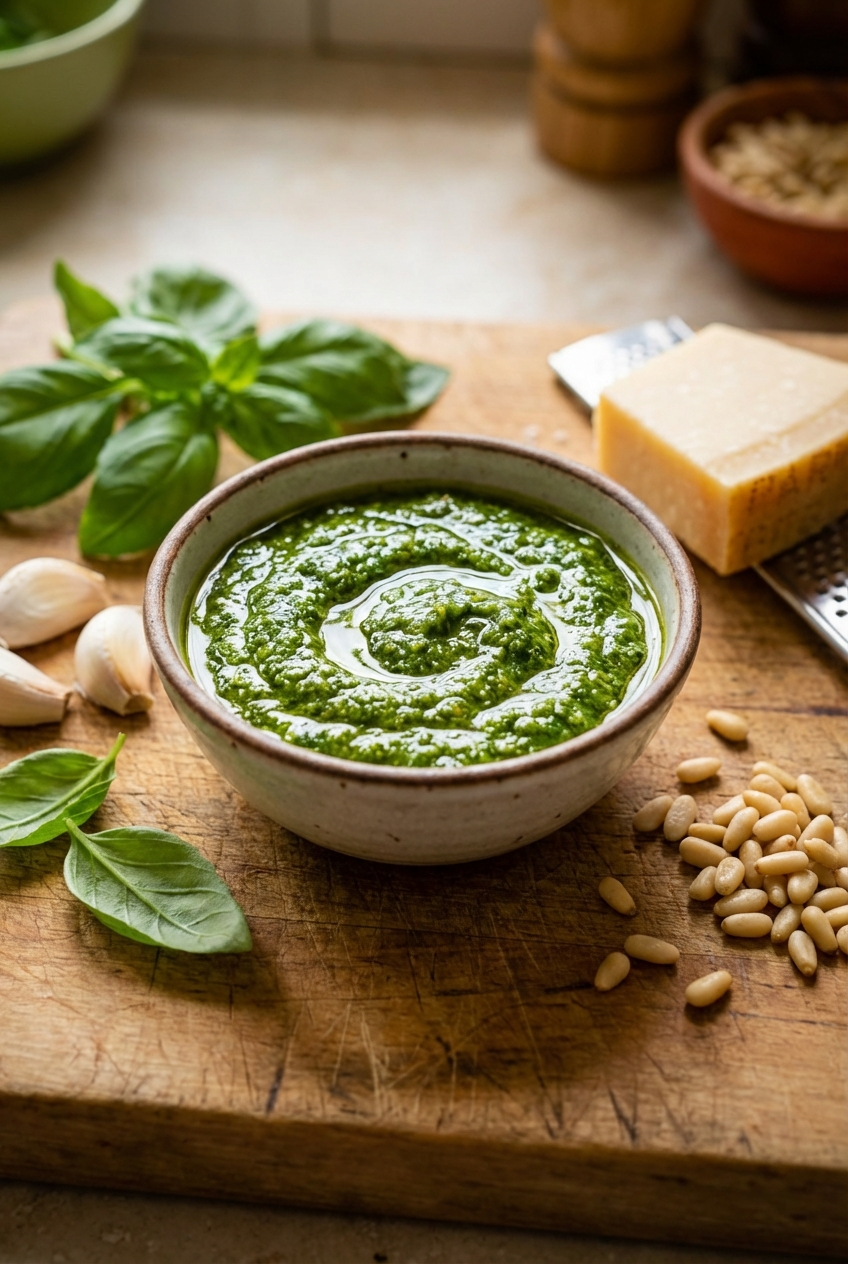
  • Flexible finish: Toss in marinara, pesto, browned butter, or a simple lemony cream sauce.

Pairs Well With

Storage Tips

Storing uncooked gnocchi

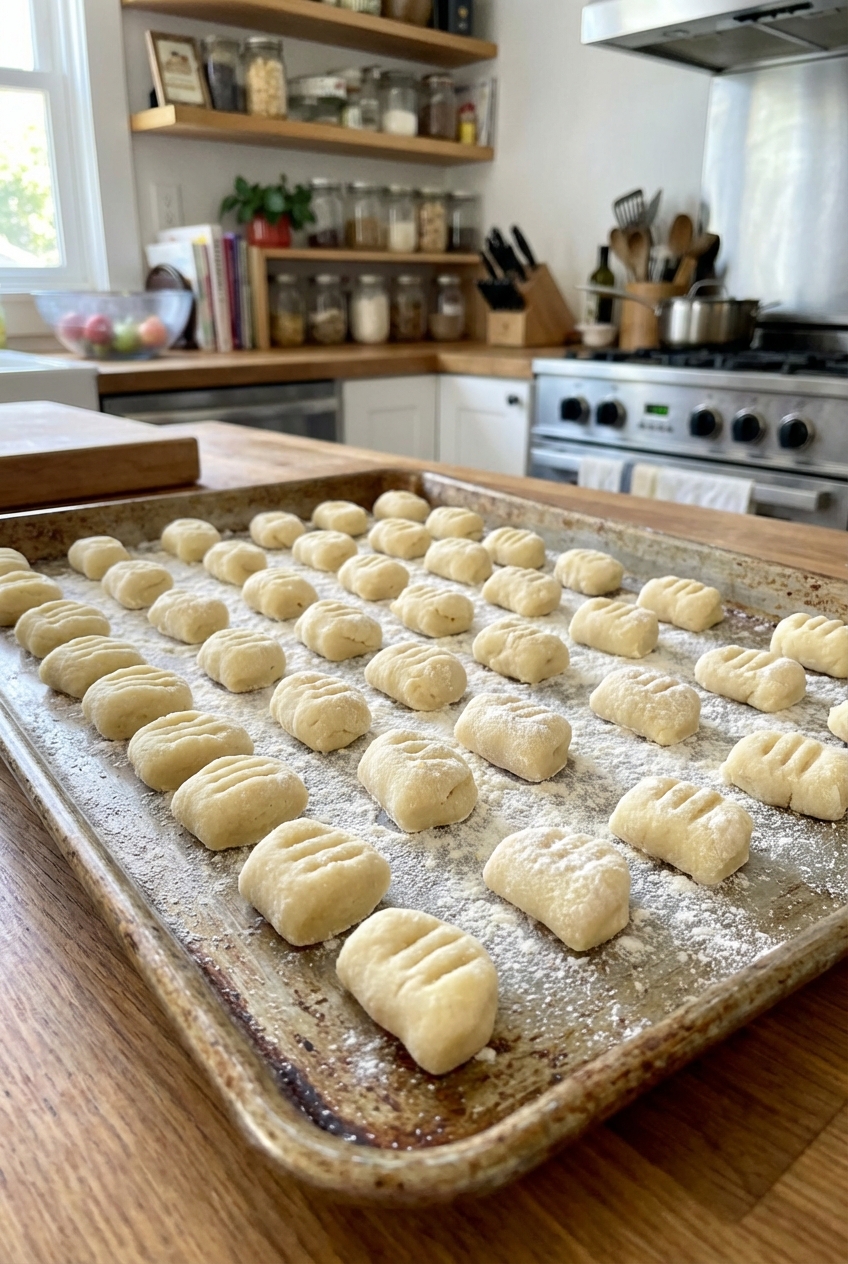
  • Fridge: Arrange uncooked gnocchi in a single layer on a floured sheet pan, cover, and refrigerate up to 24 hours. Cook straight from the fridge.
  • Freezer: Freeze uncooked gnocchi on a sheet pan until solid, then transfer to a freezer bag. Freeze up to 2 months. Boil from frozen. Do not thaw.

Storing cooked gnocchi

  • Fridge: Cool, then store airtight up to 3 days. Reheat in a skillet with butter or olive oil to revive the texture.
  • Best reheat tip: Skip the microwave if you can. A hot pan brings back those crisp edges and keeps the inside tender.

A real photograph of uncooked gnocchi pieces arranged in rows on a metal sheet pan lightly dusted with flour

Common Questions

Why is my gnocchi dough sticky?

Sticky usually means too much moisture in the potatoes or the potatoes were worked too much. Use starchy russets, bake or steam instead of boiling if you can, and rice while hot. If it is still sticky, add flour 1 tablespoon at a time just until the dough is soft but not wet.

Why did my gnocchi turn out tough or chewy?

The two big culprits are too much flour and over-kneading. Add the minimum flour needed and mix gently. The dough should feel like a soft playdough, not bread dough.

Do I need a potato ricer?

It helps a lot because it keeps the potatoes fluffy. If you do not have one, use a food mill or mash very thoroughly with a masher, then spread the potatoes out to steam off moisture. Avoid a blender or food processor, which can make the potatoes gluey.

Can I make gnocchi without eggs?

Yes. Egg adds a little structure, which is helpful for beginners and for softer dough. If you skip it, you may need slightly more flour, and you should handle the dough extra gently.

How do I know when gnocchi are cooked?

They float when they are done. Give them 30 to 60 seconds after they float, then scoop them out with a slotted spoon.

The first time I tried making gnocchi, I treated the dough like it was bread. I kneaded it. I kept adding flour. I was basically building tiny rubber bouncy balls with ambition. They were edible, but only if you had something to prove.

Now I make gnocchi the way I wish someone had told me from the start: dry the potatoes out, use less flour than feels “safe,” and handle the dough like it is fragile. The funny part is the less you mess with it, the more impressive it tastes. That is my favorite kind of cooking.