Mom's Best Recipes
Recipe

Sourdough Chocolate Cake

A one-bowl chocolate cake using sourdough starter or discard for a moist crumb and deeper chocolate flavor, with easy pan-size swaps and frosting pairings.

Author By Matt Campbell
4.8
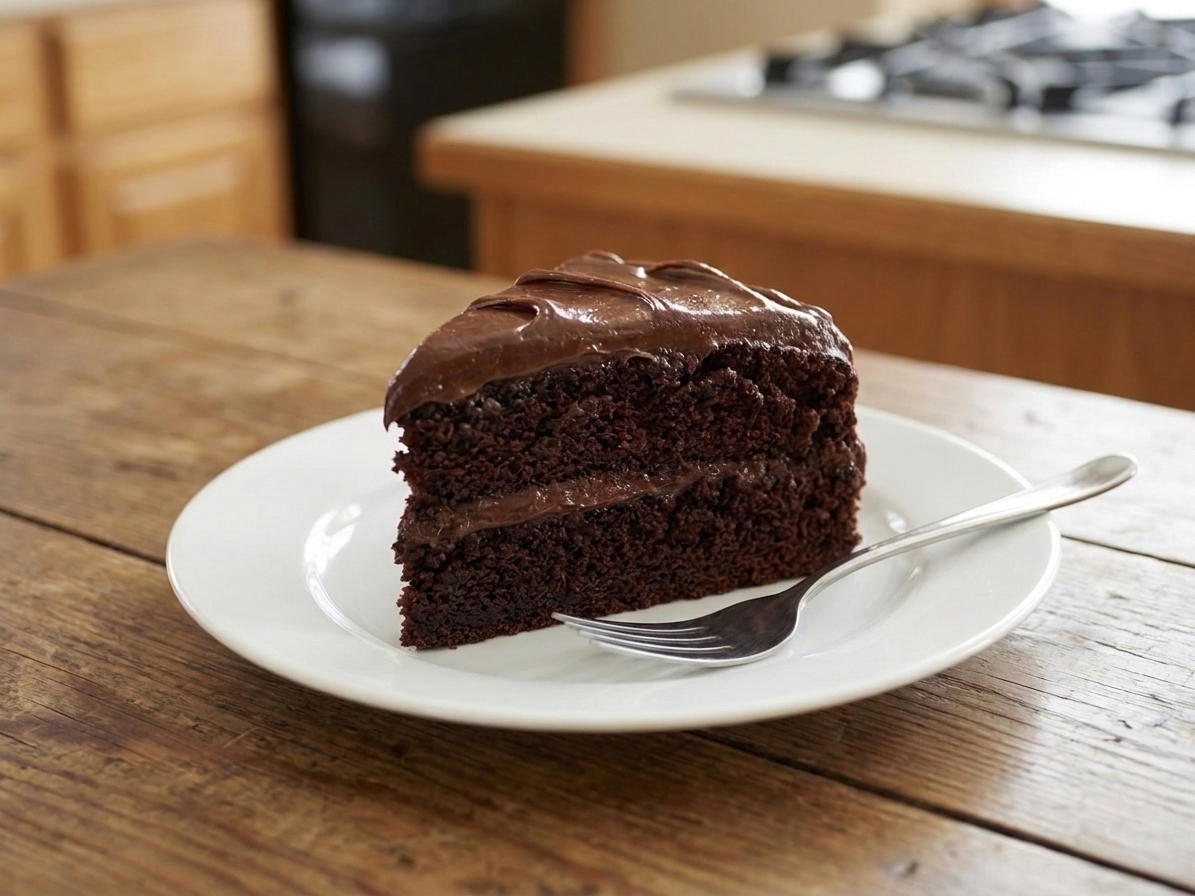
A single slice of moist sourdough chocolate cake with glossy chocolate frosting on a plate, set on a home kitchen countertop with a cake stand in the background, natural window light

If you have sourdough discard living rent-free in your fridge, this is the moment to turn it into something that tastes like you planned ahead. This sourdough chocolate cake is moist, rich, and deeply chocolatey, and it comes together in one bowl with ingredients you probably already have.

And yes, it works with discard or active starter. The starter is not here to make your cake taste like bread. It is here to bring a gentle tang and, more importantly, acidity that helps cocoa taste bolder and keeps the crumb tender. The end result is a chocolate cake that feels bakery-level but behaves like a weeknight recipe.

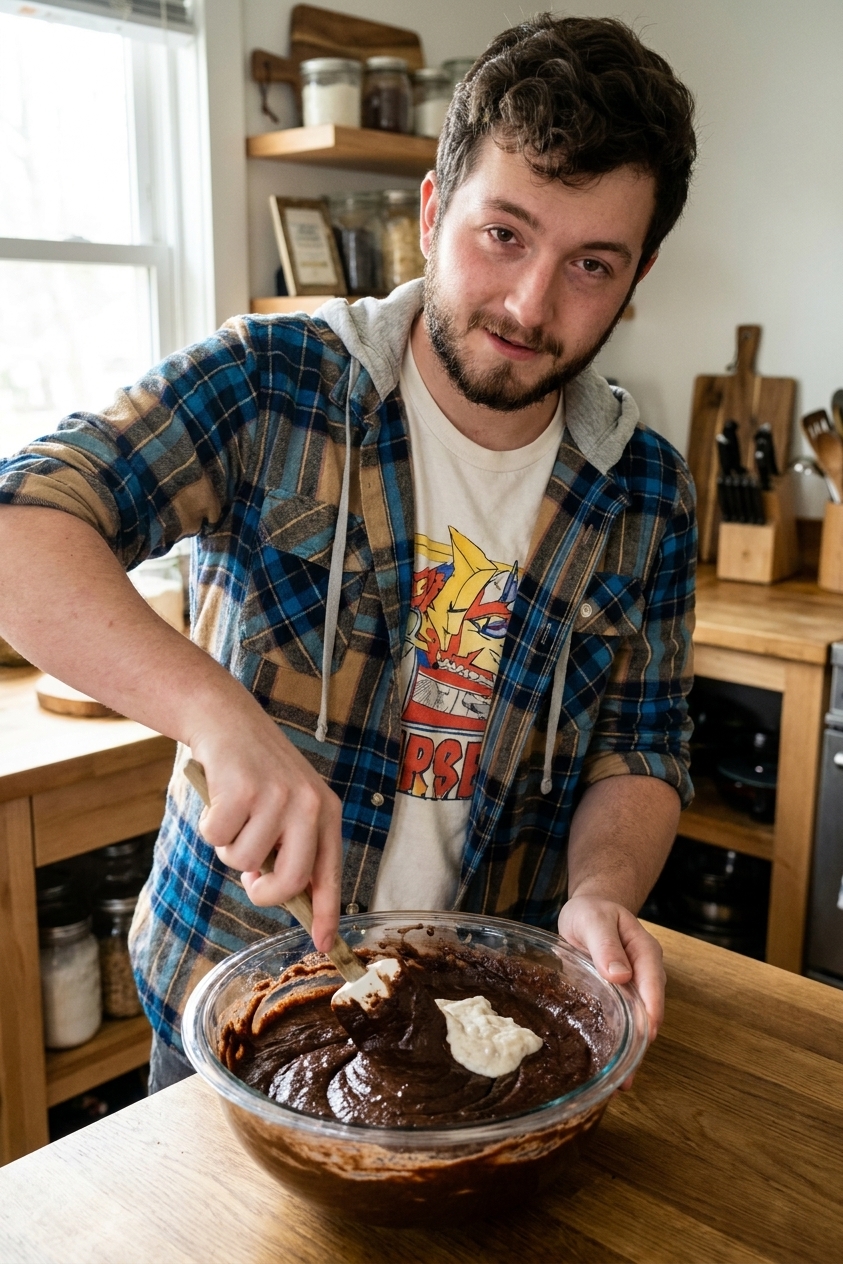
A glass mixing bowl filled with thick chocolate cake batter with sourdough discard being folded in using a spatula, photographed on a wooden table in natural light

Why It Works

What this cake does well

  • Moist for days: The oil, sugar, and overall batter hydration do the heavy lifting here. The starter helps, too, but it is part of a team effort.
  • Richer chocolate flavor: A little acidity (from starter and buttermilk, plus natural cocoa if you use it) helps chocolate taste deeper and smoother.
  • Reliable rise: We still use baking powder and baking soda, so you are not depending on starter activity for lift.
  • Beginner friendly: No special fermentation schedule required. Discard straight from the fridge is totally fine.

Acidity basics

Cocoa and chocolate love a slightly acidic environment. Your starter brings lactic and acetic acids, and buttermilk adds more. That acidity helps baking soda do its job, which supports a steady rise and a tender crumb.

One more detail that actually matters: natural cocoa is acidic, while Dutch-process cocoa is alkalized (less acidic). This recipe works with either because the starter and buttermilk bring enough acid to keep the baking soda active. If you are worried the cake will taste sour, do not be. The amount of starter is balanced on purpose. You will get complex chocolate, not “sourdough chocolate.”

Pairs Well With

Storage Tips

How to store it

  • Room temperature: Store covered for up to 3 days. A cake dome is great, but a covered pan works too.
  • Refrigerator: If frosted with a dairy-heavy frosting (like the sour cream one here), refrigerate up to 5 days. Let slices sit at room temp 20 to 30 minutes before eating for best texture.
  • Freezer: Wrap unfrosted layers tightly in plastic wrap, then foil. Freeze up to 2 months. Thaw wrapped at room temp so condensation stays on the wrap, not the cake.
  • Quick revive: A 10-second microwave warm-up makes leftovers taste freshly baked. Especially good if you serve with ice cream.

Serving guide

  • Two 8-inch or 9-inch layers: about 12 slices
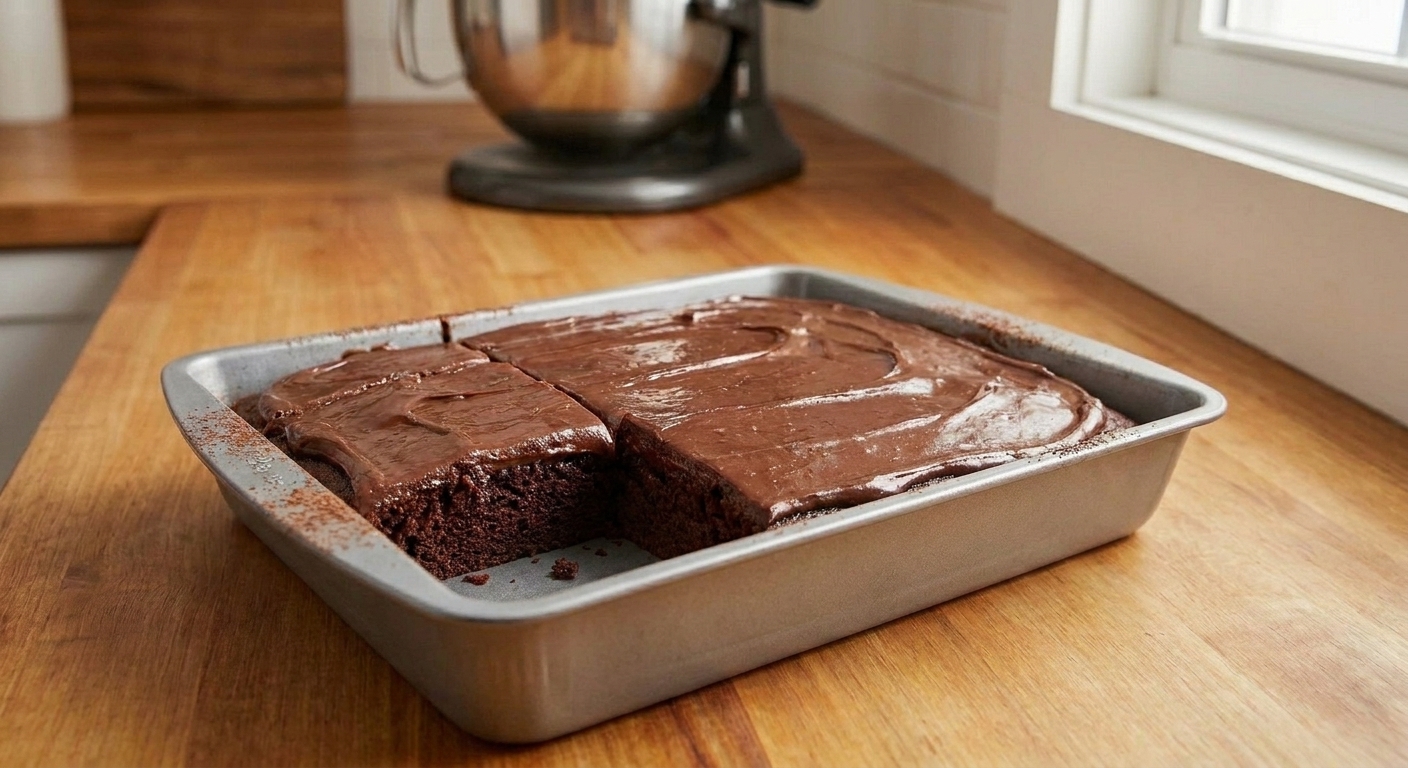
  • 9 x 13-inch sheet cake: about 12 to 16 pieces, depending on how generous you are feeling
  • 24 cupcakes: 24 servings

Common Questions

Can I use active starter instead of discard?

Yes. Use the same amount. Active starter can be a little airier, but the cake’s main lift comes from baking powder and baking soda, so the difference is small.

Does the starter need to be room temperature?

No. Cold discard is fine. It may take an extra minute of whisking to smooth out, but it bakes the same.

What starter hydration does this recipe assume?

This is written for a 100% hydration starter (equal weights flour and water), which is what most sourdough starters are. If yours is much thicker or thinner, the batter texture can change. Use the visual cue: after you whisk in the hot coffee, the batter should be thin and pourable.

Will this cake taste sour?

Not in a “sourdough loaf” way. You will notice a subtle tang that reads more like complexity, especially once you add frosting.

What cocoa powder should I use?

Natural unsweetened cocoa gives a classic, punchy chocolate cake flavor. Dutch-process cocoa makes it darker and smoother. This recipe works with either. If you use Dutch-process, keep the baking soda as written because the starter and buttermilk still bring the acid it needs.

Why does the recipe call for hot coffee?

Hot coffee blooms cocoa and makes the chocolate taste louder without making the cake taste like coffee. Hot water works too. Coffee is optional, but it is a very helpful shortcut for flavor.

My cake sank in the middle. What happened?

  • The oven door was opened early.
  • The cake was underbaked. Check with a toothpick and also gently press the center. It should spring back.
  • Too much liquid or starter. Weighing ingredients helps, especially flour and cocoa.

Can I make this into cupcakes?

Yes. Fill liners about 2/3 full and bake at 350°F for 16 to 20 minutes, until a toothpick comes out with a few moist crumbs.

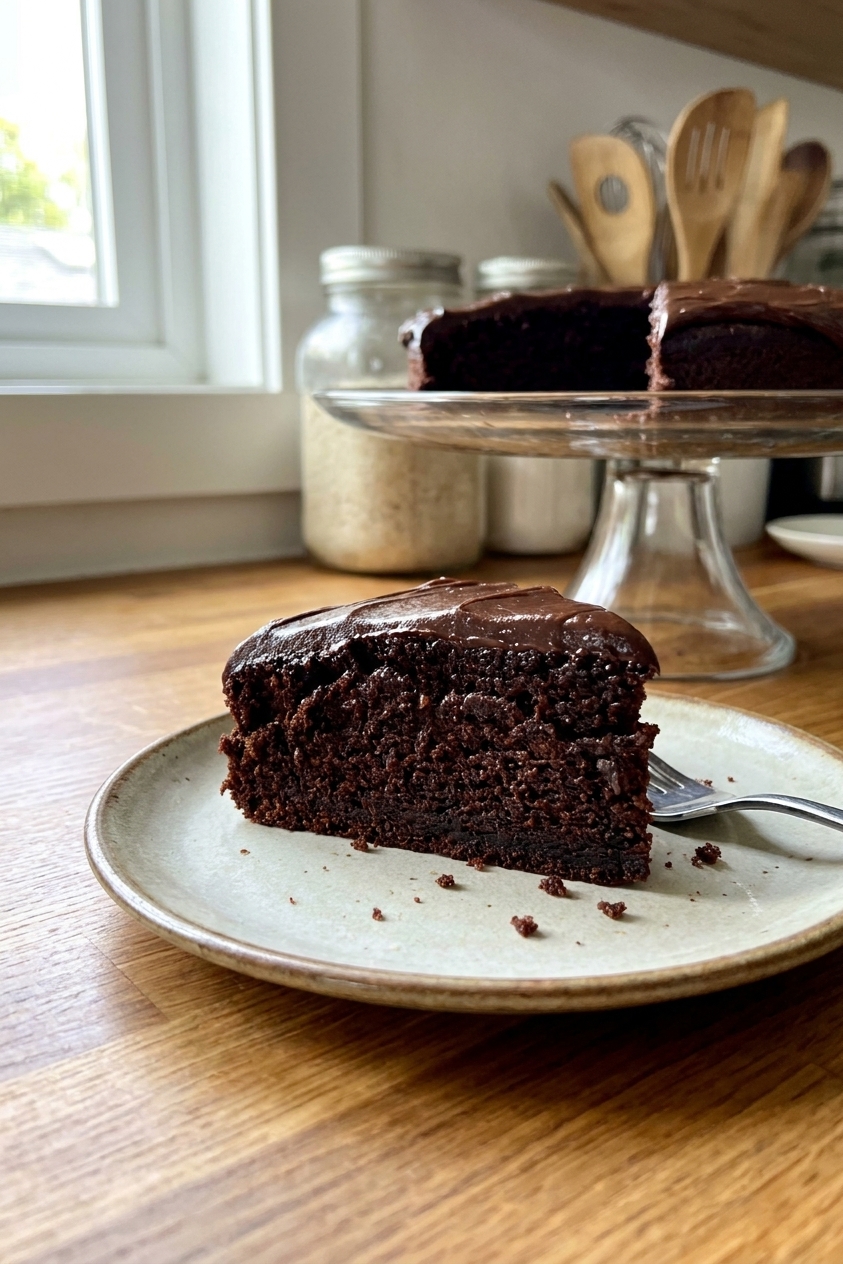
I started baking with sourdough discard because I hate wasting anything I have already fed and cared about. Pancakes were great, biscuits were better, but I wanted something that felt like a real win. This cake was it. The first time I made it, I expected “chocolate cake, plus starter.” What I got was a cake that stayed soft for days and tasted like the chocolate had a little more depth, like it had something to say.

Also, it is one bowl. Which means fewer dishes. Which means I am more likely to make it again. That is the kind of math I respect.