
Mom's Best Recipes
Recipe

Sourdough Cinnamon Rolls

Soft, pillowy cinnamon rolls with a subtle sourdough tang, a buttery brown sugar cinnamon swirl, and a thick cream cheese frosting. Overnight rise friendly and freezer ready.

Author By Matt Campbell
4.9
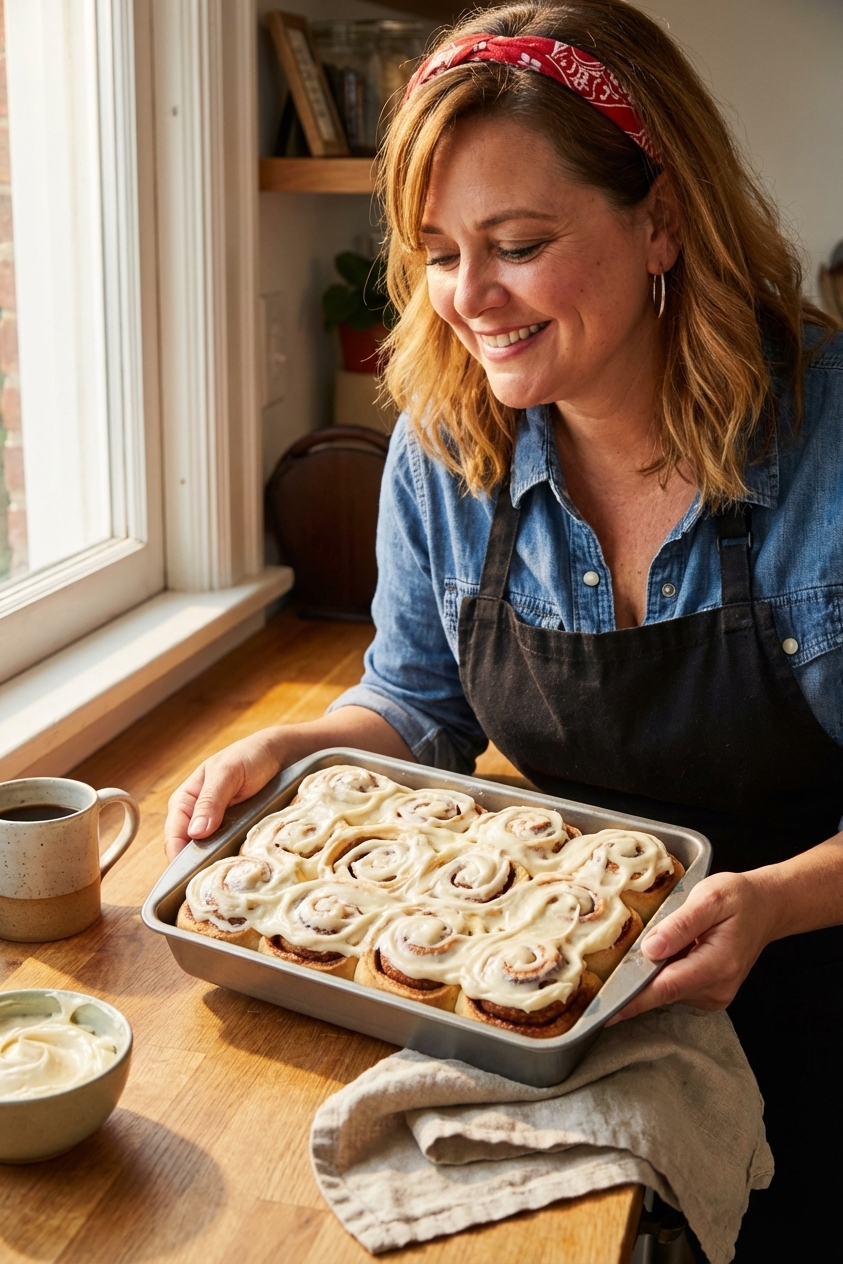
A pan of freshly baked sourdough cinnamon rolls with cream cheese frosting swirled on top, sitting on a wooden countertop in warm morning light

If regular cinnamon rolls are a hug, sourdough cinnamon rolls are a hug with better posture. You get that cozy, buttery cinnamon situation we all want, plus a gentle tang from the starter that keeps the sweetness in check and makes the whole thing taste just a little more grown up.

This recipe is built for real life. We do an overnight rise so your morning self does not have to start proofing dough at 6 a.m. The dough is soft and enriched, the filling goes heavy on brown sugar, and the frosting is thick enough to drag a spoon through. If you have sourdough discard, you can use it here too, with one small reality check: discard that is very old or not active can make enriched dough rise slowly (or not much at all). If you want the easiest, fluffiest outcome, use active starter, or peek at the FAQ for the yeast option.
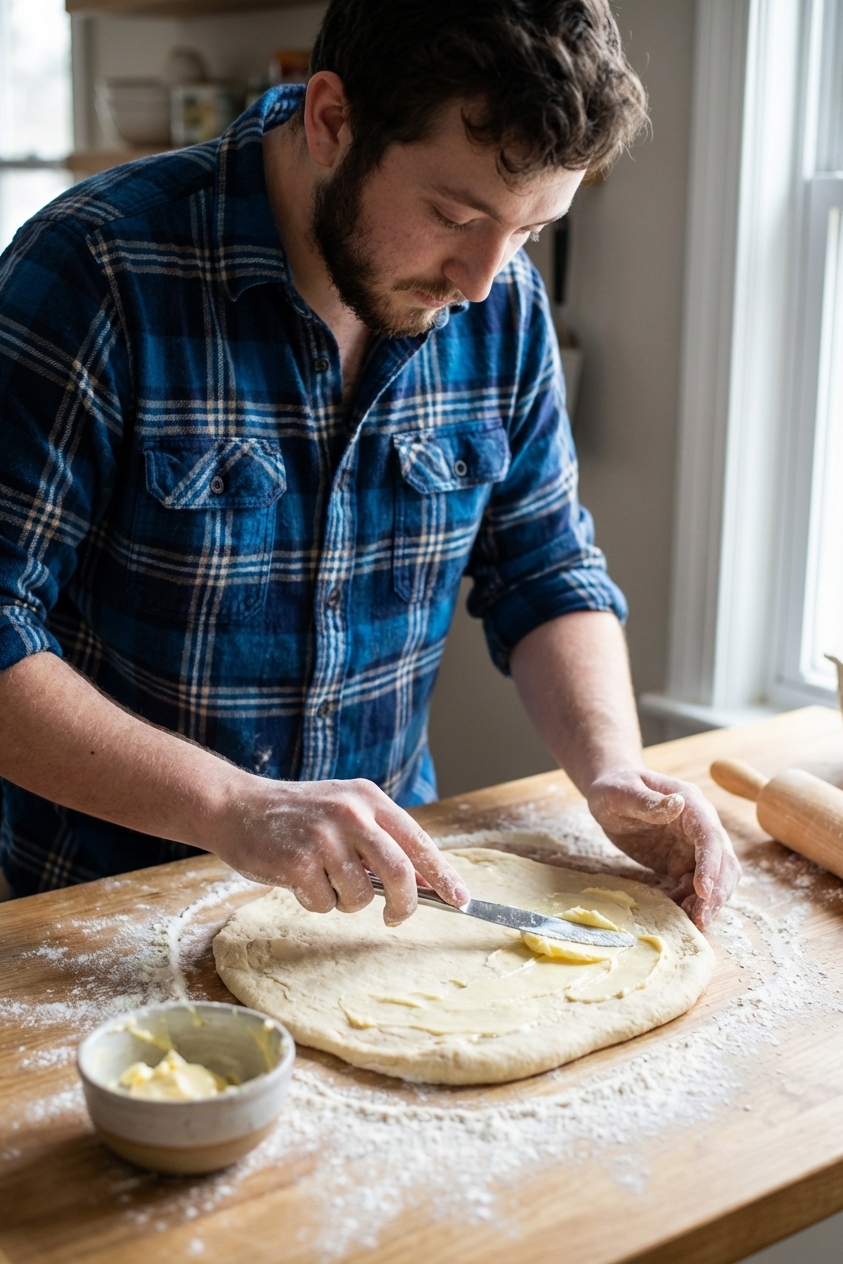
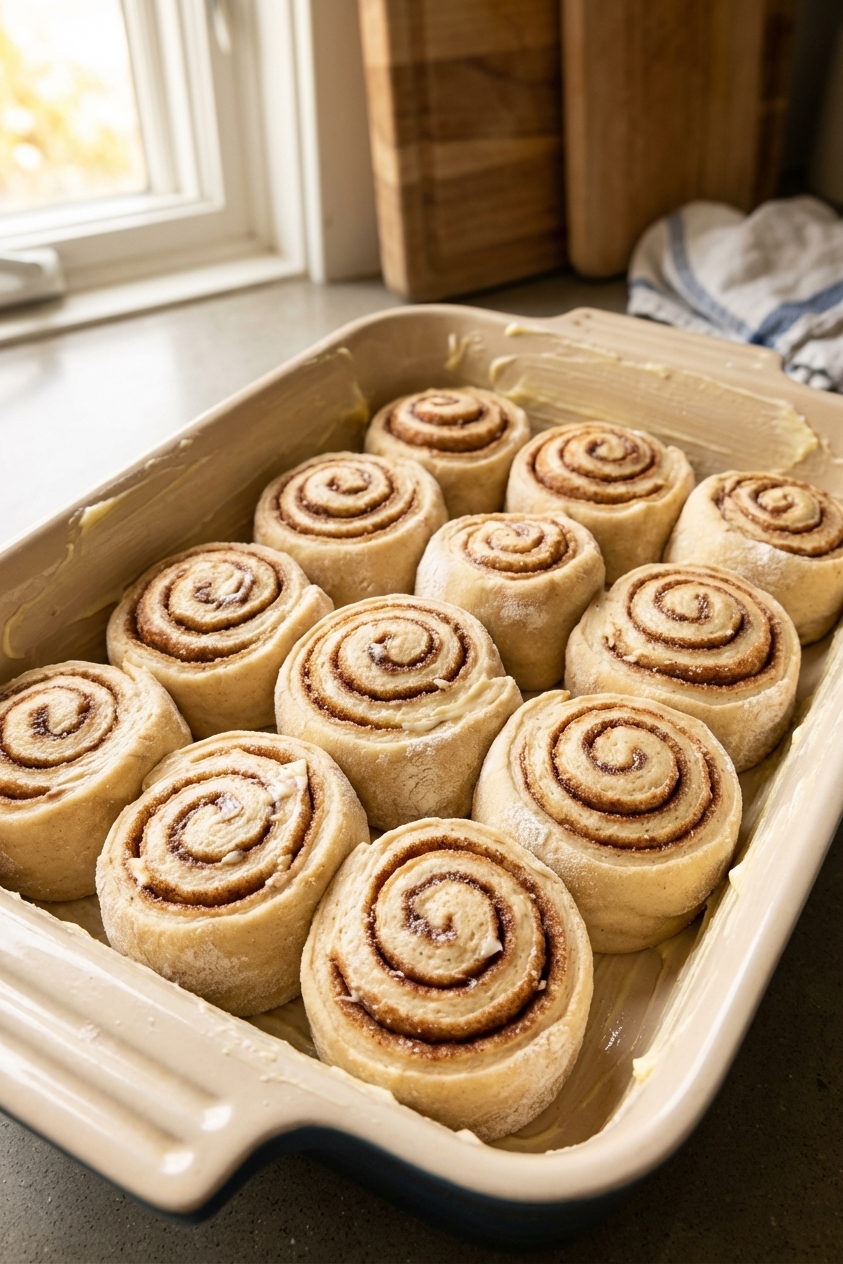
Hands spreading softened butter over rolled out enriched sourdough dough on a floured counter

Why It Works

  • Soft and fluffy texture: enriched dough with butter, milk, and egg bakes up pillowy, not bready.
  • Better flavor than standard rolls: sourdough adds a subtle tang and depth without making them taste sour.
  • Overnight method: long fermentation develops flavor and makes the schedule easy.
  • Filling that stays put: a butter-forward, brown sugar cinnamon mixture that melts into a sticky spiral.
  • Make-ahead and freezer friendly: prep the night before, freeze unbaked or baked, and rewarm like a hero.

Pairs Well With

  • Hot coffee or cold brew

  • Fresh fruit salad

  • Scrambled eggs with chives

  • Crispy bacon or breakfast sausage

Storage Tips

How to Store and Reheat

Room temperature

Store frosted rolls in an airtight container for up to 2 days at room temperature. If your kitchen is warm, I recommend refrigerating after day 1.

Refrigerator

Refrigerate up to 5 days. The frosting firms up in the fridge, which is not a problem, it is just a vibe shift.

Reheating (best texture)

  • Microwave: 15 to 25 seconds for one roll. Add 5 to 10 seconds if it is straight from the fridge.
  • Oven: cover with foil and warm at 300°F for 10 to 15 minutes.

Freezing (baked)

Freeze baked rolls (frosted or unfrosted) up to 2 months. Wrap each roll tightly, then place in a freezer bag. Thaw overnight in the fridge or at room temp, then warm gently. If freezing frosted rolls, the frosting may look slightly textured after thawing, but it still tastes great.

Freezing (unbaked, best make-ahead)

After shaping and slicing, place rolls in the pan, freeze until firm, then wrap well. Freeze up to 1 month for best rise. When ready to bake, thaw in the fridge overnight, then let rise at room temp until puffy before baking.

Common Questions

Common Questions

Can I use sourdough discard?

Yes. Use discard at 100% hydration (equal weights flour and water). Discard will give less lift than a very active starter, so the rise may take longer. If your discard is very old or very sleepy, the rolls can bake up dense and extra tangy. Watch the dough, not the clock, and see the intro and yeast note below if you want a little insurance.

Do I still need yeast?

This recipe uses only sourdough starter for leavening. If you need a faster, more predictable timeline (or you are working with discard that is not very active), you can add 1 to 2 teaspoons instant yeast to the dough. It will reduce fermentation flavor, but your rolls will still be excellent.

My dough feels sticky. Did I mess up?

No. Enriched sourdough dough is supposed to be soft. If it is unmanageably sticky, add flour 1 tablespoon at a time while kneading. Also, chilling the dough for 20 to 30 minutes makes rolling much easier.

How do I know the overnight rise is done?

The dough should look puffy and expanded, usually close to doubled. A gentle poke should leave an indentation that slowly fills back in.

Why did my filling leak out?

A little leakage is normal and delicious. To reduce it: do not overfill to the very edge, roll the log snug (not crushed), and use softened butter instead of melted butter in the filling.

Can I make these dairy-free?

You can, but the texture will change. Use plant milk and a good vegan butter in both dough and filling. For frosting, use vegan cream cheese and butter.

The first time I made sourdough cinnamon rolls, I was convinced it was going to be one of those projects that looks cute online and then quietly ruins your Saturday. But the overnight rise turned it into the opposite. Mix at night, roll when you are half awake, bake, and suddenly your kitchen smells like a bakery that also gives good advice. The sourdough tang is the part that gets me every time. It is like the rolls have a little personality, not just sugar doing karaoke over butter.