
Mom's Best Recipes
Recipe

Sourdough Discard Biscuits

Tender, flaky biscuits with crisp edges and a subtle sourdough tang. A smart way to use discard, with simple lamination tips for real layers and easy hydration tweaks based on how thick your starter is.

Author By Matt Campbell
4.8
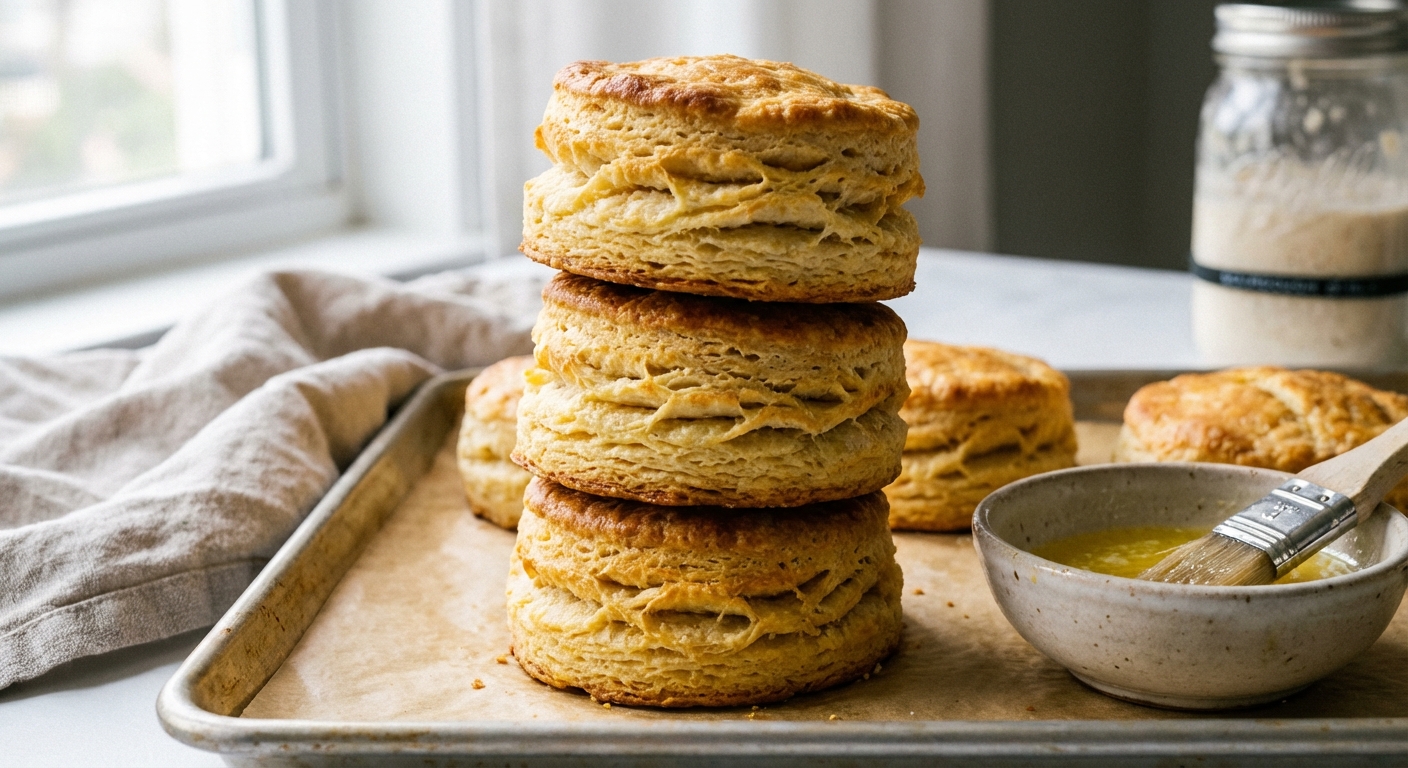
A close-up, photorealistic kitchen photograph of a stack of golden, flaky sourdough discard biscuits on a parchment-lined sheet pan, with visible buttery layers and a small bowl of melted butter nearby, soft morning window light

If your sourdough discard container is giving "please do something with me" energy, these biscuits are the answer. They bake up tall, fluffy, and lightly tangy, with those buttery layers that pull apart like pages in a good book. No weird ingredients, no complicated schedule, and you do not even need an active, bubbly starter. Discard is the whole point.

My favorite part is that sourdough discard brings flavor and tenderness without turning this into a science fair. We keep it approachable, but we still use one pro move that pays off big: laminating cold butter. It is the shortcut to flaky layers without fussing with a food processor.
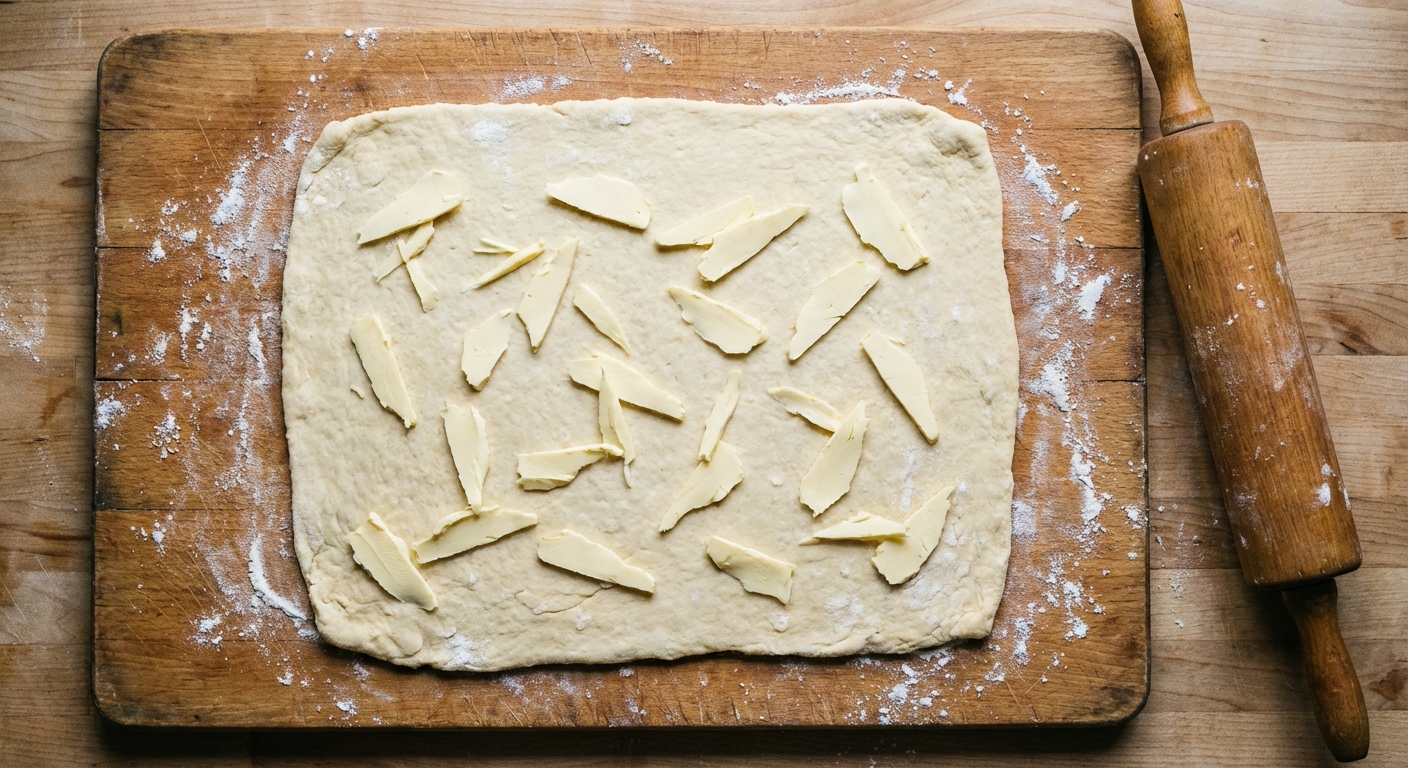
A photorealistic overhead photograph of biscuit dough rolled into a rectangle on a lightly floured wooden board, with thin shards of cold butter scattered across the surface before folding, a rolling pin resting nearby

Why It Works

  • Fluffy centers, crisp edges: High heat plus cold butter creates steam, which lifts the biscuits while the outside browns.
  • That subtle tang: Discard adds gentle acidity and complexity, kind of like buttermilk with more personality.
  • Real layers without drama: A quick fold or two builds flaky strata, no advanced pastry skills required.
  • Flexible hydration: Starters vary wildly. This recipe shows you exactly how to adjust so the dough feels right every time.

Pairs Well With

  • Scrambled eggs or a simple omelet
  • Sausage gravy or mushroom gravy
  • Honey butter, jam, or apple butter
  • Chili or chicken soup for dunking

Storage Tips

Storing

  • Room temp: Keep biscuits in an airtight container up to 2 days. In hot or humid weather, they can stale or mold faster, so refrigerate after day 1.
  • Fridge: Store up to 5 days. Reheat to bring back the crisp edges.
  • Freezer: Freeze baked biscuits in a zip-top bag up to 2 months.

Reheating (best texture)

  • Oven or toaster oven: 350°F for 8 to 12 minutes (from fridge) or 12 to 15 minutes (from frozen). Split them first for faster heating and more crisp surface area.
  • Microwave: Works in a pinch, but you will lose the crisp. Try 15 to 25 seconds, then finish in a hot pan for 1 minute if you want edges again.

Make-ahead option

Shape and cut the biscuits, freeze them on a sheet pan until solid, then bag. Bake from frozen, adding 3 to 5 minutes to the bake time.

Common Questions

Do I need active sourdough starter?

Nope. This is built for discard. Active starter works too, but it usually will not change the rise much because the main lift here is baking powder and the steam from cold butter. You may notice a slightly different flavor depending on how mature your starter is.

My discard is very runny. What should I change?

Runny discard contributes more moisture to the dough. Start by holding back 2 to 4 tablespoons of buttermilk and add only if the dough looks dry. You can also add 1 to 2 tablespoons extra flour during mixing if the dough feels loose and sticky.

My discard is super thick, like paste. What should I change?

Thick discard still contains water, but it tends to contribute less free moisture than a runny starter. You will likely need an extra 2 to 4 tablespoons buttermilk to get a soft, shaggy dough that just holds together.

Can I use milk instead of buttermilk?

Yes. For a quick swap, mix 1 tablespoon lemon juice or white vinegar with 1 cup milk and let it sit 5 minutes. It mimics the acidity, but it will be a bit thinner and less rich than real buttermilk.

Why did my biscuits spread instead of rising?

  • Butter got warm. Chill the dough 10 minutes before baking.
  • Dough was overmixed. Stop once it looks shaggy, then fold gently.
  • Cutter was twisted. Press straight down so edges can climb.

Can I make these without a biscuit cutter?

Absolutely. Pat the dough into a square and cut into squares with a knife or bench scraper. Less waste, more biscuits, everybody wins.

How do I know they are done?

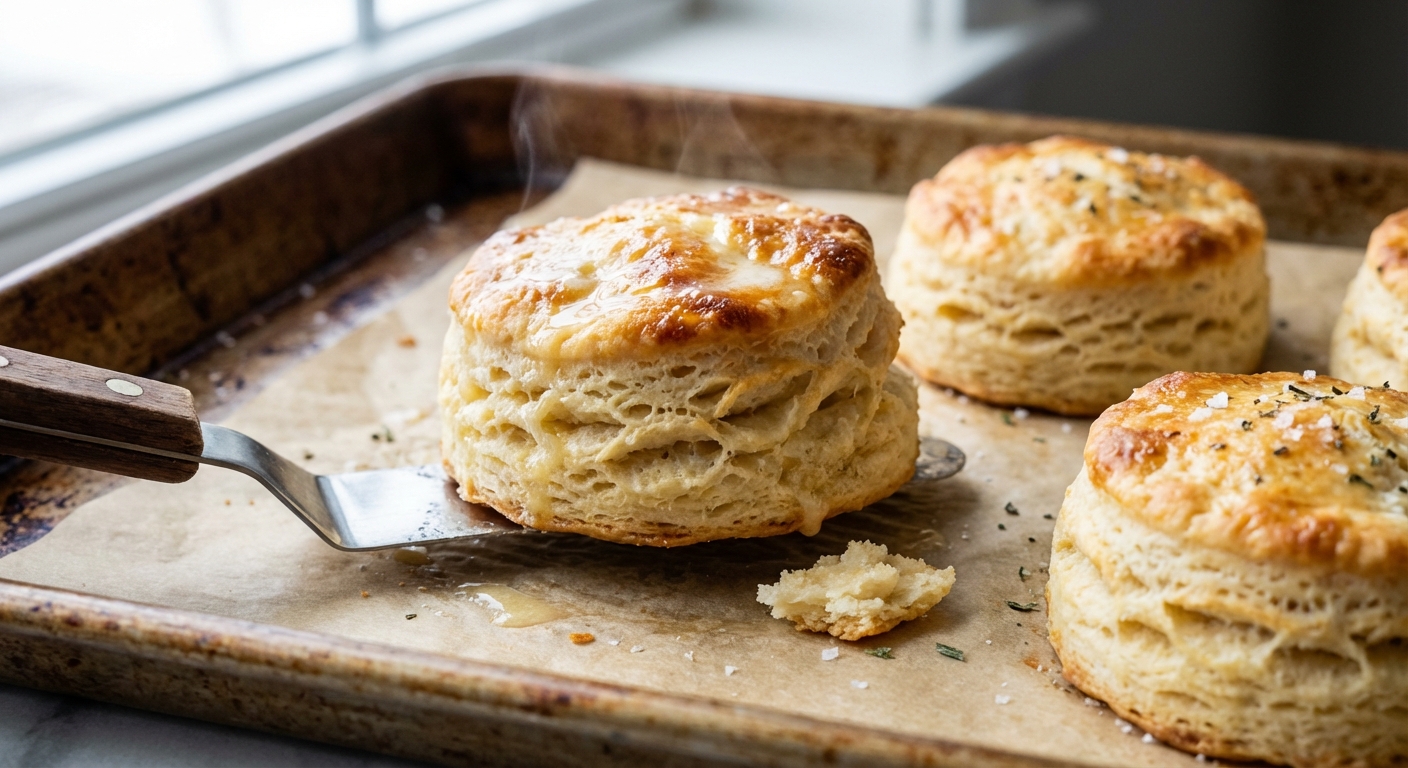
Look for deeply golden tops with set sides. If you like a number, the centers are usually around 200°F when baked through.

I used to treat sourdough discard like that "mystery container" in the fridge that I would deal with later. Then later turned into never, and suddenly I had a jar full of guilt. Biscuits fixed that fast. They are forgiving, they love a little acidity, and they bake up like you actually planned breakfast.

Now, whenever my discard piles up, I do the same thing: grab cold butter, crank the oven, and make a batch. The dough is a little messy, the counter gets floury, and the first biscuit is always eaten standing at the stove. That is just good kitchen policy.