
Mom's Best Recipes
Recipe

Sourdough Discard Flatbread

Quick, tangy flatbreads made with unfed starter, cooked bubbly on the stovetop. Includes garlic butter and herby variations.

Author By Matt Campbell
4.8
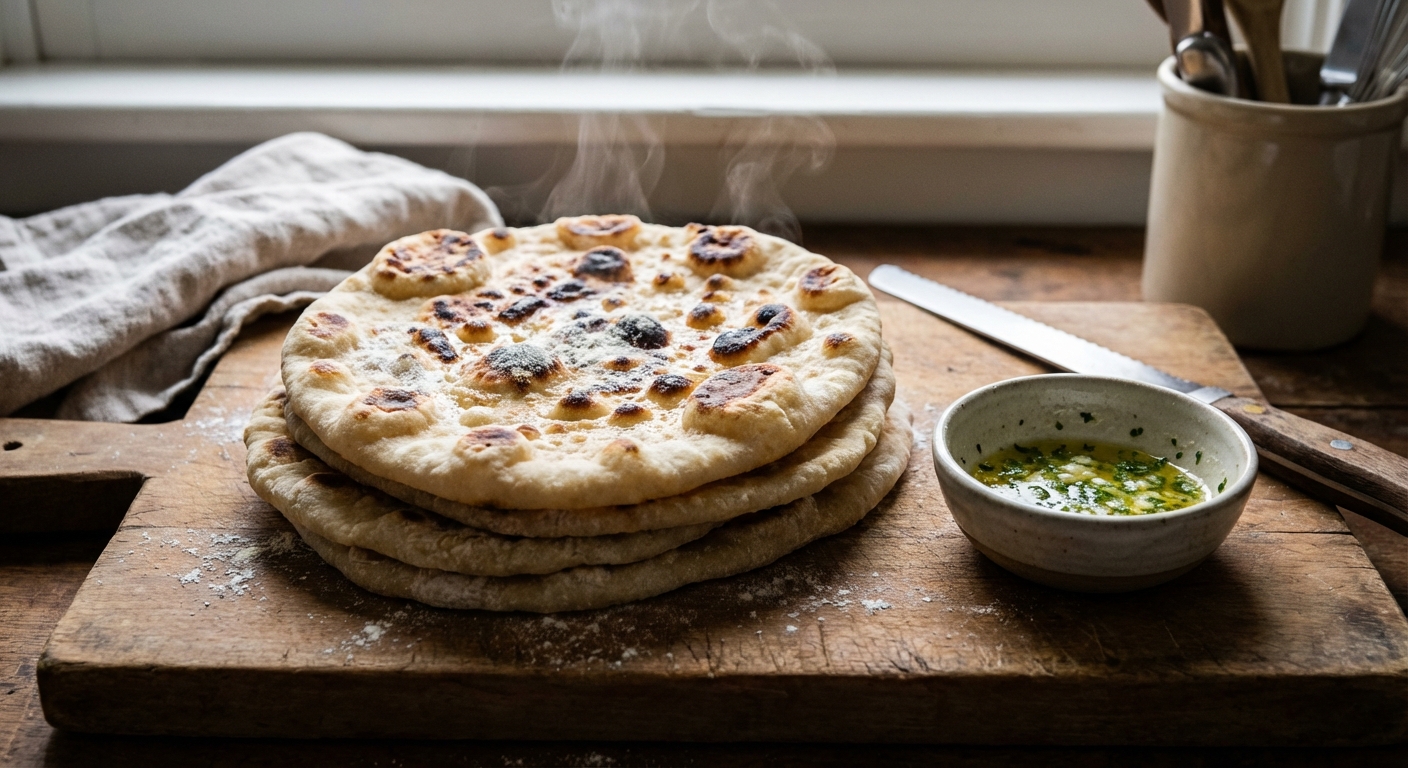
A stack of warm sourdough discard flatbreads with blistered bubbles and browned spots on a wooden cutting board, a small bowl of melted garlic butter beside them, natural window light, photorealistic food photography

If you keep a sourdough starter, you already know the struggle: discard builds up fast, and it feels criminal to toss something that smells this good. This is my favorite way to turn that unfed starter into dinner, fast.

These sourdough discard flatbreads are tangy, soft in the middle, and full of those little browned bubbles that make you keep tearing off “just one more piece.” No rise time, no mixer, no oven. Just a bowl, a hot skillet, and about 20 to 30 minutes between you and a warm stack of flatbread that can do everything: dip, wrap, pizza base, or sidekick to soup.

Make the base recipe as-is, then choose your own chaos: brush with garlic butter, shower with herbs, or keep them plain and let whatever you are serving do the talking.
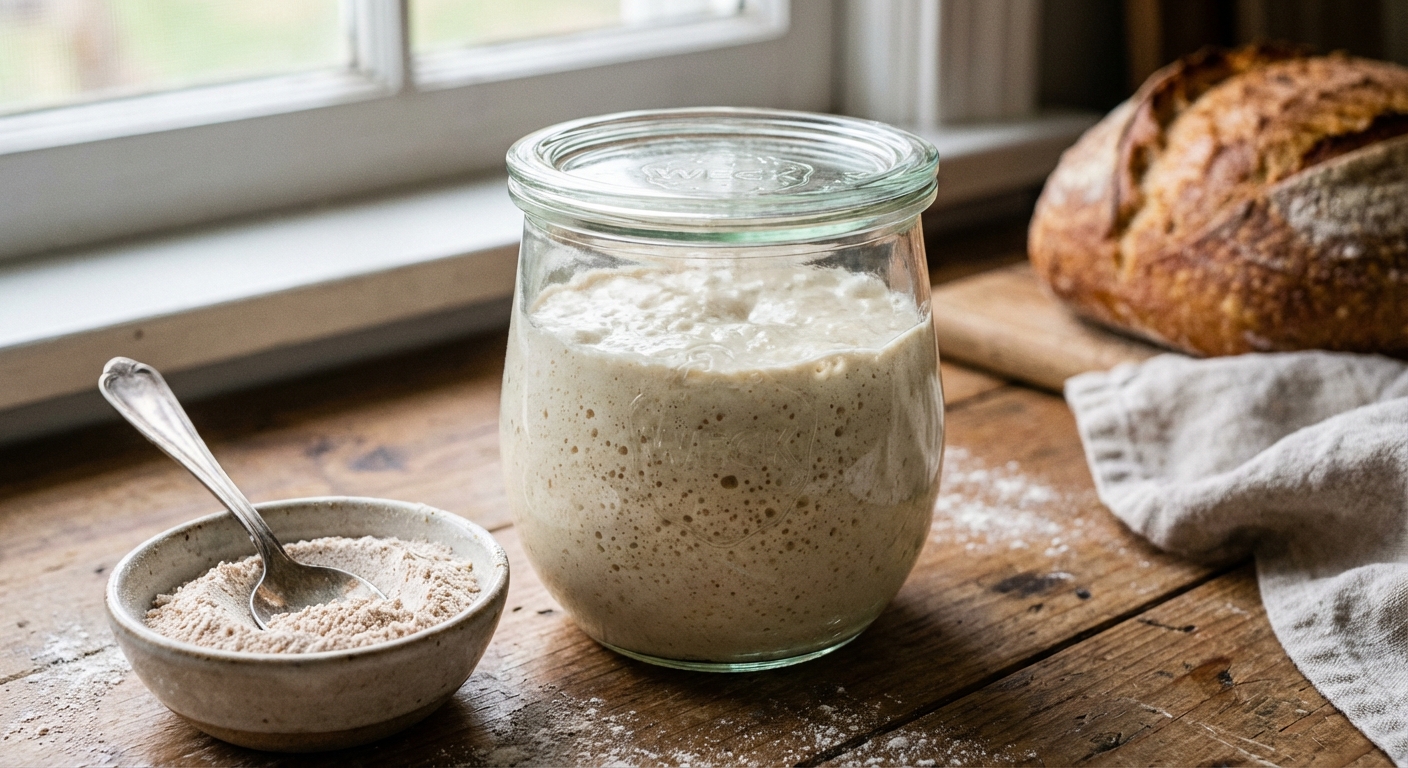
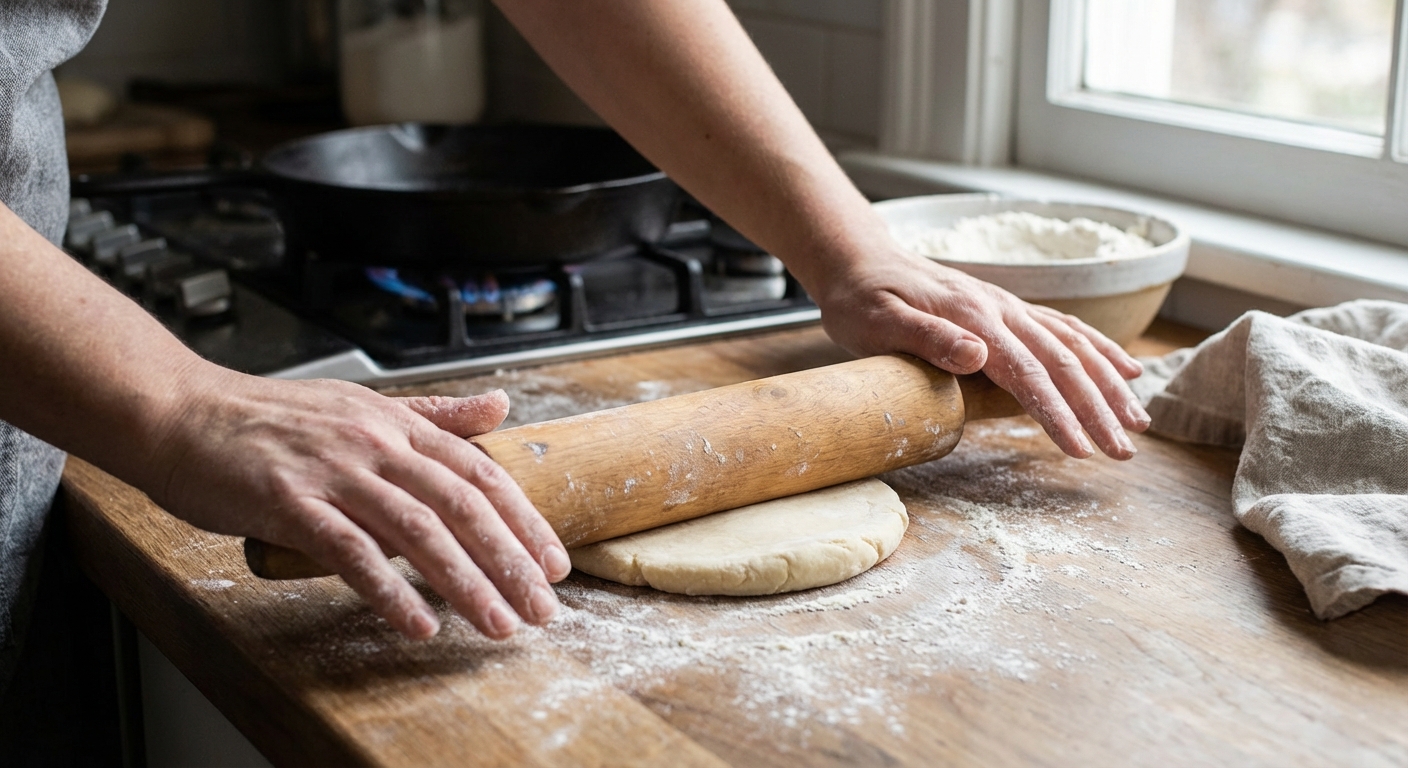
A glass jar of sourdough starter discard with bubbles on the surface sitting on a kitchen counter next to a spoon and a small bowl of flour, soft natural light, photorealistic food photography

Why It Works

  • No rise needed: unfed starter still brings flavor and tenderness, and baking powder gives quick lift.
  • Stovetop blistering: a hot pan creates crisp edges and golden spots without turning the whole thing into a cracker.
  • Flexible dough: the hydration of starter varies, so this recipe is written with a small “adjust as you go” window so it works in real kitchens.
  • Big flavor fast: the tang of discard plus a quick garlic butter finish tastes like you planned ahead.

Pairs Well With

  • Saucy tomato soup
  • Chicken shawarma bowls
  • Hummus and crunchy veggies
  • Quick garlic herb yogurt dip

Storage Tips

Room temperature: Let flatbreads cool completely, then store in a zip-top bag or airtight container for up to 2 days. Slip a paper towel in the container if your kitchen runs humid.

Refrigerator: Store up to 5 days. Reheat in a dry skillet over medium heat for 30 to 60 seconds per side, or microwave 10 to 15 seconds, then finish in the skillet for better edges.

Freezer: Freeze up to 2 months with parchment between each flatbread. Reheat straight from frozen in a covered skillet over medium-low until warm, then uncover to re-crisp the spots.

Best revive move: If they feel a little stiff the next day, brush lightly with water, then warm in a covered skillet. Steam softens, then the uncovered finish brings back the toastiness.

Common Questions

Can I use straight-from-the-fridge discard?

Yes. Cold discard works great. Expect the dough to feel a little stiffer, and plan on adding 15 to 45 seconds per side as needed (usually just on the first side). If the dough fights you while rolling, let it rest 5 minutes at room temp first.

My starter is very runny or very thick. What should I do?

Totally normal. Starter hydration varies a lot. Start with the listed flour amount, then adjust the dough to feel soft and slightly tacky, like a relaxed pizza dough. If it is sticking to your hands hard, add flour 1 tablespoon at a time. If it feels dry and cracks when you press it, add water 1 teaspoon at a time.

Do I need baking powder?

For a true no-wait flatbread, yes. Baking powder gives quick bubbles and keeps the interior tender. Without it, the flatbreads still cook, but they tend to be denser unless your discard is especially active.

Why are my flatbreads not getting bubbles?

Your pan likely is not hot enough. Preheat for a full 3 to 5 minutes. A tiny flick of water should sizzle and evaporate quickly. Cook the first side until you see bubbles and browned spots before flipping. Also avoid pressing down too hard, since that can squash the steam pockets.

Can I make these dairy-free?

Yes. Use olive oil instead of butter for brushing, or make a quick garlic oil with minced garlic warmed gently in olive oil.

Can I double the recipe?

Absolutely. If your skillet is small, keep cooked flatbreads warm under a clean towel or in a low oven (around 200°F) while you finish the batch.

I almost never have the patience to “discard responsibly” in a Pinterest-perfect way. I am more of a “what can I feed myself in 20 minutes without dirtying half the kitchen” kind of cook. This flatbread is my favorite discard rescue because it is low-drama and high-reward. The first time I made it, I brushed on garlic butter and ate one standing at the stove like a little kitchen goblin, because waiting for dinner to be plated felt unnecessary. That is still, honestly, the correct way to test a batch.