Mom's Best Recipes
Recipe

Sourdough English Muffins

Chewy, tangy sourdough English muffins with crisp edges and soft centers, cooked on a griddle for those butter-catching nooks and crannies.

Author By Matt Campbell
4.8
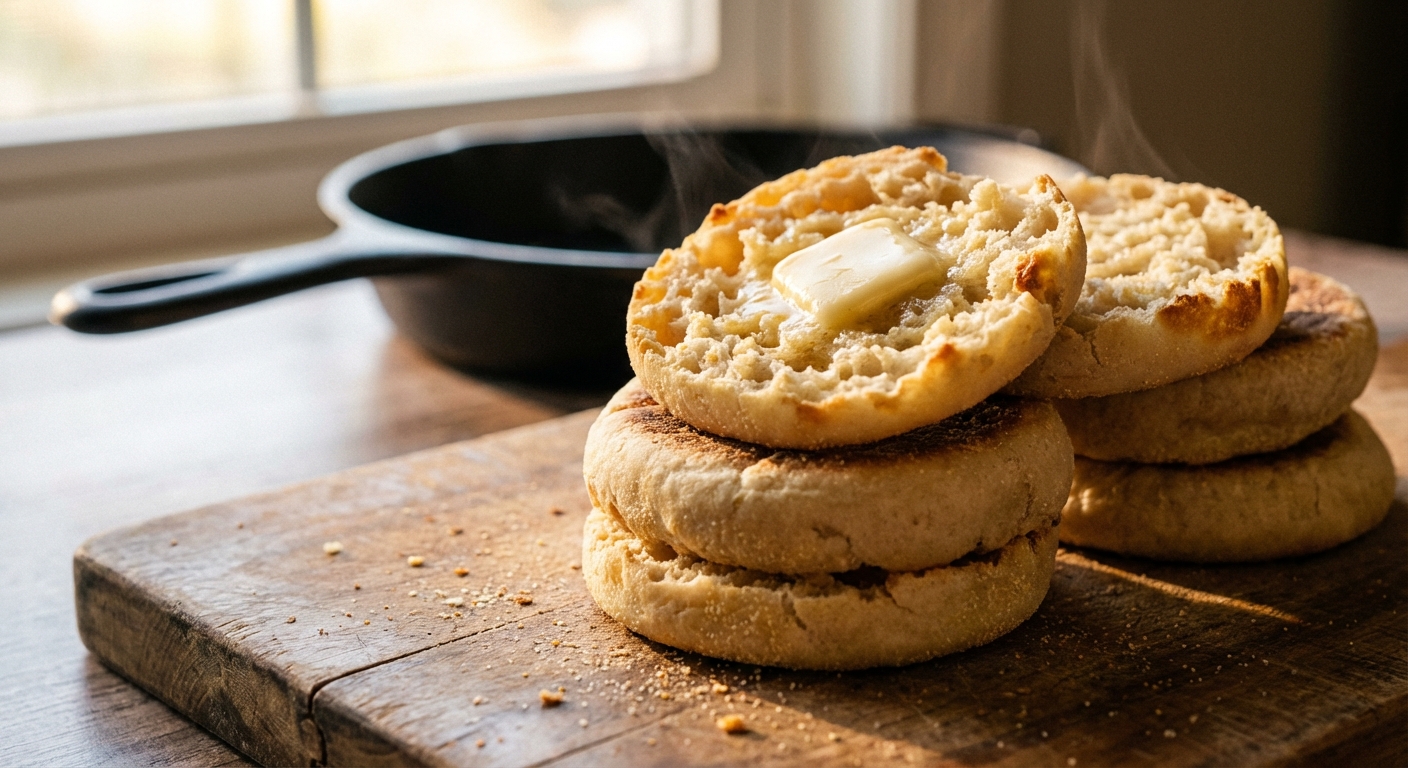
A stack of homemade sourdough English muffins on a wooden cutting board, one muffin split open to show deep nooks and crannies, with a pat of melting butter and a cast iron skillet softly blurred in the background, warm natural morning light, photorealistic food photography

If you have ever split an English muffin and felt personally betrayed by a tight, bready interior, welcome. We are here for nooks and crannies, the kind that grab melted butter like it owes them money.

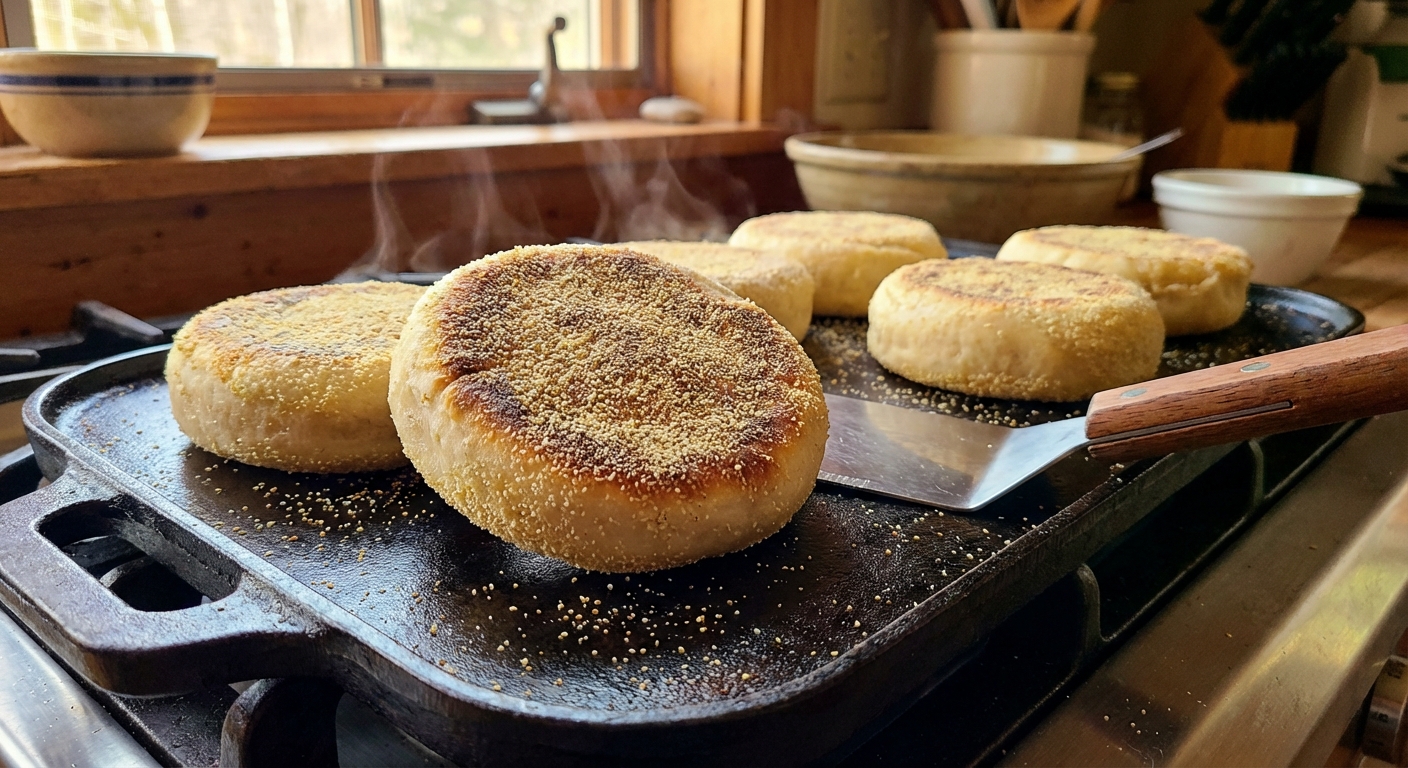
These sourdough English muffins are chewy and lightly tangy, with crisp, golden edges from the griddle and a soft center that tears into pockets instead of slicing into neat little bread slices. The secret is not fancy ingredients. It is a wet, shaggy dough, a patient ferment, and a gentle shaping method that keeps air where it belongs.

Bonus: this recipe plays nicely with either an active starter or sourdough discard, as long as you give it enough time to rise.

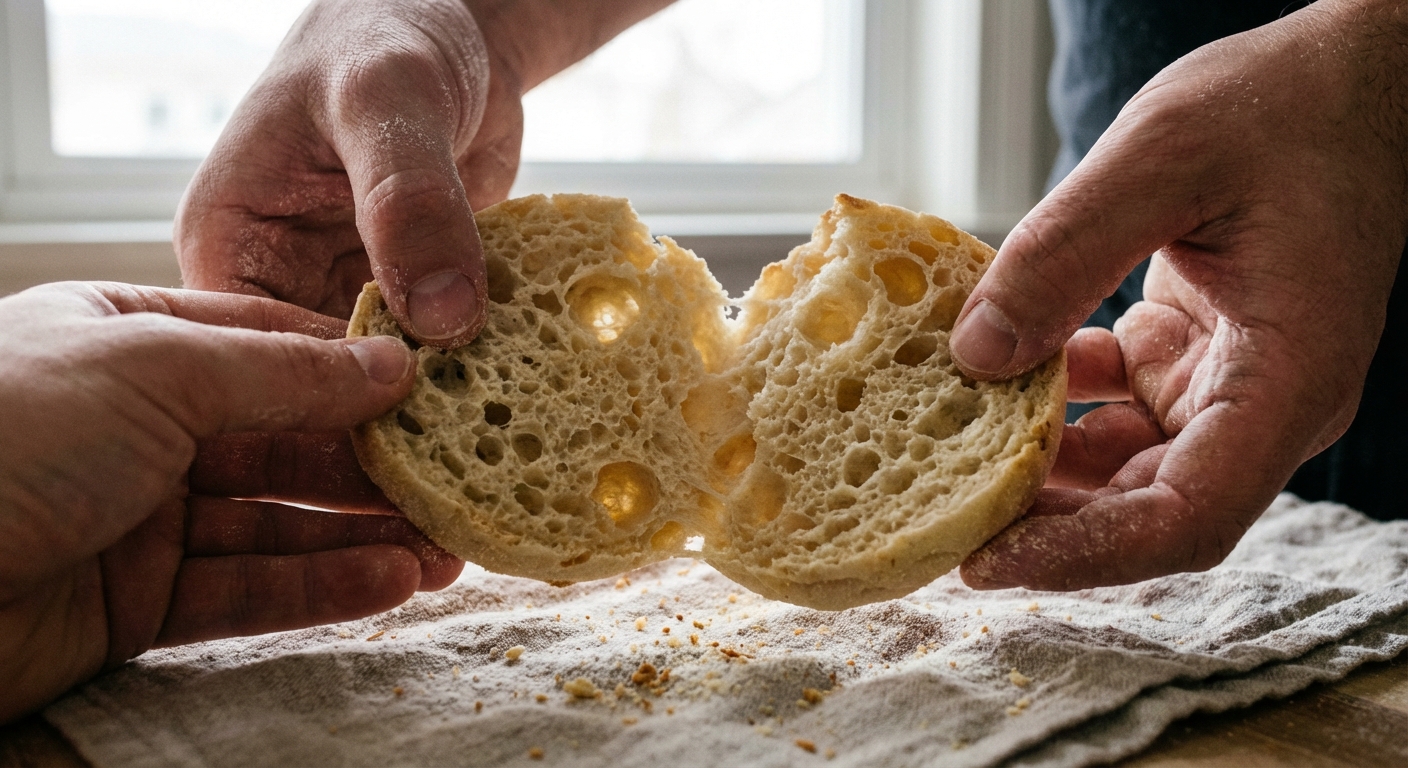
A close-up of a sourdough English muffin being pulled apart by hands, showing an airy honeycomb interior with distinct nooks and crannies, crumbs on a linen towel, bright kitchen window light, photorealistic food photography

Why It Works

  • High-hydration dough: A slightly sticky dough helps create an irregular open crumb, which becomes those signature pockets once you fork-split.
  • Long fermentation: Sourdough time builds flavor and strengthens the dough so it can hold bubbles instead of collapsing.
  • Minimal handling: We gently shape to keep air in the dough. Overworking pushes out the very holes we want.
  • Low and steady griddle heat: Cooking around 325°F to 350°F lets the muffins bake through without scorching, so the inside sets with tenderness.
  • Fork-splitting, not slicing: A knife cuts straight through pockets. A fork pries them open and preserves the craggy interior.

Pairs Well With

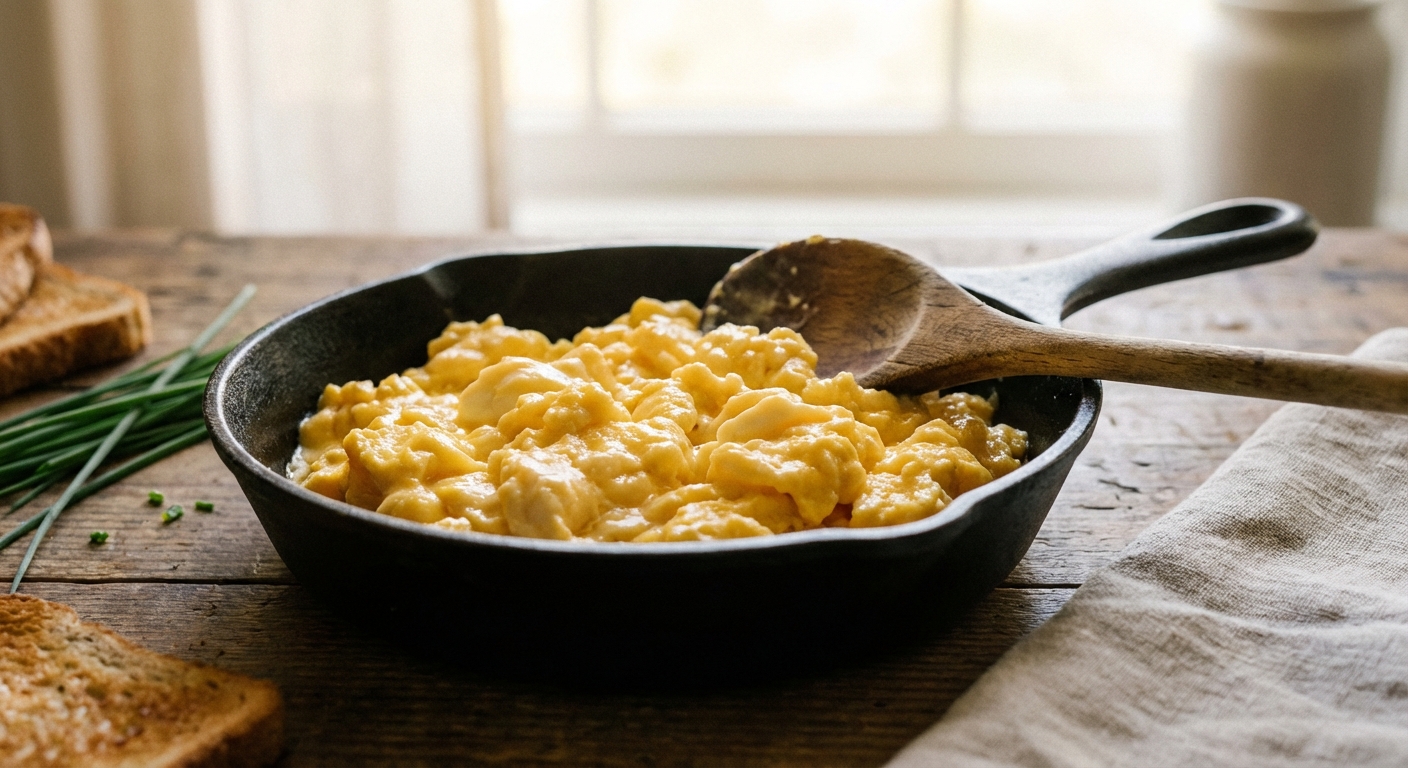
  • Fluffy scrambled eggs in a small skillet with a wooden spoon resting on the edge, soft morning light, photorealistic food photography

    Soft Scrambled Eggs

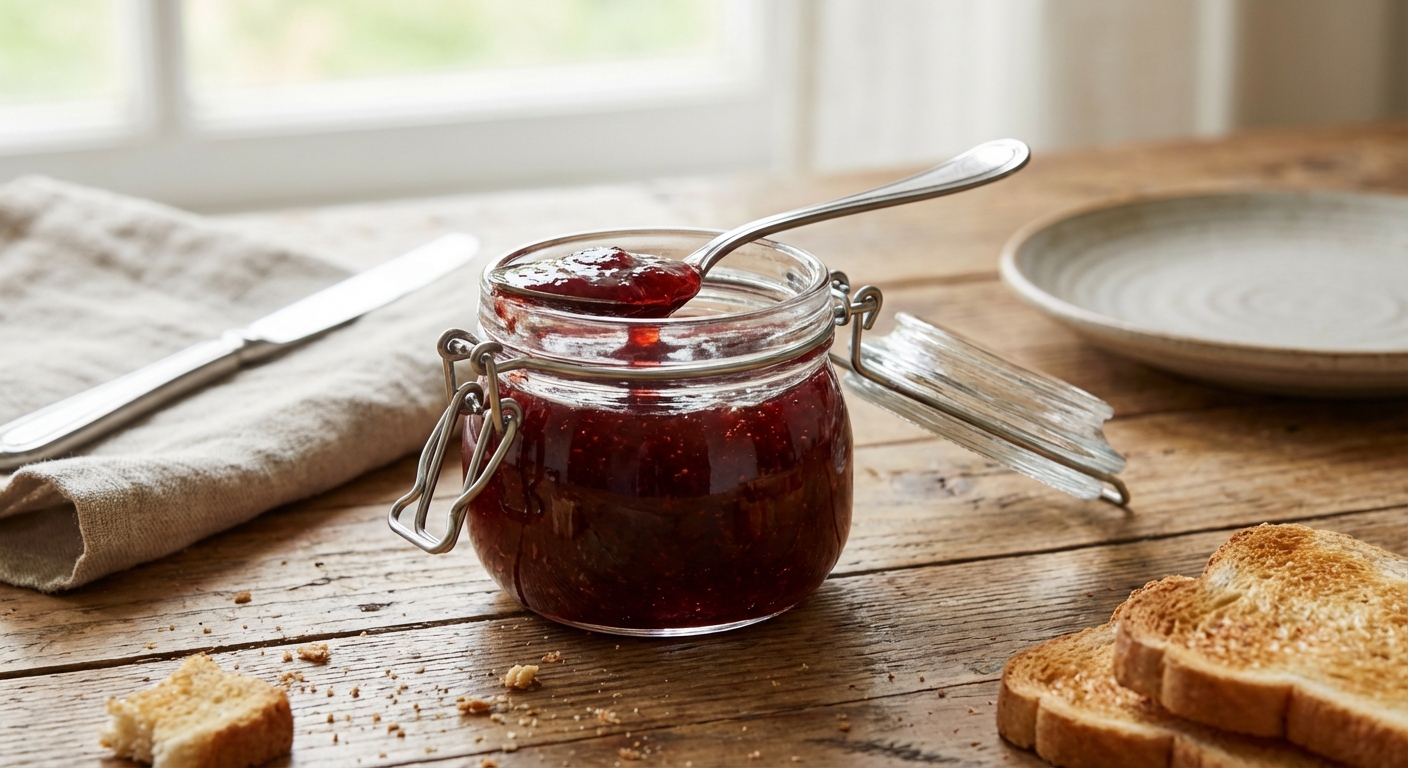
  • A small glass jar of strawberry jam with a spoon dipped in, jam glistening, on a breakfast table with toast crumbs, photorealistic food photography

    Quick Strawberry Chia Jam

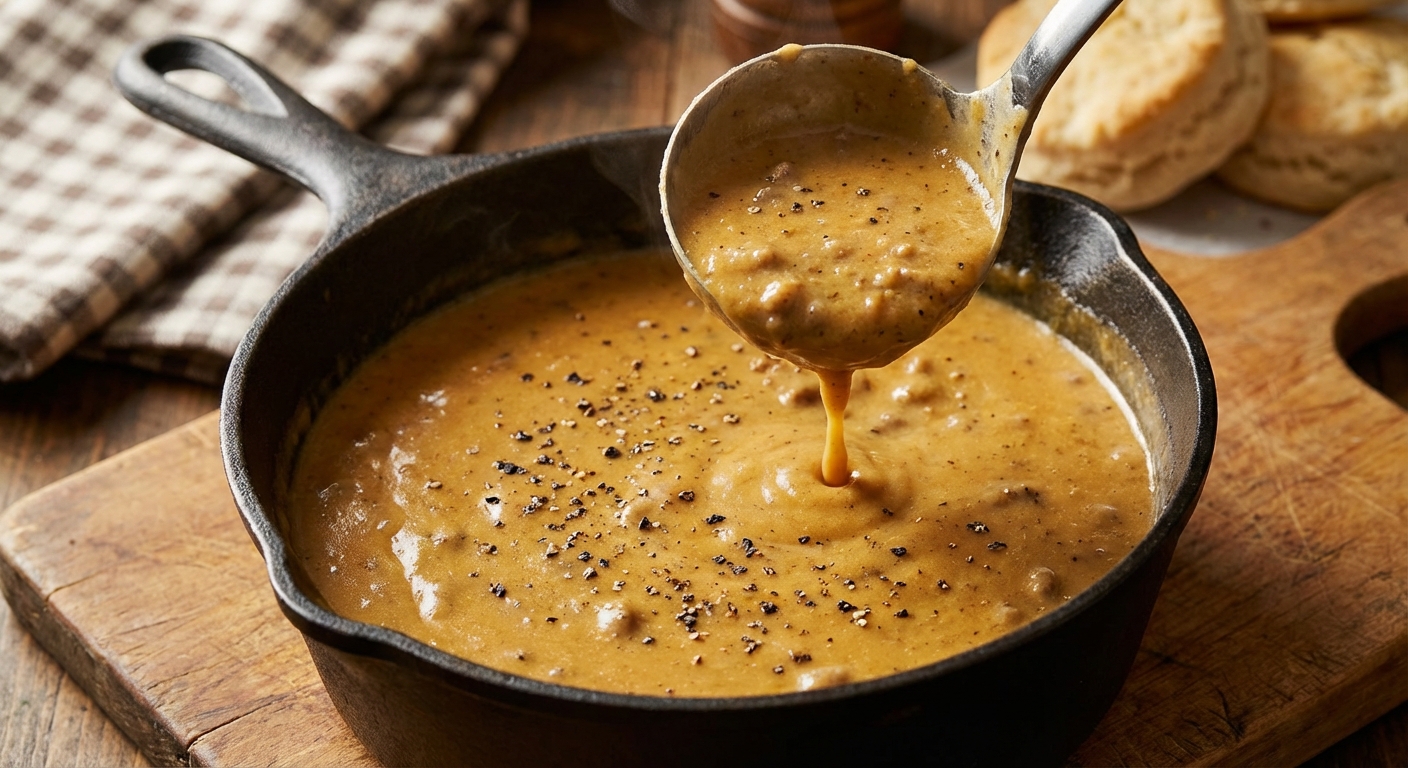
  • Creamy sausage gravy in a saucepan with black pepper visible, ladle lifting gravy, warm kitchen lighting, photorealistic food photography

    Easy Sausage Gravy

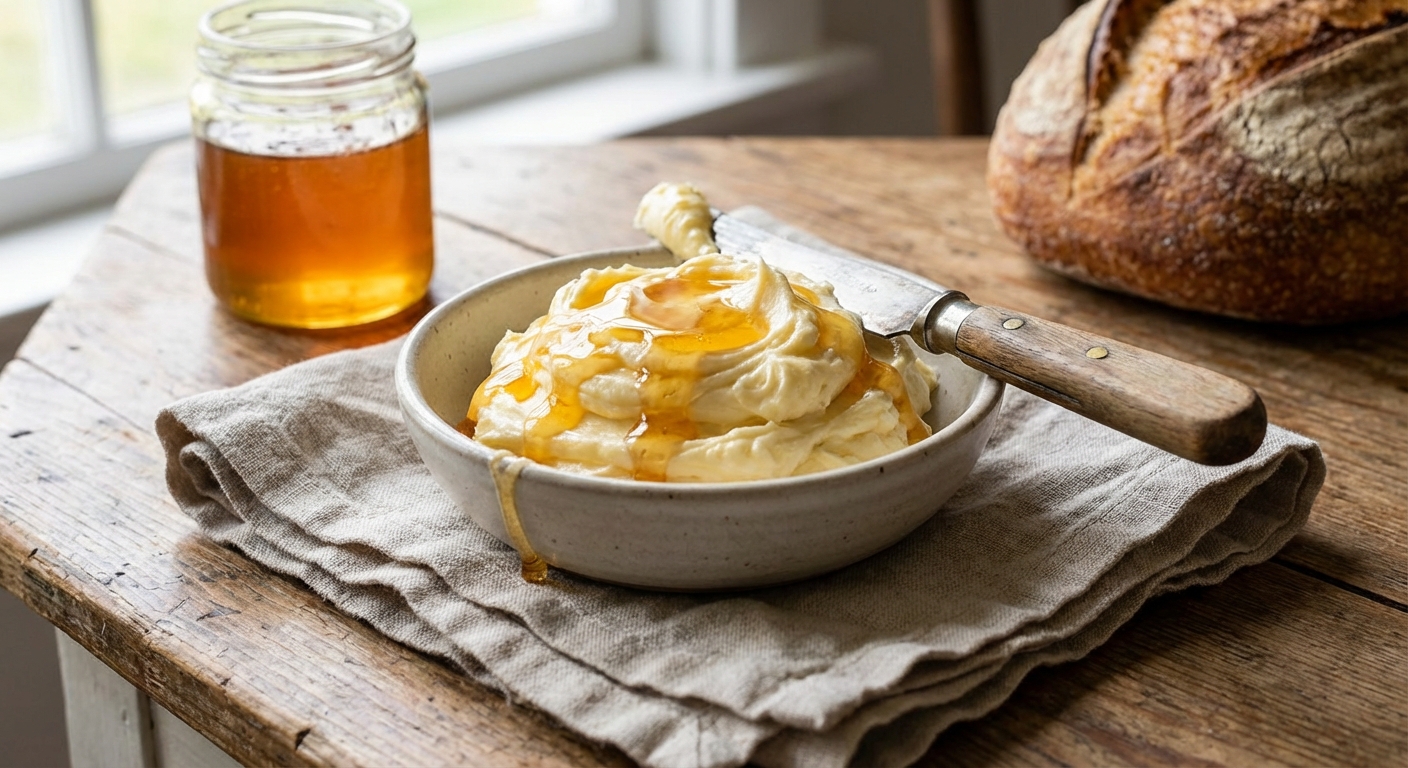
  • A small bowl of whipped honey butter with a butter knife, honey drizzled on top, linen napkin underneath, photorealistic food photography

    Whipped Honey Butter

Storage Tips

How to Store Them

  • Room temperature: Keep fully cooled muffins in a sealed bag or container for up to 2 days. If your kitchen is humid, aim for 1 day for best texture.
  • Refrigerator: Not my favorite because it dries bread faster, but it works for up to 5 days. Toast to revive.
  • Freezer: The move. Fork-split first, then freeze in a single layer and transfer to a bag for up to 2 months. Toast straight from frozen.
  • Best reheat: Toast cut-side up until deeply golden. For extra crisp edges, finish with 30 seconds in a hot skillet with a tiny bit of butter.

Common Questions

Common Questions

Can I use sourdough discard?

Yes. If your discard is unfed and sluggish, you will just need a longer rise. Look for the dough to get puffy and jiggly, not necessarily doubled on the clock.

Why did my muffins turn out bready with no nooks?

The usual culprits are too much flour during shaping, overworking the dough, or cutting with a knife. Keep the dough slightly sticky, handle it gently, and fork-split once cooled.

Do I need English muffin rings?

No. Rings help you get very round muffins, but the texture comes from fermentation and gentle handling, not the rings. A biscuit cutter also works, or just cut squares with a bench scraper to avoid compressing edges.

How do I know the griddle temperature is right?

A medium-low burner is usually perfect. If you have an infrared thermometer, aim for 325°F to 350°F on the surface. Too hot browns the outside before the center sets.

Why are my muffins raw in the middle?

Heat was too high, the muffins were too thick, or your pan runs hot. Lower the heat and cook longer, and consider covering the skillet for the first few minutes to help the centers set. You can also finish in a 350°F oven for 5 to 8 minutes after griddling.

Can I make the dough overnight?

Yes. After the dough is mixed and has started rising, cover and refrigerate overnight. In the morning, let it warm up until puffy, then shape and do the final proof.

Can I shape the muffins and proof them overnight?

Yes, with a little planning. Shape, let them sit at room temp for about 20 to 30 minutes to get fermentation going, then cover well and refrigerate overnight. In the morning, let them sit out until they look puffy and marshmallowy (often 45 to 90 minutes, depending on your kitchen), then cook.

The first time I tried making English muffins at home, I treated the dough like it was pizza. I kneaded it into submission, floured the counter like a snowstorm, and sliced them open with a knife like a responsible adult. The result was fine, but it was not the dream.

Then I did the opposite. I kept the dough wetter, handled it less, cooked it slower, and split it with a fork like I was breaking a tiny bread geode. That was the moment. Butter sank into the pockets, the edges crackled on the griddle, and I basically decided store-bought English muffins were on notice.