Mom's Best Recipes
Recipe

Flavorful Pork Carnitas

Juicy, slow-cooked pork with citrus, warm spices, and crispy edges for tacos, bowls, and weeknight magic.

Author By Matt Campbell
4.8
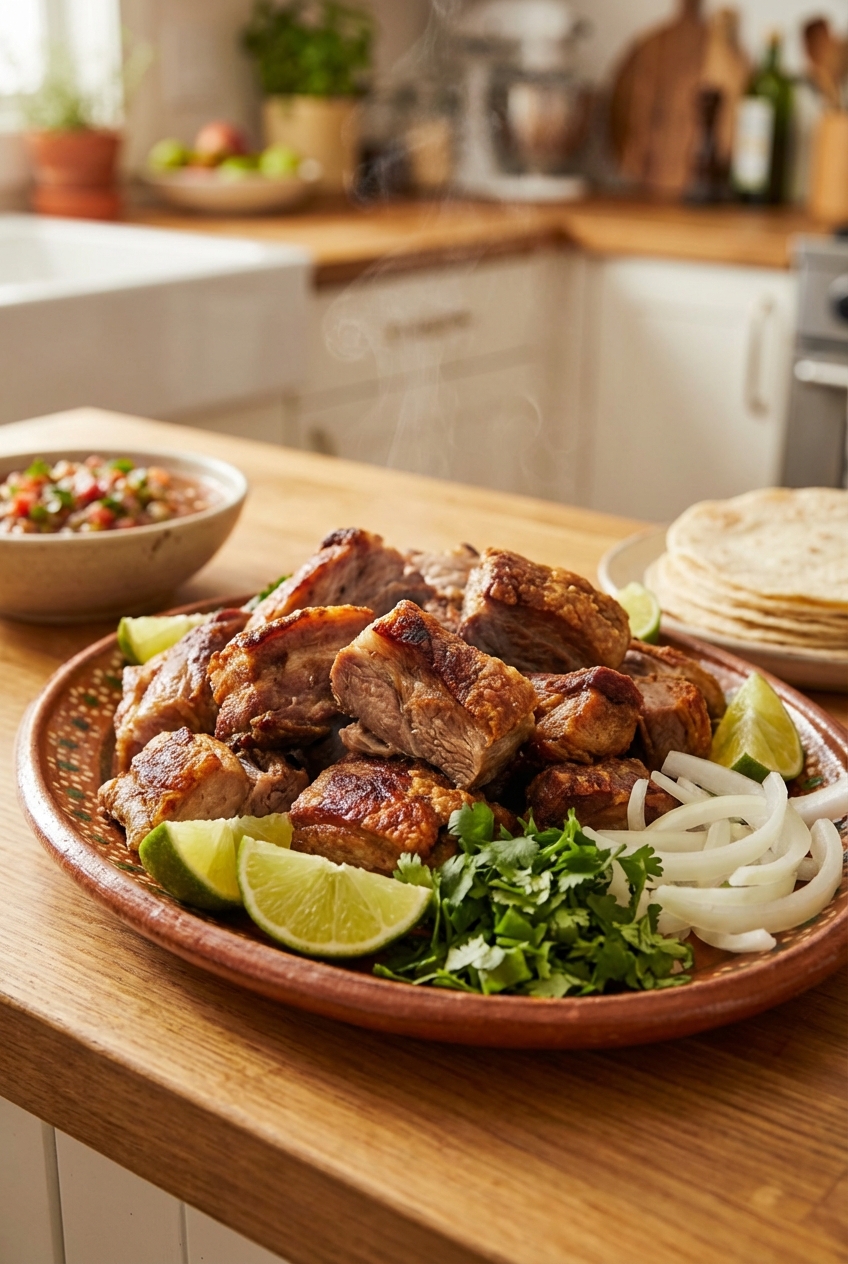
A real photo of crispy-edged pork carnitas piled on a platter with lime wedges, cilantro, and sliced onions in warm light

If you want carnitas that taste like you put in restaurant hours without actually living at the stove, this is the move. We slow-cook pork until it’s fall-apart tender, then finish it hot so the edges get crisp and bronzed. That combo is the whole point: cozy, juicy shreds plus crackly bits that make you “taste one more piece” straight off the tray.

This version leans spiced and aromatic with cumin, oregano, bay, garlic, and orange. Not fussy, not hard to find, and it plays well with tacos, rice bowls, nachos, quesadillas, and the classic standing-at-the-fridge fork situation.
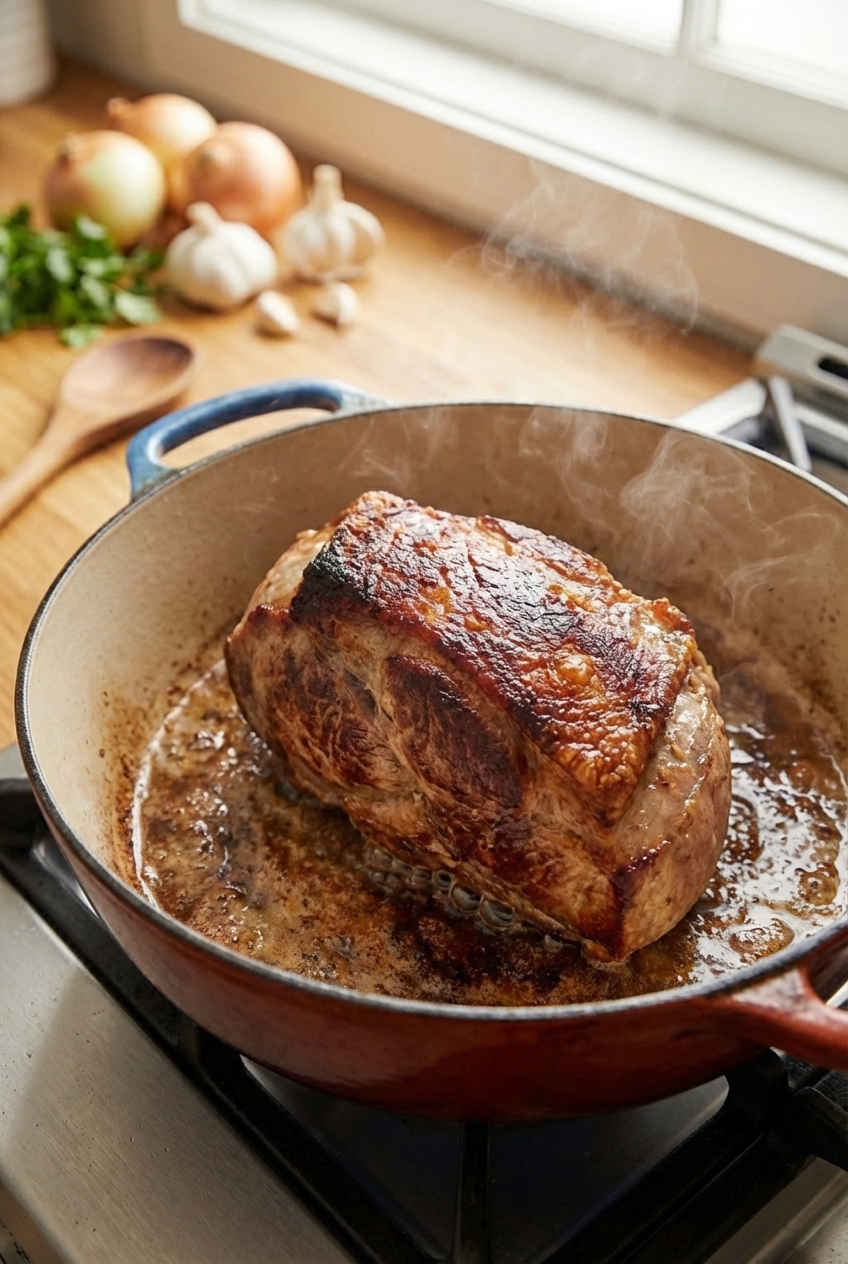
A real photo of pork shoulder searing in a Dutch oven with browned edges and sizzling fat

Why It Works

  • Big flavor from simple ingredients: Orange and lime brighten the pork while cumin and oregano bring that warm, savory depth.
  • Two-stage cooking for the best texture: Braise low and slow for tenderness, then crisp under high heat for those signature carnitas edges.
  • Juicy, not greasy: We use enough fat for flavor, then crisp on a tray so excess renders away.
  • Make-ahead friendly: The pork gets even better after a night in the fridge, then crisps up like a dream.

Pairs Well With

  • Mexican street corn salad
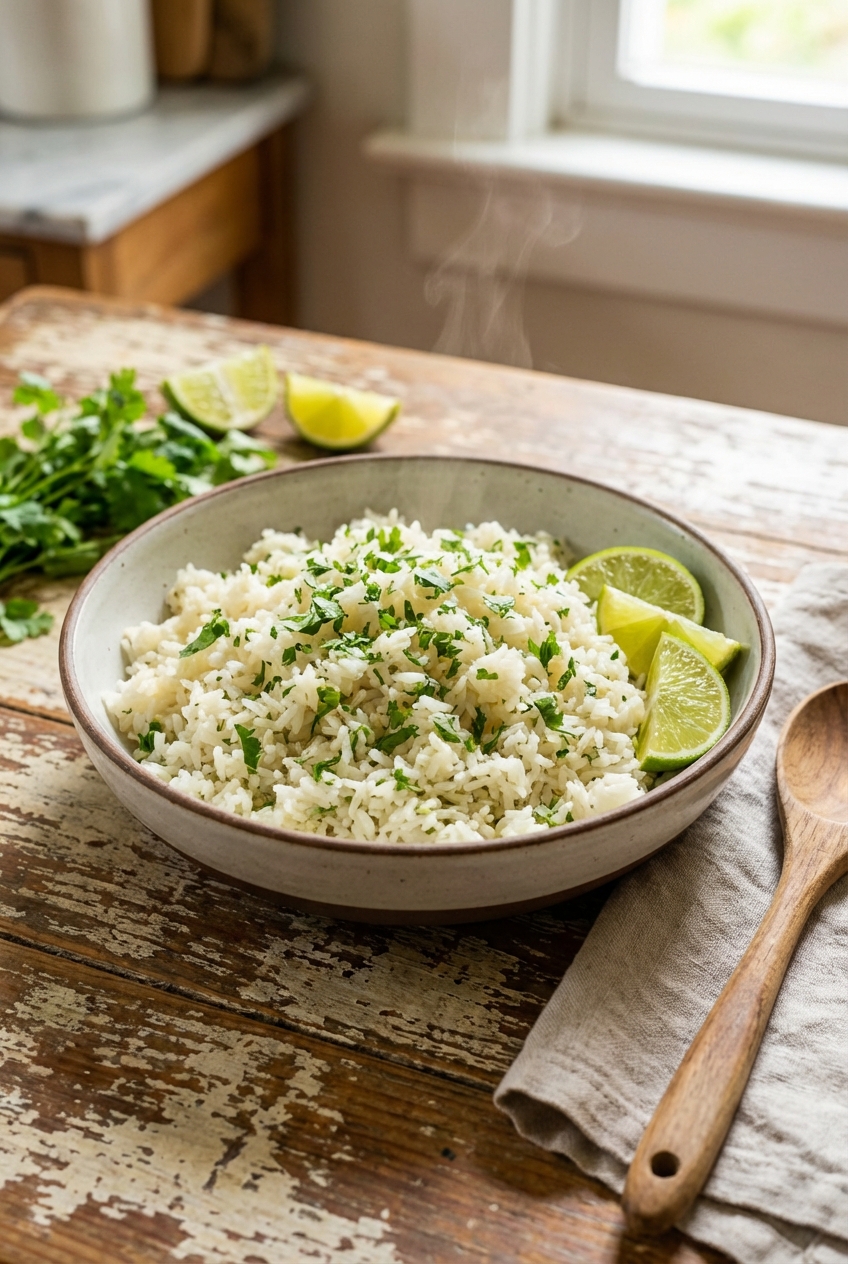
  • Cilantro lime rice
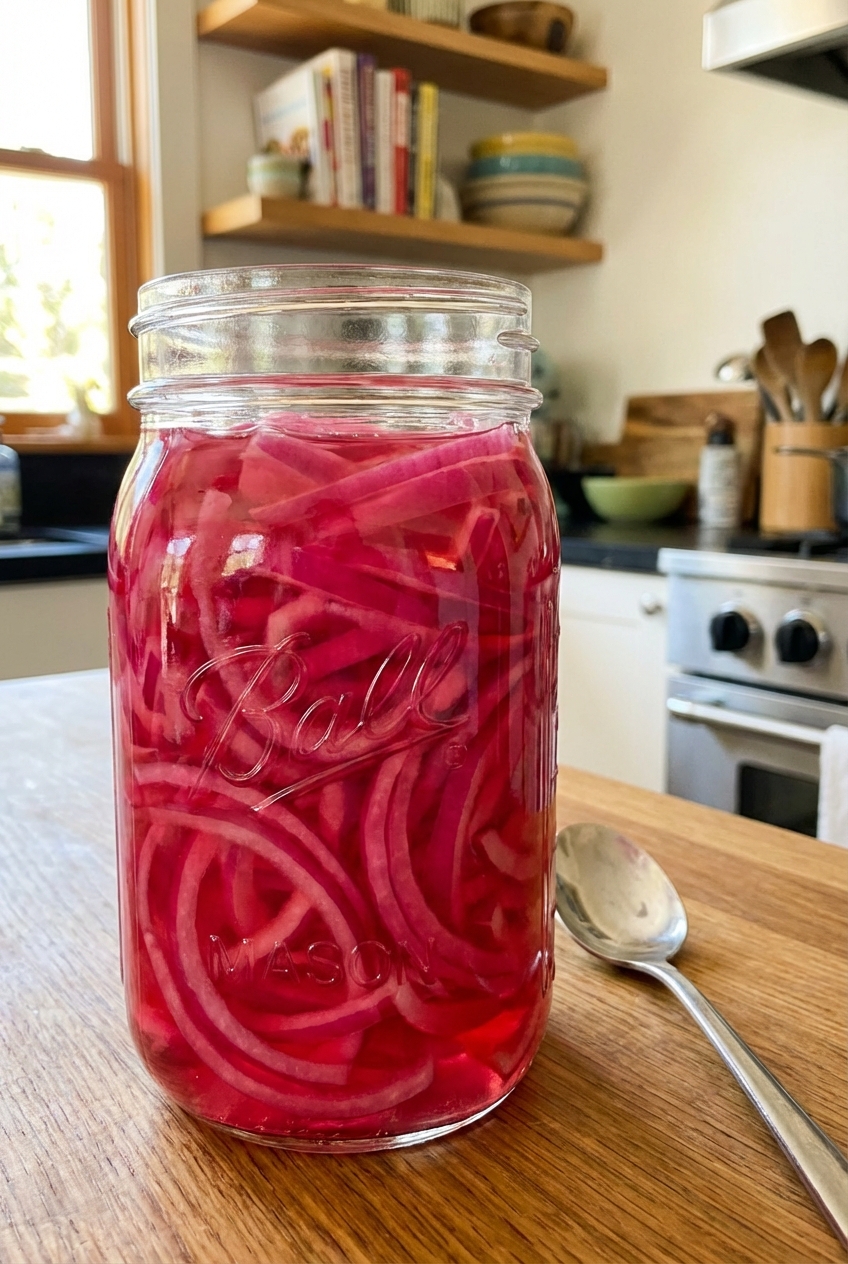
  • Quick pickled red onions
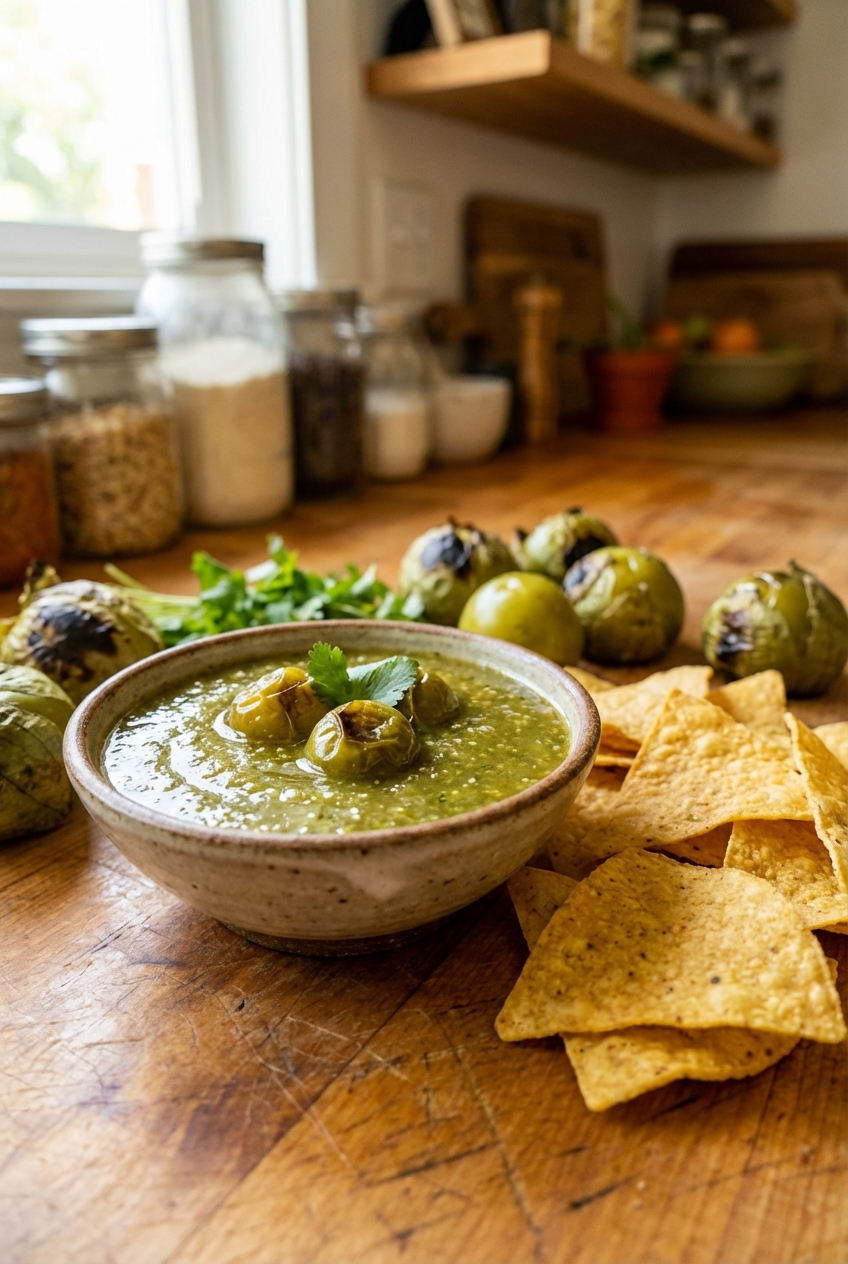
  • Charred salsa verde

Storage Tips

Refrigerate: Cool carnitas quickly and refrigerate within 2 hours. Store in an airtight container for up to 4 days. For best results, keep some of the cooking juices with the meat so it stays juicy.

Freeze: Freeze in portions for up to 3 months. I like freezing it with a few spoonfuls of juices in a freezer bag, pressed flat so it thaws fast.

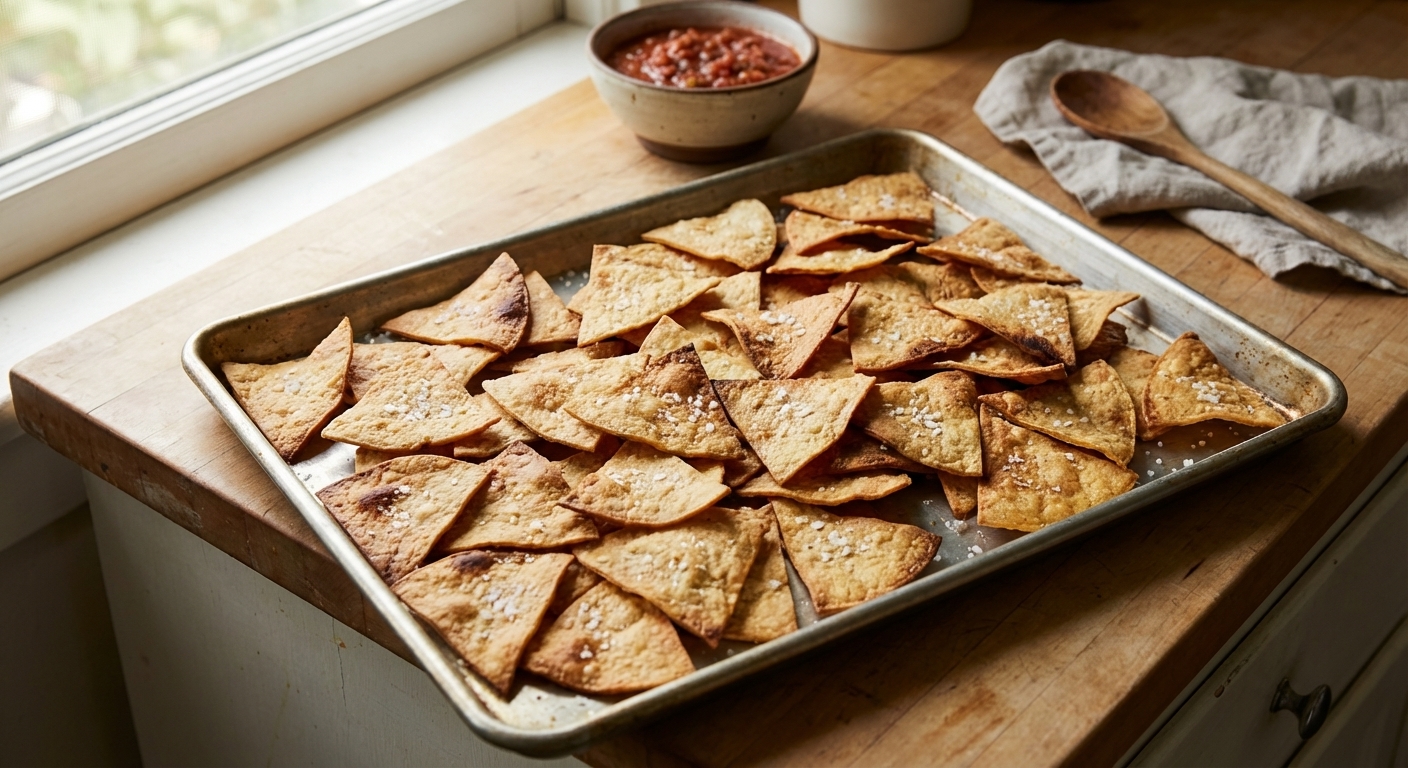
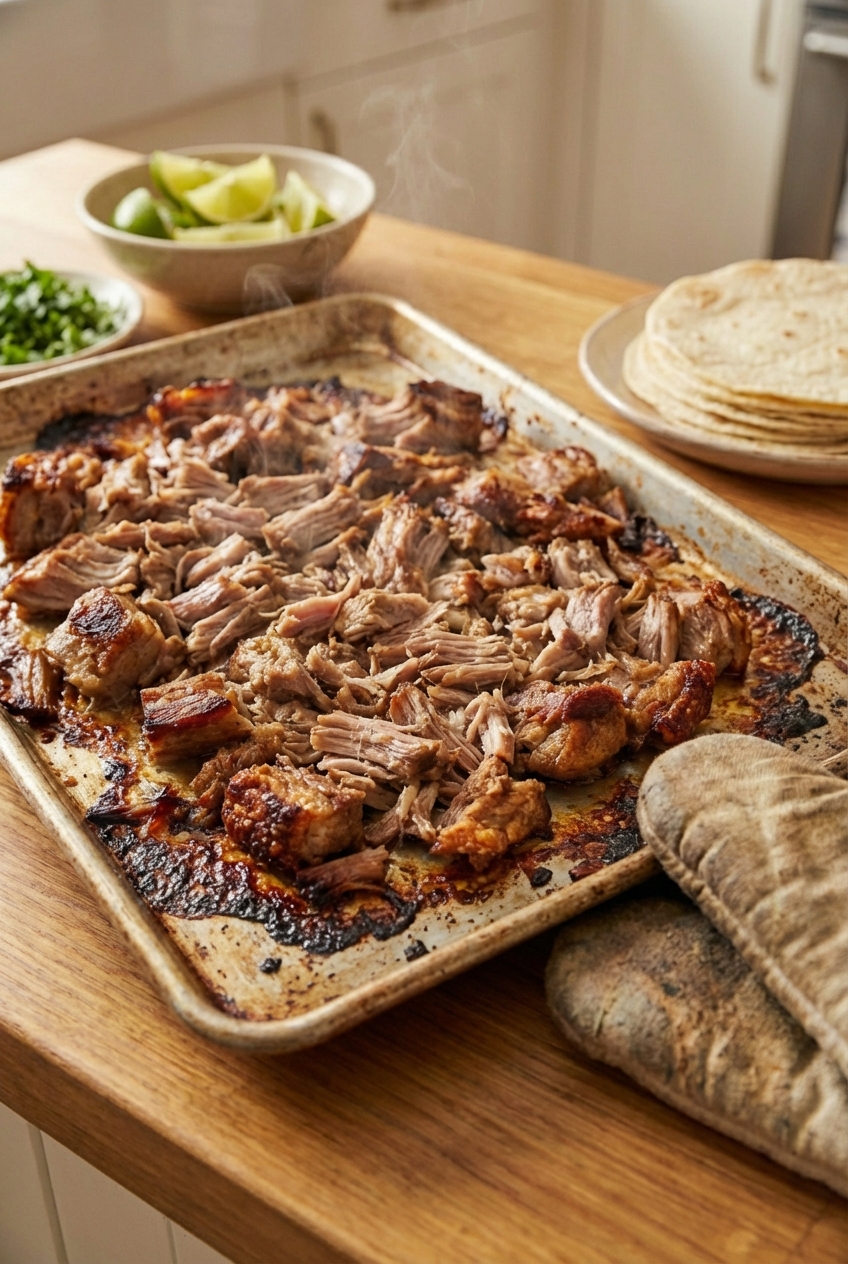
Reheat and crisp again: Reheat until steaming hot (aim for 165°F if you want to check), then crisp. Spread meat on a sheet pan, drizzle with a little reserved juice, and broil 3 to 6 minutes, tossing once, until the edges crisp. You can also crisp in a hot skillet with a tiny splash of water or juice to steam first, then let it sizzle dry.

Common Questions

What cut of pork is best for carnitas?

Pork shoulder is the classic. In many stores, you will see it labeled Boston butt (which is a cut from the shoulder) or picnic shoulder. Either works. You want enough fat and connective tissue to turn silky and shreddable. Pork loin can work in a pinch, but it will be noticeably drier.

Do I have to sear the pork first?

You do not have to, but I strongly recommend it. Searing builds deeper flavor and gives the braise a richer, toastier base. If you skip it, the carnitas will still be good, just less “wow.”

Can I make carnitas in a slow cooker?

Yes. Cook on low 8 to 10 hours (or high 4 to 6) with everything except the optional extra fat. Then shred and crisp on a sheet pan under the broiler. That last step is the move if you want the classic crispy-edge texture.

Can I make it less spicy?

This recipe is more aromatic than hot. If you are sensitive, skip the optional chipotle and keep the black pepper mild. You can add heat later with salsa, hot sauce, or sliced jalapeño.

Why are my carnitas not crispy?

Usually one of three things: the pan is crowded, the meat is too wet, or the heat is too low. Spread the shredded pork in a single layer, let excess juices drip off, and use high heat (broiler or a hot skillet). Crisp happens when moisture leaves.

How do I know the pork is done?

The best cue is texture: it should shred easily with a fork. If you like numbers, you are usually looking for 195 to 205°F in the thickest pieces.

The first time I tried to make carnitas at home, I treated it like pulled pork and wondered why it tasted fine but felt kind of… flat. Then I learned the secret is not a secret at all: braise for tenderness, then hit it with high heat for the crisp. Now carnitas is my go-to for feeding people without stress. It’s the kind of pot that makes the kitchen smell like you know what you’re doing, even if you are still looking for the tongs.