Common Questions
Do I have to sear the roast first?
No, but it is the easiest upgrade you can make. A 2 to 4 minute sear per side builds deep browned flavor that the slow cooker cannot create on its own.
What cut of beef works best in the slow cooker?
Chuck roast is the MVP here because it has enough fat and connective tissue to turn tender and silky. Bottom round can work, but it is leaner, so it is easier to overcook into dryness.
Is this recipe spicy?
It is warm-spiced, not hot. The paprika, cumin, and a tiny pinch of cayenne read as rich and aromatic. If you want zero heat, skip the cayenne.
How do I keep the roast from getting dry?
Use chuck roast, keep the lid on, and cook low and slow. Also, let the meat rest in the juices for 10 to 15 minutes before shredding or slicing. Bonus tip: this is more of a braise than a boil, so you do not need to fully submerge the roast. It will release plenty of juices as it cooks.
How do I know when it is done?
Fork-tender is the real test. A fork should slide in with very little resistance, and the meat should shred easily. If you like numbers, chuck that is shreddable often lands around 195 to 205°F internal, but tenderness beats temperature every time.
Can I add veggies?
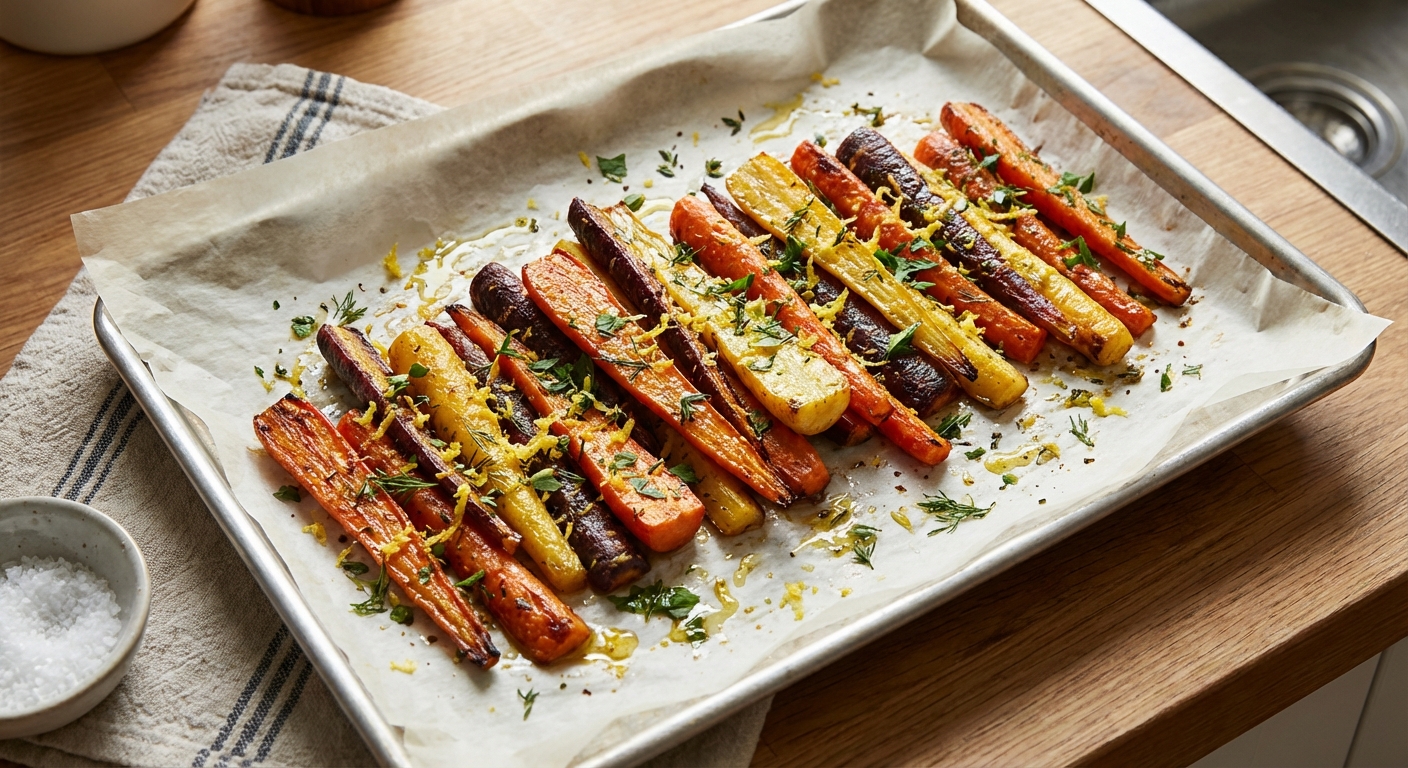
Yes. Add carrots and baby potatoes at the beginning for an all-in-one dinner. If you like firmer vegetables, cut them into larger chunks and add carrots in the last 2 to 3 hours on Low and potatoes in the last 3 to 4 hours on Low.
How do I thicken the gravy without lumps?
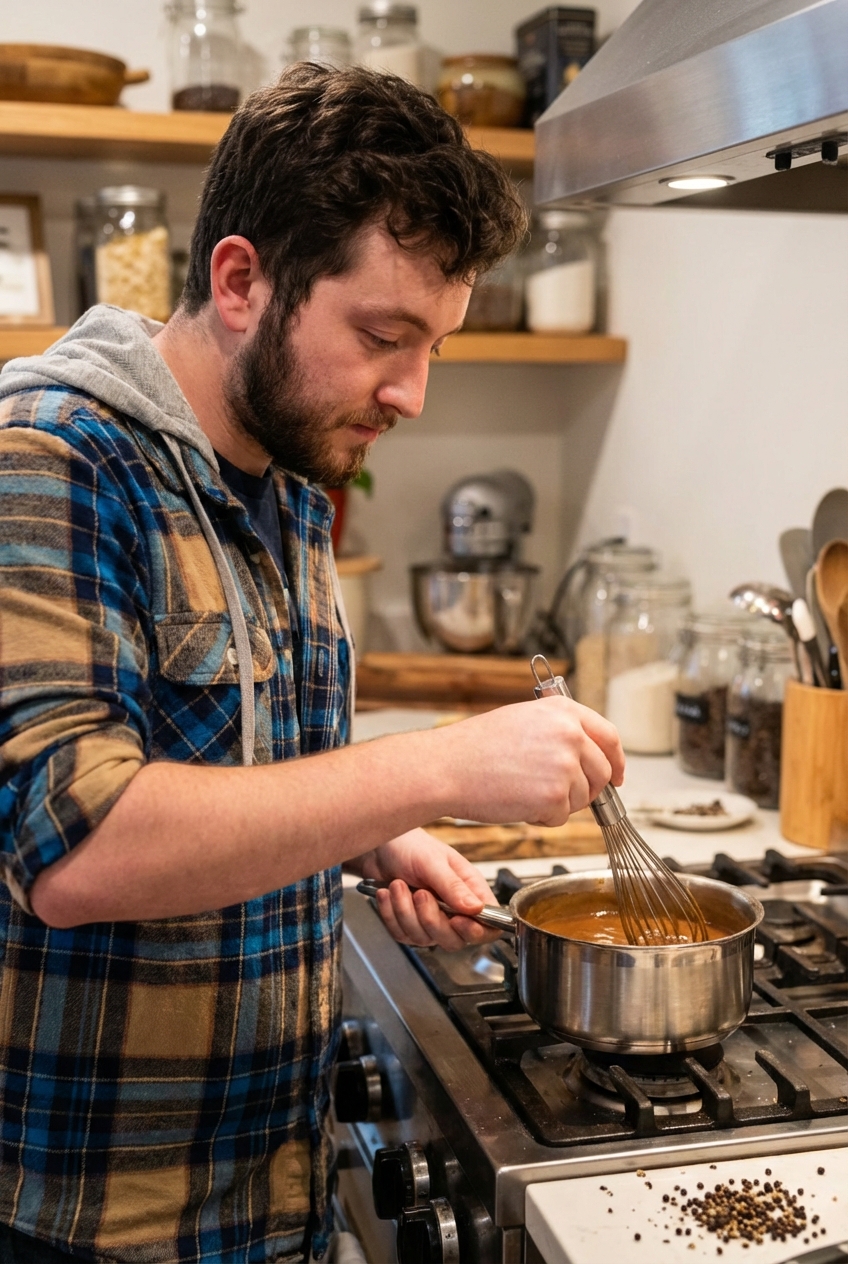
Mix cornstarch with cold water first (slurry), then whisk it into hot liquid. Do not sprinkle cornstarch directly into the slow cooker unless you enjoy chasing little gravy pebbles.
My gravy will not thicken. Now what?
Some slow cookers run cooler than others. If it is taking too long, pour the cooking liquid into a saucepan and simmer on the stove for 3 to 6 minutes after whisking in the slurry. Faster, more reliable, same delicious result.