Mom's Best Recipes
Recipe

Traditional Sourdough Pizza Dough (Spiced & Aromatic)

A naturally leavened pizza dough with a whisper of warm spices, garlic, and olive oil. Crispy edges, airy chew, and big flavor, even with simple toppings.

Author By Matt Campbell
4.8
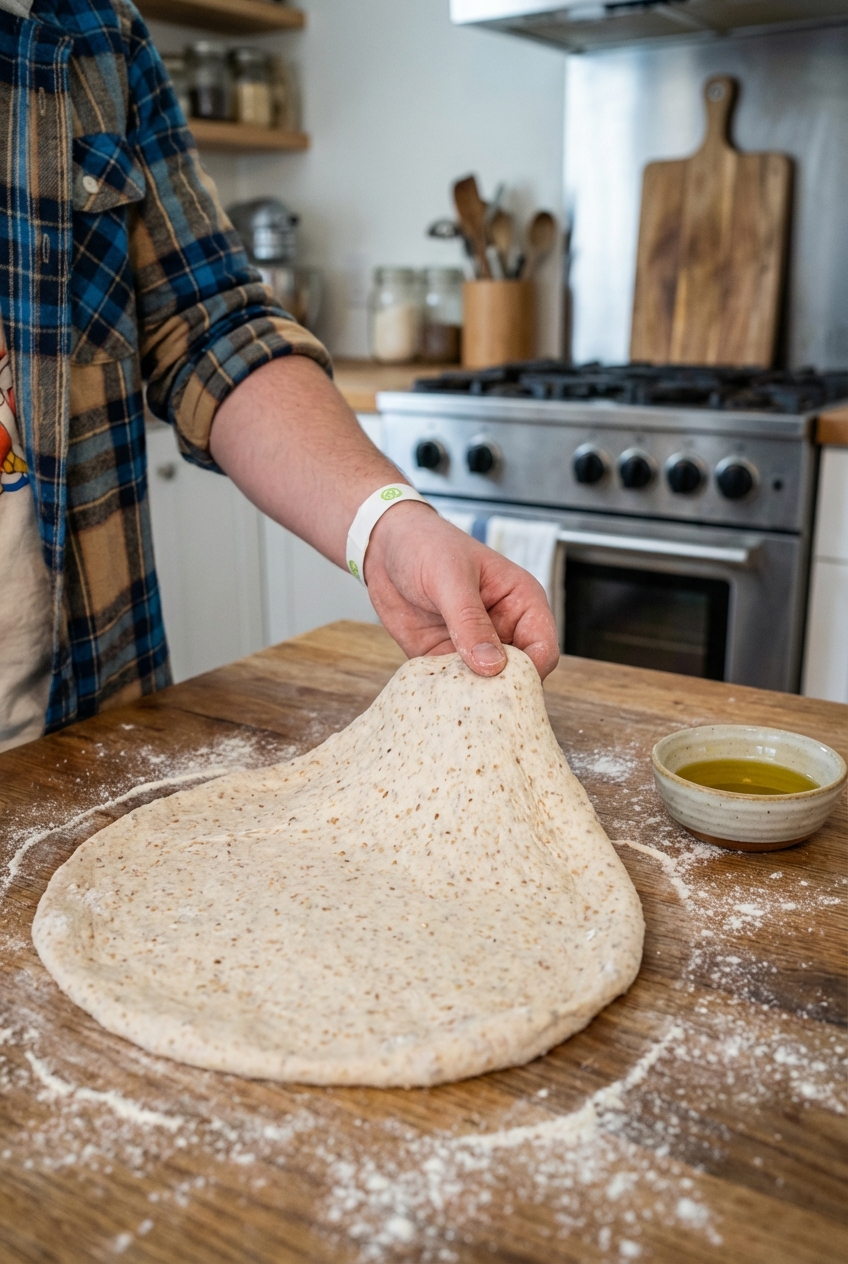
A real photograph of a hand stretching a speckled sourdough pizza dough on a floured wooden countertop with a small bowl of olive oil nearby

If you love sourdough pizza for the chew and that lightly tangy depth, this version is going to feel like a level up without getting fussy. It is traditional sourdough dough at heart, but with a tiny twist: a warm, aromatic spice blend that makes the crust taste like something you would happily eat plain at the counter while the cheese cools.

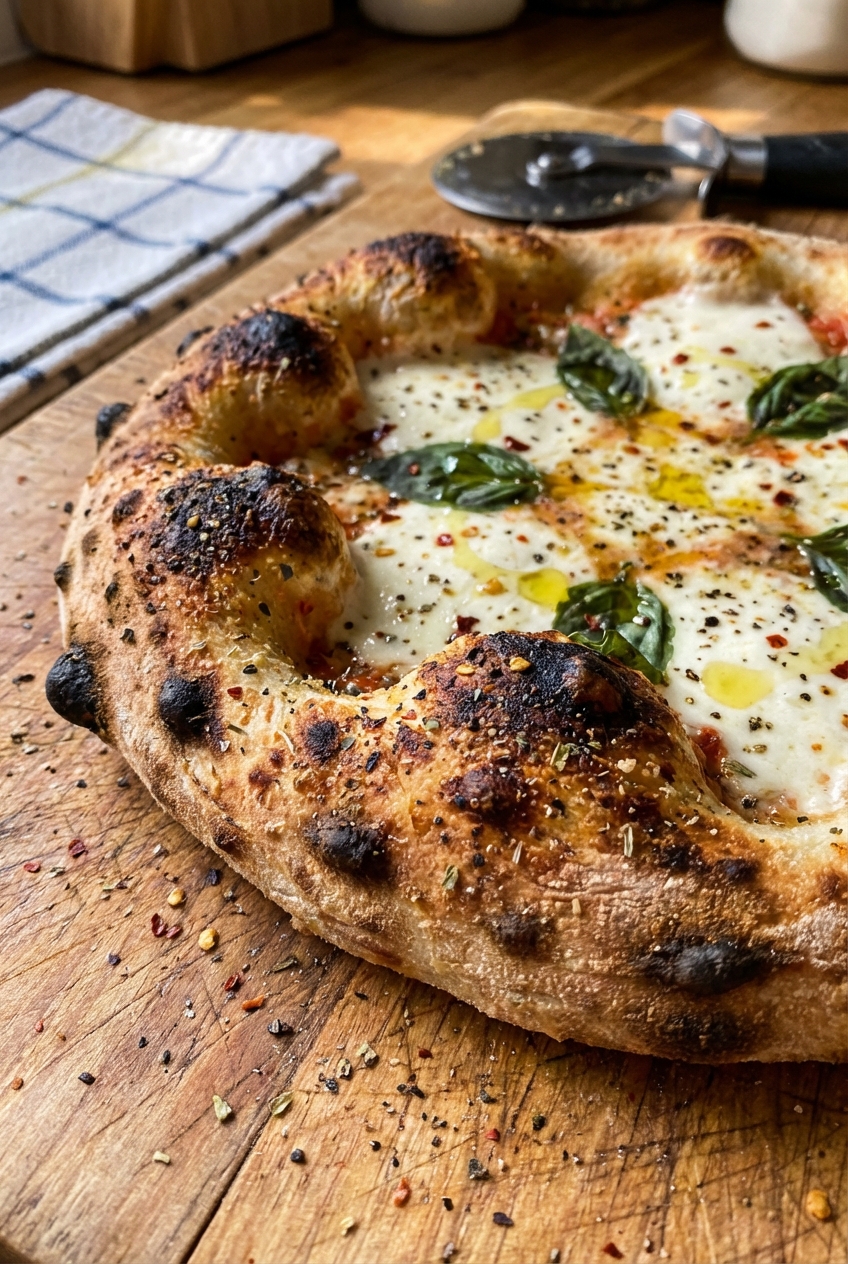
Think crisp bottom, airy rim, and a dough that actually brings flavor to the party. The spice is not sweet or dessert-like. It is subtle, savory, and cozy: a little garlic, oregano, and black pepper with a pinch of toasted fennel and optional smoked paprika for that wood fired vibe, even if you are using a home oven.

This recipe uses accessible ingredients, clear timing, and flexible fermentation. Make it after dinner, bake tomorrow, and enjoy the kind of crust that makes you pause mid bite and go, wow.
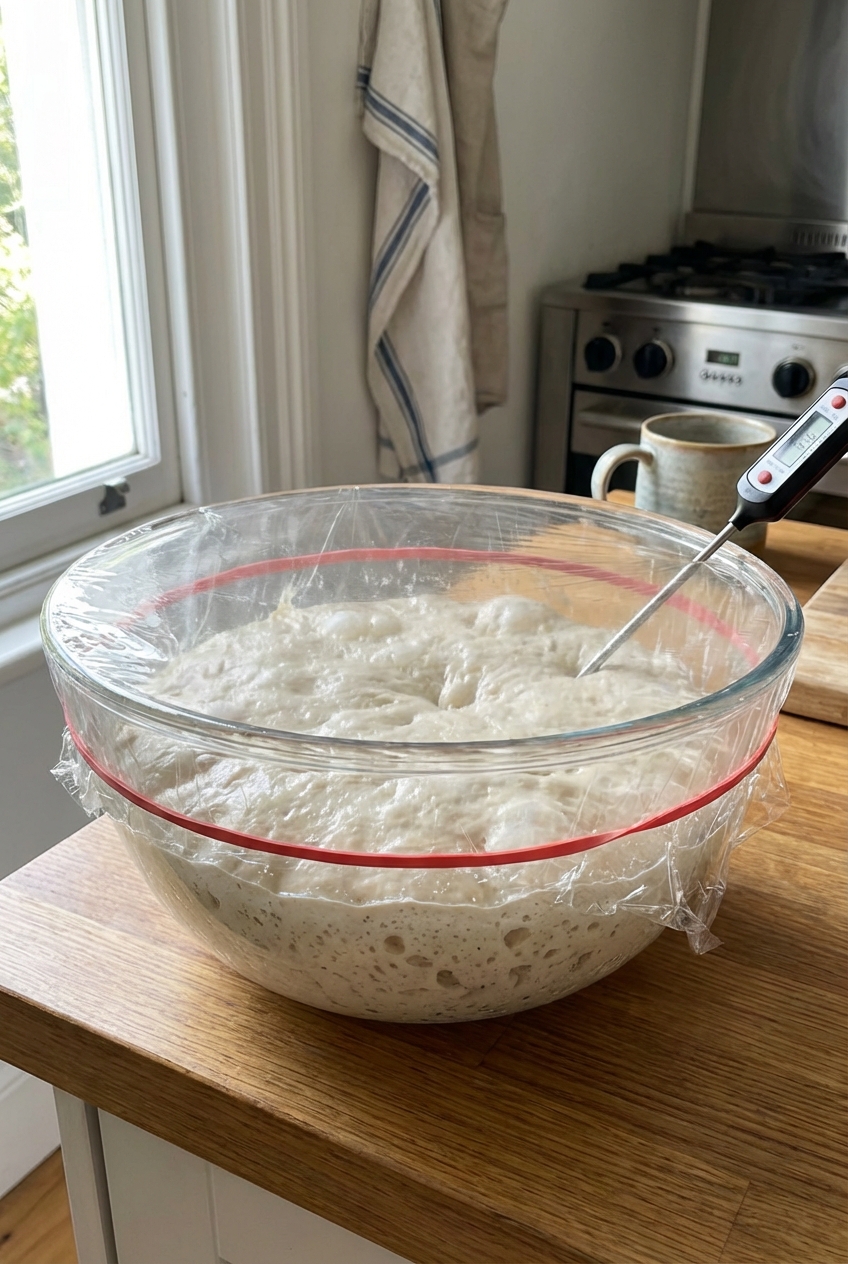
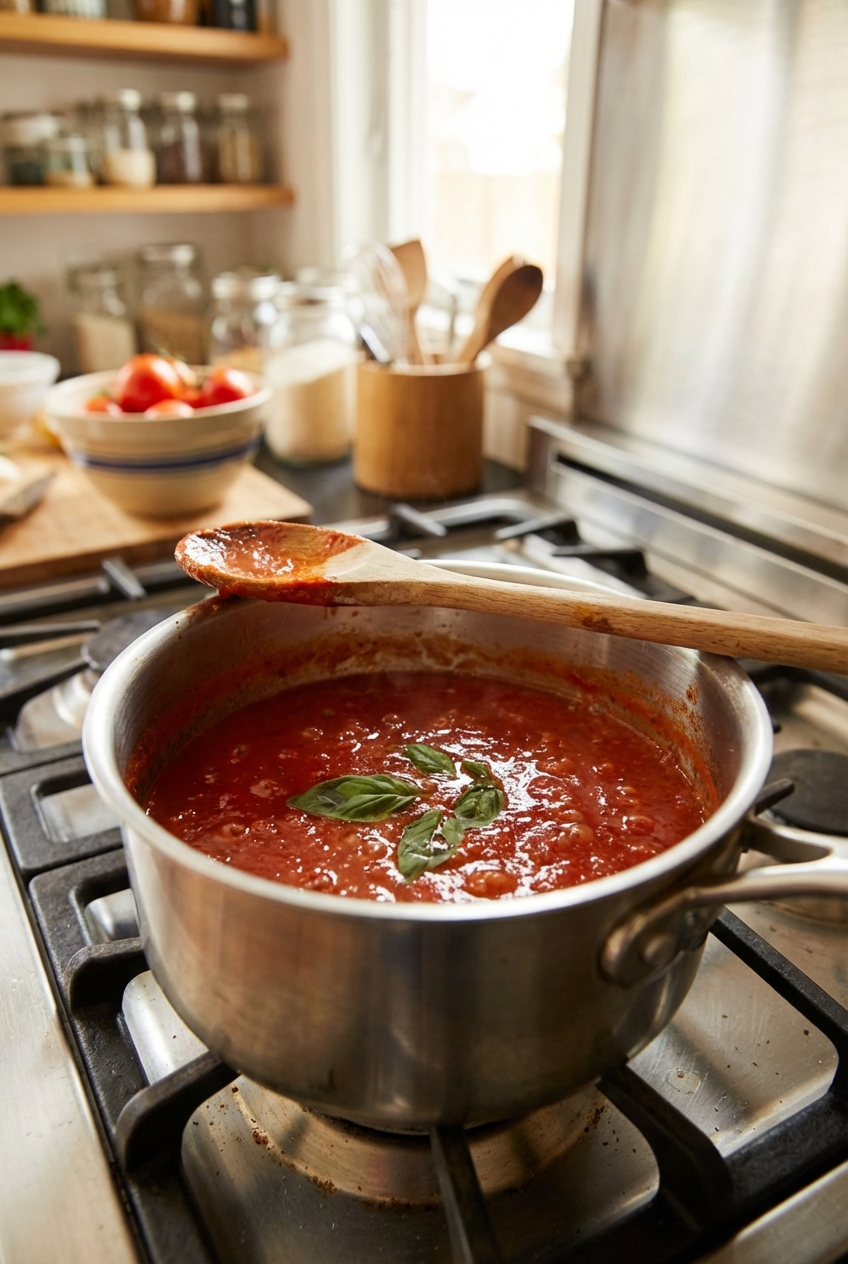
A real photograph of a covered glass bowl of sourdough pizza dough resting on a kitchen counter during bulk fermentation

Why It Works

  • Natural fermentation builds flavor. The sourdough starter gives you that lightly tangy, complex crust without commercial yeast.
  • Higher hydration equals airy, blistered edges. This dough is soft and a bit sticky, which is exactly how you get those big bubbles and crisp char spots.
  • Salt and olive oil do real work here. Salt tightens gluten and sharpens flavor, while olive oil adds tenderness and helps browning.
  • Spices bloom during the long rest. Garlic, oregano, fennel, and pepper mellow and meld as the dough ferments, so the crust tastes seasoned, not dusty.
  • Cold proof makes it easier. A refrigerator rest improves extensibility, meaning stretching the dough is less of a wrestling match.

Pairs Well With

Storage Tips

Storing Dough

  • Refrigerate: After dividing into dough balls, place each in a lightly oiled container with a lid. Refrigerate up to 3 days. Flavor often improves on day 2.
  • Freeze: After the dough balls have chilled for 1 to 2 hours (so they firm up), wrap each tightly and freeze up to 2 months. Thaw overnight in the fridge.
  • Before baking: Bring cold dough to room temp for 2 to 4 hours until relaxed, slightly puffy, and easy to stretch.

Storing Baked Pizza

  • Fridge: Store slices in an airtight container up to 4 days.
  • Best reheat: Skillet over medium heat with a lid for 2 to 4 minutes (crisp bottom, melty top). Or reheat on a preheated sheet pan at 425°F for 5 to 8 minutes.

Common Questions

Can I use discard instead of active starter?

Not for this recipe as written. You want a strong, active starter so the dough rises on schedule. If your starter is sluggish, give it a feed and wait until it peaks before mixing.

Is this really 70% hydration?

It is about 73% hydration once you count the flour and water in the starter. It will feel a little sticky at first, and that is normal for airy, blistered crust.

Why add spices to the dough instead of the sauce?

Because the crust deserves seasoning too. During fermentation, the aromatics mellow and integrate so you get flavor in every bite, even on the bare edge.

My dough is sticky. Did I mess up?

Nope. Higher hydration dough feels sticky early on. Use wet hands for folds, and a light dusting of flour only when shaping. It will strengthen as it rests.

How do I bake this without a pizza stone?

Use an inverted sheet pan or a cast iron skillet. Preheat the oven as hot as it goes for at least 30 minutes. You want serious heat stored in the metal.

Can I make this same day?

Yes, if your kitchen is warm and your starter is strong. Do a warm bulk ferment until the dough is airy and risen (often 30 to 60%, not necessarily doubled), then shape, rest 60 to 90 minutes, and bake. The overnight cold proof often tastes best, but same day still delivers.

Why is my crust pale?

Usually one of three things: oven not fully preheated, not enough top heat, or too much flour under the dough. Preheat longer, bake on a higher rack for more top browning, and brush excess flour off before launching.

I used to think pizza dough had to be either super traditional or super creative, like there was no middle lane. Then I started making sourdough pizza at home more often, and I realized the crust is basically a blank canvas that you can season gently, the same way you would season a pot of beans or a roast chicken. Not aggressively. Just enough to make it feel like you knew what you were doing.

This spiced version happened on a night I had a jar of fennel seed that never got invited to anything. I toasted a pinch, added garlic and oregano, and suddenly the kitchen smelled like a neighborhood pizza spot. Now I make it when I want that cozy, aromatic walk past a pizzeria feeling at home, even if dinner is just sauce, mozzarella, and whatever veggies need to be used up.