Mom's Best Recipes
Recipe

Spinach and Feta Filo Pie

A crisp-edged, butter-brushed filo dough pie with a savory spinach and feta filling that tastes like you tried harder than you did.

Author By Matt Campbell
4.8
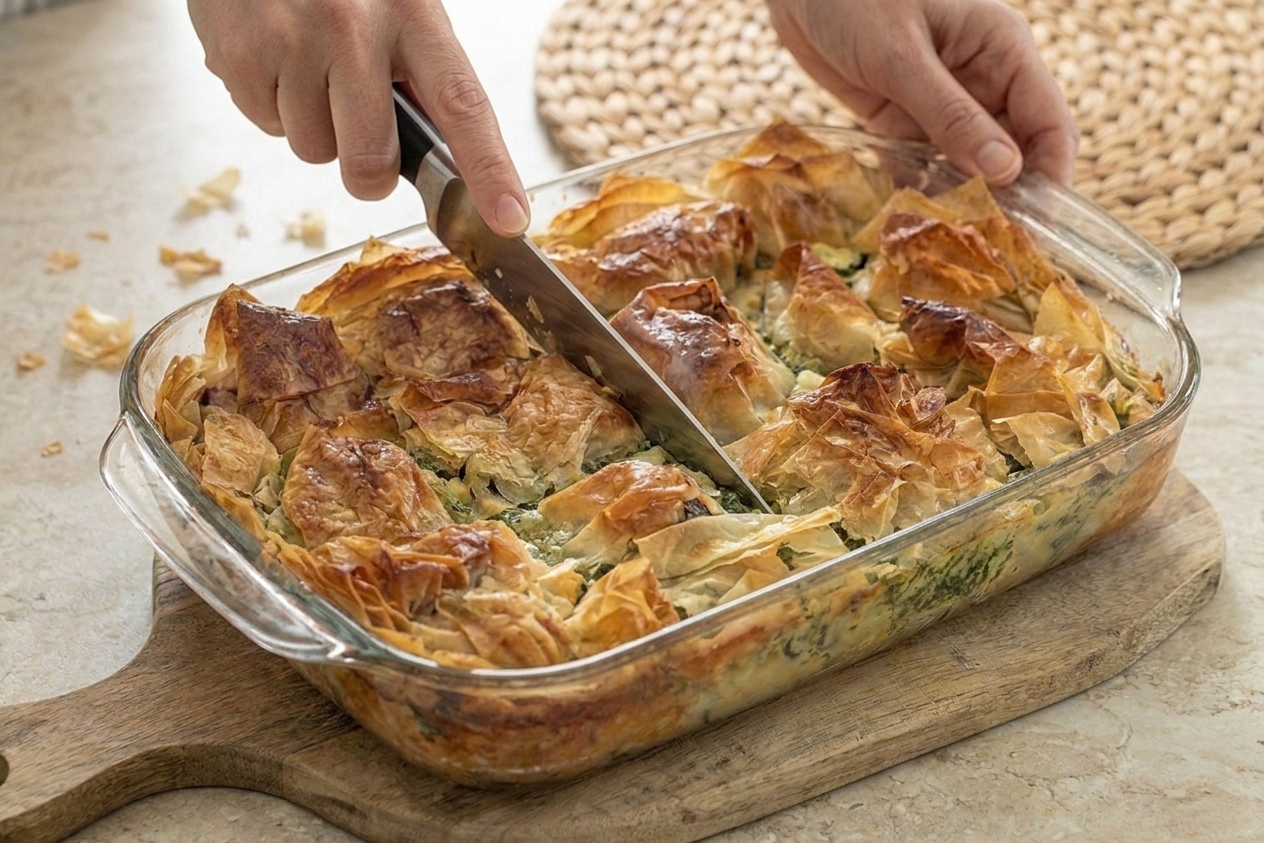
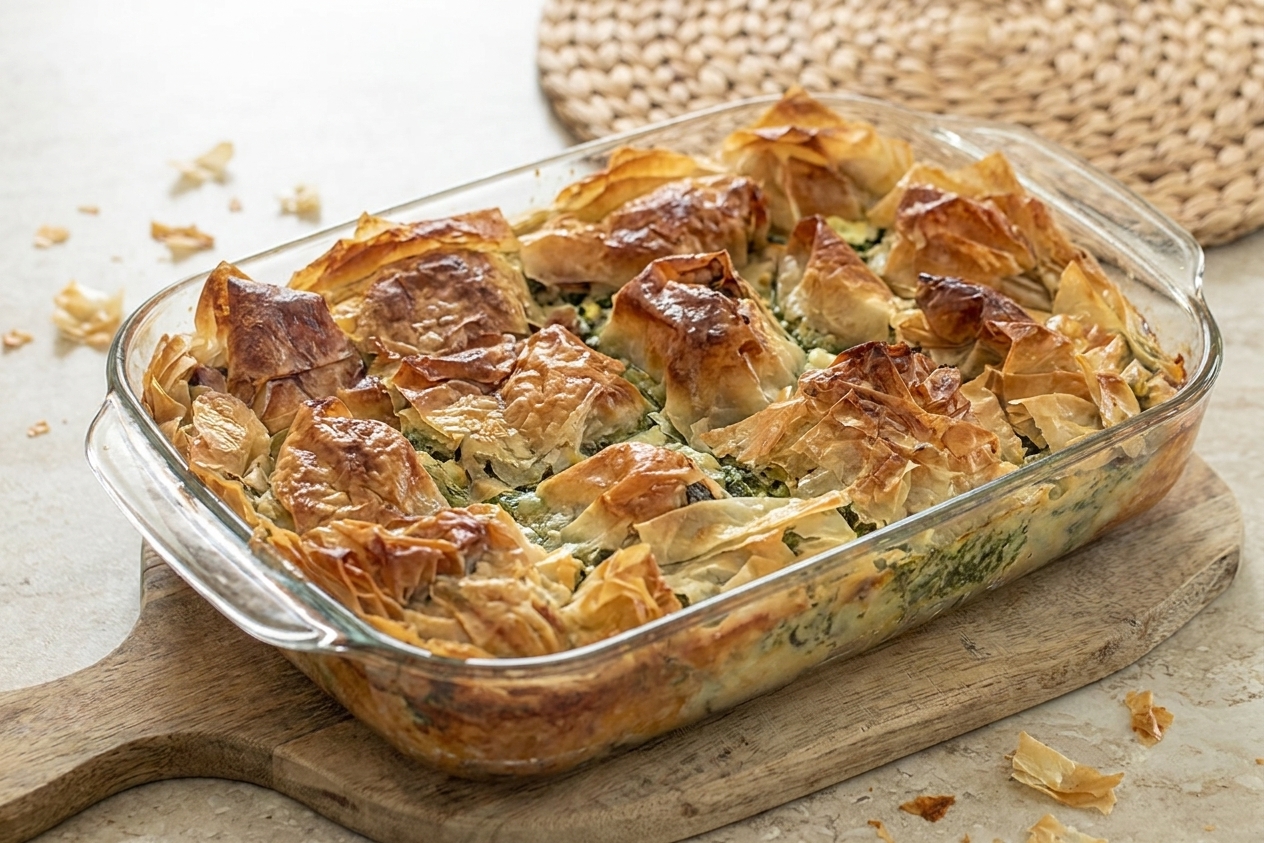
A golden brown spinach and feta filo pie in a rectangular baking dish on a light stone counter, with flaky layers visible and a few crumbs scattered nearby

Filo dough is one of those ingredients that looks intimidating right up until you actually use it. Then you realize it is basically paper with attitude: whisper-thin sheets that go from soft and shy to shatteringly crisp the second heat and butter get involved.

This spinach and feta filo pie is my go-to “I want something cozy but not heavy” dinner. It is crisp on top, creamy in the middle, and the salt and tang from feta do that magical thing where you keep taking “just one more bite” until your plate is suspiciously clean.

We are keeping it approachable: frozen spinach, a simple skillet filling, and a straightforward layering method that does not require perfection. If your filo tears, welcome to the club. Brush it with butter, patch it, keep moving. It bakes up beautiful anyway.
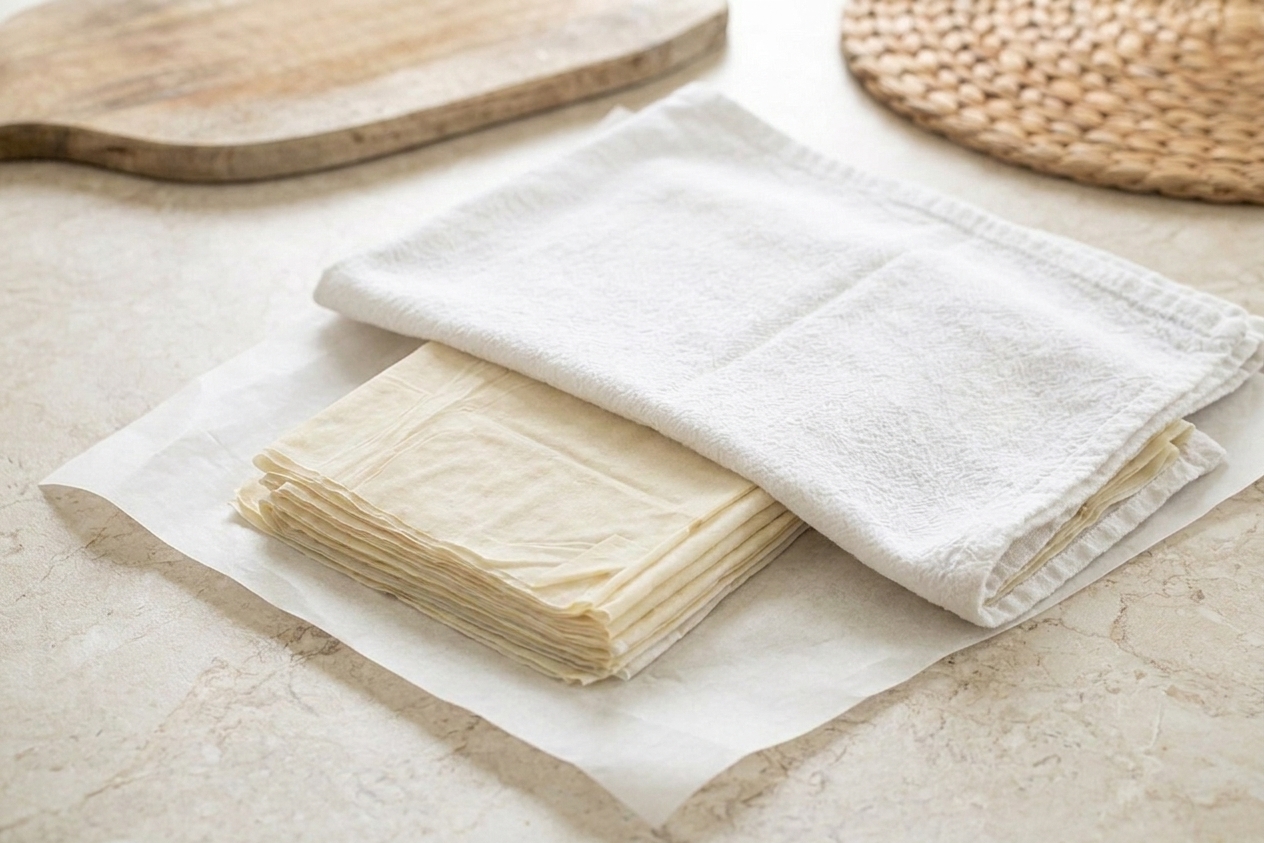
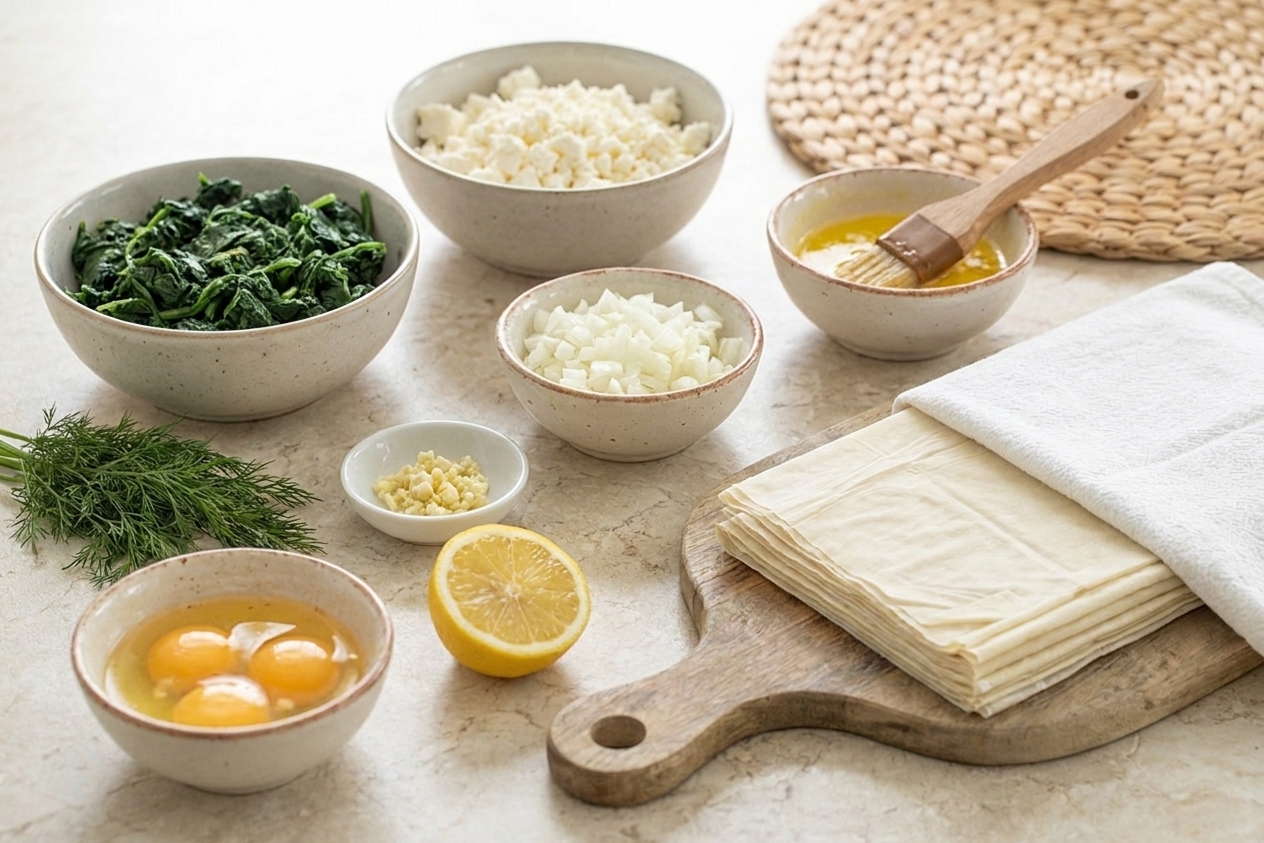
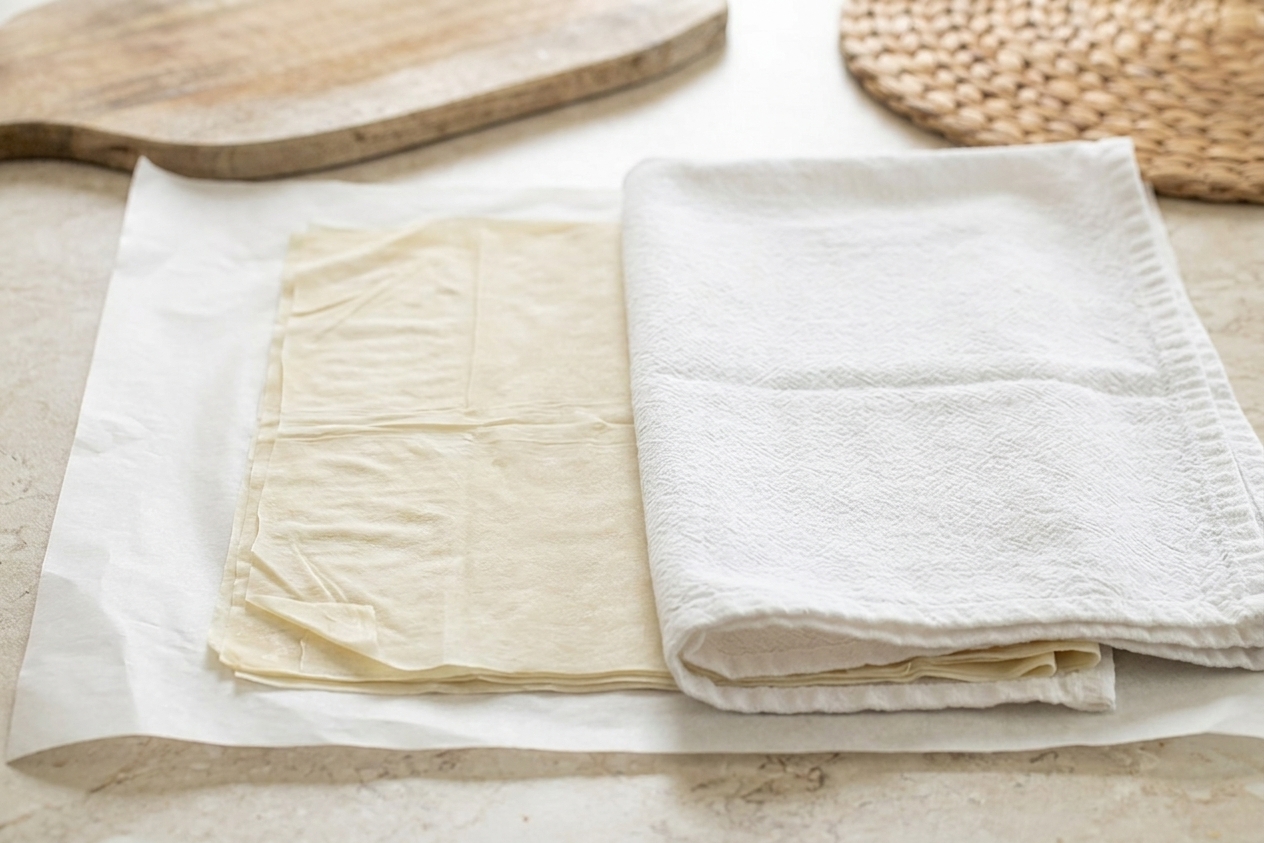
A stack of filo dough sheets on parchment paper with a clean towel laid over the top to keep the sheets from drying out

Why It Works

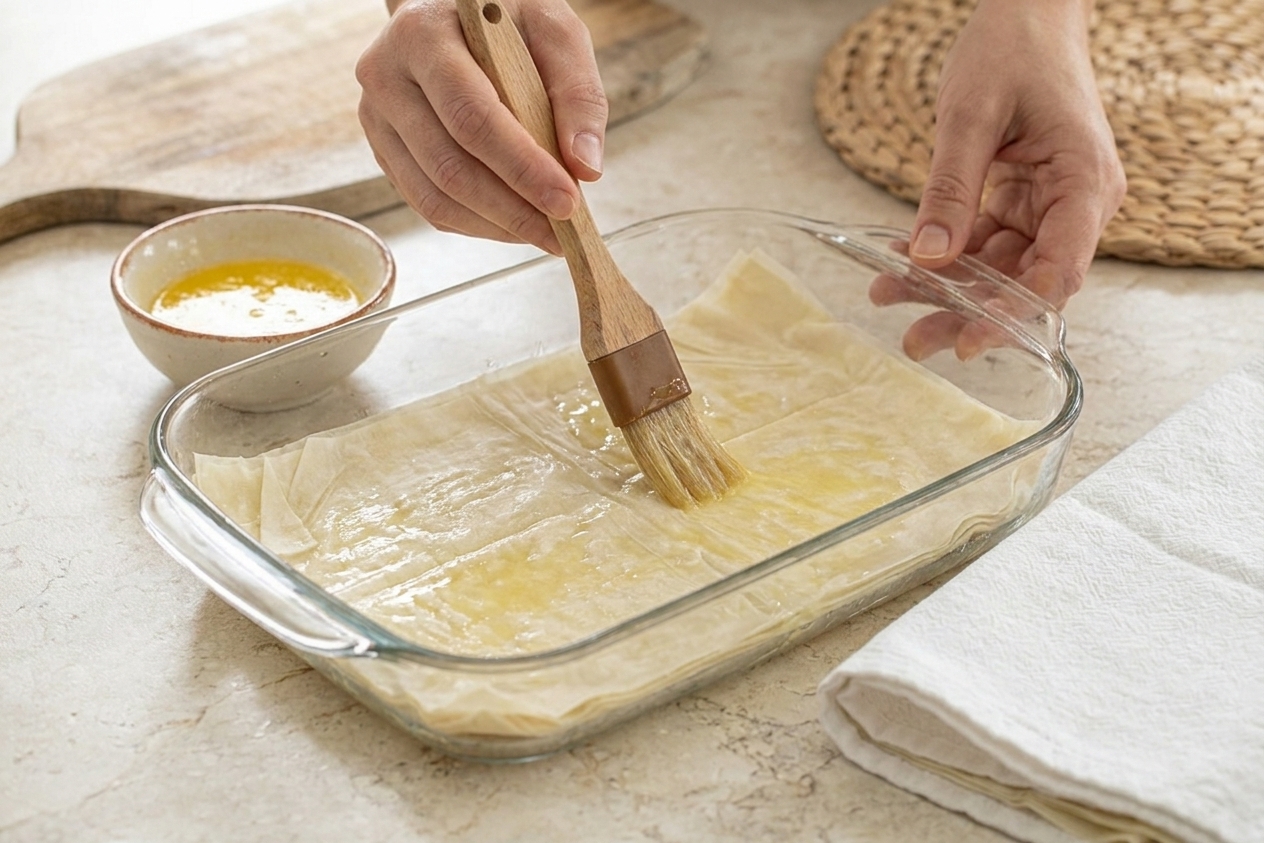
  • Crispy layers without stress: A simple butter-brush rhythm keeps filo workable and helps it bake up audibly crunchy.
  • Big flavor, accessible ingredients: Frozen spinach plus feta, lemon, garlic, and dill brings that classic Greek vibe without a specialty grocery run.
  • No soggy bottom: We squeeze the spinach dry and cook off extra moisture so the filling stays creamy, not watery.
  • Make-ahead friendly: Assemble earlier in the day, bake when you are ready, and act like you had this all planned.

Pairs Well With

Storage Tips

Refrigerate: Cool completely, then cover and refrigerate 3 to 4 days.

Reheat for crispness: Oven or toaster oven at 350°F for 10 to 15 minutes until hot and re-crisped. The microwave works in a pinch, but the filo will soften.

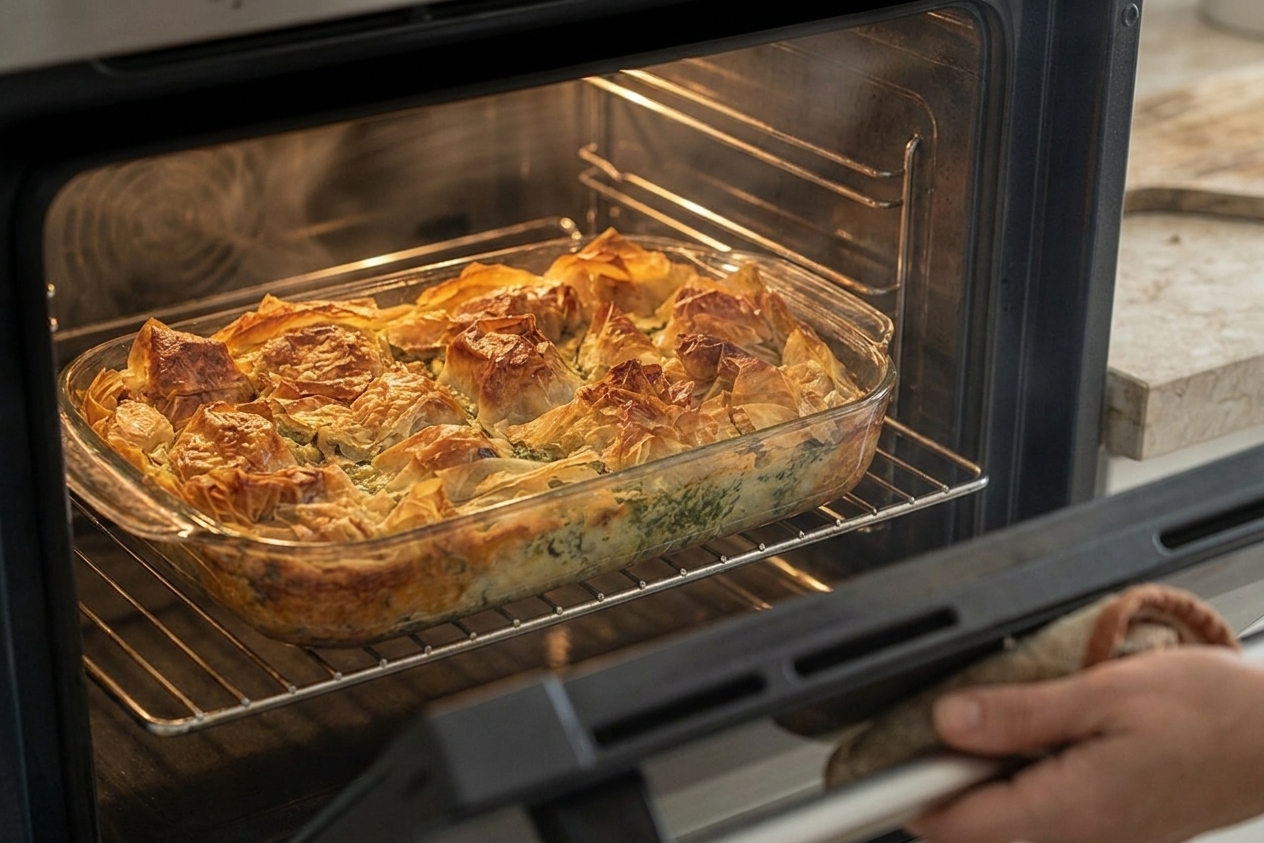
Freeze (best before baking): Assemble the pie in the baking dish, wrap tightly in plastic wrap and foil, and freeze up to 2 months. Bake from frozen at 375°F, adding about 15 to 30 minutes. If the top browns too fast, tent with foil. It is done when the center is hot and a knife inserted in the middle comes out warm (or the center hits about 165°F).

Freeze (after baking): You can freeze baked slices, but the texture will be a little less shattery. Reheat from frozen in a 350°F oven until hot throughout.

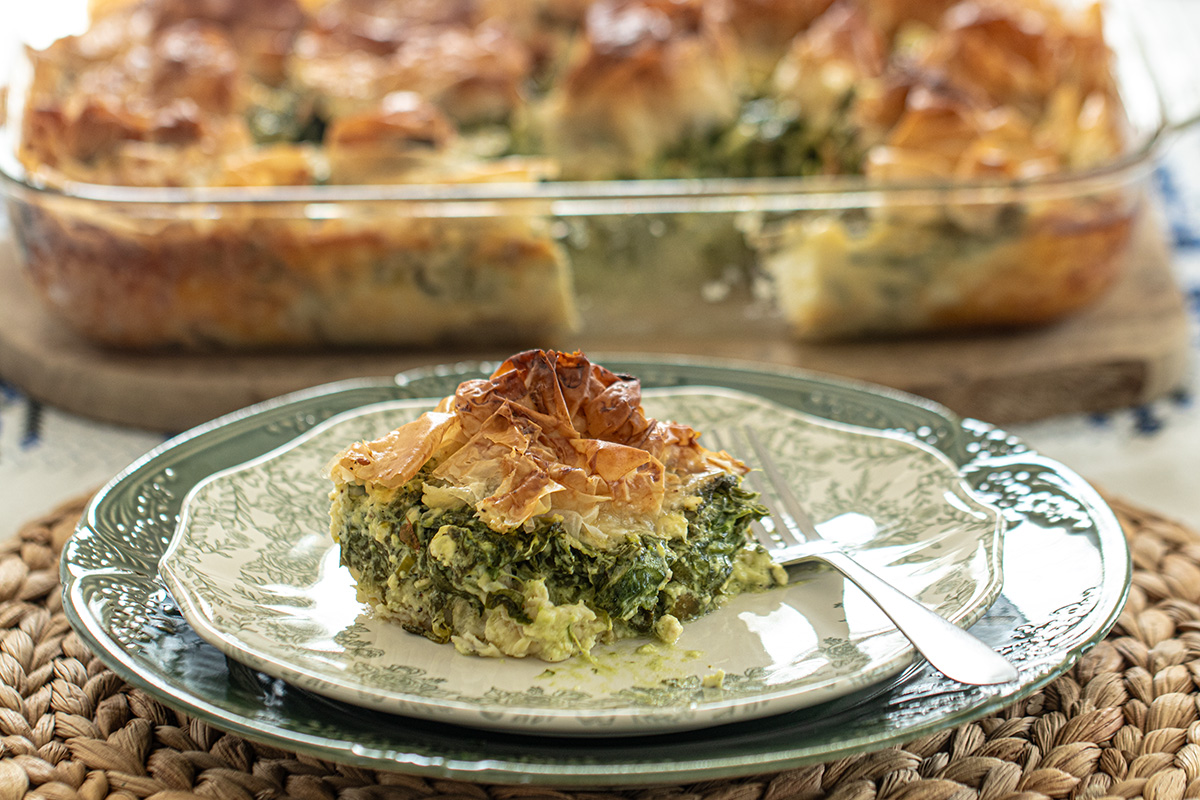
A single slice of spinach and feta filo pie on a ceramic plate with visible flaky layers and a small pile of herbs on the side

Common Questions

What is filo dough, exactly?

Filo is an unleavened dough rolled into ultra-thin sheets. It bakes up crisp and flaky when layered with fat, usually butter or oil. It is not the same as puff pastry, which rises because it has laminated butter layers built into the dough.

Do I have to thaw filo dough in the fridge?

You do not have to, but it is strongly recommended. Thaw it in the refrigerator for about 8 to 24 hours (depending on your fridge and the brand), and keep it wrapped until you are ready to use it. A slow thaw helps prevent condensation, which can make the sheets sticky and prone to tearing. If you are in a hurry, some brands thaw at room temperature while still wrapped, so check your package directions.

My filo keeps tearing. What am I doing wrong?

Usually it is drying out. Keep the stack covered with a towel (slightly damp is fine, just not wet). And remember: small tears are normal. Patch with another piece, brush with butter, and keep going.

Can I use olive oil instead of butter?

Absolutely. Butter gives deeper flavor and browns a little more richly, but olive oil works great. If you want the best of both worlds, do half butter and half olive oil.

How do I keep the bottom from getting soggy?

Squeeze the spinach very dry, cook off moisture in the skillet, and let the filling cool a bit before assembling so steam does not soften the filo. Also, use enough butter between layers so the bottom fries a little as it bakes.

The first time I worked with filo dough, I treated it like it was going to file a formal complaint if I looked at it wrong. Then I watched a cook casually slap torn sheets into a pan, brush butter like they were painting a fence, and pull out a pie so crisp it sounded like walking on fresh snow. That is the energy I bring now.

This is the kind of dish I make when I want something that feels a little special but still lives comfortably in a weeknight. It is also my favorite way to convince someone who says they “do not like spinach” that maybe they just have not met spinach wrapped in buttered filo yet.