Mom's Best Recipes
Recipe

Spinach and Ricotta Lasagna

A vegetarian lasagna with sautéed spinach, lemon-zested ricotta, mozzarella, and marinara, plus tips to keep it thick, sliceable, and never watery.

Author By Matt Campbell
4.8
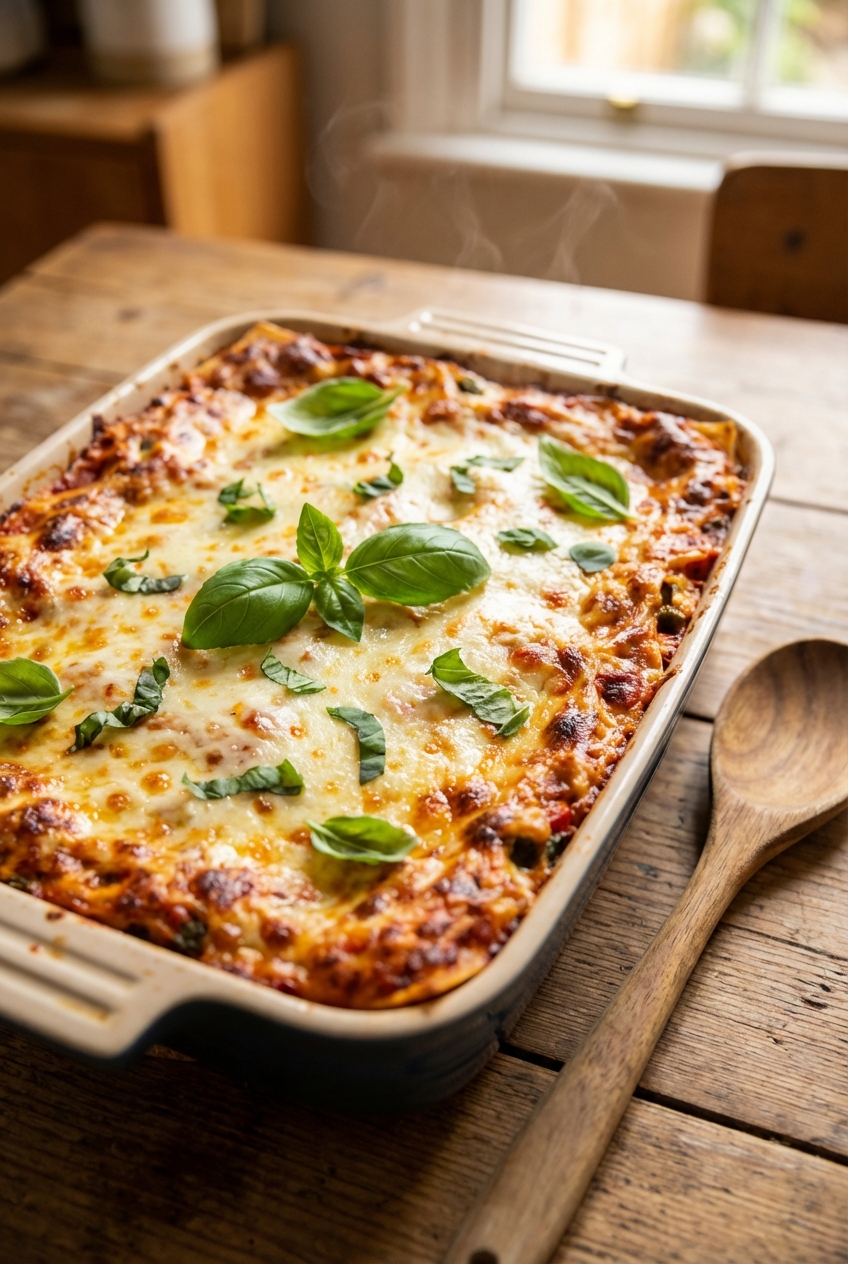
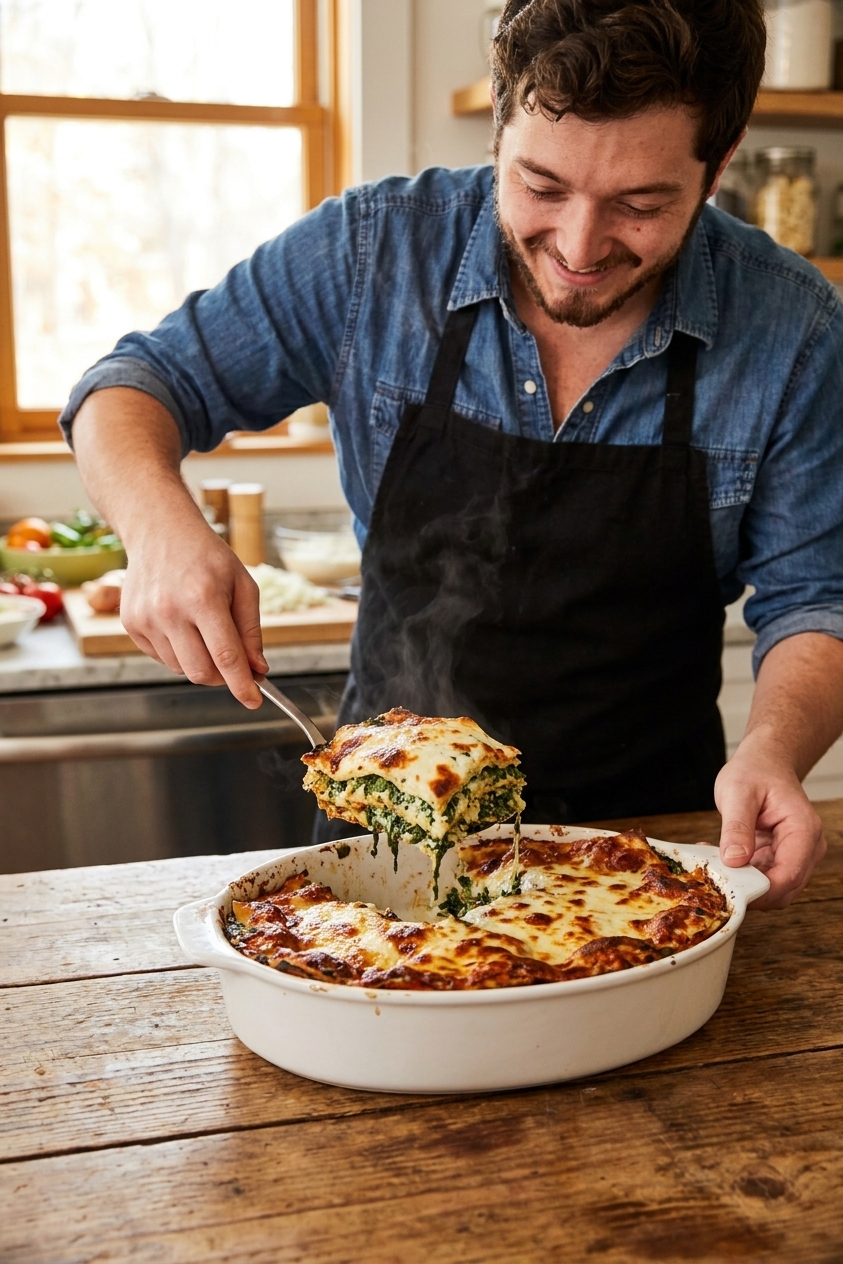
A single real photograph of a bubbling vegetarian spinach and ricotta lasagna in a white ceramic baking dish on a wooden table, with browned mozzarella on top and a spatula lifting one square slice

This is my kind of lasagna: cozy, cheesy, and a little bright. We are loading it with sautéed spinach (not soggy spinach), a ricotta filling that gets a wake-up call from lemon zest, and enough mozzarella to make the edges crisp and the middle pull like it means it.

It is vegetarian, weeknight-friendly if you break it into steps, and also totally dinner-party safe. If you want to level up, I included an optional mushroom ragu variation that makes it feel like the deep, slow-cooked kind of lasagna, without the meat.

One more thing: watery spinach lasagna is real, and it is avoidable. I will show you exactly how to keep your layers thick, sliceable, and not swimming.

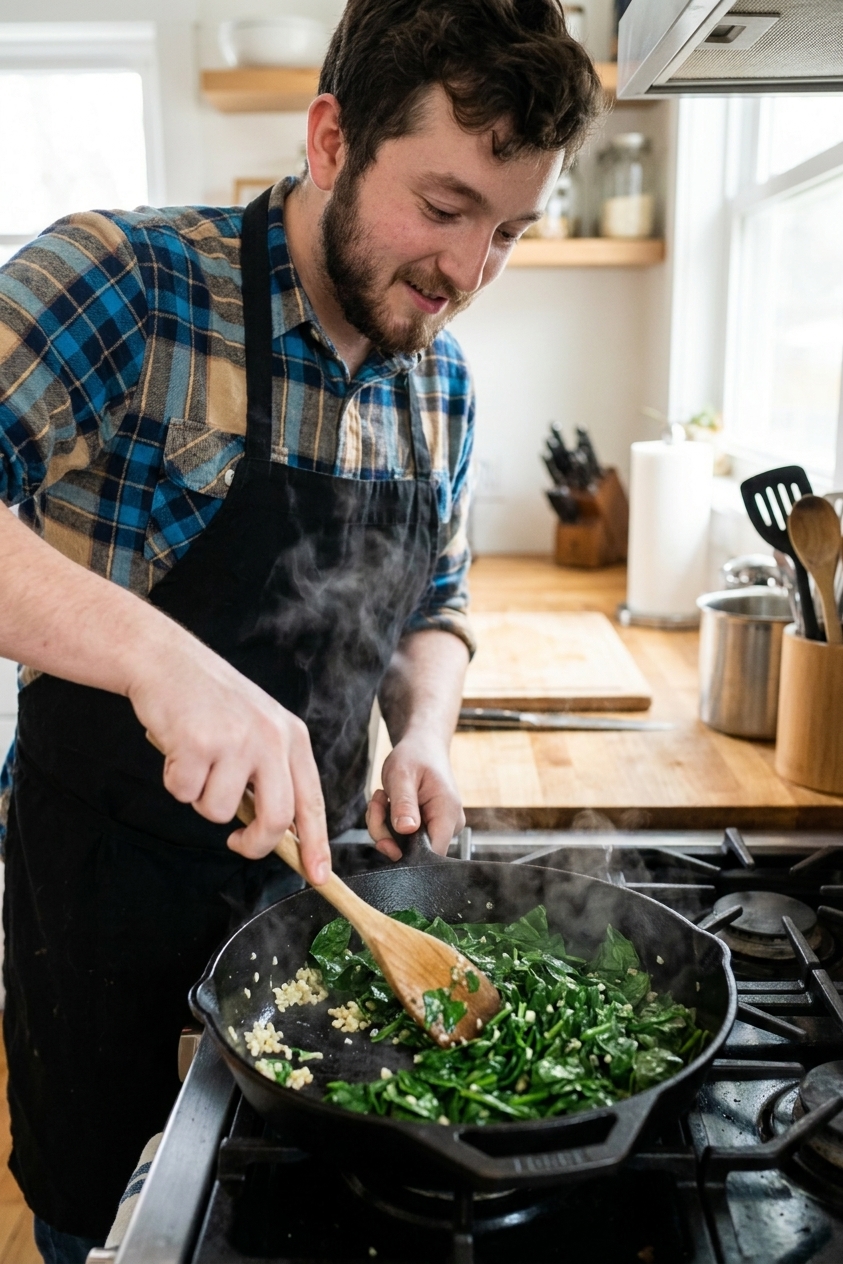
A single real photograph of chopped spinach sautéing with garlic in a black skillet, steam rising, with a wooden spoon stirring

Why It Works

  • Bright flavor without being “lemony”: lemon zest in the ricotta makes everything taste fresher and more balanced.
  • No watery layers: we sauté the spinach hard, then squeeze it dry and cool it so it does not leak into the cheese.
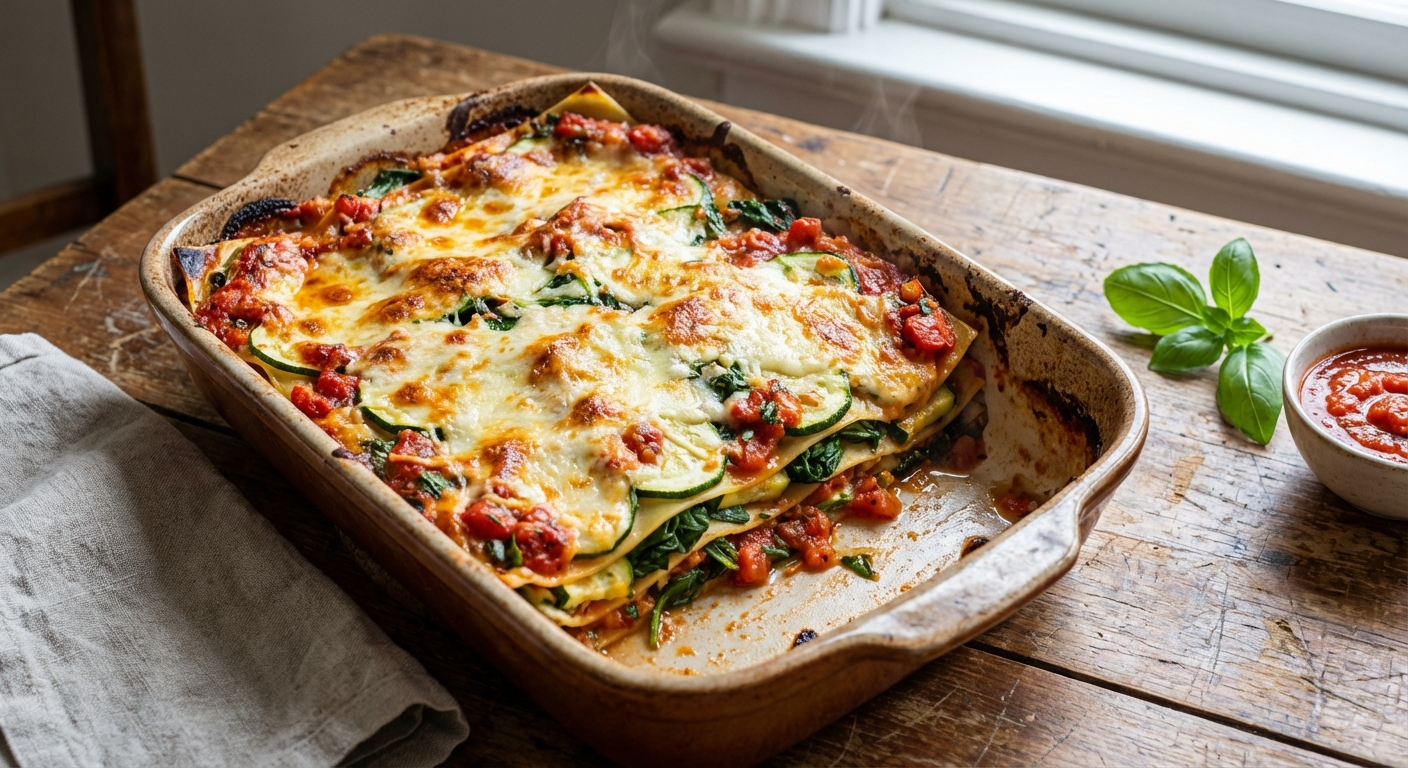
  • Great texture: saucy noodles, creamy ricotta, stretchy mozzarella, and those browned edges everyone fights over.
  • Flexible: use store-bought marinara for speed, or swap in the mushroom ragu variation for extra depth.

Pairs Well With

Storage Tips

How to Store It

  • Cool first: Let the lasagna rest at least 30 minutes (longer is fine). This helps it set, and it keeps steam from turning your storage container into a rainstorm.
  • Refrigerate: Store covered in the fridge for up to 4 days.
  • Freeze: Wrap portions tightly and freeze up to 3 months. For best texture, thaw overnight in the fridge before reheating.

Best Reheating

  • Oven (best): Cover with foil and bake at 350°F until hot, 20 to 30 minutes for a slab. Uncover for the last 5 minutes to re-crisp the top.
  • Microwave (fast): Add a splash of water or sauce to the plate, cover loosely, and heat in bursts. It keeps the noodles from drying out.

Common Questions

Watery Spinach Prevention

If you take nothing else from this page, take this: spinach needs to be cooked and squeezed. Here is the game plan.

  • Sauté to drive off moisture: Cook spinach until the pan is mostly dry and you hear a faint sizzle.
  • Cool, then squeeze: Put spinach in a clean towel (or multiple paper towels) and wring it out hard until no more liquid drips. Cooling first saves your hands and helps you squeeze more.
  • Use a target amount: After squeezing, you want about 1 to 1 1/2 cups packed spinach.
  • Do not add wet ricotta: If your ricotta looks watery, drain it in a fine-mesh strainer for 15 to 30 minutes.

Common Questions

Can I use frozen spinach?

Yes, and it is honestly convenient. Thaw completely, then squeeze it like you mean it, which in practical terms means until it stops dripping. For this recipe, you want about 10 ounces frozen spinach (one 10-ounce box), squeezed dry. As a reliability check, aim for 1 to 1 1/2 cups packed after squeezing.

Do I have to boil the noodles?

Not if you use no-boil noodles. If you use regular lasagna noodles, boil until just flexible, then cool on a sheet pan so they do not glue themselves together.

Any tips for no-boil noodles?

No-boil brands vary. If yours are very thick, you can stir a splash of water into the sauce, or add a few extra spoonfuls of sauce per layer. They are happiest when they are fully covered in sauce.

Can I assemble this ahead of time?

Yes. Assemble up to 24 hours ahead, cover, and refrigerate. Add 10 to 15 minutes of covered bake time if it is going into the oven cold.

Why add lemon zest to ricotta?

Ricotta and mozzarella are rich and mellow. Lemon zest adds aroma and a light, fresh finish without making the lasagna taste like citrus.

How do I know it is done?

The edges should be bubbling and the center should be hot. If you temp it, around 165°F in the center is a good sign, but the real key is the bubbling and the rest time so the slices hold.

I love a recipe that feels like a hug but still has some personality. The first time I tried lemon zest in a ricotta filling, it surprised me in the best way. Suddenly the whole pan tasted lighter, like you opened a window in a kitchen that had been simmering all day.

Now this is my go-to vegetarian lasagna for feeding people who think meatless equals sad. You pull out that first slice, the top is browned, the edges are crispy, and nobody misses anything.