Mom's Best Recipes
Recipe

Springerle Cookies

Traditional embossed German cookies with a crisp bite, clean designs, and a gentle anise aroma.

Author By Matt Campbell
4.8
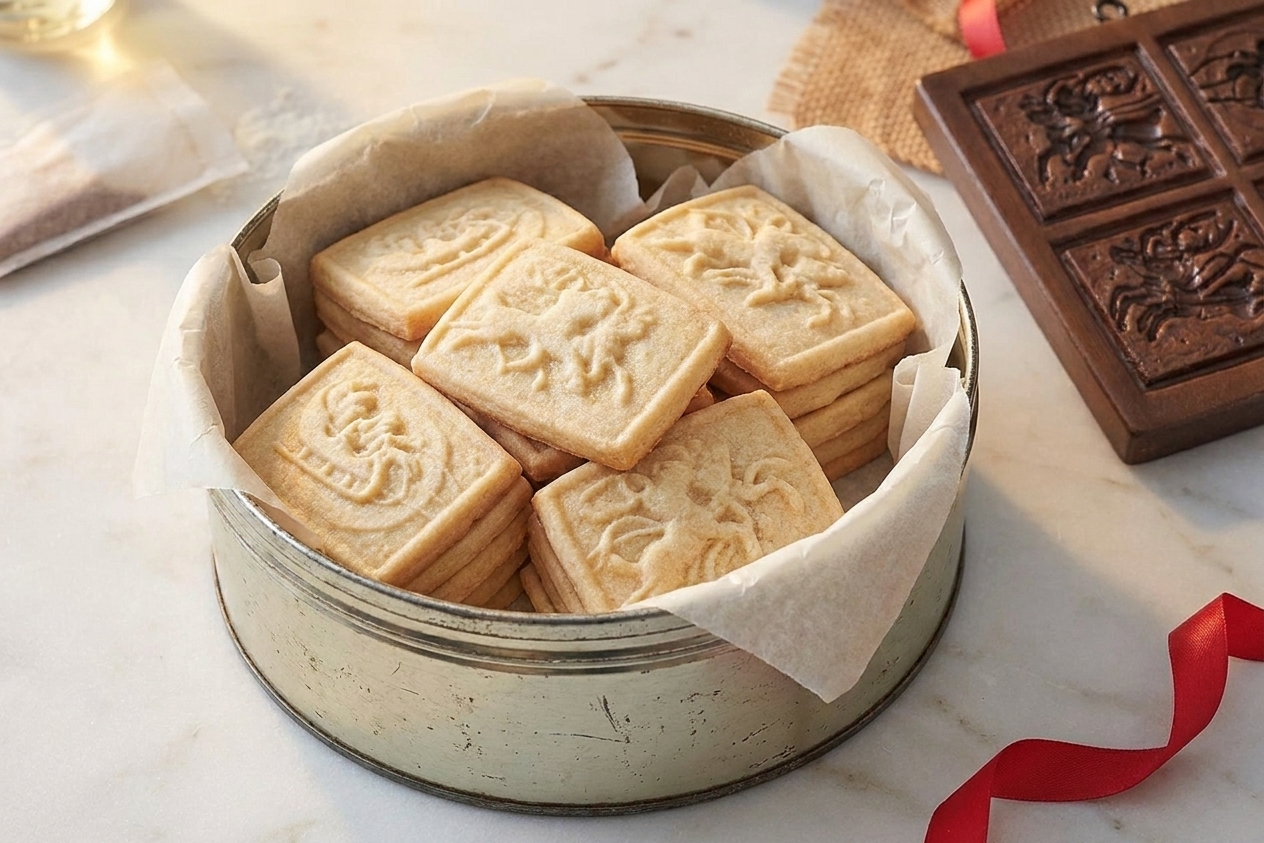
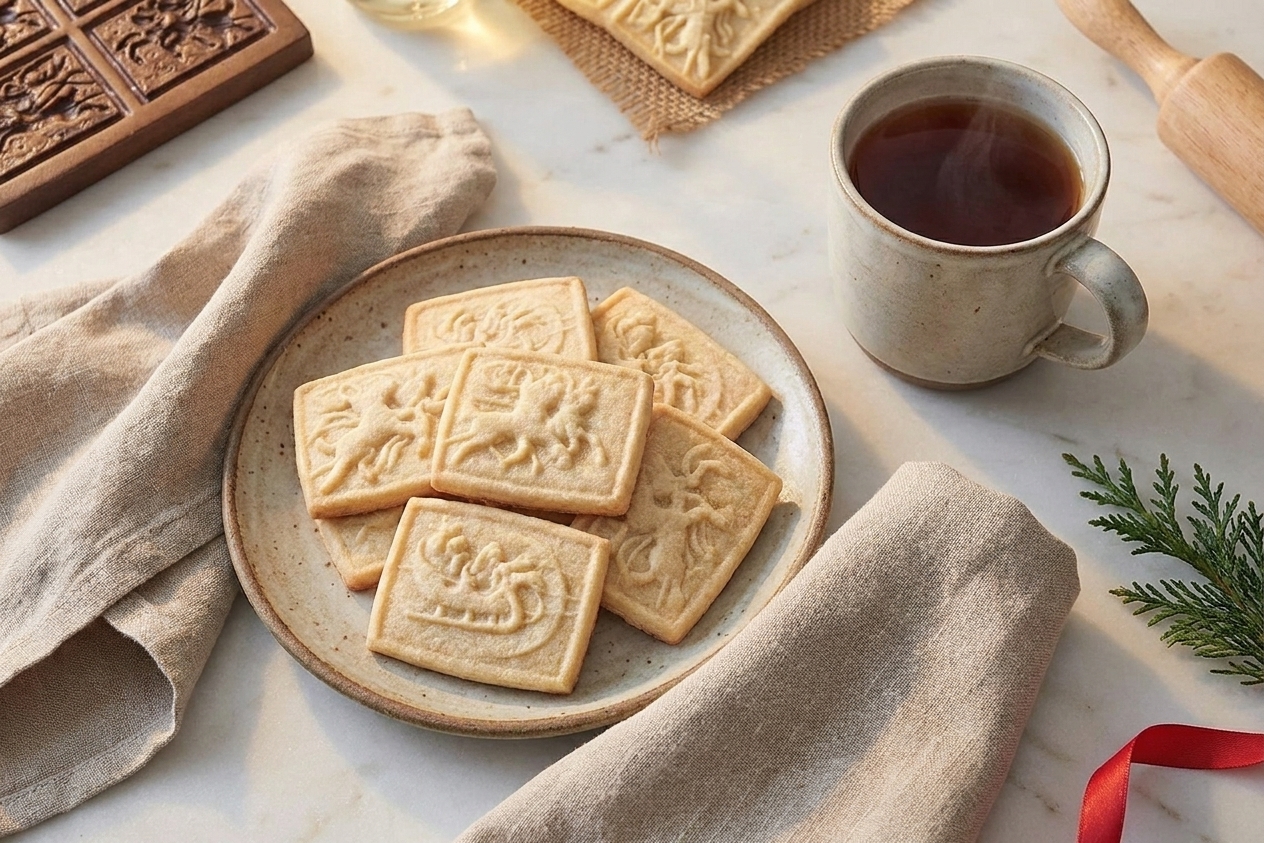
A plate of traditional Springerle cookies with crisp embossed designs and lightly golden bottoms on a simple wooden table setting

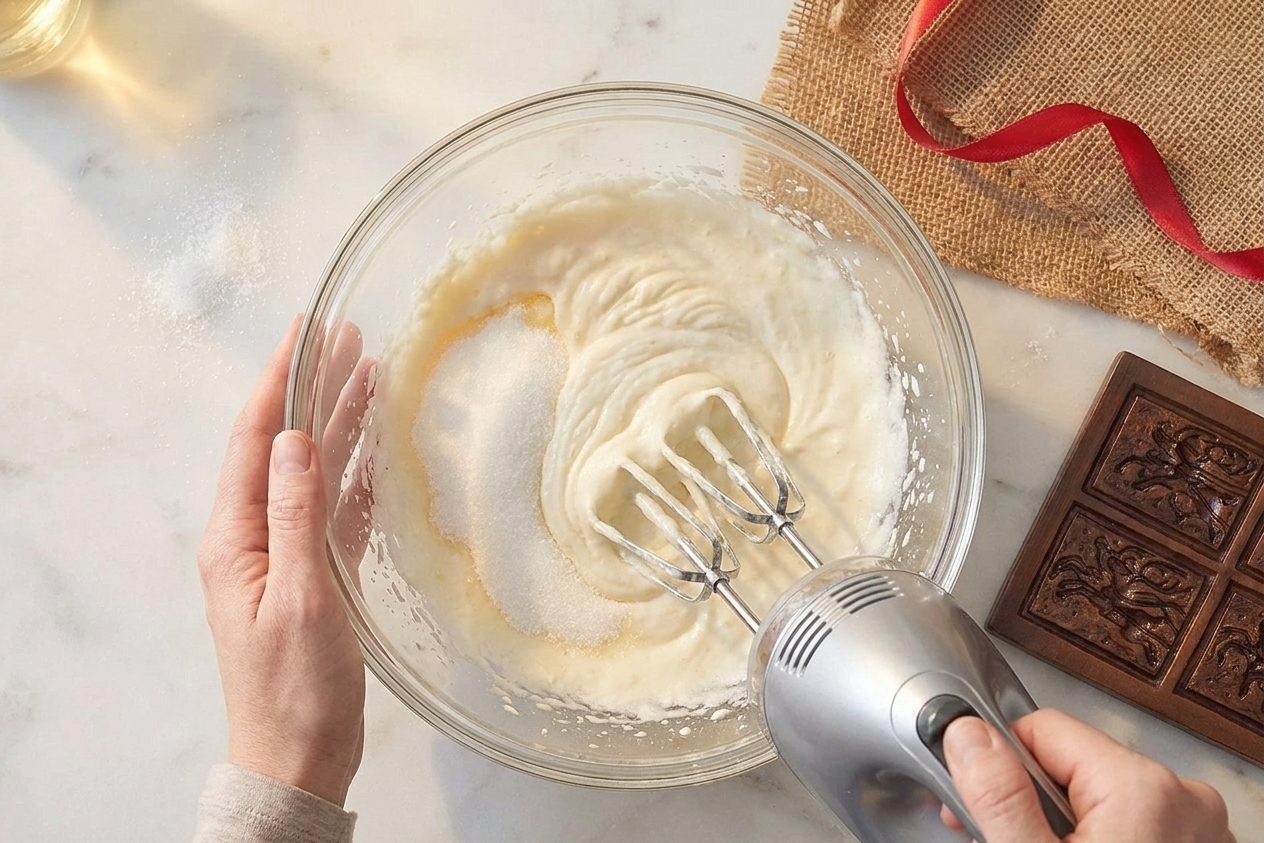
Springerle cookies are the kind of old-school holiday magic that feels almost too pretty to eat, but you do it anyway because they smell like sweet anise and cozy kitchens. They are crisp, lightly sweet, and stamped with those gorgeous designs that make people think you spent all day fussing. The secret is not fancy ingredients. It is patience: a good whip on the eggs and sugar, a firm dough, and a rest time that lets the design set so it bakes up sharp.

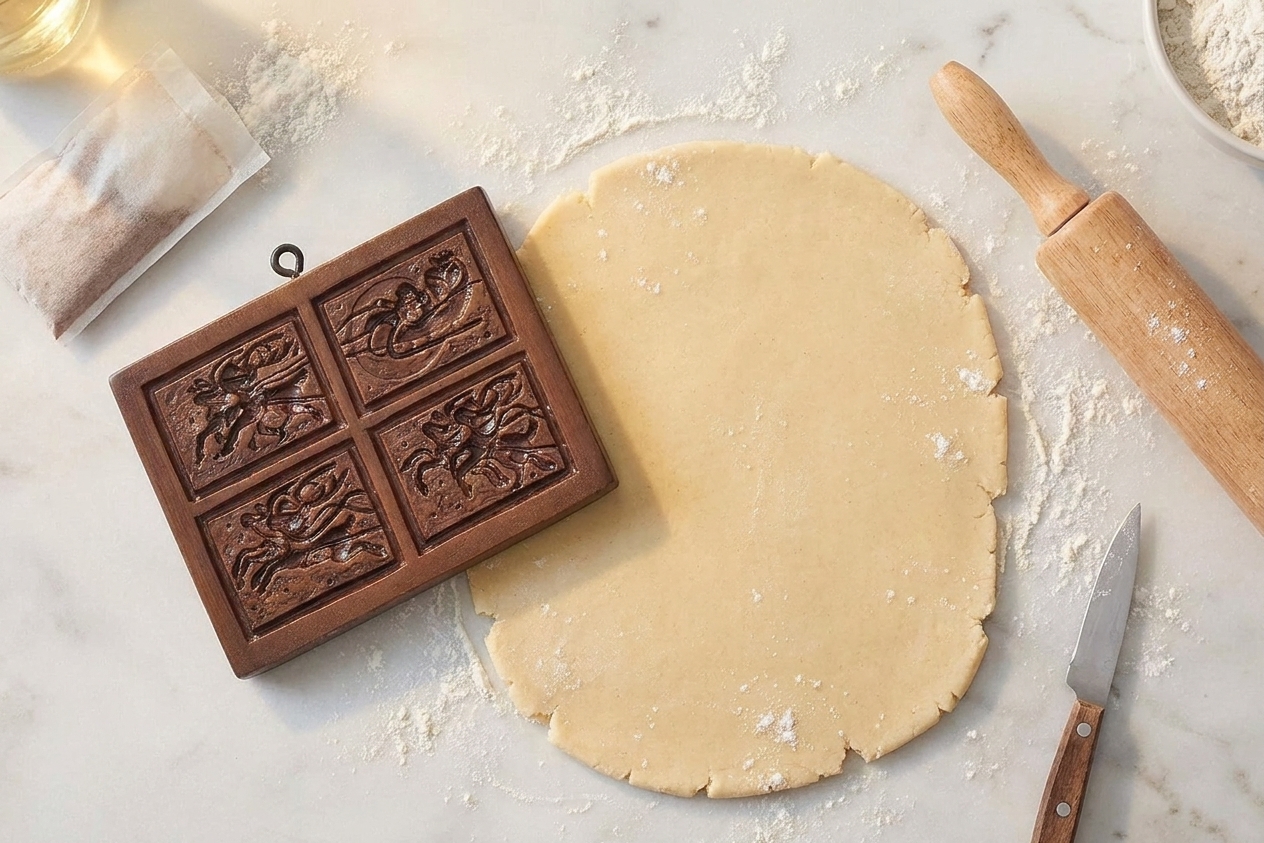
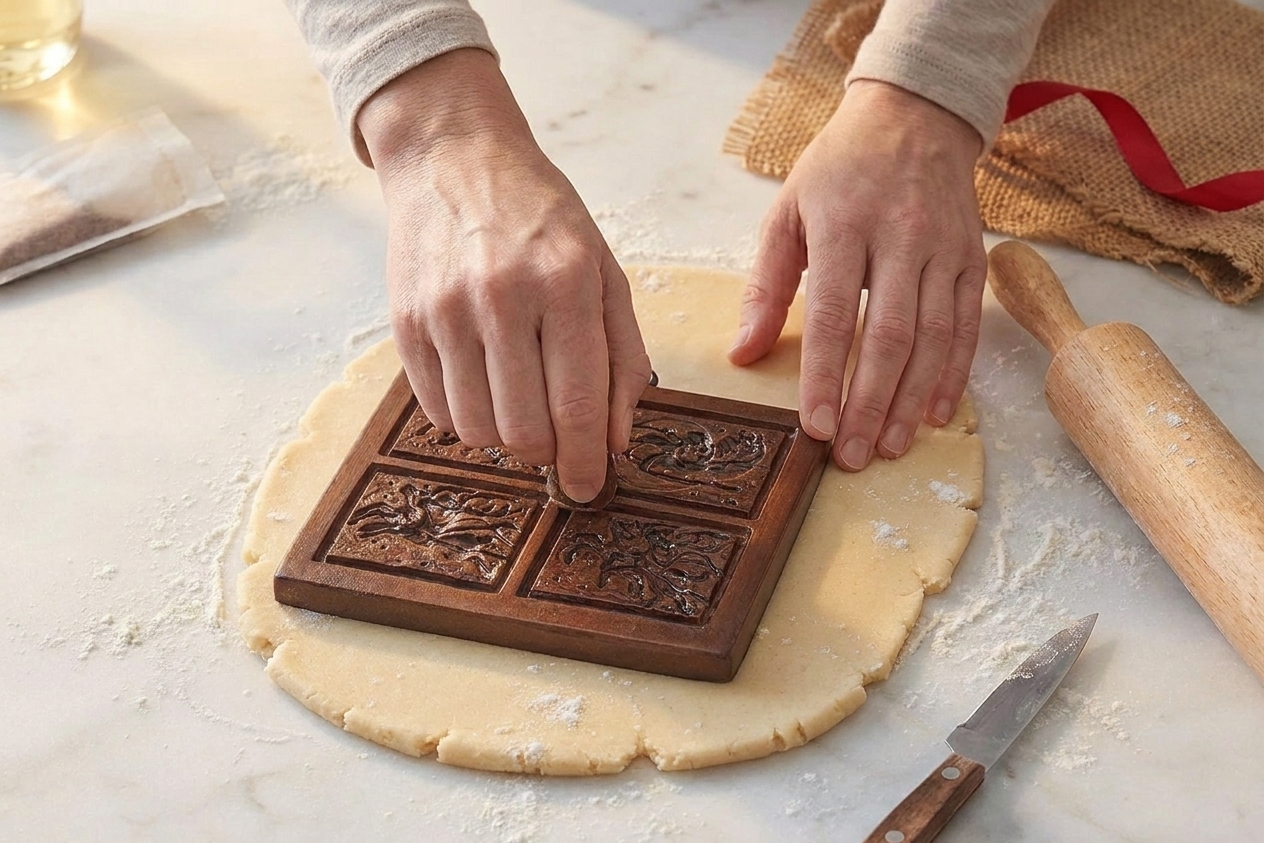
If you have a cookie mold or a rolling pin with a pattern, this is your moment. If you do not, you can still make them with any stamp or even a clean, patterned glass. The cookies will still taste like tradition and they will still disappear from the tin.

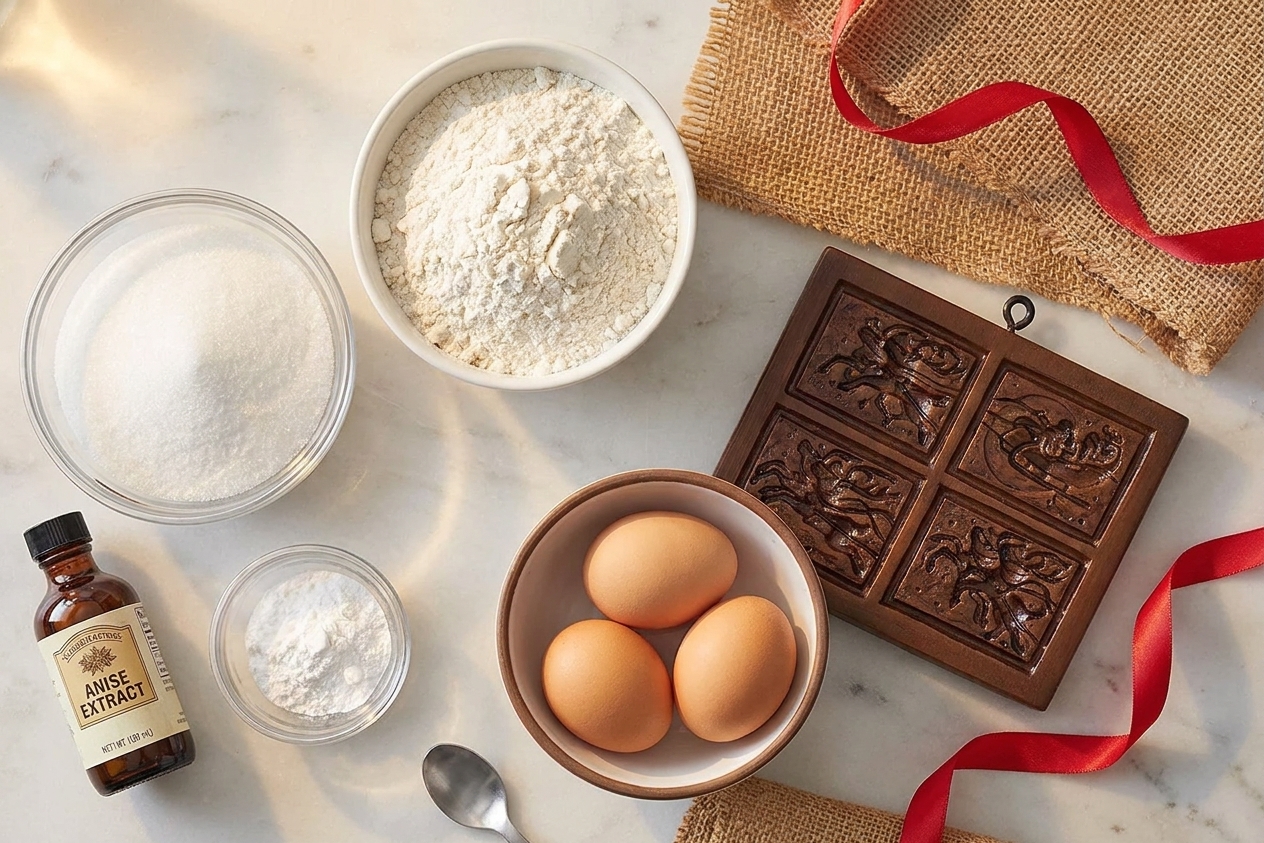
Measured ingredients for Springerle cookies on a kitchen counter, including flour, sugar, eggs, anise extract, and a small bowl of baking powder

Why It Works

  • Sharp, defined designs: Resting the stamped cookies before baking dries the surface so the imprint stays crisp.
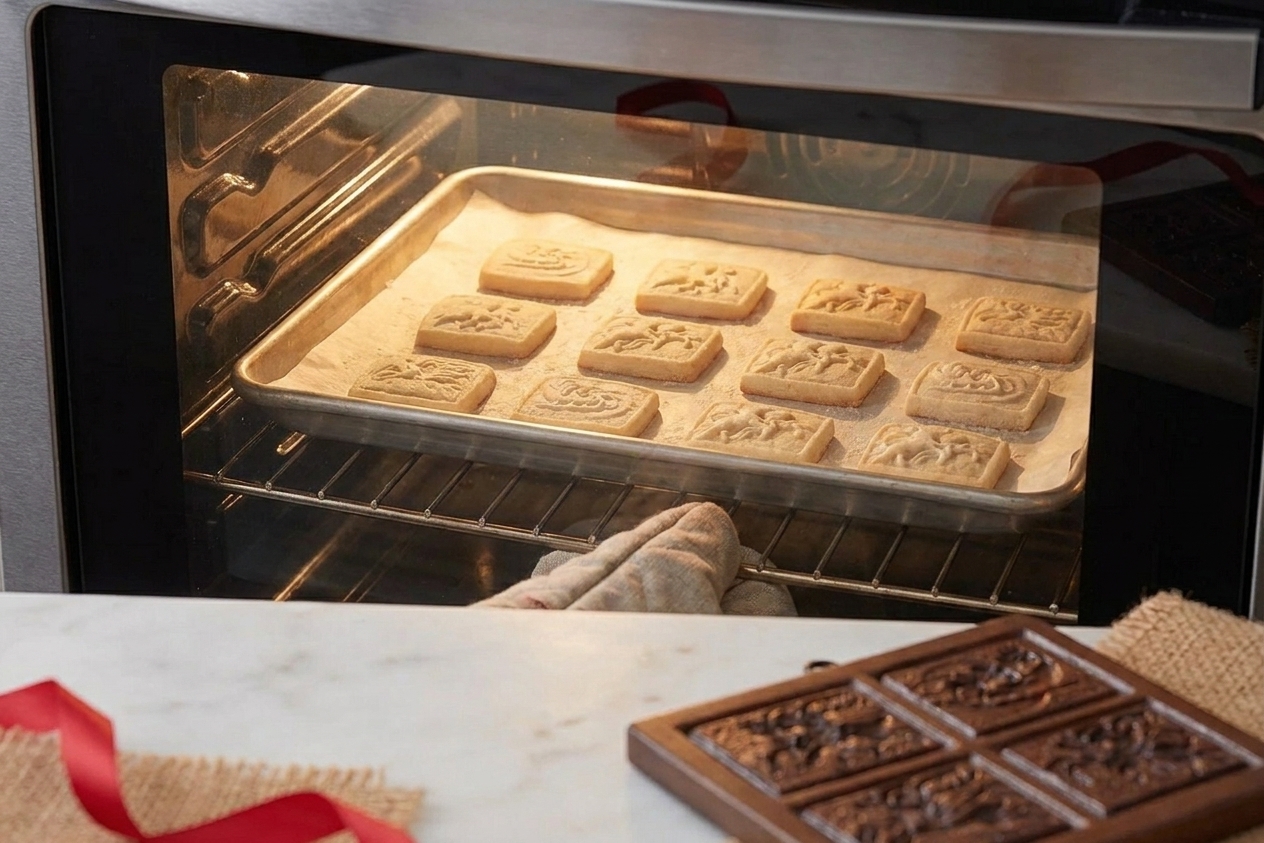
  • That classic “foot”: A small puffy base at the bottom is an expected visual cue during a proper low bake.
  • Crisp but not rock hard: A gentle bake sets the cookie without browning the tops, keeping the classic look and texture.
  • Big flavor from simple ingredients: Anise is traditional, but you can steer it toward citrus, almond, or spice with easy swaps.
  • Make-ahead friendly: These actually get better after a few days in a tin, which is my favorite kind of cookie planning.

Pairs Well With

Storage Tips

Room temperature: Store Springerle in an airtight tin or container for about 2 weeks. In many cool, dry kitchens they can keep even longer, but humidity is the wildcard, so use your best judgment.

To soften slightly (optional): If you like them less crisp, tuck a small piece of bread or a slice of apple in the container for 12 to 24 hours, then remove it. This gently adds moisture back.

Freezing: Freeze baked cookies in a freezer-safe container with parchment between layers for up to 2 months (often longer is fine, but texture is best in that window). Thaw at room temp. If you notice condensation, let them sit uncovered for 20 to 30 minutes, then cover.

Make-ahead dough: Wrap dough tightly and refrigerate up to 2 days. Let it sit at room temp 20 to 30 minutes so it is easier to roll and stamp.

Common Questions

Do Springerle cookies have to rest before baking?

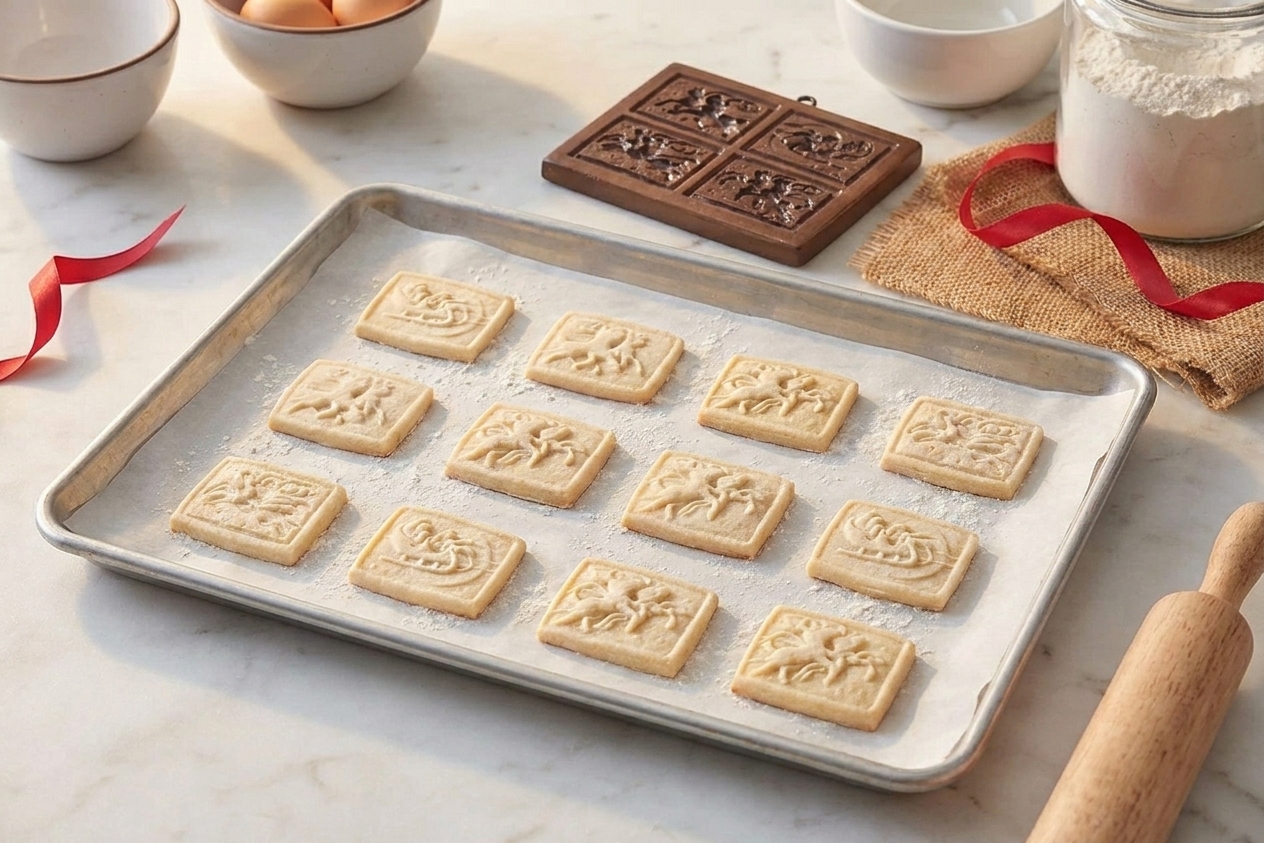
For the classic look, yes. The rest time (usually 12 to 24 hours) dries the surface so the design stays crisp and raised. If you bake immediately, the imprint can soften and spread. You are aiming for a dry-to-the-touch “skin” on top. The bottoms may still feel a little tacky, and that is normal.

What is that little puffy base (the “foot”)?

That is the classic Springerle foot, and it is a good sign. During the low, gentle bake, the cookie lifts slightly and forms a small ridge at the bottom while the stamped top stays defined and pale.

Why are my designs blurry or not showing up?

The usual culprits are warm dough, not enough flour on the mold, dough rolled too thick, or not enough drying time. Too much leavening can also puff and soften details. Chill the dough if it feels soft, dust the mold lightly, roll around 1/4 inch, and let the stamped cookies rest until the tops feel dry. Press firmly and evenly when stamping.

Do Springerle cookies taste strongly like licorice?

They can if you go heavy on anise. This recipe keeps it balanced. You can also use half anise and half vanilla, or swap to lemon or almond for a gentler flavor.

Why do traditional recipes bake them on anise seed?

It adds aroma and a very traditional touch, and it can help with release for some bakers. If you do not love biting into seeds, use parchment and add anise flavor with extract instead.

What is baker’s ammonia, and can I use it?

Baker’s ammonia (hartshorn, ammonium carbonate) is the old-school leavening used in many traditional Springerle recipes. It helps cookies bake up dry and crisp with sharp details. Baking powder is the convenient modern substitute used here. If you try baker’s ammonia, follow the amount in a trusted Springerle recipe, and make sure your kitchen is well ventilated because the smell is strong during baking but dissipates as the cookies cool.

Should the tops brown?

No. You want pale tops with just a light golden bottom. If the tops brown, your oven is likely running hot. Drop the temperature 10 to 15 degrees Fahrenheit next time.

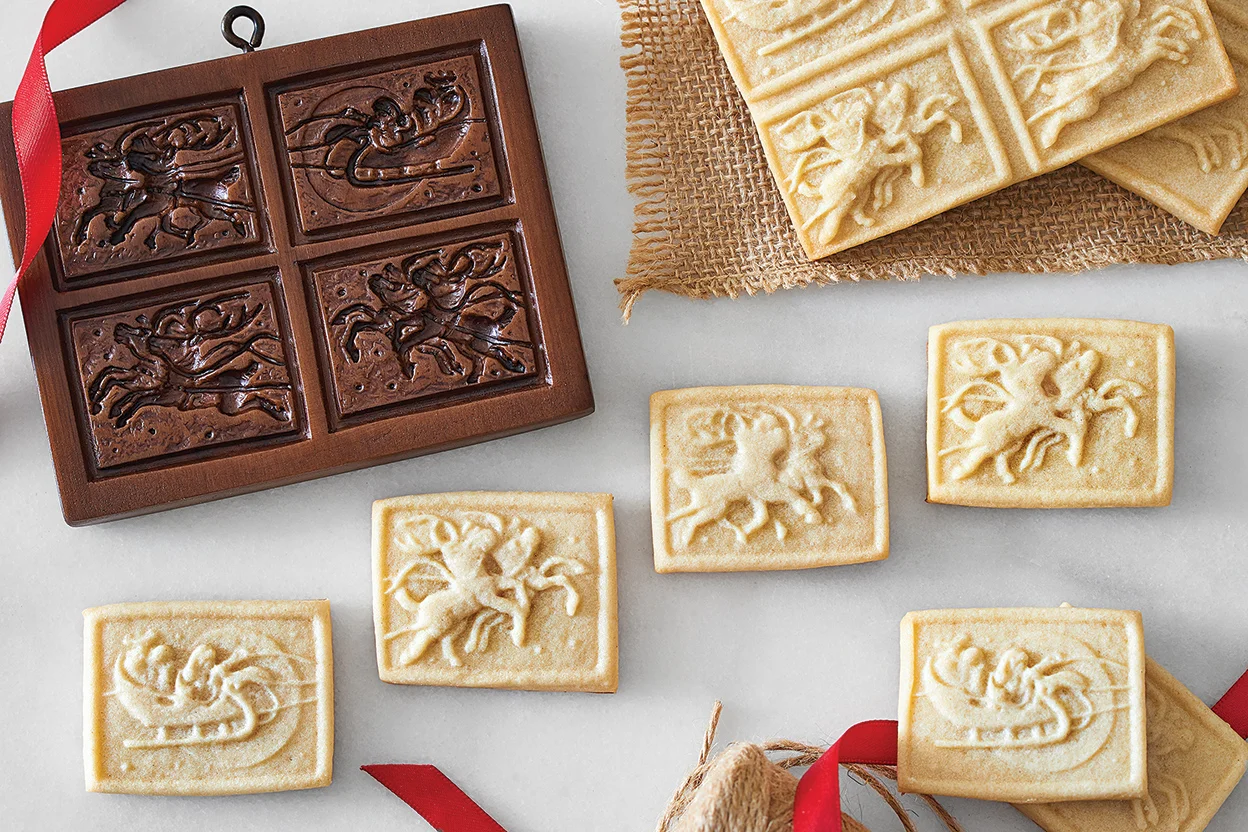
The first time I made Springerle, I was way too confident and treated them like regular cutout cookies. I stamped, I baked, and I watched my beautiful little designs slowly blur into “mystery blob chic.” Now I do it the calm way: whip the eggs until they look like a ribbon, keep the dough on the firmer side, and let the stamped cookies rest overnight like they are doing a skincare routine. The next day, the designs bake up clean and crisp, and the whole kitchen smells like old-school holiday anticipation.