Mom's Best Recipes
Recipe

Sticky Ginger Chicken

Crisp-edged chicken coated in a glossy ginger-garlic sauce with soy, honey, and lime.

Author By Matt Campbell
4.8
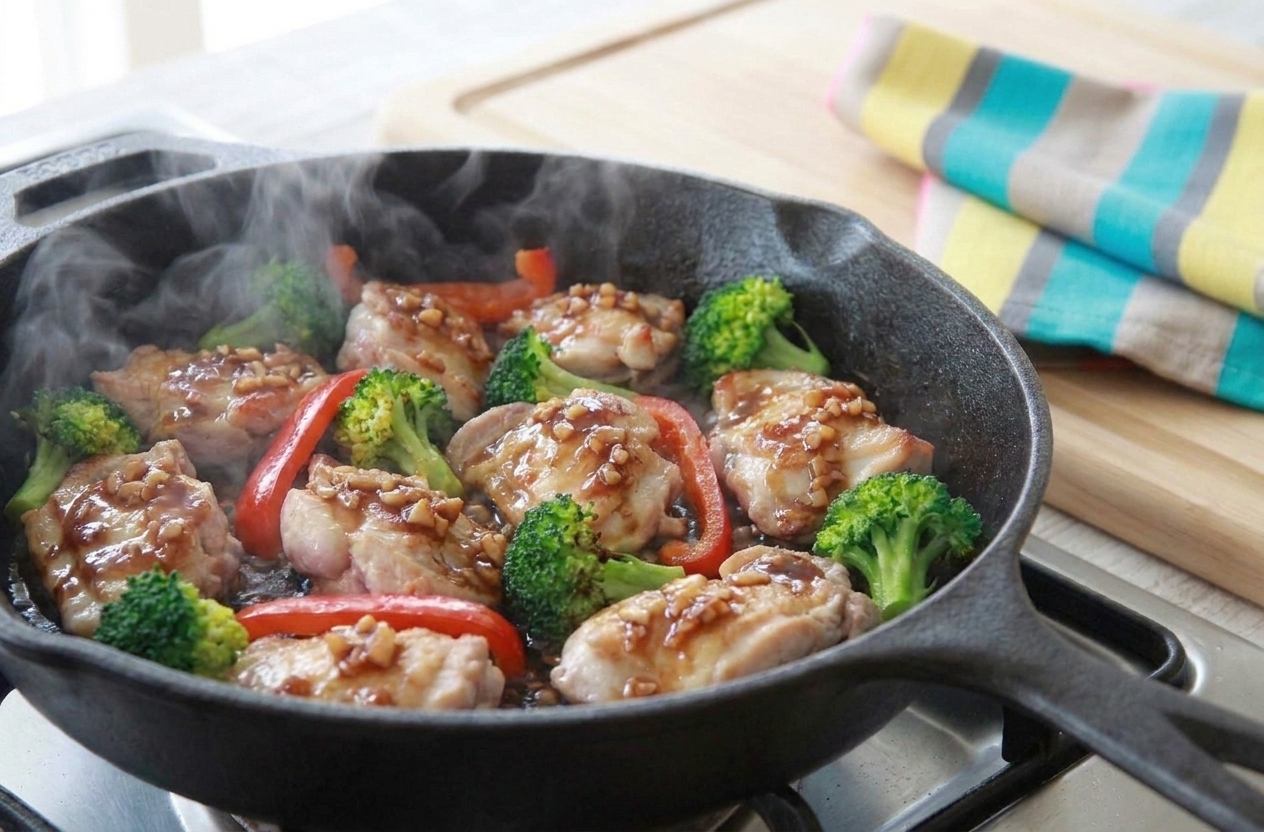
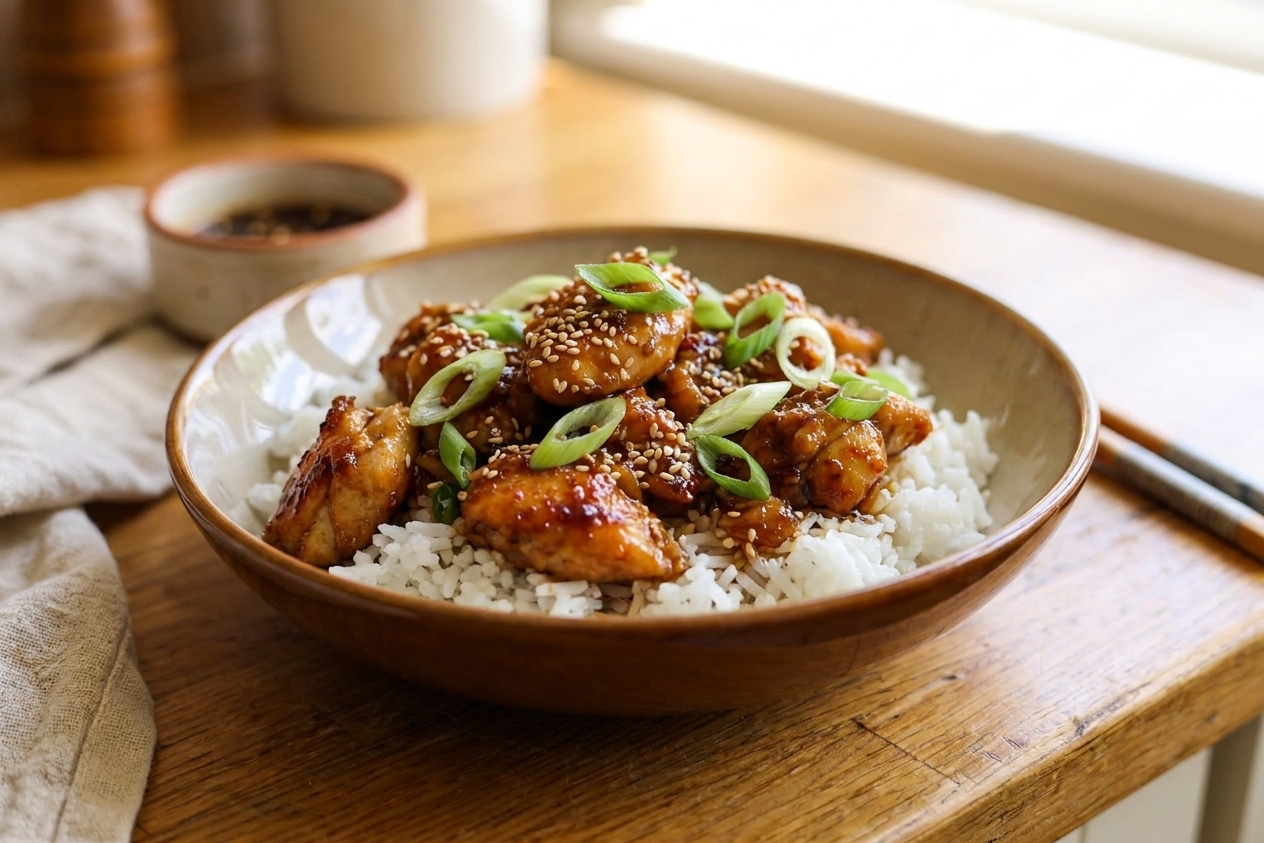
A cast iron skillet filled with glossy sticky ginger chicken pieces topped with sliced green onions and sesame seeds, with a small bowl of rice nearby on a warm kitchen counter

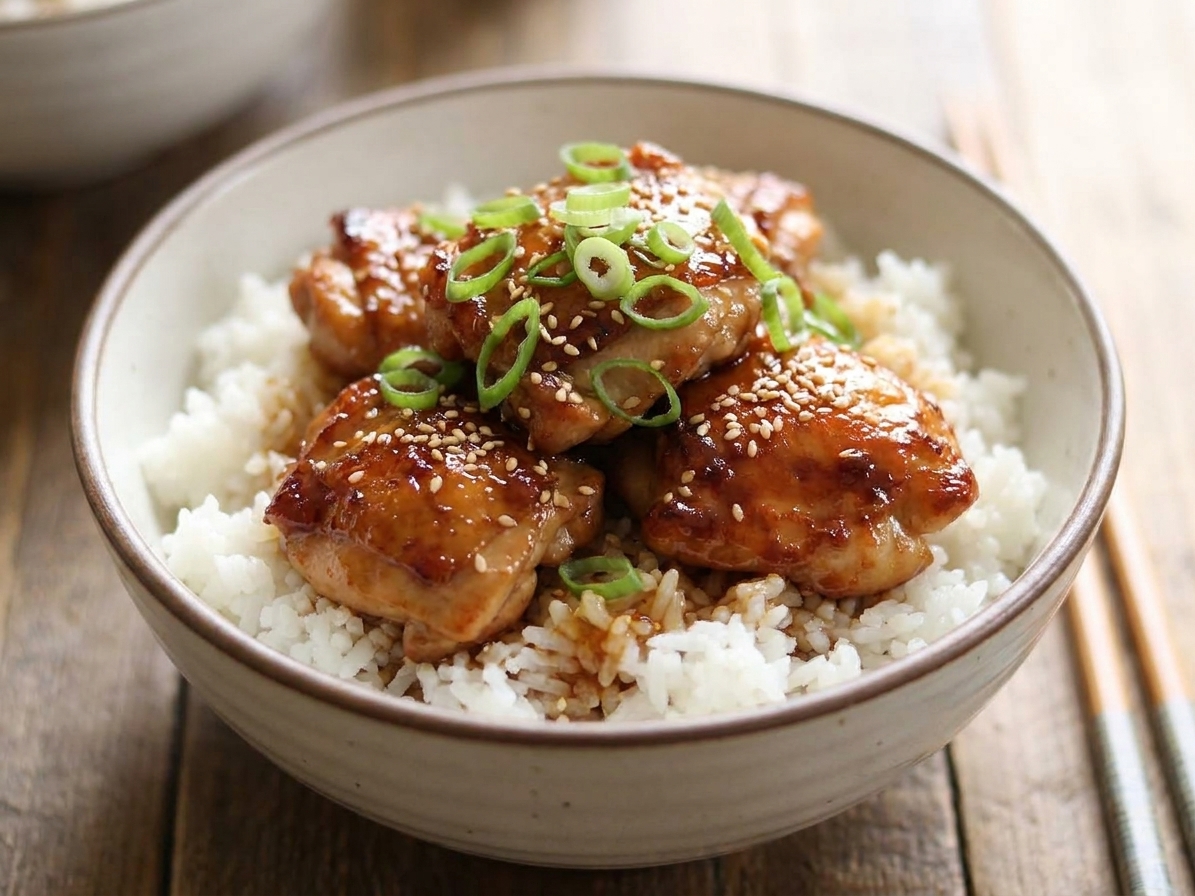
Ginger chicken is one of those dinners that feels like you actually tried, even when you did not. You sear some chicken, you build a quick sauce that smells like ginger and garlic doing the most, and suddenly your kitchen has that takeout-adjacent energy. The good kind.

This version goes for crisp edges and a bright, sticky sauce that clings to every bite. It is sweet-salty, a little tangy from lime, and just spicy enough to keep you awake through the last forkful.

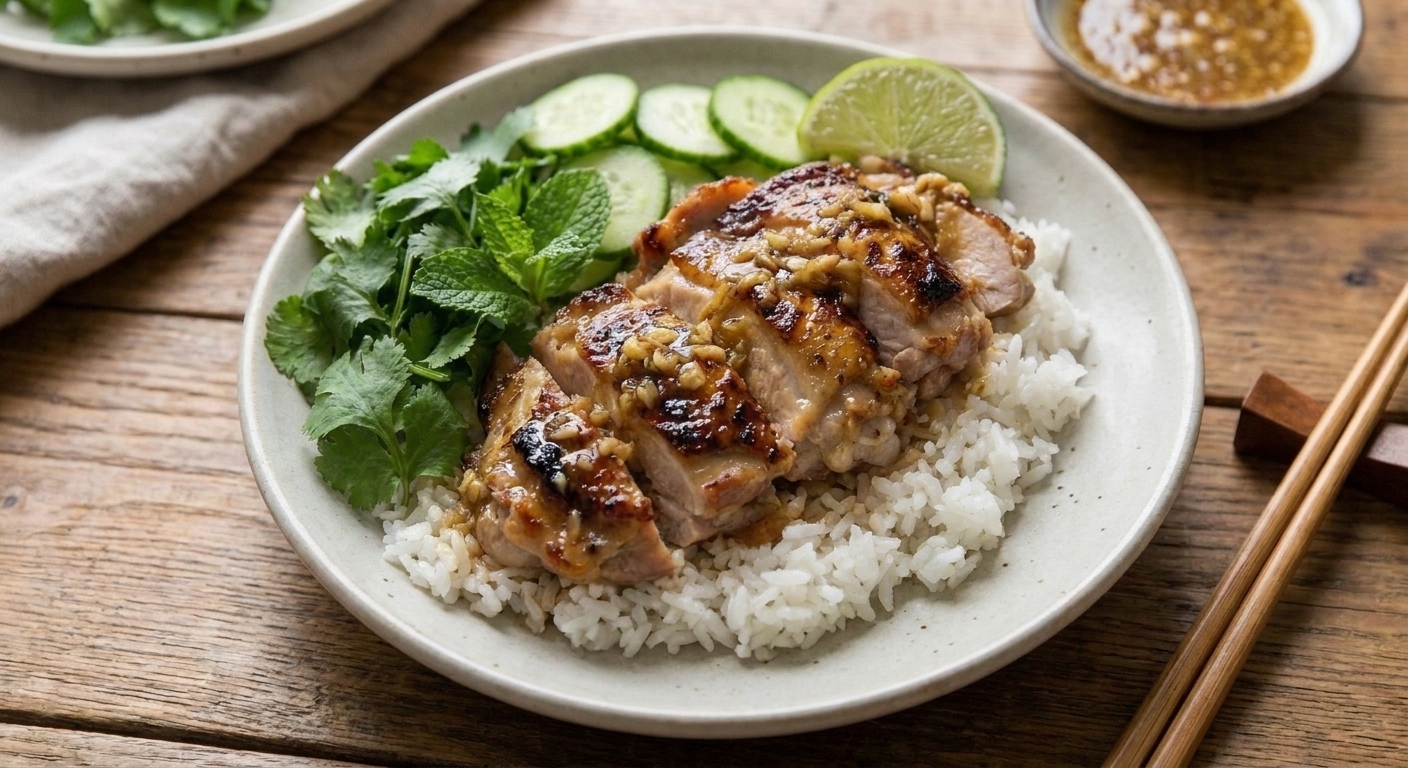
Serve it over rice, noodles, or whatever cozy carb you have on standby. And yes, tasting as you go is encouraged.
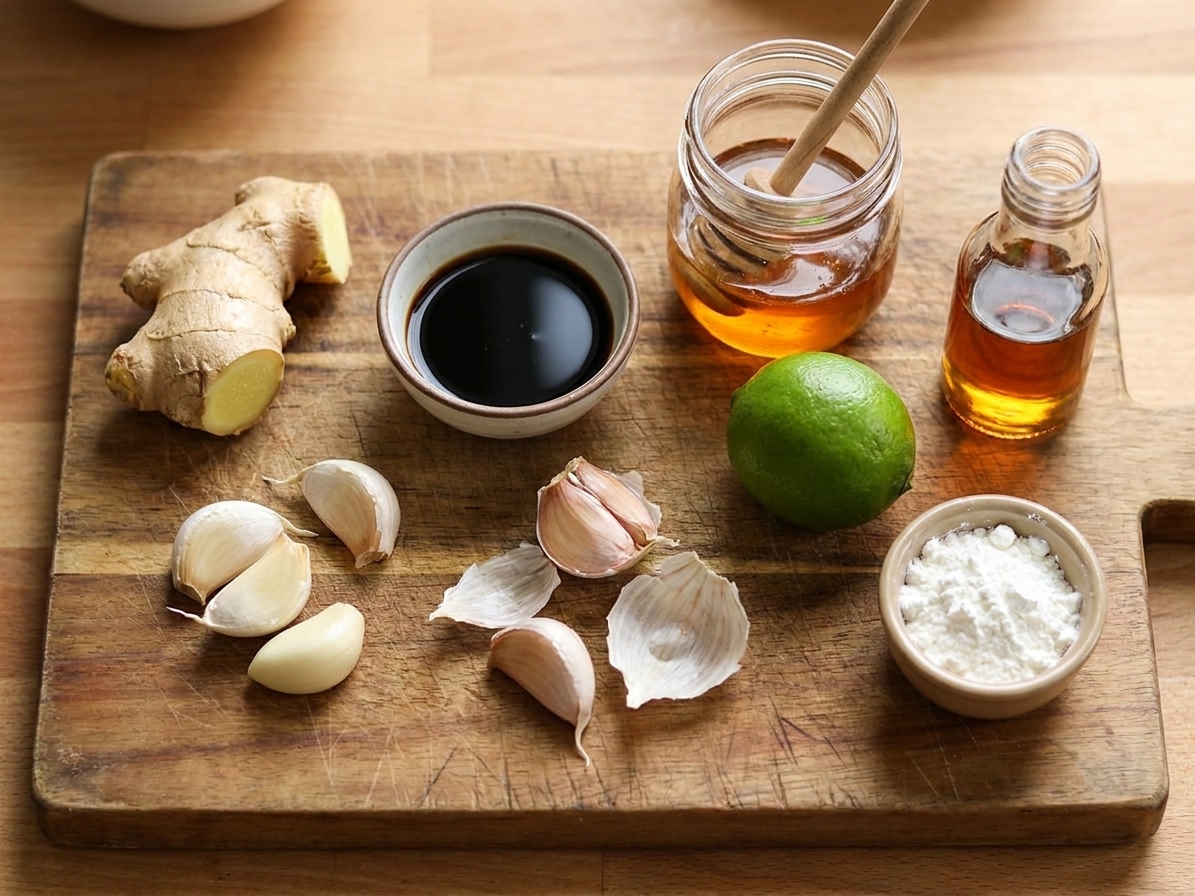
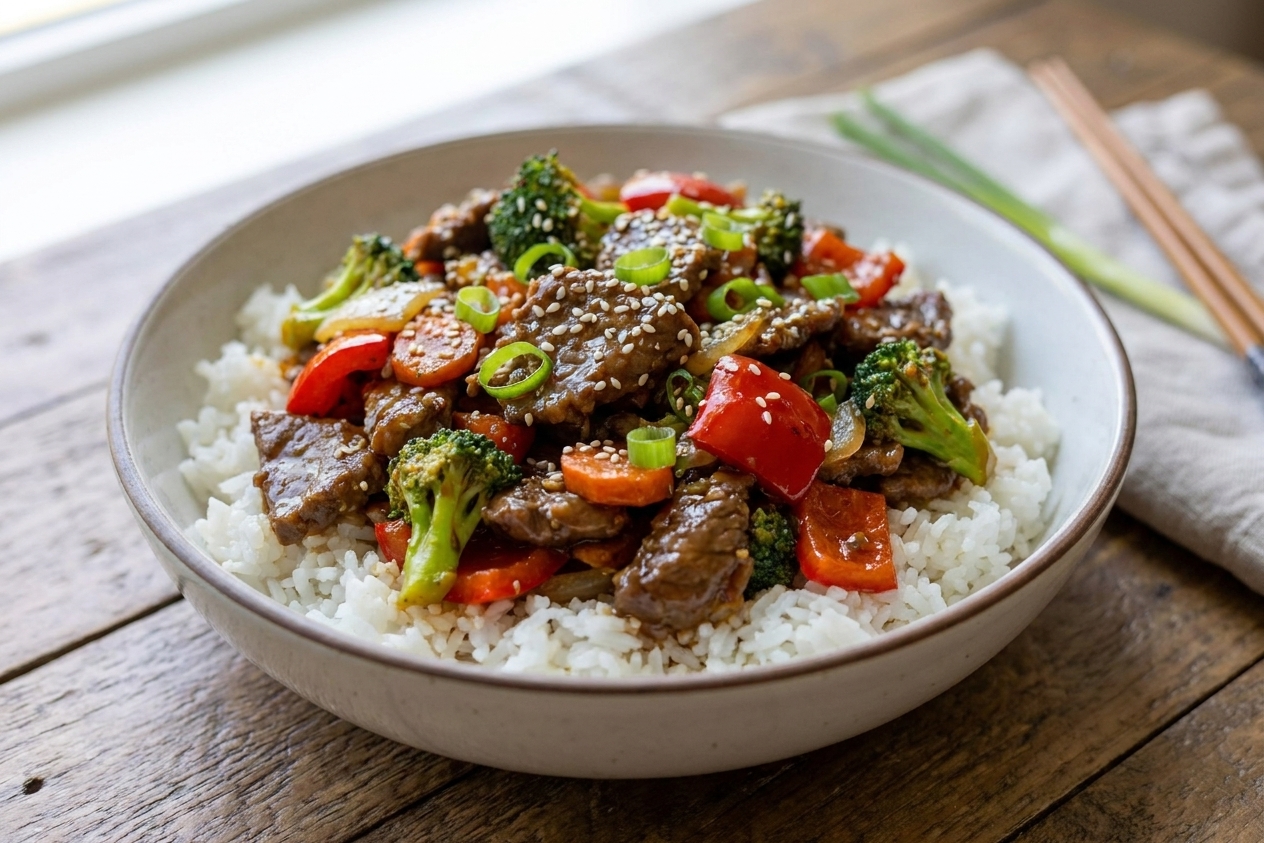
Fresh ginger, garlic, soy sauce, honey, lime, sesame oil, and cornstarch arranged on a wooden cutting board beside a small bowl

Why It Works

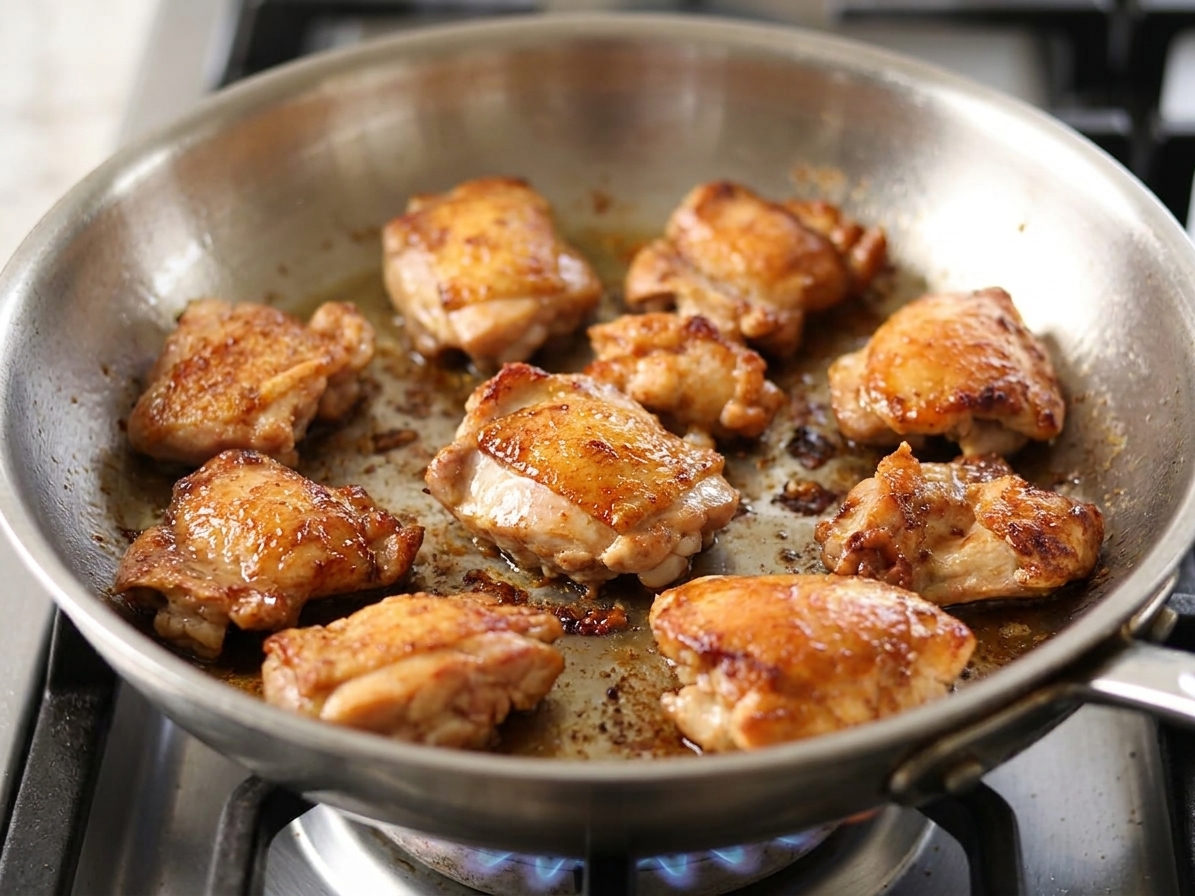
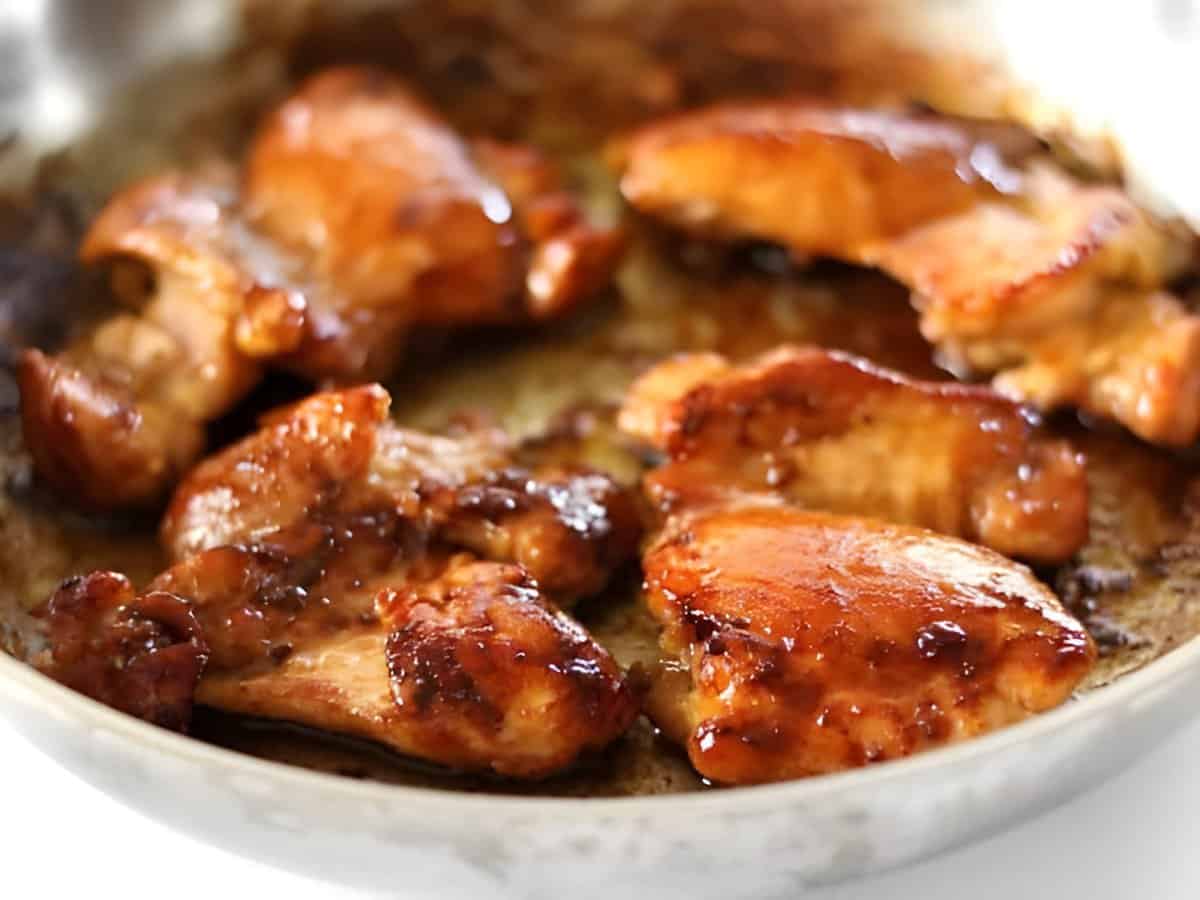
  • Crisp chicken, glossy sauce: Searing first builds flavor fast, then the sauce reduces into that shiny coat-you-can-see finish.
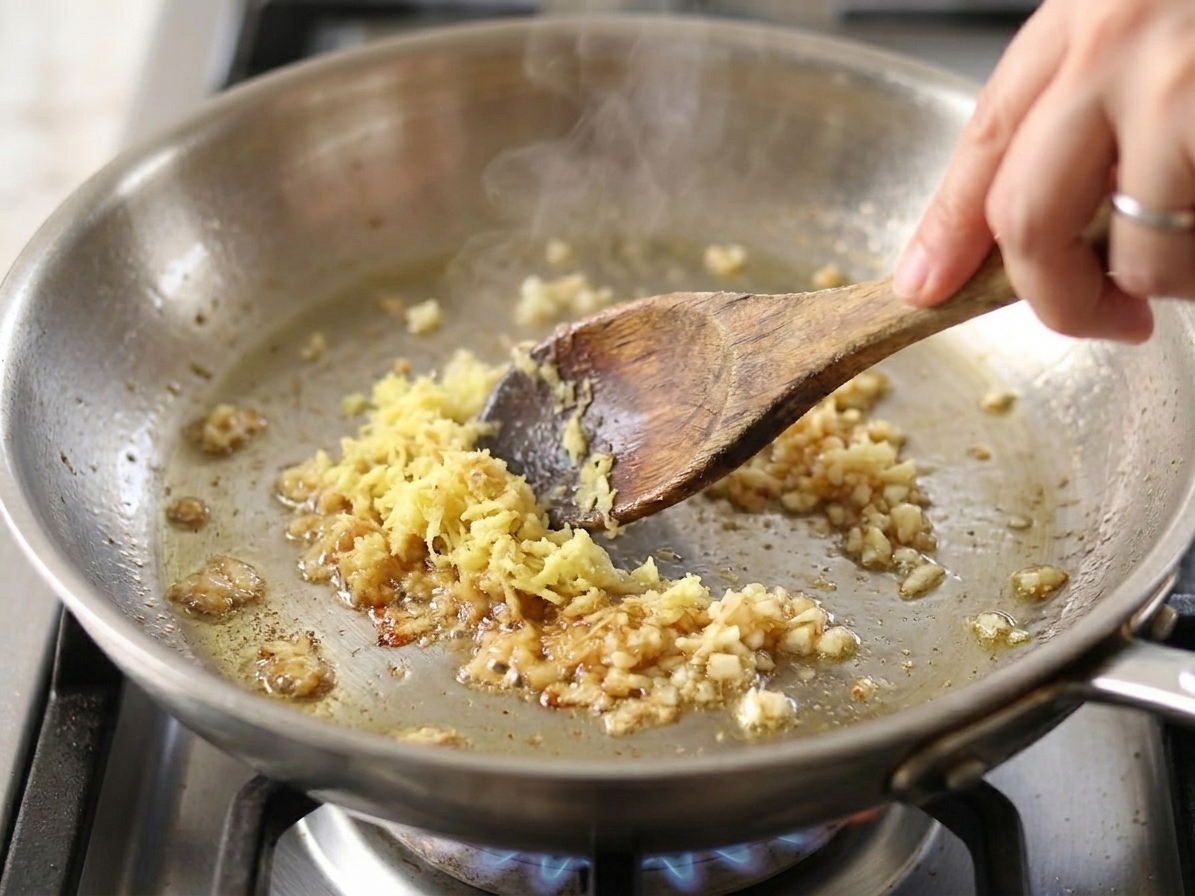
  • Big ginger flavor without being sharp: Fresh grated ginger blooms in the pan so it tastes warm and fragrant, not raw.
  • Flexible heat and sweetness: You control the kick with red pepper flakes or sriracha, and the stickiness with honey (or brown sugar).
  • Weeknight-friendly: One skillet, simple ingredients, and no complicated marinating schedule required.

Pairs Well With

Storage Tips

Refrigerate: Store cooled ginger chicken in an airtight container for up to 4 days. Keep rice separate if possible so everything reheats evenly.

Freeze: Freeze in a freezer-safe container for up to 2 months. The sauce may loosen a bit after thawing, which is not a problem.

Reheat: Warm in a skillet over medium-low with a splash of water to loosen the sauce, 3 to 6 minutes. Microwave works too, but cover it so the chicken stays juicy.

Meal prep tip: If you are packing lunches, add a lime wedge and a handful of sliced cucumbers or quick pickles for a fresh, crunchy moment.

Common Questions

Can I use chicken breast instead of thighs?

Absolutely. Chicken breast cooks faster and dries out faster, so cut it into even 1-inch pieces and pull it off the heat as soon as it hits 165°F. (Thighs are also safely cooked at 165°F, though some people take them a little higher for an even juicier, more tender bite.) Thighs are more forgiving, which is why I love them here.

Do I have to use fresh ginger?

Fresh ginger is the main character, so it is worth it. In a pinch, you can use 1 teaspoon ground ginger instead of 1 tablespoon fresh, but the flavor will be more muted and less bright.

How do I make it less sweet?

Start with 1 tablespoon honey, taste once the sauce simmers, then add more if you want. You can also add an extra squeeze of lime to balance it.

How do I make it gluten-free?

Use tamari or a certified gluten-free soy sauce. Also double-check your broth (if using), vinegar, and any spicy add-ins like red pepper flakes or sriracha, since brands can vary and cross-contact can happen.

Why is my sauce not thickening?

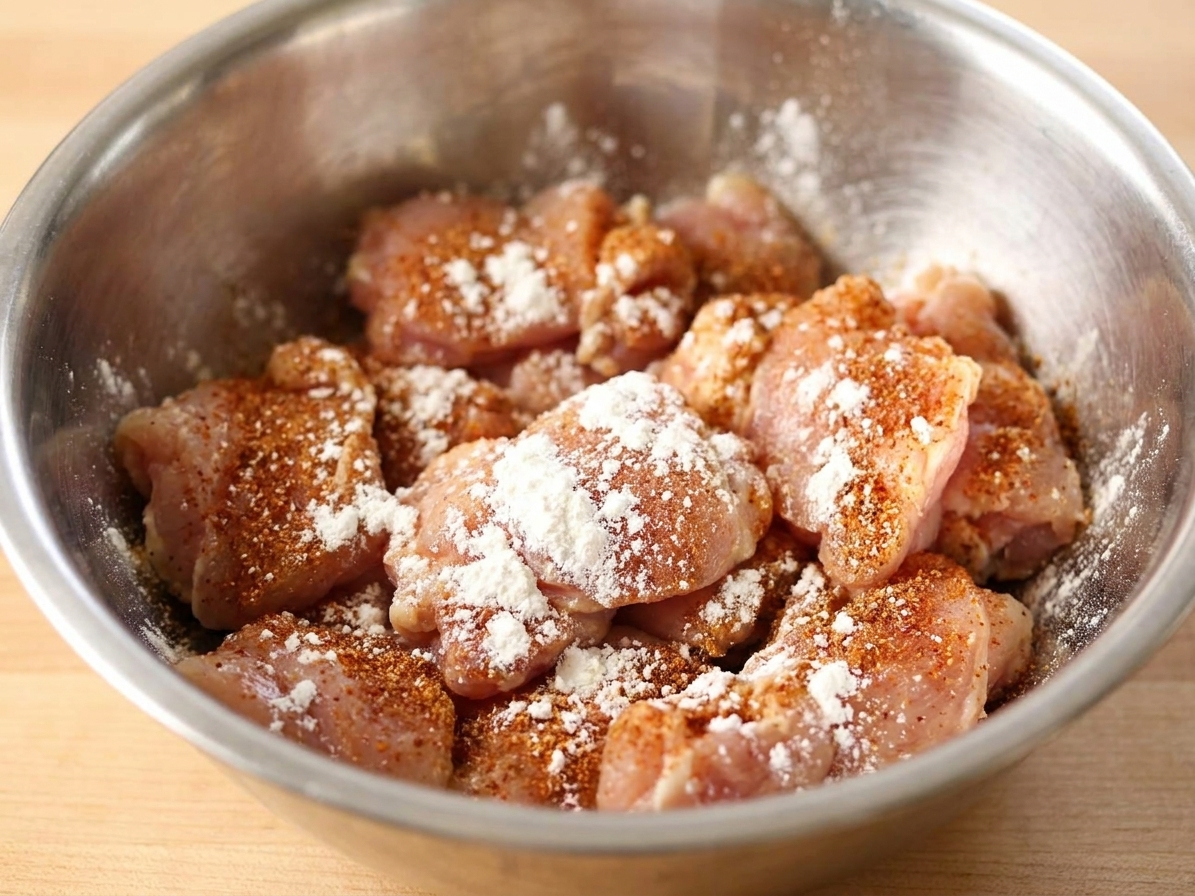
Good news: the cornstarch on the chicken usually helps thicken the sauce as it simmers. If you still want it thicker, here are two fixes: (1) Let it simmer another 1 to 2 minutes so it can reduce. (2) Mix 1 teaspoon cornstarch with 1 tablespoon cold water, then stir it in and simmer 30 to 60 seconds.

I started making ginger chicken when I realized my “quick dinners” were either sad or expensive, sometimes both. Ginger fixed that. It is loud in the best way, like a friend who walks into the room and immediately improves the vibe. The first time I nailed the sauce, glossy and clingy, I ate it standing at the stove over a pot of rice like it was my job. Now it is my go-to when I want comfort food that still tastes bright and alive.