Mom's Best Recipes
Recipe

Sushi Rice Perfect Texture

Glossy, fluffy, lightly seasoned sushi rice that sticks together without turning gummy. Works for rolls, nigiri, poke bowls, and weeknight sushi cravings.

Author By Matt Campbell
4.9
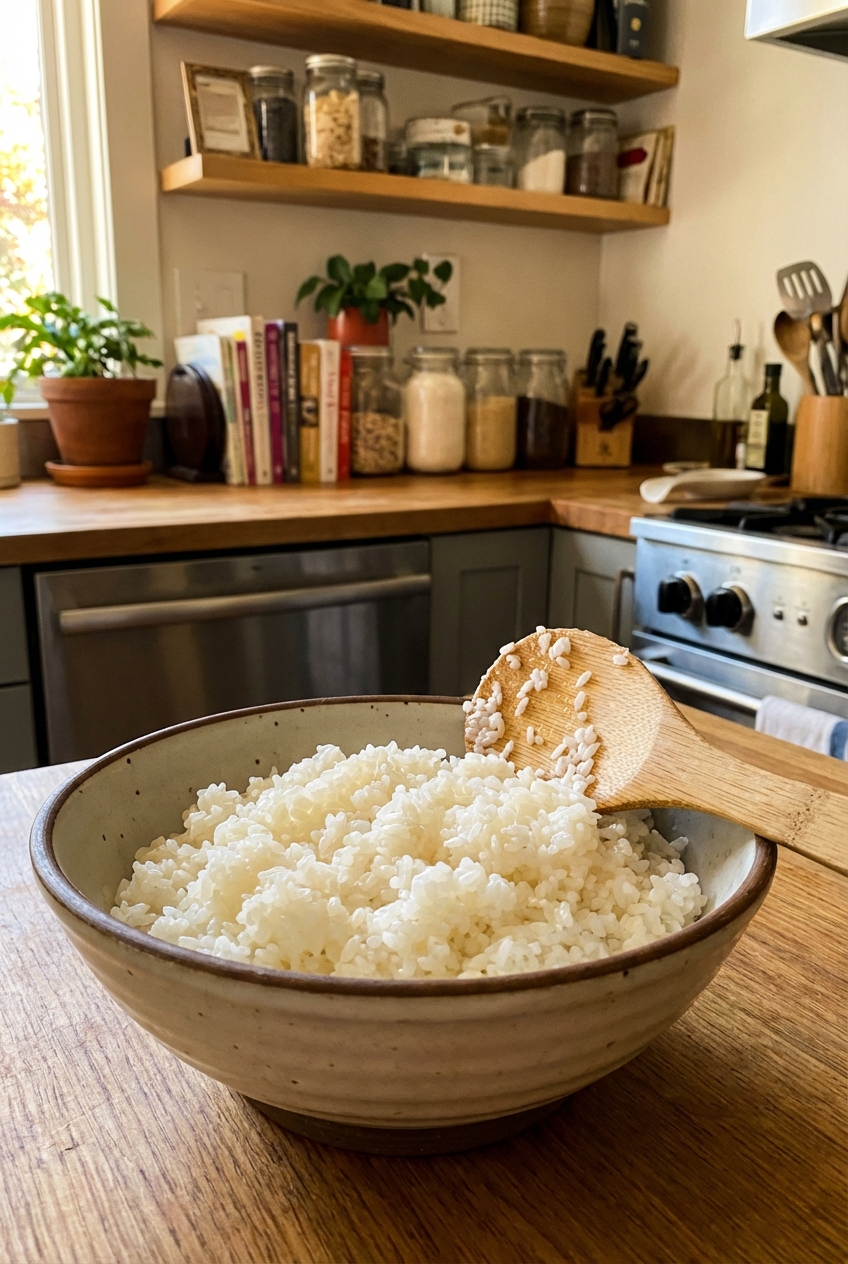
A bowl of glossy sushi rice with a wooden rice paddle on a kitchen counter

Sushi night at home gets a lot more fun when the rice behaves. You want grains that are tender but still distinct, a gentle stickiness that holds a roll together, and that clean sweet tang that makes you go back in for “just one more piece.” This is the method I use when I want reliable sushi rice with perfect texture without turning dinner into a science fair.

We are keeping ingredients simple, steps clear, and the vibes very much “taste as you go,” meaning you taste the seasoning liquid before it hits the rice so you can adjust without guessing. If you can rinse rice and stir a quick seasoning, you can absolutely make sushi rice that feels restaurant-level.
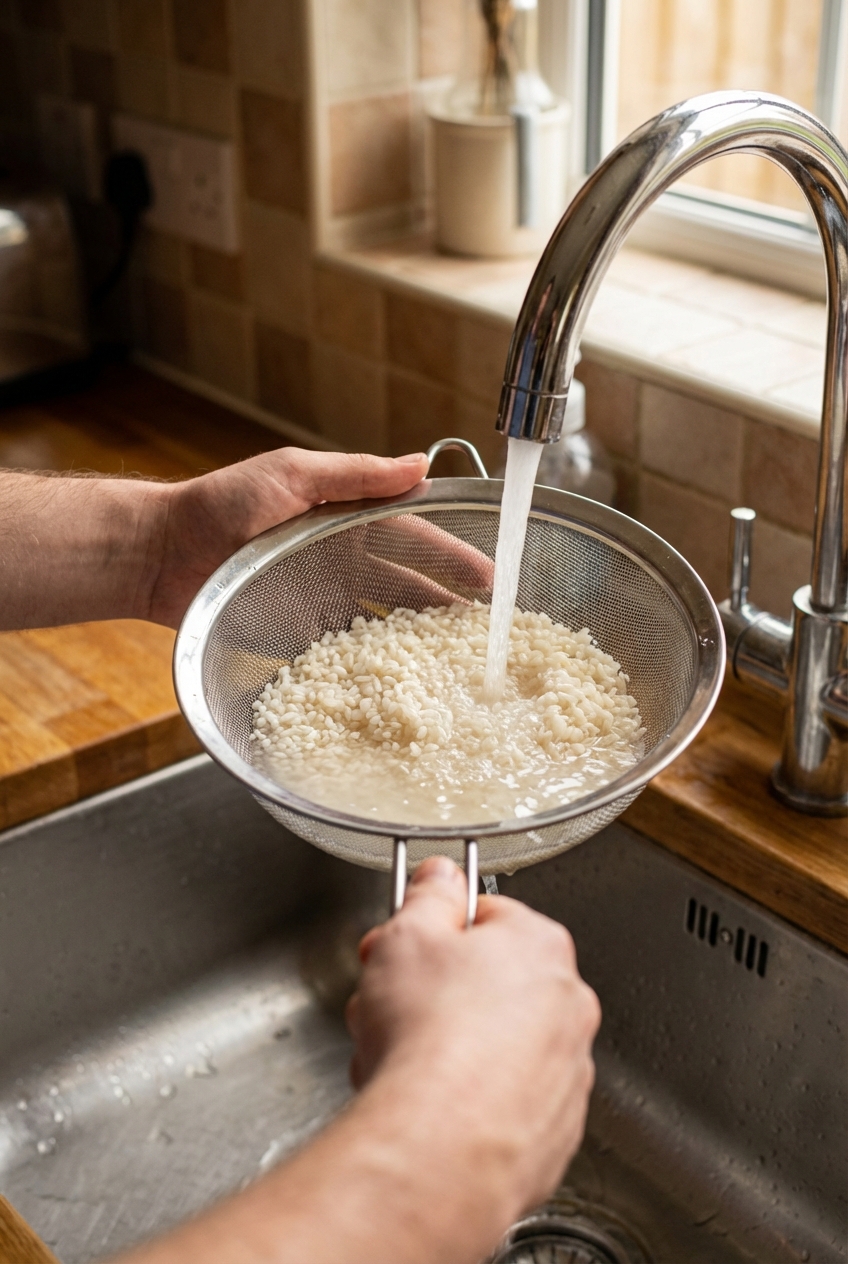
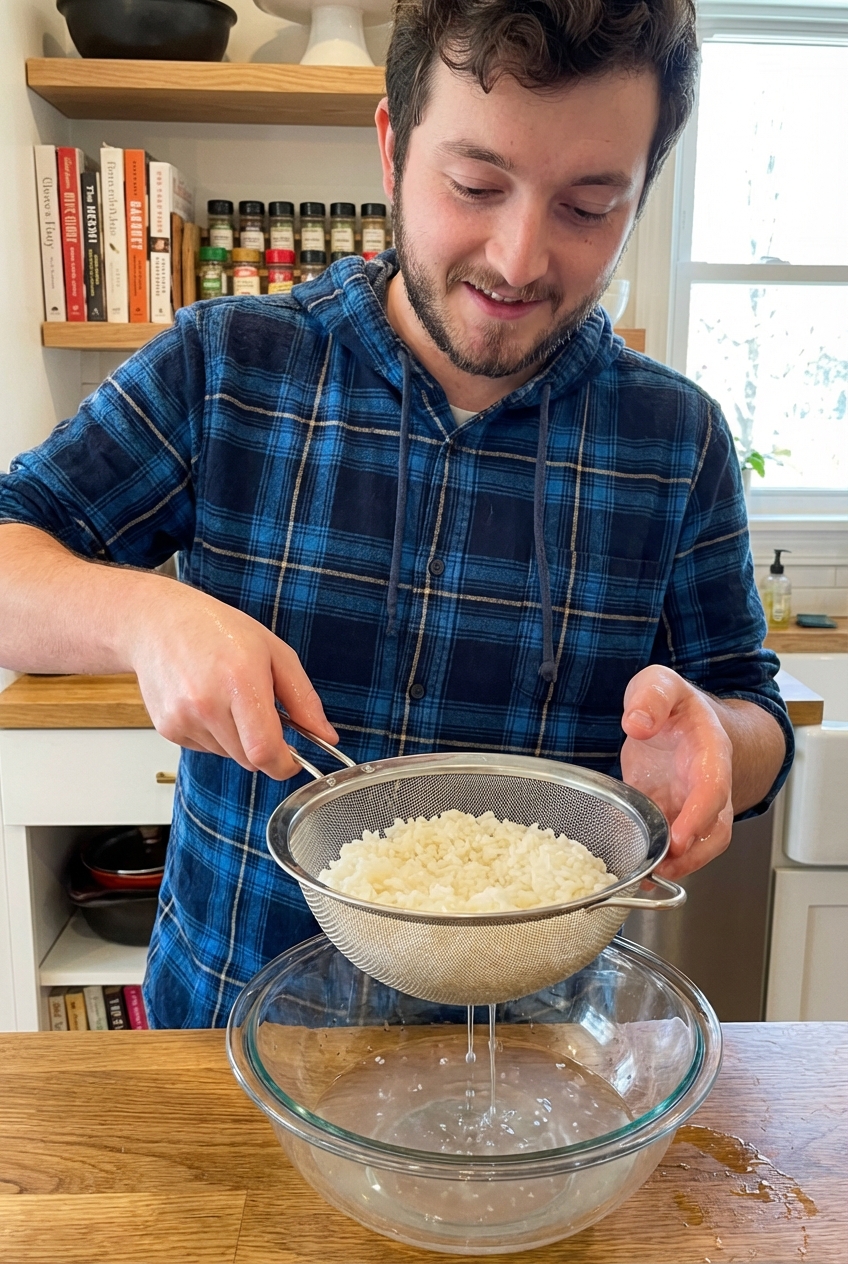
Short-grain rice being rinsed in a fine mesh strainer under running water in a sink

Why It Works

  • Fluffy, not mushy: Rinsing removes excess surface starch so you get sticky grains, not glue.
  • Evenly seasoned: We dissolve the seasoning first, then fold it in gently so every bite tastes balanced.
  • Shiny finish: Cooling and fanning helps the rice look glossy and keeps it from steaming itself into gumminess.
  • Right temperature: Sushi rice is best slightly warm or room temp, which makes it easier to shape and better for toppings.

Pairs Well With

Storage Tips

Sushi rice is at its best the day you make it, but leftovers can still be totally usable if you store it right.

Food safety note

  • Cool rice quickly and refrigerate within 1 hour if you can (and within 2 hours at absolute max). Spread it in a thin layer in a wide container to speed things up.
  • Do not leave cooked rice sitting out for hours.

Fridge

  • Once it is no longer steaming hot, transfer to an airtight container and refrigerate.
  • Best quality: use within 24 hours (the texture firms up fast in the fridge).
  • Food safety: if cooled and stored promptly, cooked rice is commonly kept up to 3 to 4 days, but it will not be great for sushi by then. It is better for bowls or fried rice.

How to reheat

  • Sprinkle a little water over the rice (about 1 to 2 teaspoons per cup).
  • Cover and microwave in 30-second bursts, stirring gently, until just warm.
  • Let it sit covered for 2 minutes, then fluff.

Freezing

  • Not my first choice for sushi, but it works for bowls.
  • Portion into freezer bags, press flat, freeze up to 1 month.
  • Thaw overnight in the fridge, then reheat with a splash of water.

Common Questions

What kind of rice should I buy?

Look for Japanese short-grain rice or anything labeled sushi rice. Medium grain can work in a pinch, but short-grain gives the classic sticky, tender texture.

Why do I have to rinse sushi rice?

Rinsing removes excess surface starch. That is the difference between pleasantly sticky rice and rice that clumps into a gummy brick.

Do I need a rice cooker?

Nope. A pot with a tight lid works great. A rice cooker is convenient, but the rinse, soak, and rest steps matter more than the gadget.

Can I use regular vinegar instead of rice vinegar?

Rice vinegar is ideal because it is mild and slightly sweet. If you only have white vinegar, use it sparingly and add a tiny extra pinch of sugar to soften the edge.

My rice turned out wet. What happened?

Most common causes are too much water, lifting the lid during cooking, or skipping the final rest. Also, some rice brands are thirstier than others. Next time, measure carefully, shake off excess rinse water well, and let it steam off heat for the full 10 minutes. If it is still consistently wet, reduce the water by 2 to 3 tablespoons.

My rice is hard in the center. How do I fix it?

It likely needed more water or time (or your simmer was too low). You can save it by sprinkling 1 to 2 tablespoons water over the top, covering, and cooking on low for 3 to 5 minutes, then resting again.

How do I keep rice from sticking to my hands when shaping?

Use a small bowl of water with a splash of rice vinegar. Dip your fingertips lightly, then shape. Wet hands, gentle pressure, no overworking.

The first time I tried making sushi rice, I treated it like plain old side-dish rice. I stirred it, I peeked, I rushed the cooling, and I ended up with something that could probably patch drywall. Now I do the boring parts on purpose. I rinse until the water chills out, I let the rice rest, and I fold in seasoning like I am handling something fragile and expensive. The payoff is immediate. That first bite of properly seasoned, glossy rice makes you feel like you have your life together, even if your “sushi” is a slightly chaotic hand roll eaten over the sink.