Mom's Best Recipes
Recipe

Sushi-Style Pickled Ginger (Gari)

Tender, lightly sweet pickled ginger with a clean vinegar snap, naturally blush-pink when you use young ginger. Includes a best-texture method and a quick 30-minute version.

Author By Matt Campbell
4.9
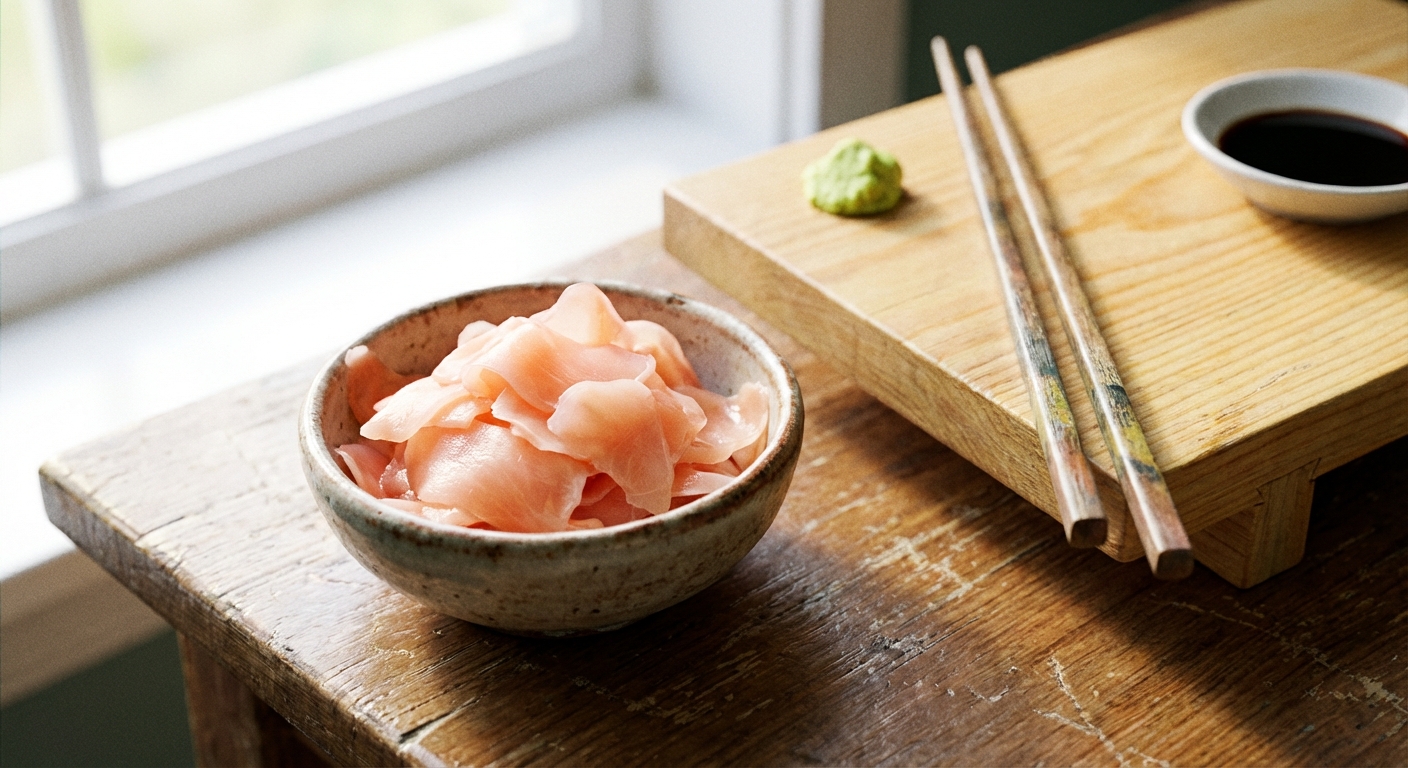
A small ceramic bowl filled with thinly sliced pale pink pickled ginger beside a wooden sushi board with chopsticks, bright natural window light, photorealistic food photography

If you have only ever met pickled ginger as that neon-pink, vaguely candy-like pile next to takeout sushi, I have good news. Real gari is crisp-tender, lightly sweet, and cleanly acidic. It tastes like ginger that got dressed up for sushi night, not like it fell into a vat of pink highlighter.

Homemade gari also does something store-bought rarely does. It stays gingery. The slices keep their bite, the brine stays bright, and you can dial the sweetness to match your palate. Plus, when you use young ginger, the color can blush naturally thanks to naturally occurring pigments in the ginger reacting with vinegar. It is one of those small, easy pantry projects that instantly makes your homemade sushi feel like it came from somewhere with cloth napkins.
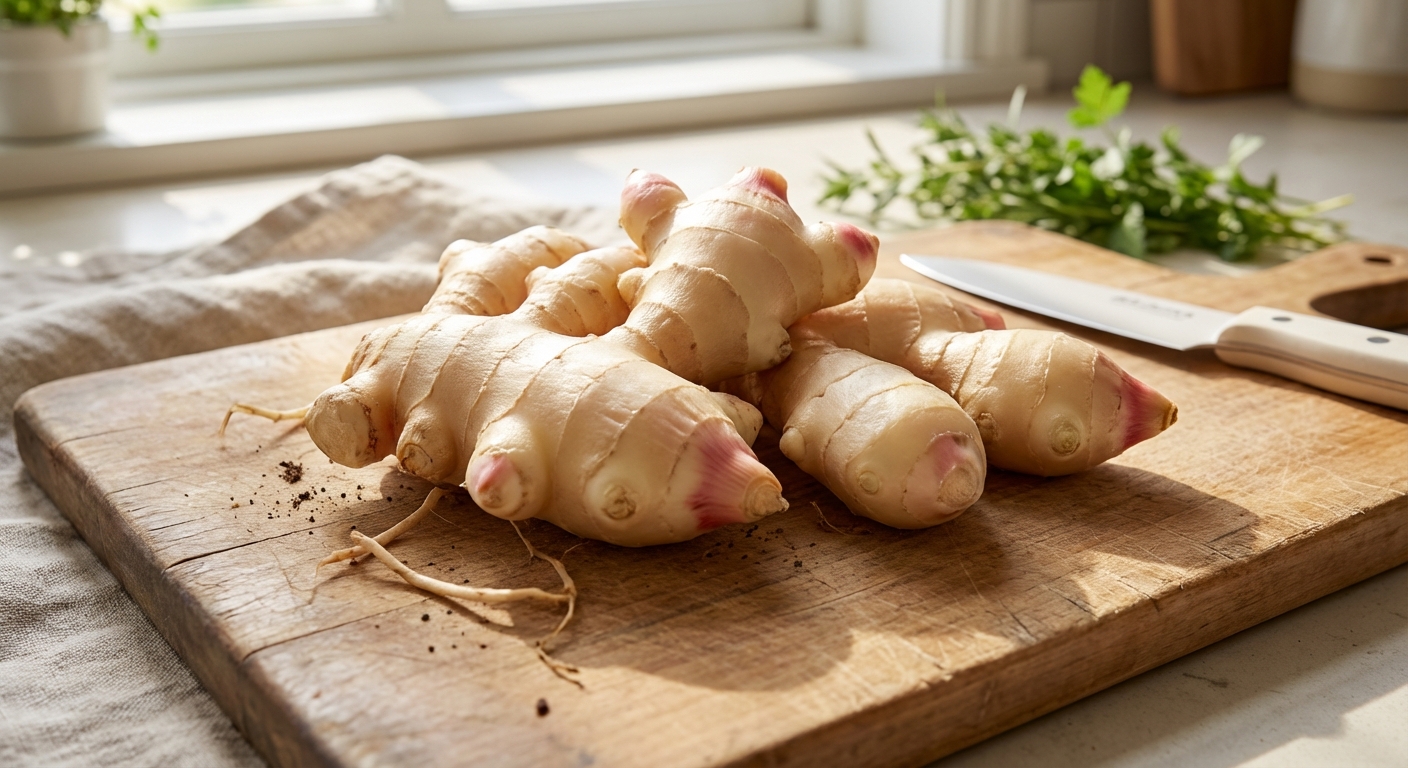
Fresh young ginger roots with smooth thin skin and pink-tinged tips on a wooden cutting board, close-up, photorealistic kitchen scene

Why It Works

  • Natural pink color, no dye. Young ginger has naturally occurring pigments near the tips that can turn the slices a soft blush in vinegar.
  • Better texture. Salting and briefly blanching takes the raw harsh edge off while keeping that crisp snap.
  • Balanced brine. Warming the vinegar just enough dissolves sugar fast so the flavor is sweet, tangy, and clean.
  • Two timelines, same payoff. The best-texture method gets you classic tenderness in a day or two. The quick version is very good in 30 minutes and great after a few hours.

Diet note: As written, this is vegan and gluten-free (always check labels for cross-contamination if that matters for you).

Pairs Well With

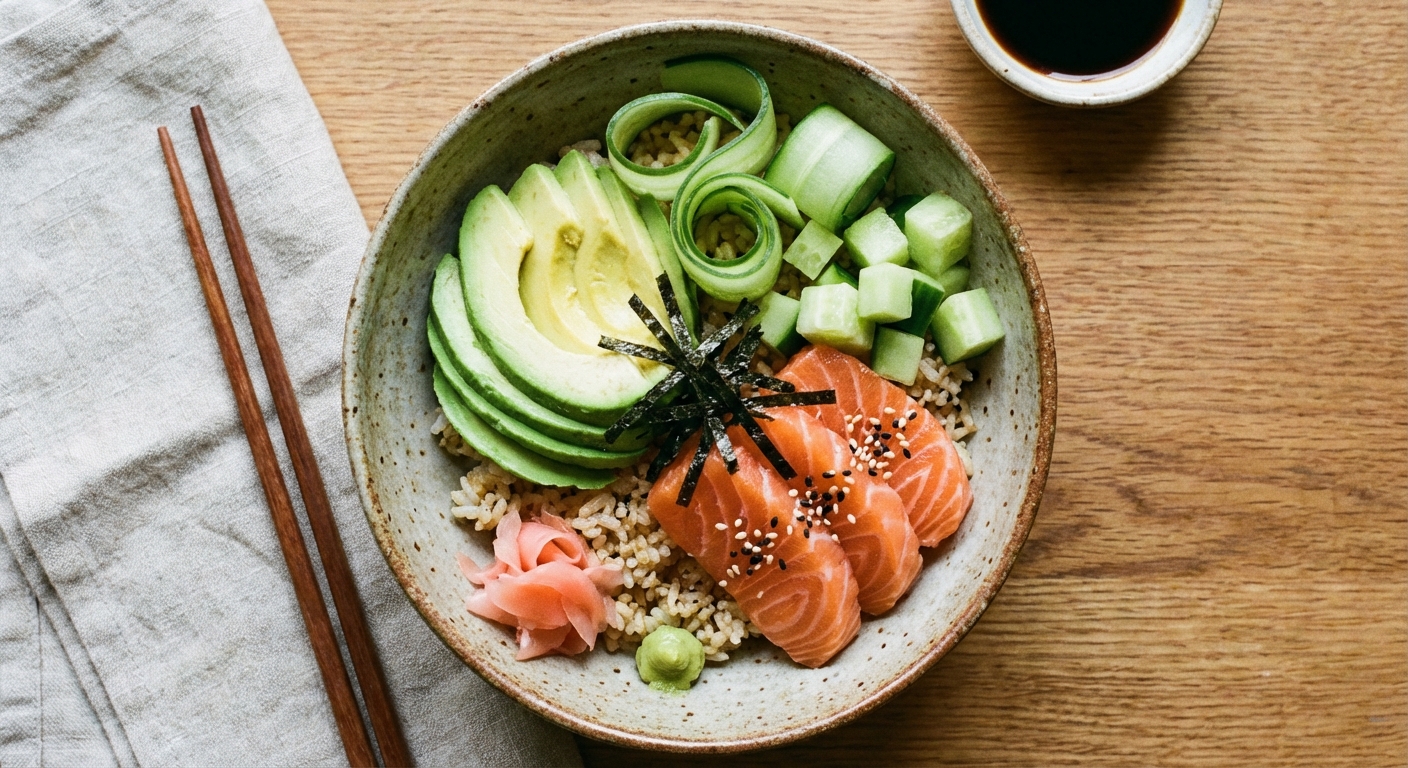
  • Serve with sushi rice, sushi bowls, poke bowls, and sushi bake
  • Tuck into rice paper rolls or lettuce wraps for acidity and crunch
  • Add to ramen, udon, or miso soup right before serving for a bright pop
  • Chop and fold into mayo for a fast sandwich spread or spicy tuna style mix

A homemade sushi rice bowl topped with cucumber, avocado, and salmon with a small pile of pickled ginger on the side, overhead photorealistic food photography

Storage Tips

Fridge life

  • Refrigerate in the brine in a clean jar with a tight lid. Keep slices submerged for best color and texture.
  • Best within 2 weeks for the brightest flavor.
  • It can last up to 1 month in the fridge depending on cleanliness and temperature, but discard it immediately if you notice mold, slime, cloudiness that worsens quickly, or any off or yeasty smell.

Food safety notes

  • This is a refrigerator pickle, not shelf-stable canning. Do not store at room temperature.
  • Use clean utensils each time so you do not introduce crumbs or oils into the jar.

Common Questions

What is gari, exactly?

Gari is Japanese pickled ginger served with sushi. It is meant to refresh your palate between bites, not overpower the fish or rice.

Why is my homemade gari not bright pink?

Totally normal. Natural pink happens most easily with young ginger that has pink-tinged tips. Mature ginger usually stays pale yellow to light tan even when pickled. Both are correct.

Can I use regular ginger from the grocery store?

Yes. Peel it well, slice it paper-thin, and blanch briefly to soften the fibers. The flavor will be a little stronger and the texture slightly more robust than young ginger, but it is still excellent.

Do I have to blanch it?

Blanching is strongly recommended. It tames harsh raw heat and helps the slices stay pleasant, especially if you are using mature ginger. For very young ginger, a quick 10 to 20 seconds is enough.

What vinegar should I use?

Use unseasoned rice vinegar so you control the sugar and salt. Seasoned rice vinegar varies a lot by brand and can make your gari too sweet or too salty.

Why is store-bought ginger neon?

Many commercial brands use food coloring to create consistent pink color year-round. Homemade versions rely on young ginger for a natural blush, and the flavor is cleaner without that candy note.

Can I make it less sweet?

Absolutely. Start with the amounts in the recipe, then reduce sugar by 1 to 2 tablespoons next time. The vinegar still needs a touch of sweetness to taste like classic sushi ginger.

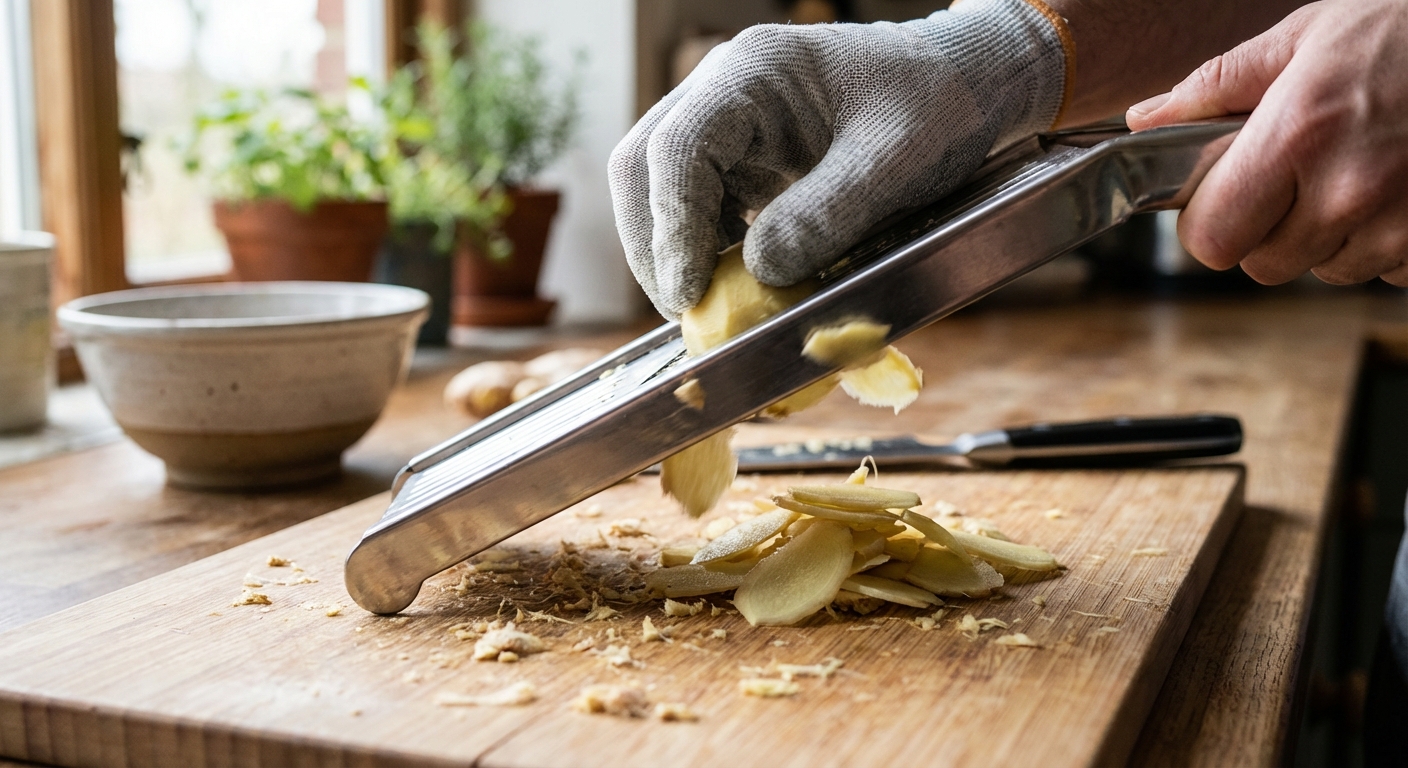
The first time I made sushi at home, I did everything right. I rinsed the rice like my life depended on it, I fanned it like I was in a historical drama, and I still served it with that fluorescent ginger from the plastic tub. One bite and my brain went, why does this taste like sweet-and-sour candy?

So I tried making my own gari, fully expecting a fussy project. It is not. It is a little slice-and-stir situation that makes the whole meal feel more intentional. Now I keep a jar in the fridge like a tiny insurance policy for any bowl of rice that needs a bright, gingery reset.