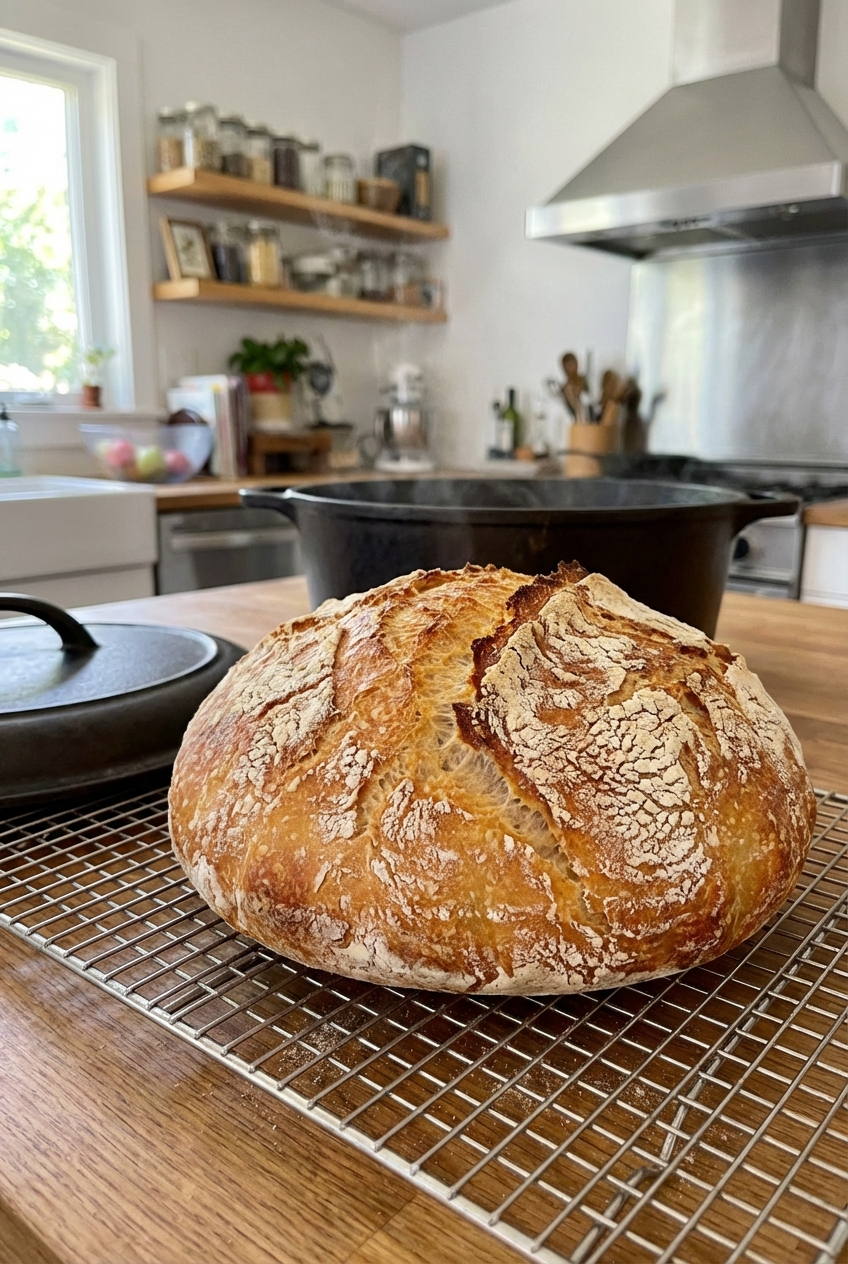
Make bakery-style crusty bread at home with this no-knead Dutch oven recipe. Minimal hands-on time, a crackly golden crust, and a soft, airy interior.
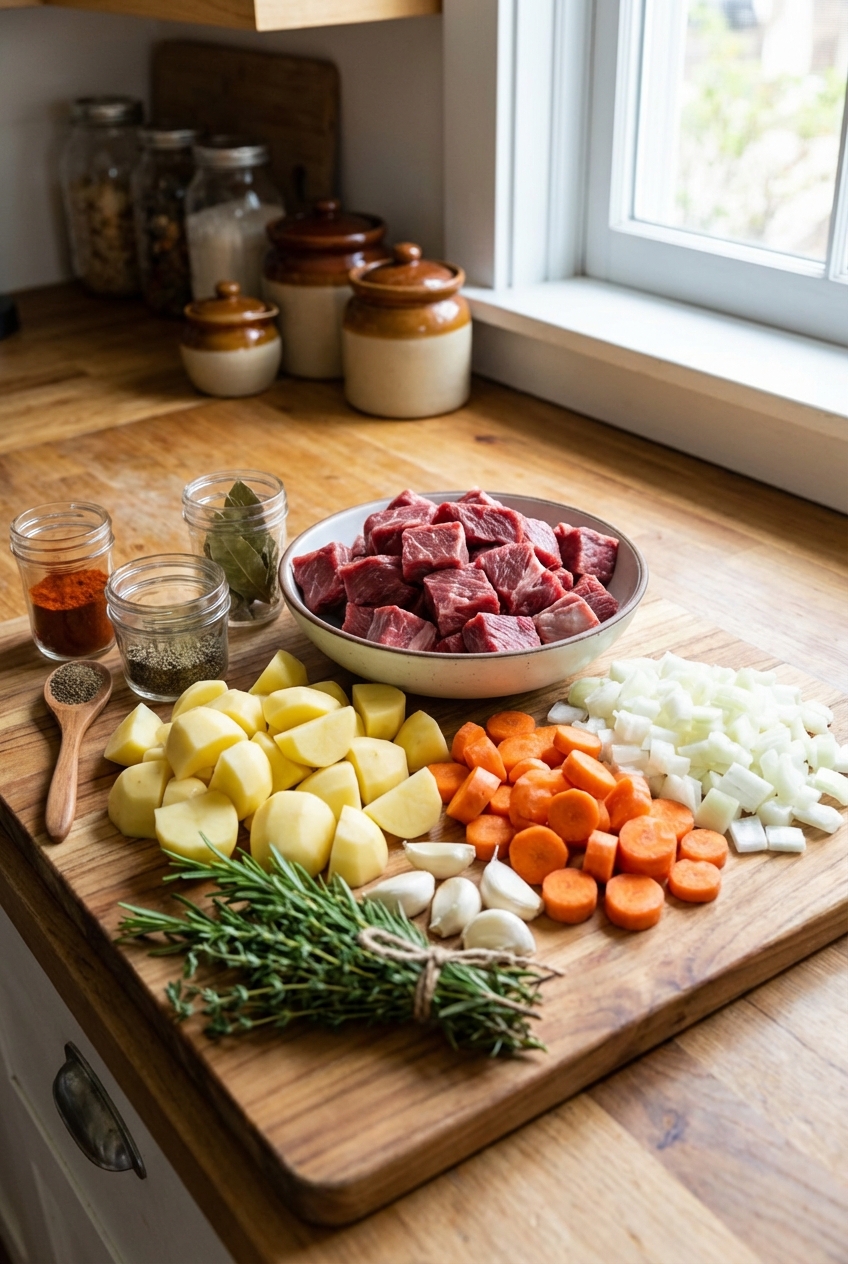
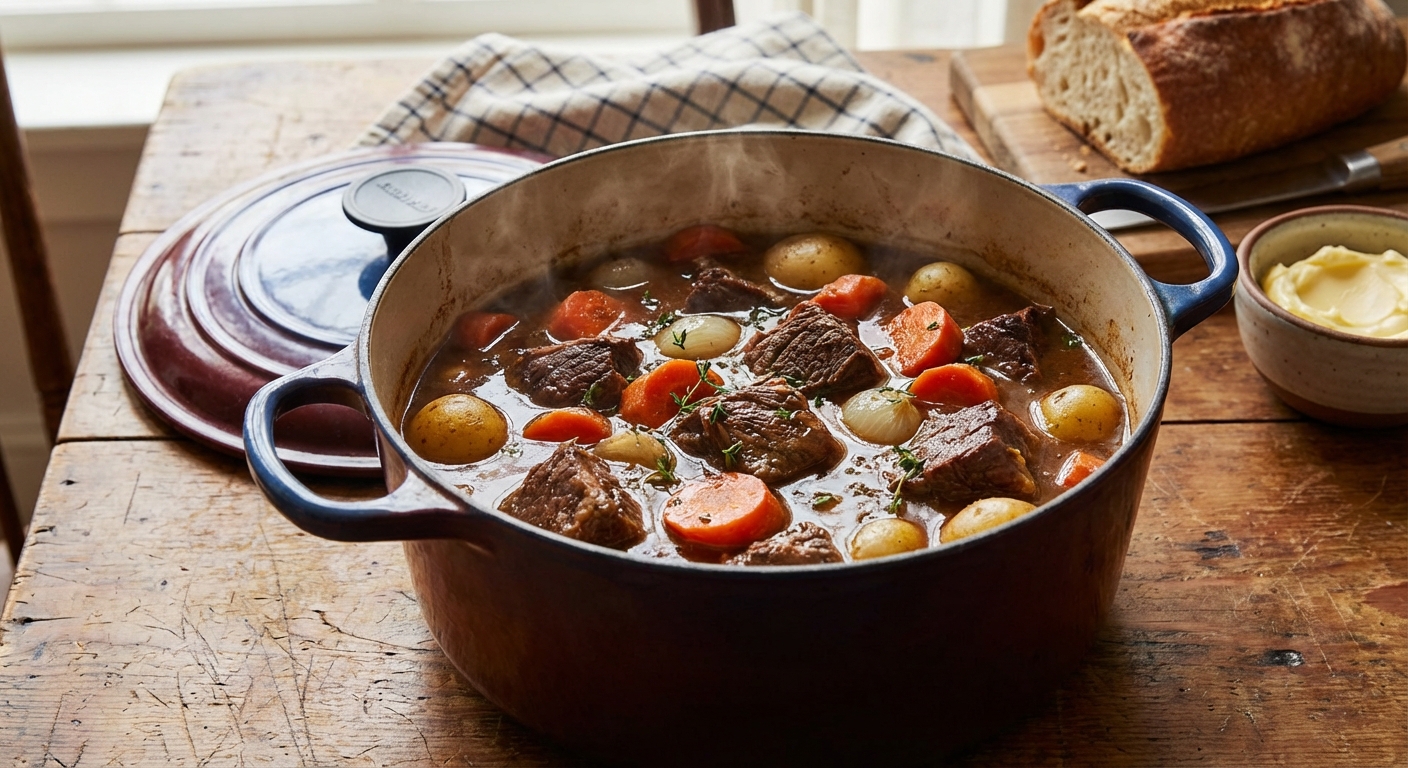
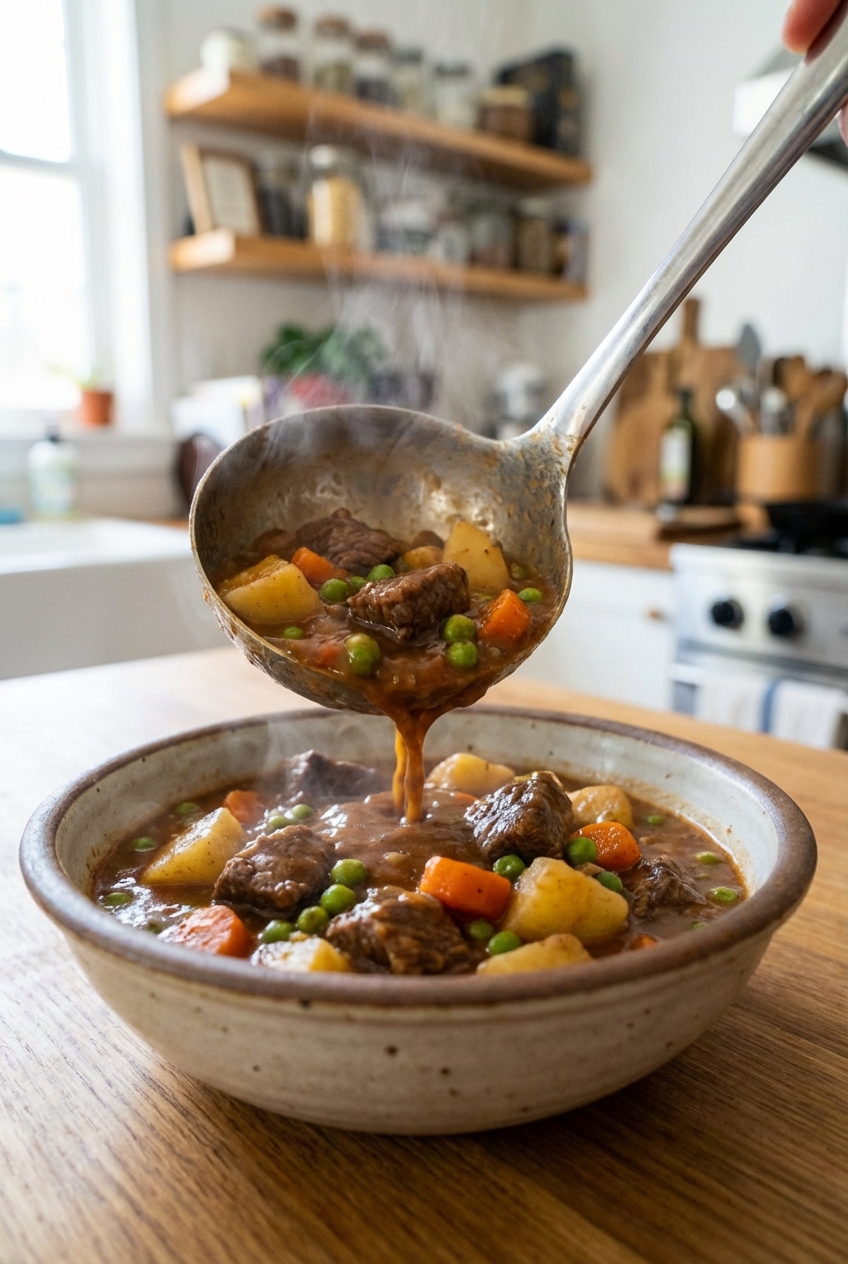
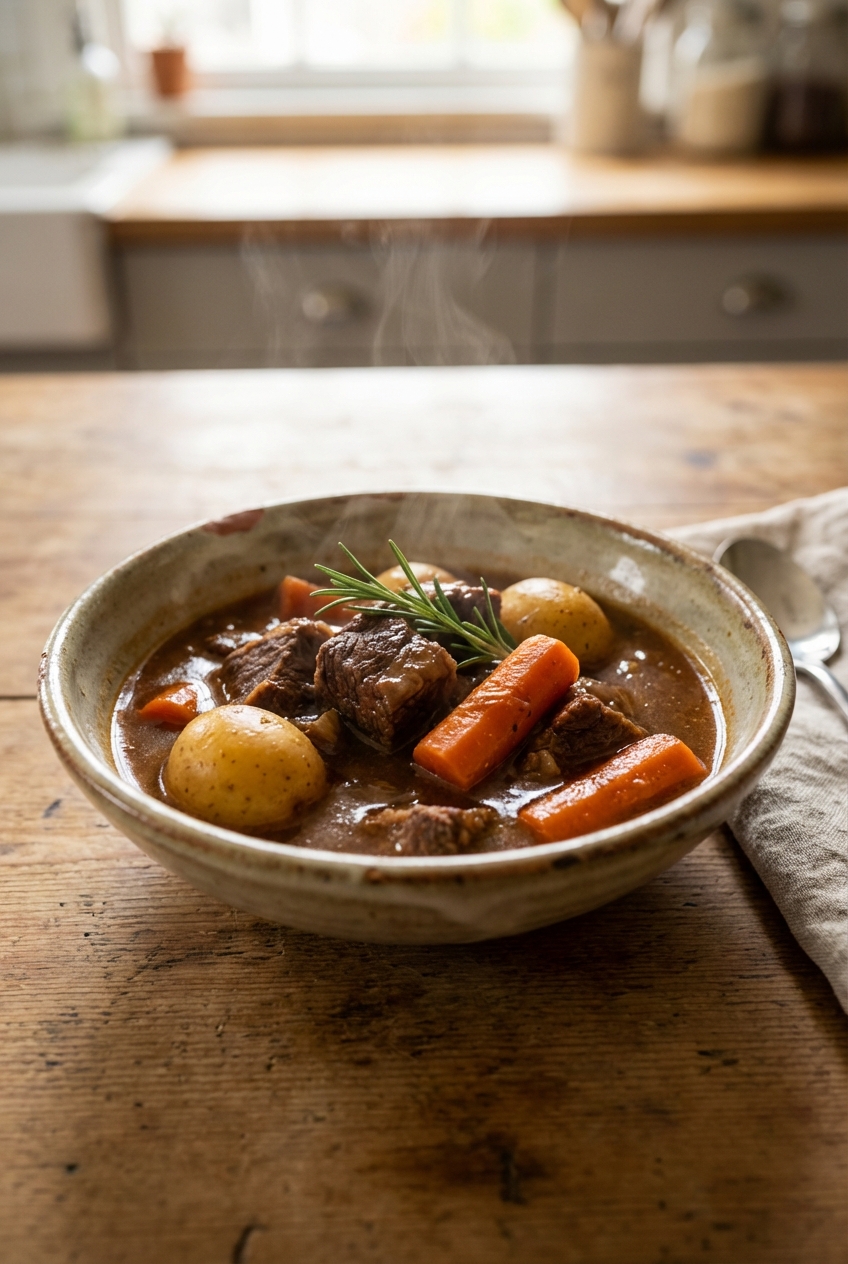
This stew is for the days when you want dinner to feel like a hug, but you also want it to have a little attitude. We are talking fork-tender chuck roast cut into steak-like chunks, soft potatoes, carrots that still taste like carrots, and a broth that hits sweet first, then warm spice, then a clean herbal finish that makes you go back for “just one more spoon.”
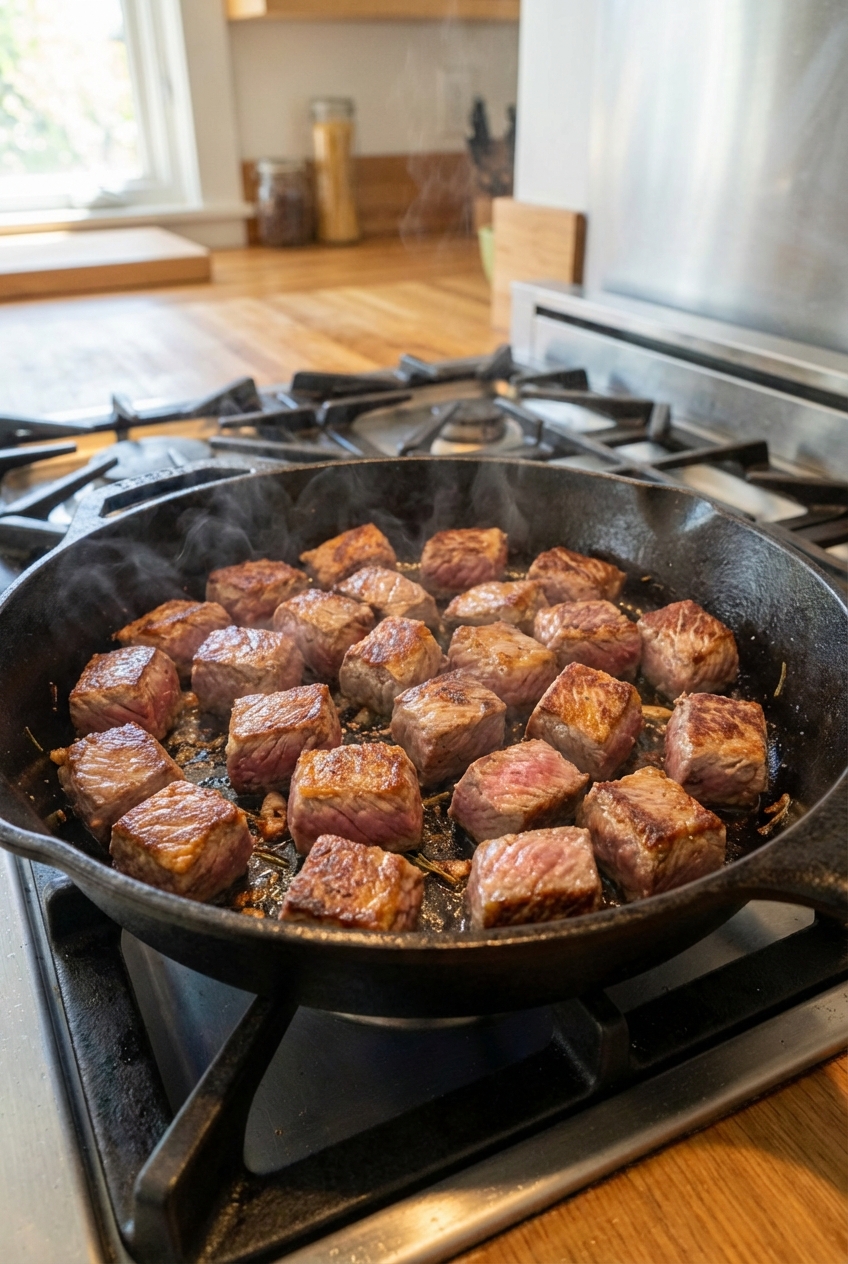
The slow cooker does the heavy lifting, but we are not letting it get bland. A quick sear (optional but worth it), tomato paste for depth, a touch of brown sugar and balsamic for that sweet tang, and a whisper of crushed red pepper to keep things interesting. The herb move here is simple: rosemary and thyme go in early for backbone, then a little fresh parsley or chives at the end to wake everything up.