
Mom's Best Recipes
Recipe

Sweet Potato Latkes

Pan-fried latkes with crisp edges, tender centers, and smart moisture control so they brown beautifully without burning.

Author By Pip
4.7
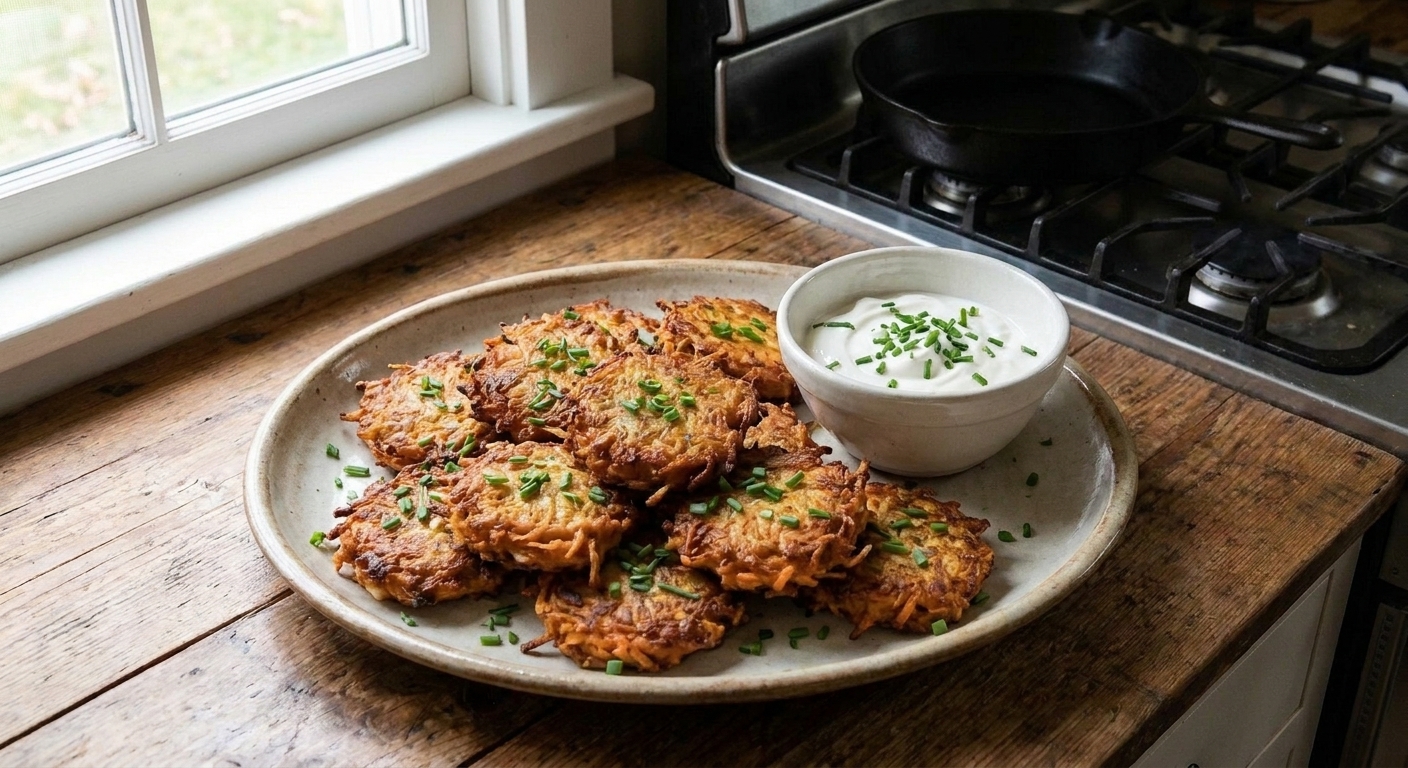
A plate of golden sweet potato latkes stacked on a ceramic platter with a small bowl of sour cream and scattered chives on a wooden table

Small paws, big appetite, and a soft spot for comfort food.

Sweet potato latkes are the kind of cozy-crunchy snack that disappears fast. They have that caramel-y sweetness inside, but they still deserve a serious latke rule: keep the shreds dry and the oil hot enough so the centers cook before the edges get too dark.

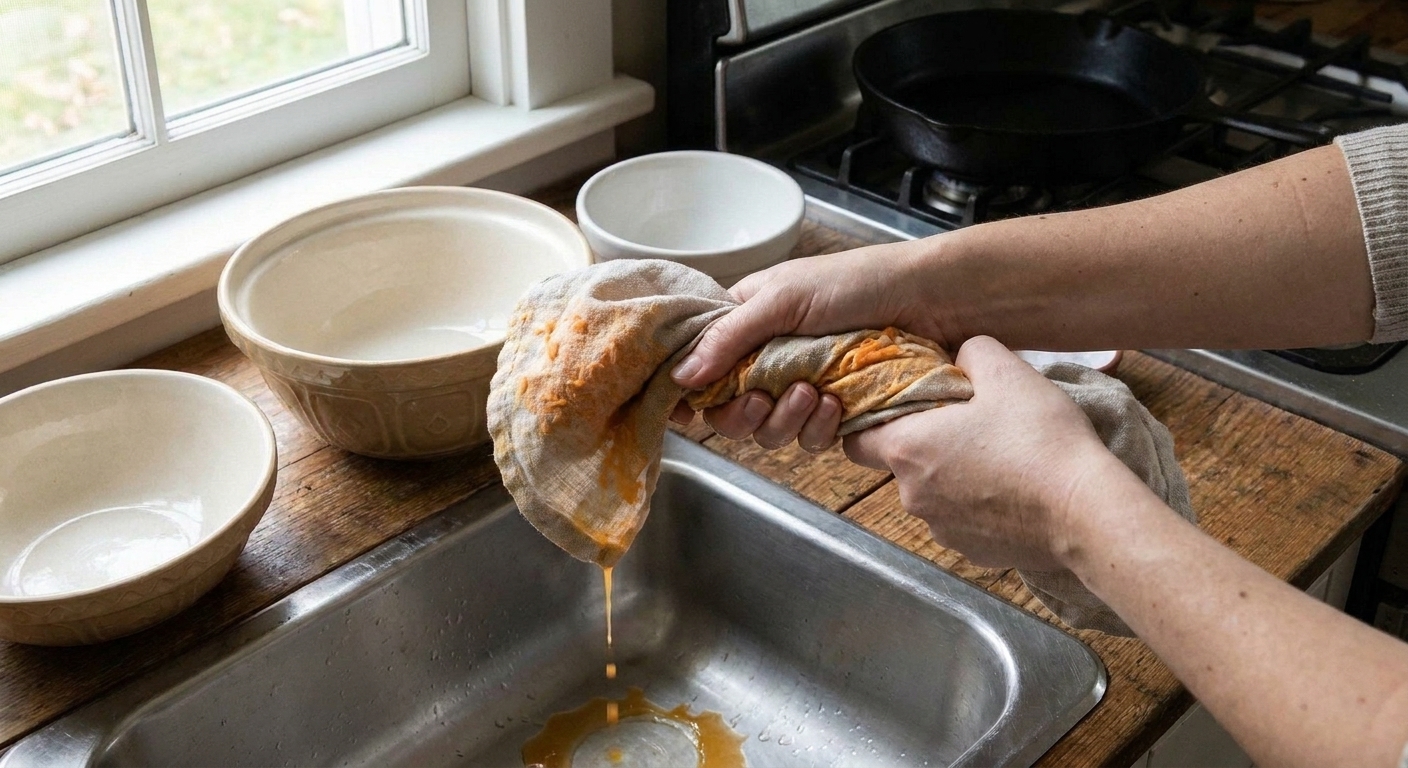
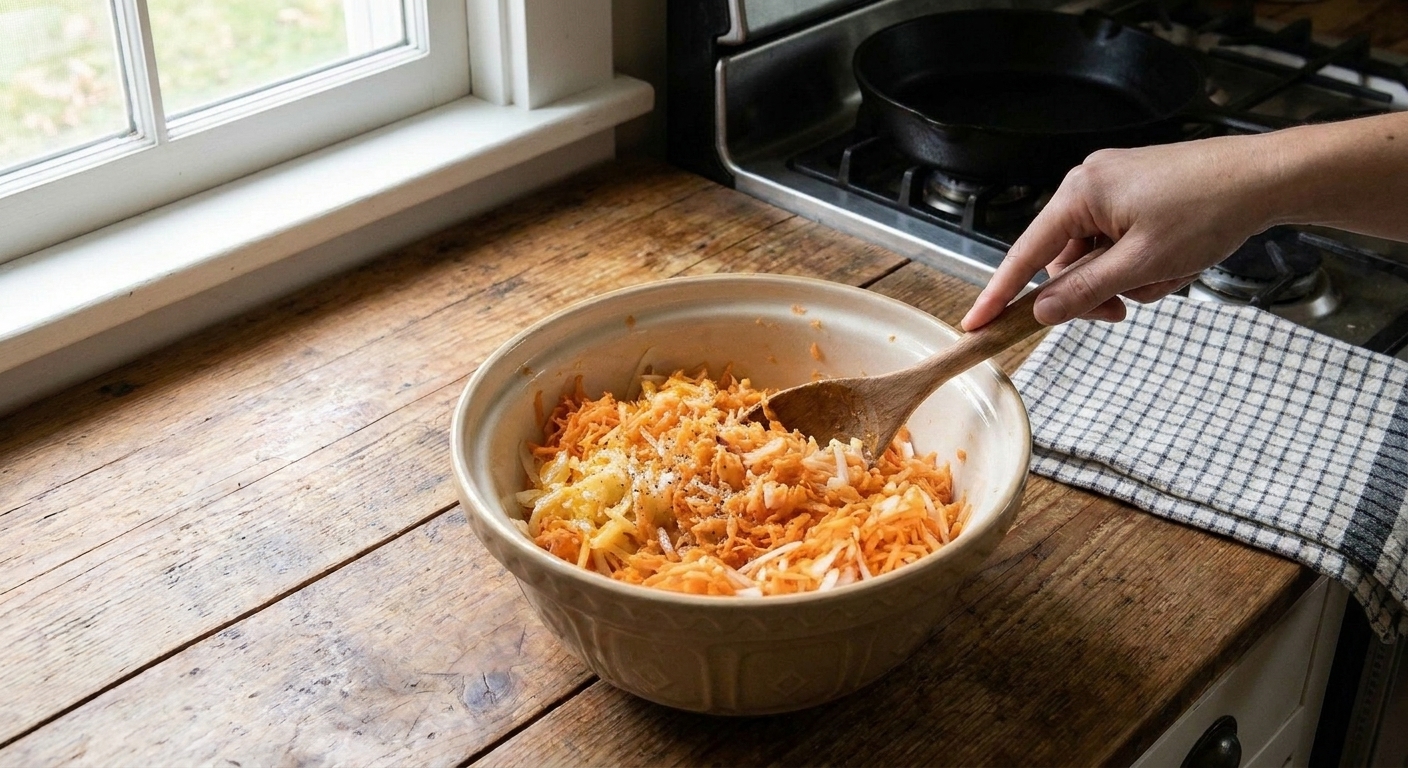
This recipe leans on a classic trick: we salt the shredded sweet potatoes (and onion) to pull out extra moisture, squeeze them well, then use just enough egg and starch to bind. You will end up with latkes that hold together, fry up crisp, and taste like autumn decided to be a pancake.

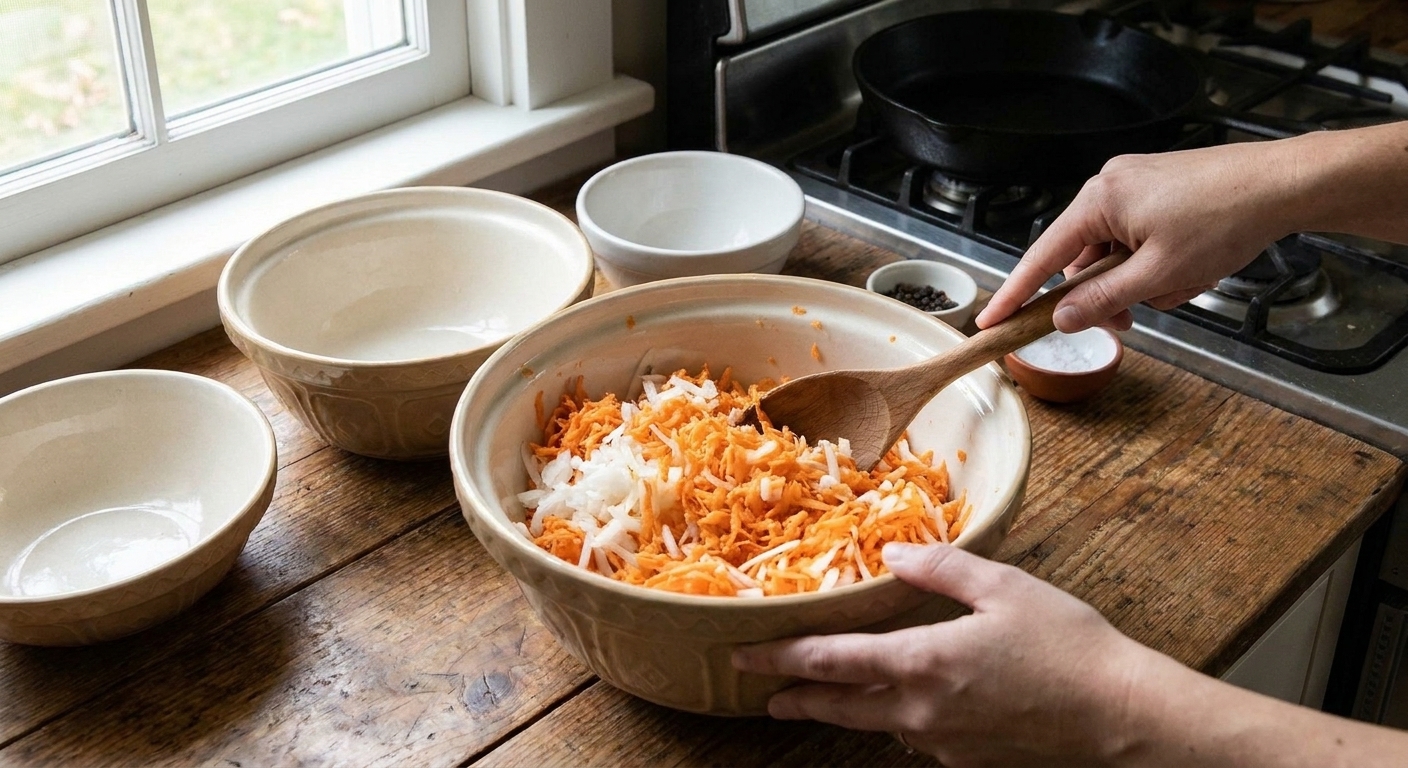
Sweet potato and onion being grated on a box grater over a large mixing bowl on a kitchen counter

Why It Works

  • Drain-and-salt timing pulls out water before it turns your batter soggy, and it helps the latkes crisp instead of steam.
  • Starch control (a little flour or potato starch, plus any starch you happen to see in the bowl) helps bind without making the centers gummy.
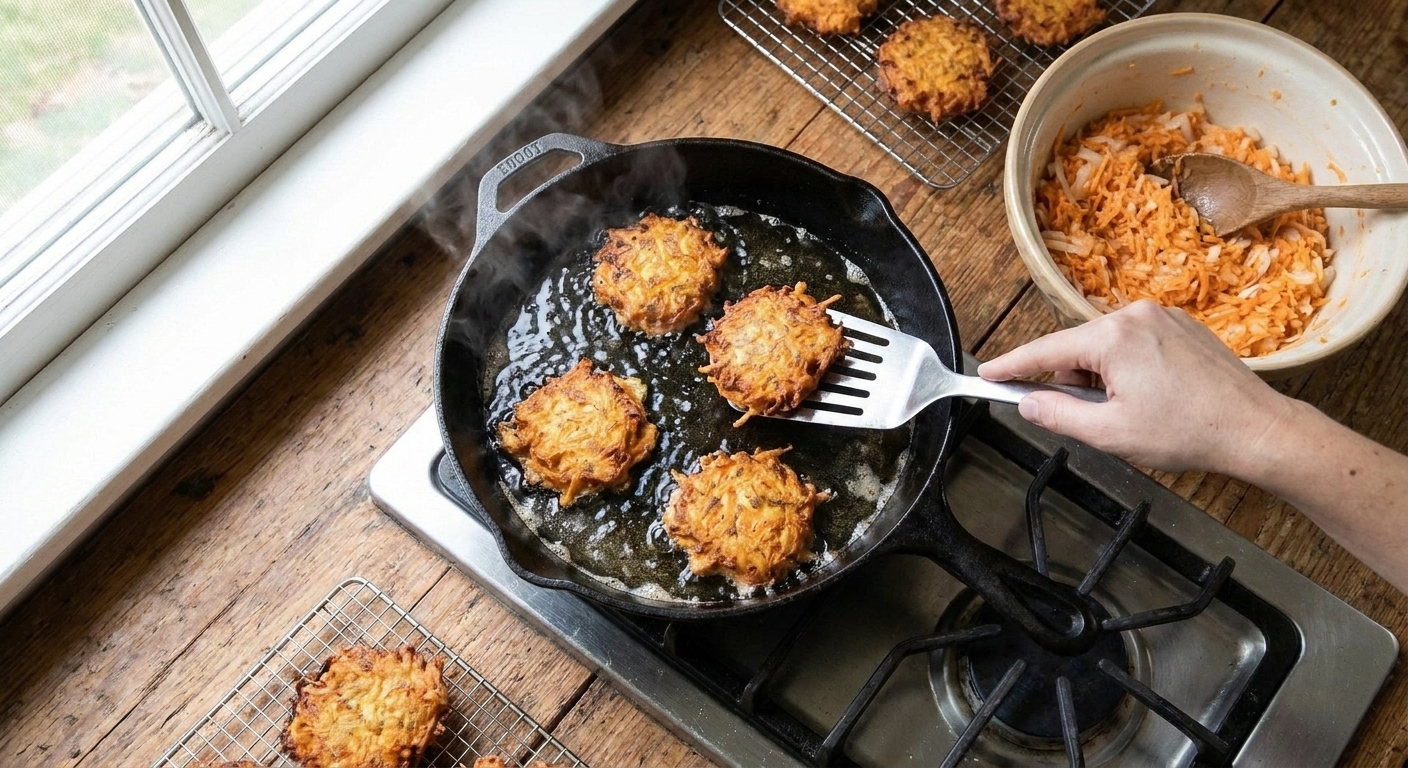
  • Oil temperature cues keep the latkes golden: hot enough to sizzle on contact, not so hot the edges scorch before the middle sets.
  • Thin, even patties cook through quickly so you do not get the dreaded raw middle.

Pairs Well With

Storage Tips

How to Store and Reheat

  • Refrigerate: Cool completely, then store in an airtight container with parchment between layers for up to 4 days.
  • Freeze: Freeze in a single layer on a sheet pan until firm, then transfer to a freezer bag for up to 2 months.
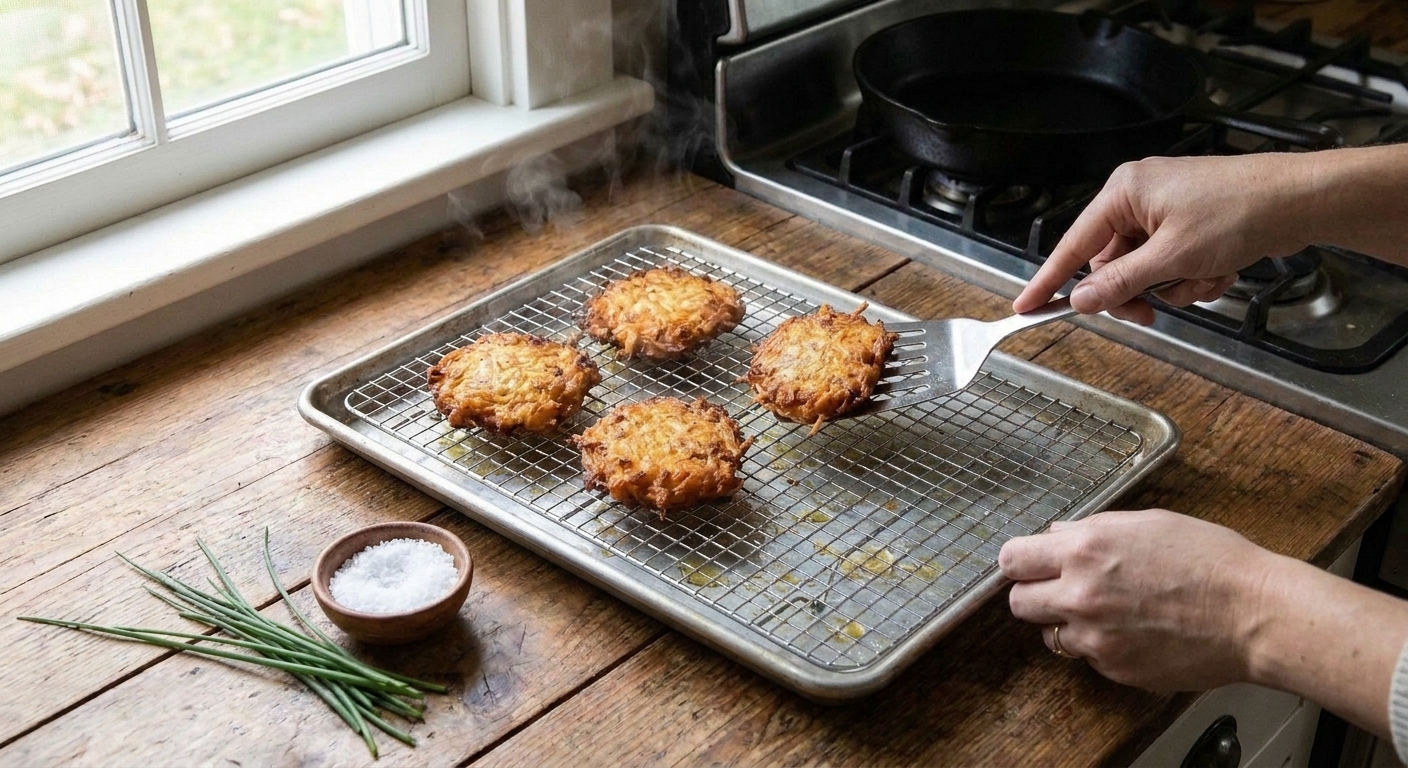
  • Reheat (best crunch): Bake on a rack set over a sheet pan at 425°F for 8 to 12 minutes (flip once). You can also use an air fryer at 400°F for 4 to 7 minutes.
  • Avoid: Microwaving if you want crisp edges. It works, but it turns them soft.

Common Questions

Common Questions

Why are my sweet potato latkes soggy?

The usual culprits are excess moisture and oil that is not hot enough. Salt the shreds, wait a few minutes, then squeeze very well. Also make sure the oil shimmers and sizzles immediately when a tiny bit of batter hits the pan.

How long should I salt the shreds before squeezing?

10 minutes is the sweet spot. It is long enough to draw out water, but not so long that everything turns limp and watery.

Do I need to peel sweet potatoes?

Peeling gives the most classic texture. If you leave the skin on, scrub very well and expect a slightly more rustic latke.

What oil is best for frying latkes?

Use a neutral oil with a higher smoke point like canola, vegetable, peanut, or avocado oil. Extra-virgin olive oil can work in a pinch, but it may smoke if your heat creeps too high.

How do I keep them from burning on the outside?

Keep the heat around medium to medium-high and aim for oil that stays in the 350°F to 365°F range. Also keep the latkes fairly thin and do not crowd the pan, which can make you crank up the heat too much.

Can I make the batter ahead?

You can grate, salt, and squeeze the sweet potatoes and onion, then refrigerate the dried shreds for a few hours. Store them tightly covered (they can darken a bit as they sit). Mix in egg and starch right before frying for the best texture.

Are these gluten-free?

They can be. Use potato starch instead of flour, and double check your labels.

When sweet potatoes show up, my kitchen brain immediately starts plotting something crunchy. Latkes are my favorite kind of mischief because they look humble, but the moment they hit hot oil the whole place smells toasty and irresistible. I like serving them hot, stacked high, with something cool and creamy alongside. It feels like comfort food wearing a crisp little jacket.