Mom's Best Recipes
Recipe

Sweet Potato Pound Cake

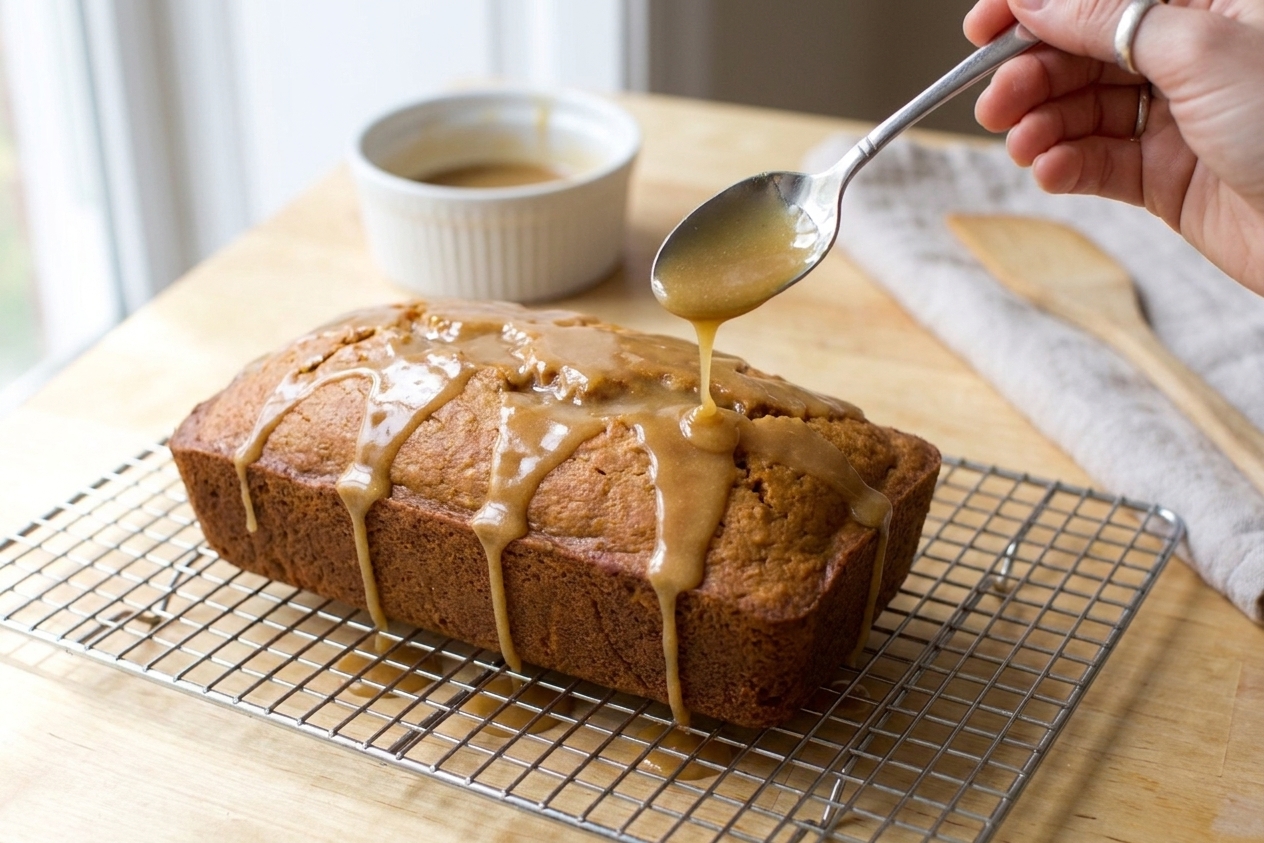
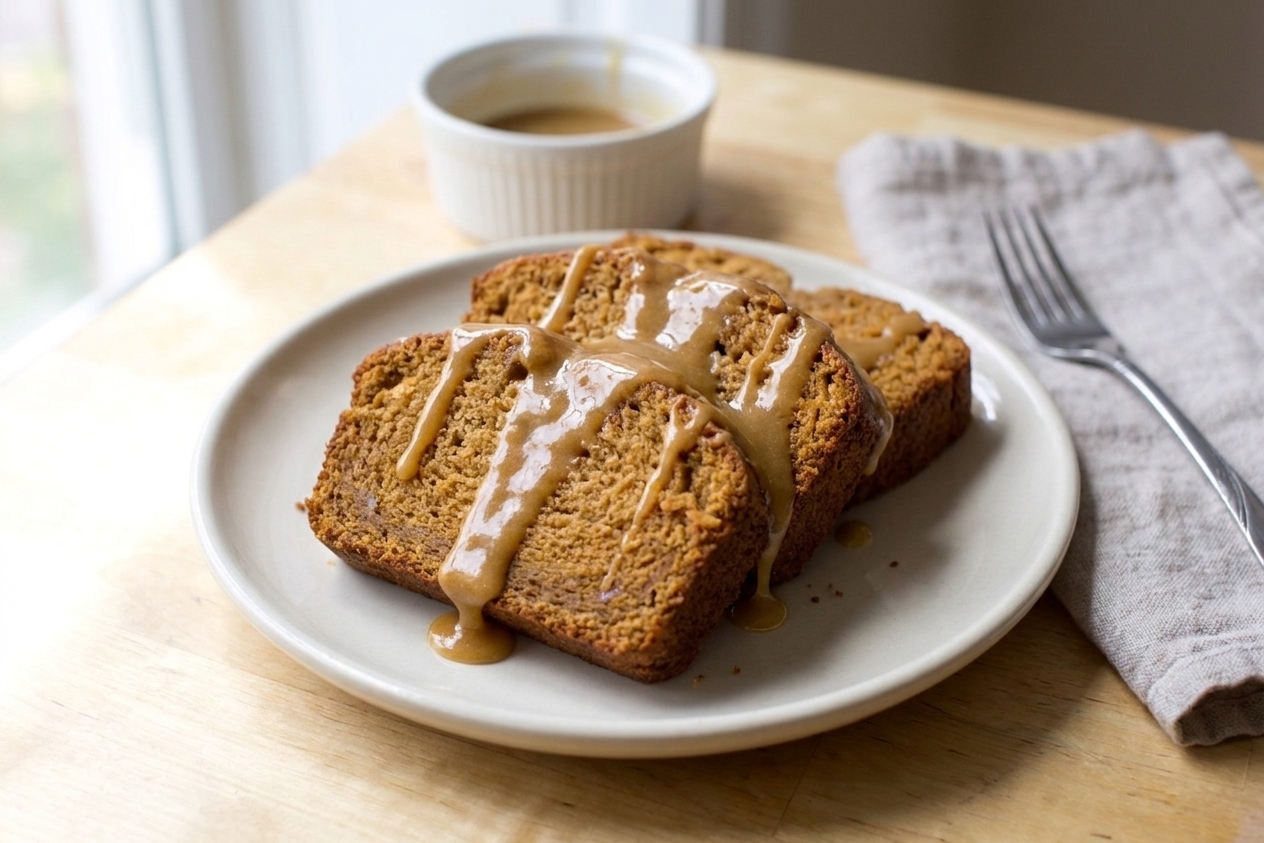
Buttery, tight crumb, crisp edges, and real sweet potato flavor, plus a maple glaze you will want to “accidentally” drizzle on everything.

Author By Matt Campbell
4.8
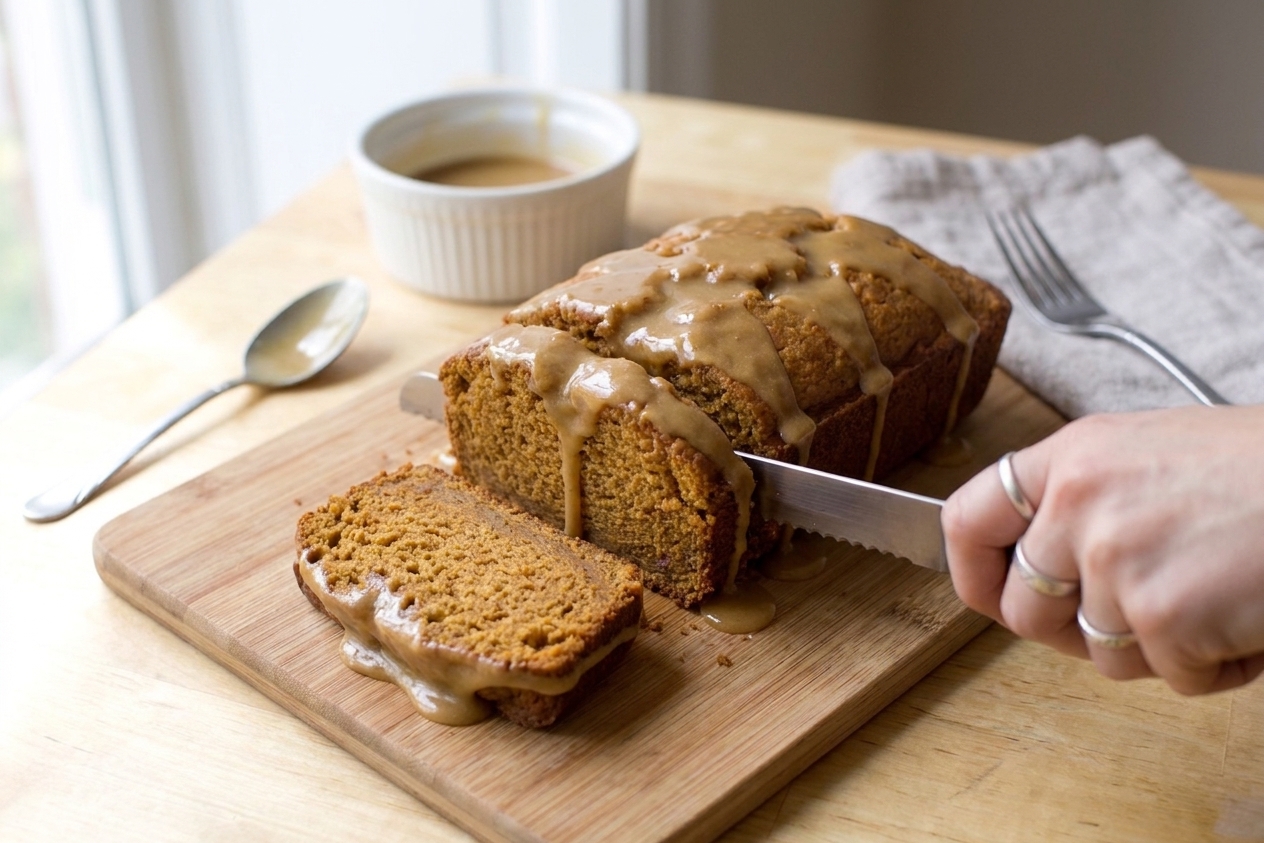
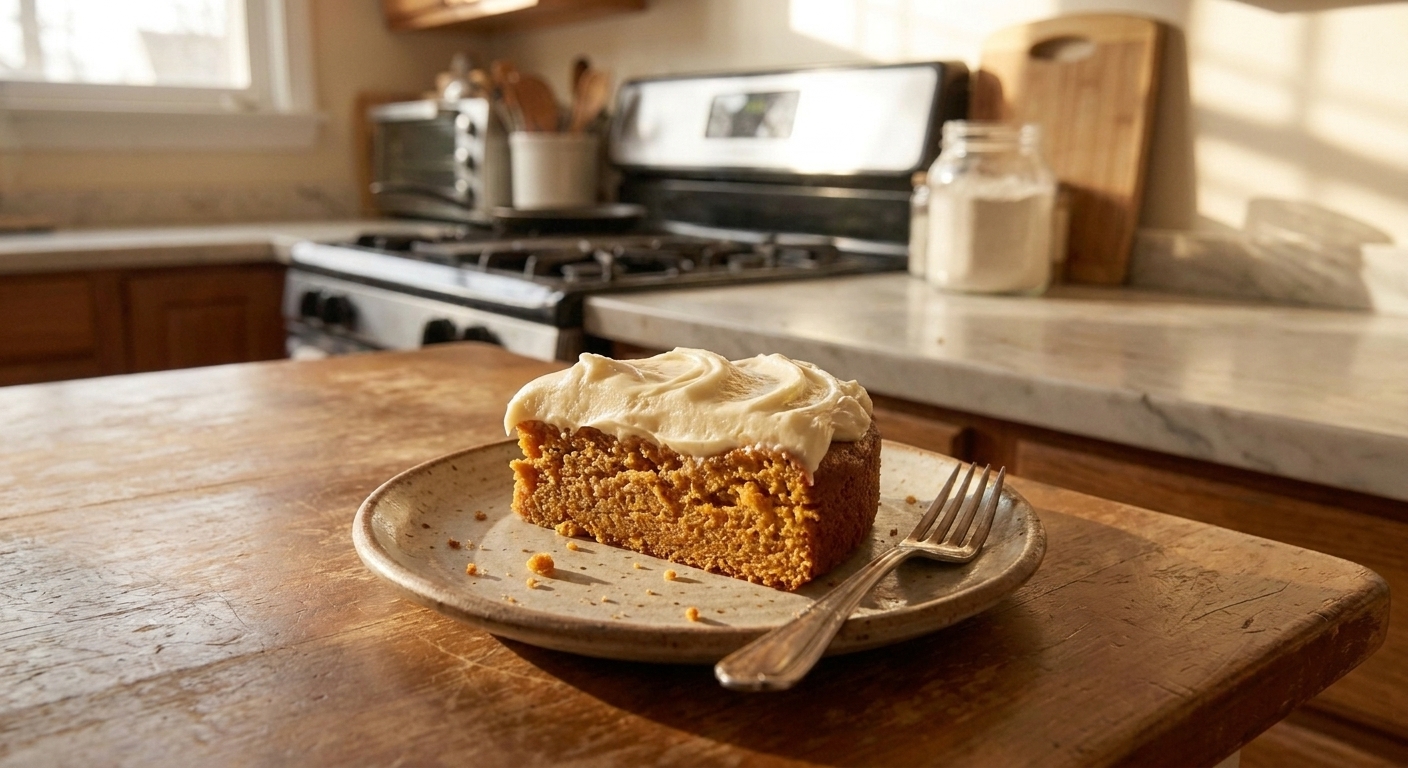
A sliced sweet potato pound cake loaf on a wooden cutting board with a light maple glaze dripping down the sides, set on a bright kitchen counter

Sweet potato pound cake is what happens when a classic butter cake decides to put on a cozy sweater. You get that dense, velvety pound cake crumb, but with a natural sweetness and a little earthy depth that makes every bite feel like it belongs next to a mug of coffee.

My favorite move here is roasting the sweet potato instead of boiling it. Roasting drives off extra moisture and concentrates flavor, which means the cake bakes up plush, not gummy. Add warm spices, a splash of vanilla, and a simple maple glaze and you are in business.
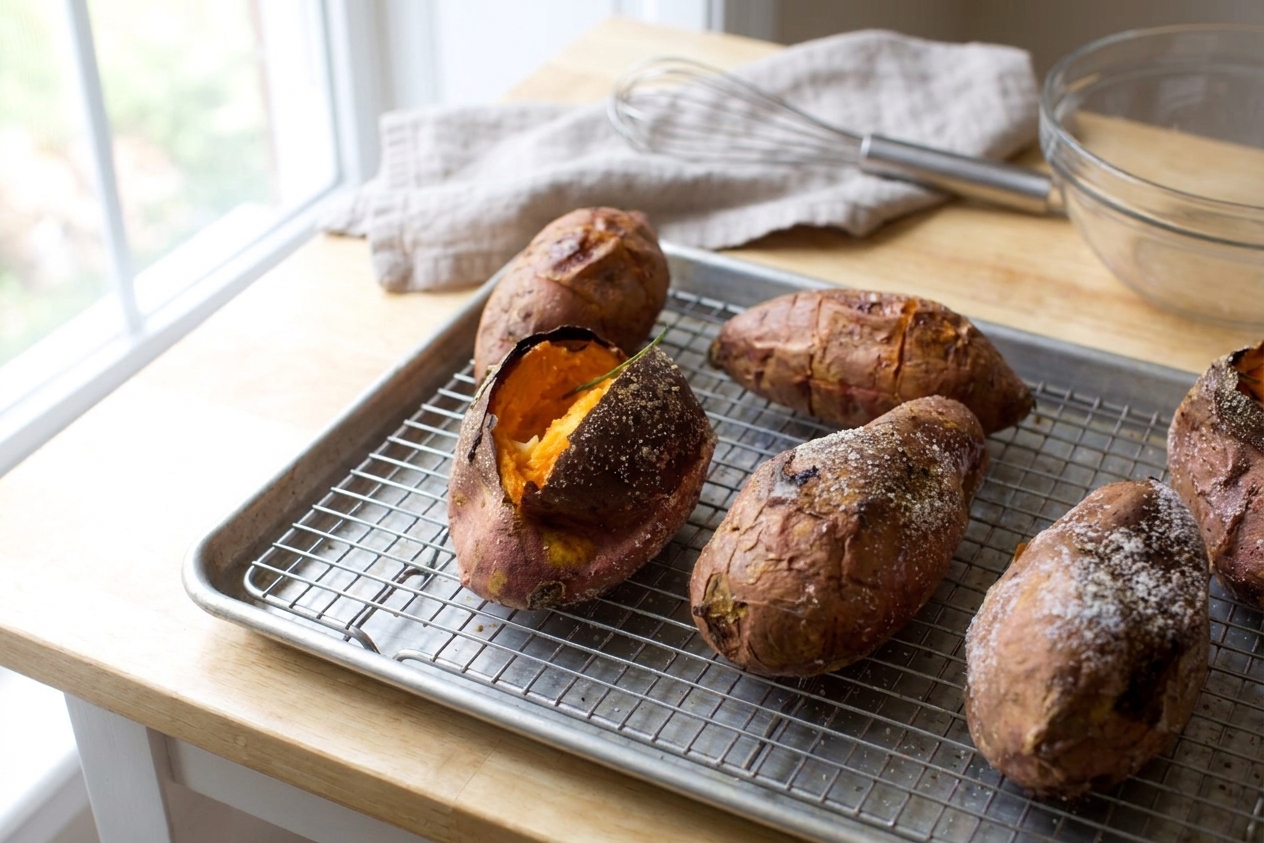
Roasted sweet potatoes cooling on a sheet pan on a bright kitchen counter

Why It Works

  • Moist, not wet: Roasted sweet potato puree adds richness without turning the batter into soup.
  • Real pound cake texture: A tight, fine crumb that slices clean, with the kind of buttery weight you want.
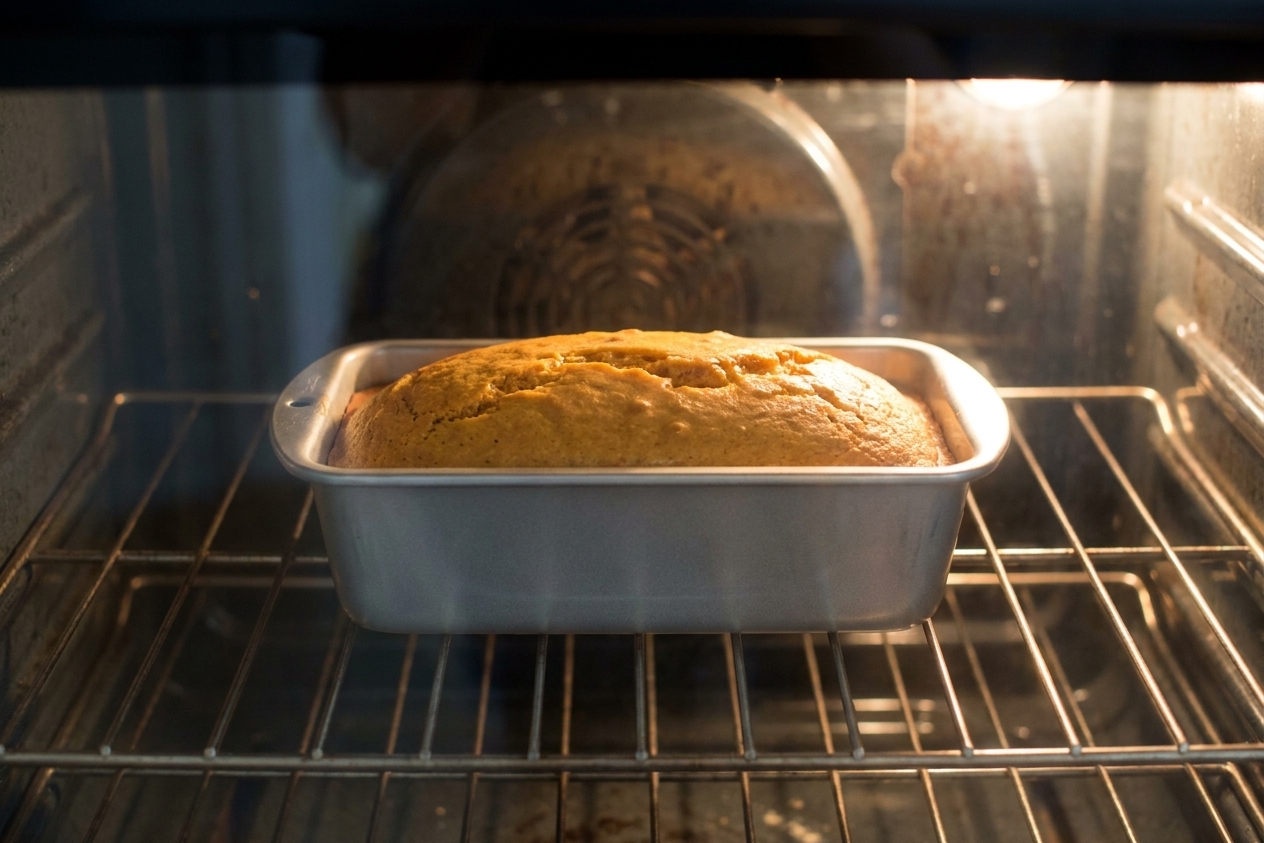
  • Crisp edges, tender center: A well greased loaf pan plus the right bake time gives you that golden perimeter.
  • Big flavor from pantry staples: Cinnamon, nutmeg, and maple do most of the heavy lifting.

Pairs Well With

Storage Tips

Room temperature: Wrap cooled cake tightly in plastic wrap or store in an airtight container for up to 3 days. Keep it away from direct sunlight and heat.

Refrigerator: If your kitchen runs warm, refrigerate up to 6 days. Wrap very tightly to prevent drying out. Let slices sit out for 20 to 30 minutes before eating for the best texture.

Freezer: Freeze whole or sliced. Wrap in plastic wrap, then foil, then place in a freezer bag. Freeze up to 2 months. Thaw overnight in the fridge or on the counter for a few hours.

Pro tip: Freeze slices with parchment between them so you can grab one at a time.

Common Questions

Can I use canned sweet potato puree?

Yes, as long as it is plain sweet potato, not sweetened pie filling. If it looks very wet, blot a little with paper towels or reduce the milk in the recipe by 1 tablespoon.

Why did my pound cake crack on top?

That classic crack is common with pound cake. The batter is thick and the top sets while the inside keeps rising. If the crack seems extreme, your oven may run hot. Use an oven thermometer if you have one.

How do I know it is done without drying it out?

Look for a deep golden top and a skewer coming out with a few moist crumbs but no wet batter. In most ovens, this lands around 60 to 75 minutes. If you like a number, the center is usually done around 200 to 210°F.

Can I bake this in a Bundt pan?

Usually yes, but the bake time changes. Use a 10 to 12 cup Bundt pan and start checking around 55 to 60 minutes, then keep going until a skewer comes out with a few moist crumbs (or the center hits about 200 to 210°F). Grease thoroughly, especially the center tube and ridges.

Do I have to use the glaze?

Nope. The cake is great plain. If skipping glaze, consider sanding sugar on top before baking for sparkle and crunch.

I started making this cake when I was chasing that perfect middle ground between “weekday easy” and “people will ask for the recipe.” Sweet potatoes were already a regular in my kitchen, so I tried folding roasted puree into a pound cake batter like a quiet little experiment. The first loaf came out with crisp edges, a soft center, and that warm, almost caramel vibe you only get from roasting. Now it is my go-to whenever I want to bring something that feels thoughtful without turning my kitchen into a disaster zone.