Common Questions
Can I use frozen cod?
Yes. Thaw it fully in the fridge overnight, then pat it very dry before glazing. Extra moisture is the enemy of good caramelization.
How do I know when cod is done?
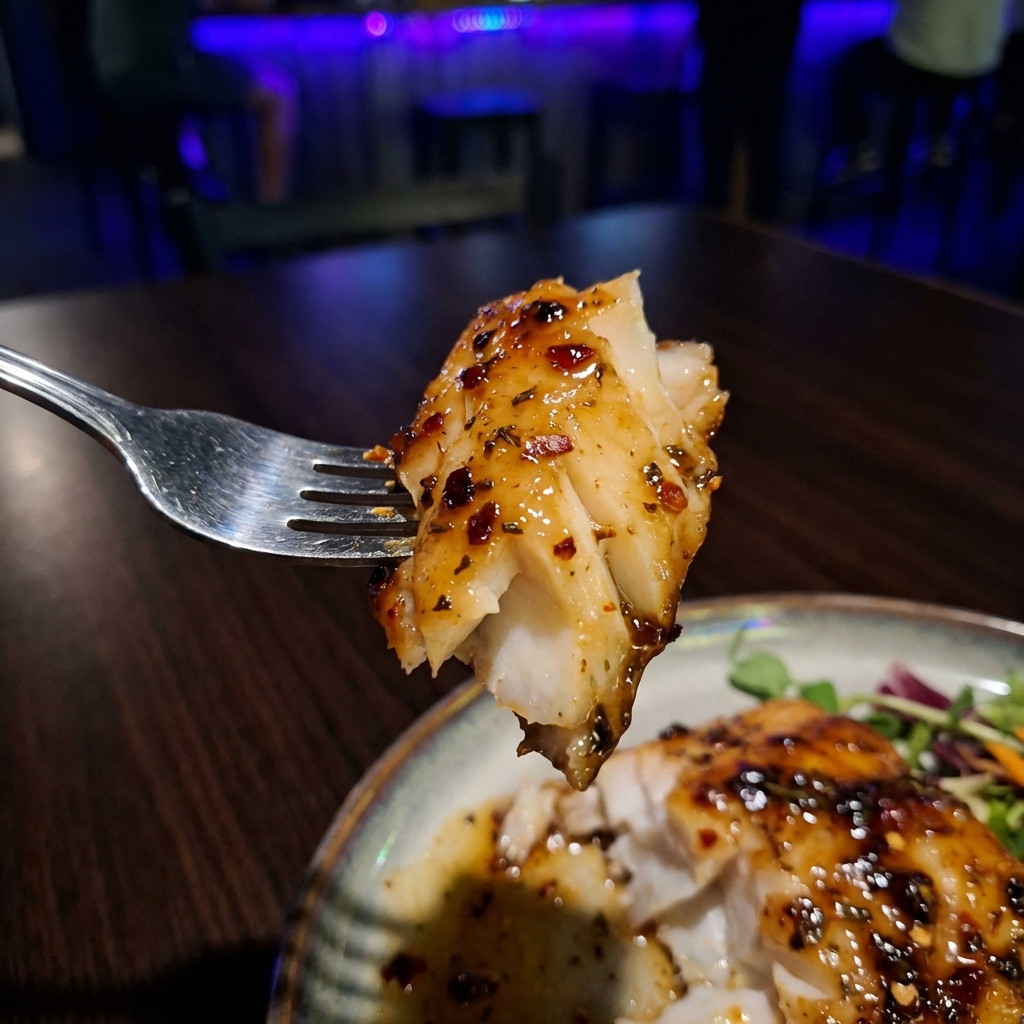
It should flake easily with a fork and look opaque. If you use a thermometer, you have two good options: for the most tender, just-set texture, pull at 130°F to 135°F and rest 2 to 3 minutes. For the more conservative, widely cited FDA guidance, cook finfish to 145°F.
What if I do not have honey?
Maple syrup works great and tastes a little deeper. Brown sugar also works, but whisk it well so it dissolves into the glaze.
Is this very spicy?
As written, it is medium. For mild, cut the sriracha in half and skip the red pepper flakes. For spicy, add an extra teaspoon of sriracha and a pinch more flakes.
Can I make it with another fish?
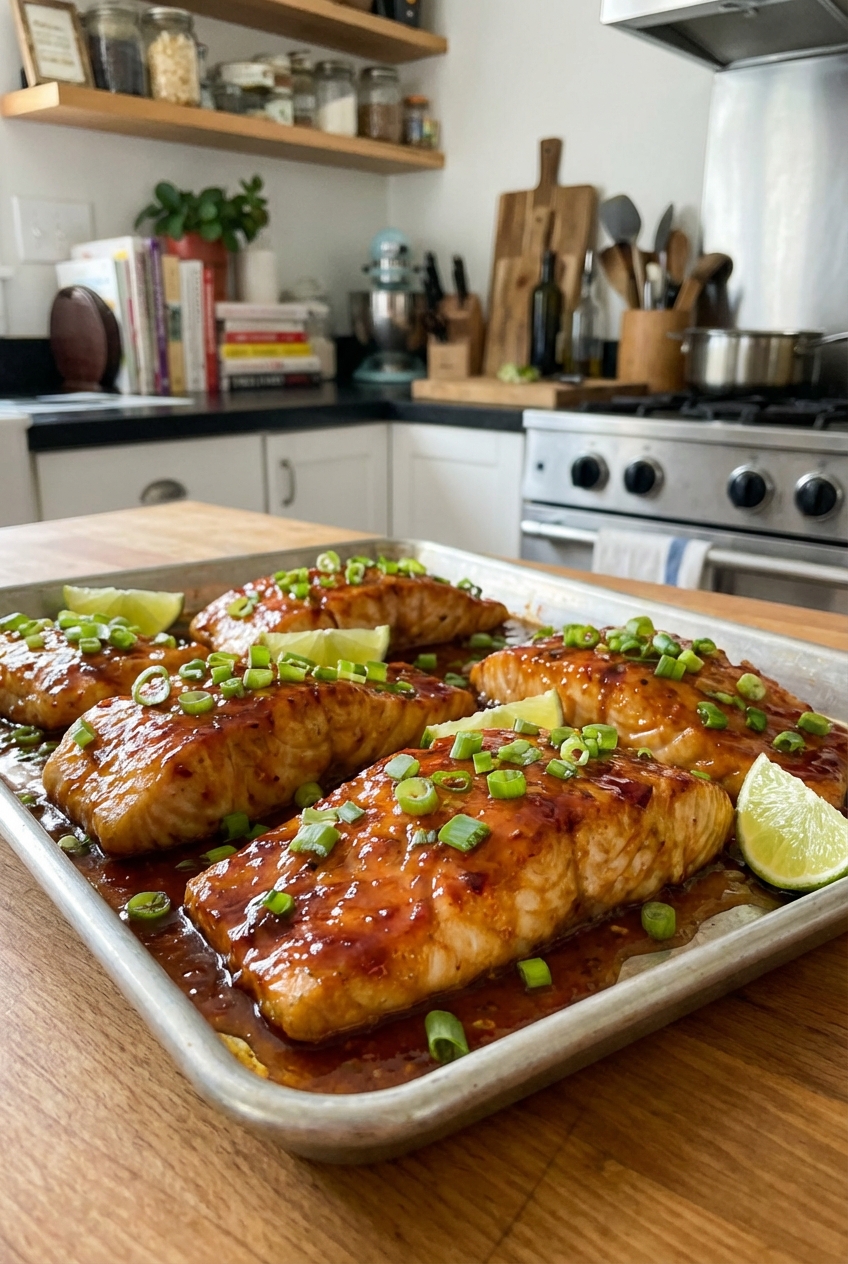
Yes. Try salmon (add 2 to 4 minutes) or halibut (similar timing to cod but depends on thickness). The glaze loves anything flaky and mild.
Why did my cod turn watery?
Usually it is either frozen fish that was not fully thawed, fish that was not patted dry, or the pan was overcrowded. Give each fillet some breathing room and use a hot oven.
My glaze is getting too dark. Help?
Honey can brown fast, especially in hot ovens. If your fillets are thin or your oven runs hot, move the pan to a lower rack and tent loosely with foil for the last few minutes.
Can I broil it for more color?
Yes, but watch it like a hawk. Broil 30 to 90 seconds at the end for a little extra caramelization. Honey goes from glossy to burnt quickly.
Any allergy notes?
This recipe contains soy (soy sauce or tamari) and may contain sesame (sesame oil and seeds). Use coconut aminos for a soy-free swap and skip sesame if needed.