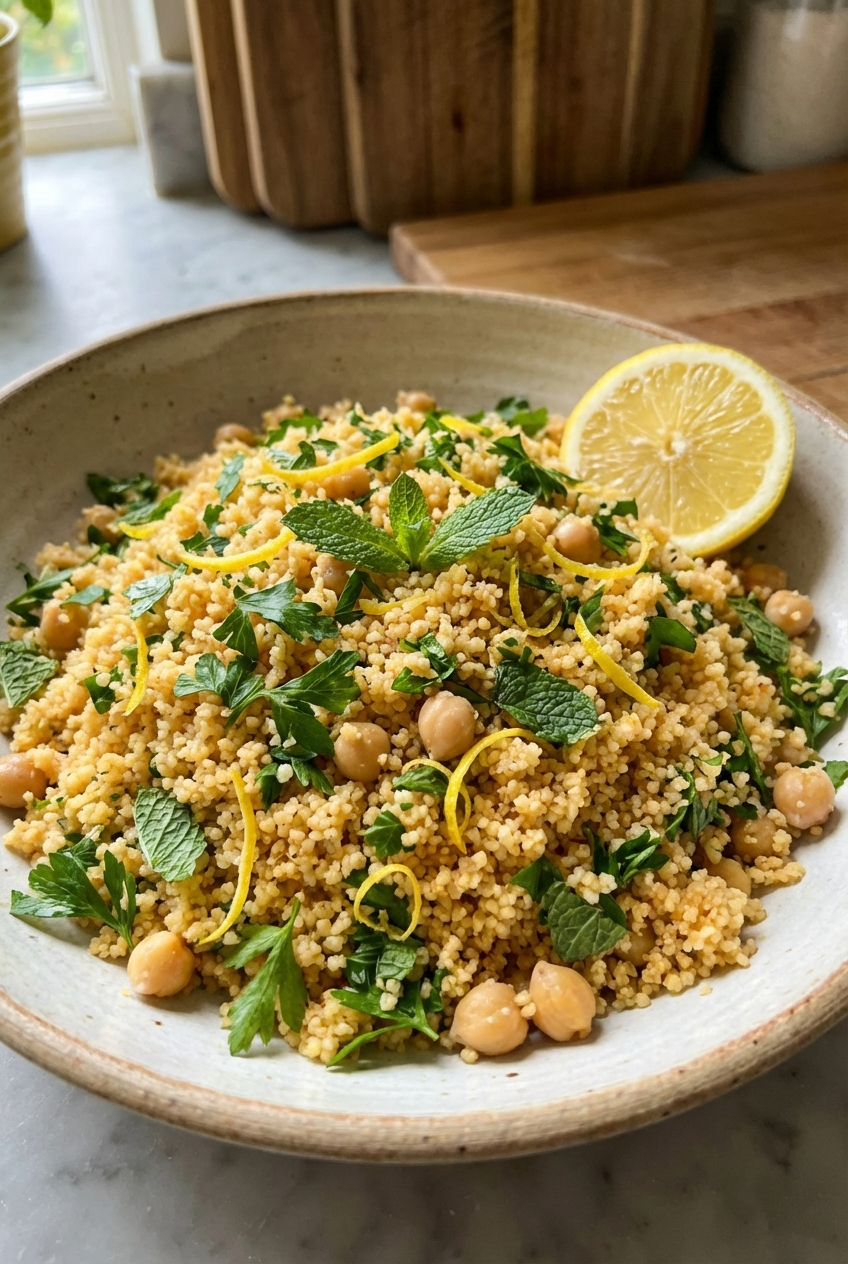
Learn how to make a zesty, traditional couscous dish with authentic spices, fluffy couscous, and fresh herbs. A simple, satisfying recipe for any night.
Swordfish is one of those “I’m trying to impress, but I also have laundry to fold” proteins. It sears like a champ, stays meaty instead of flaky, and it loves bold flavors. In this recipe, we go for the full hit: a hard sear for crisp edges, then a tangy and creamy pan sauce that’s bright with lemon, salty with capers, and just rich enough to make you drag a piece of bread through the plate like it owes you money.
It’s approachable and forgiving, too. The biggest rule is simple: do not overcook the fish. If you like it juicy, pull it earlier and let it rest. If you prefer to follow the standard food-safety target, cook it through to 145°F. Either way, keep the heat under control and taste as you go. You know the drill.
Quick buying tip: Look for steaks that are 1 to 1 1/4 inches thick with a fresh, clean smell (not fishy). Previously frozen is totally fine and often great quality. Just thaw fully and pat dry like you mean it.